















Copyright: ©Author(s) 2026.
World J Psychiatry. Jun 19, 2026; 16(6): 116435
Published online Jun 19, 2026. doi: 10.5498/wjp.v16.i6.116435
Published online Jun 19, 2026. doi: 10.5498/wjp.v16.i6.116435
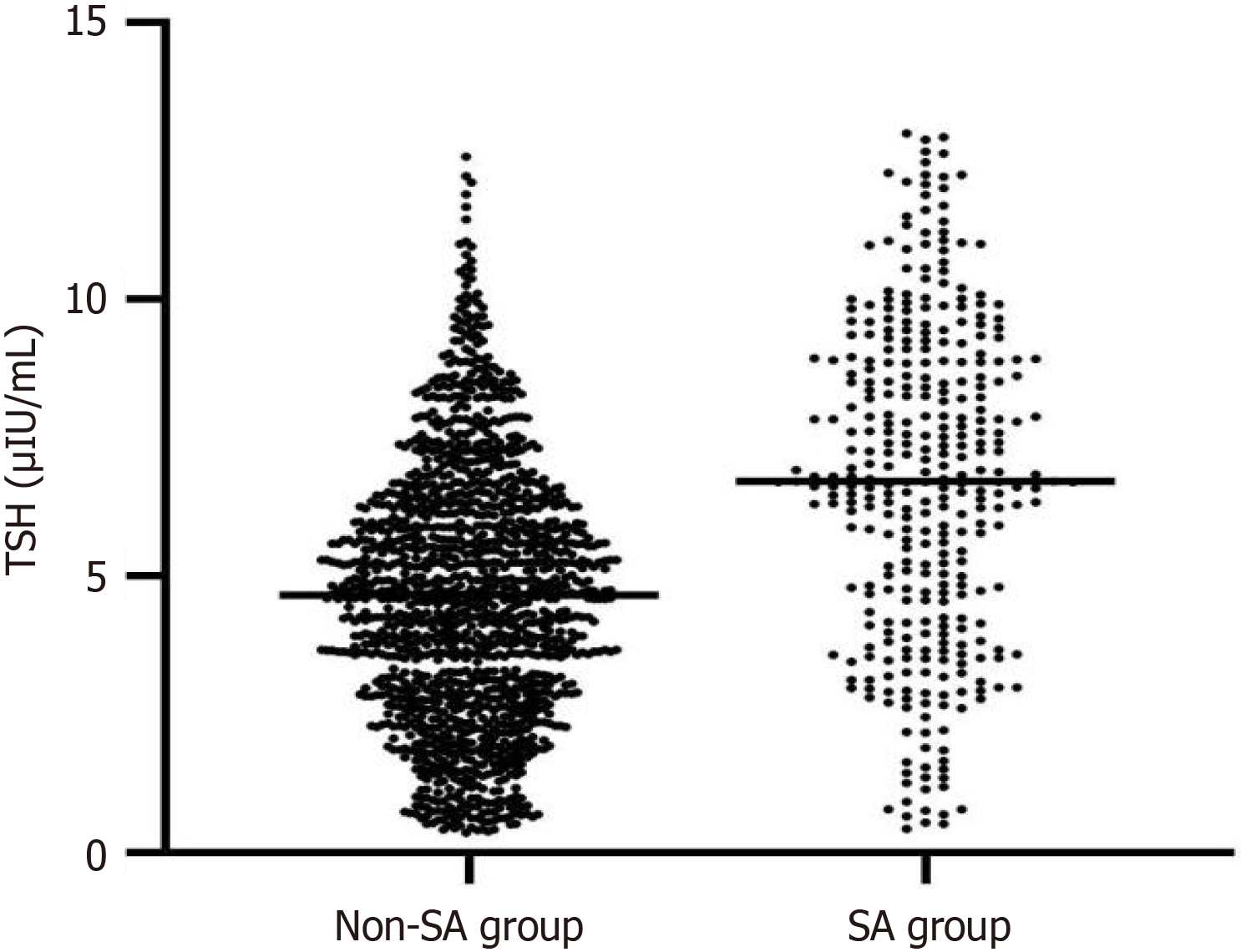
Figure 1 Distribution of thyroid-stimulating hormone levels in first-episode drug-naïve major depressive disorder patients with or without suicide attempt.
TSH: Thyroid-stimulating hormone; SA: Suicide attempt.
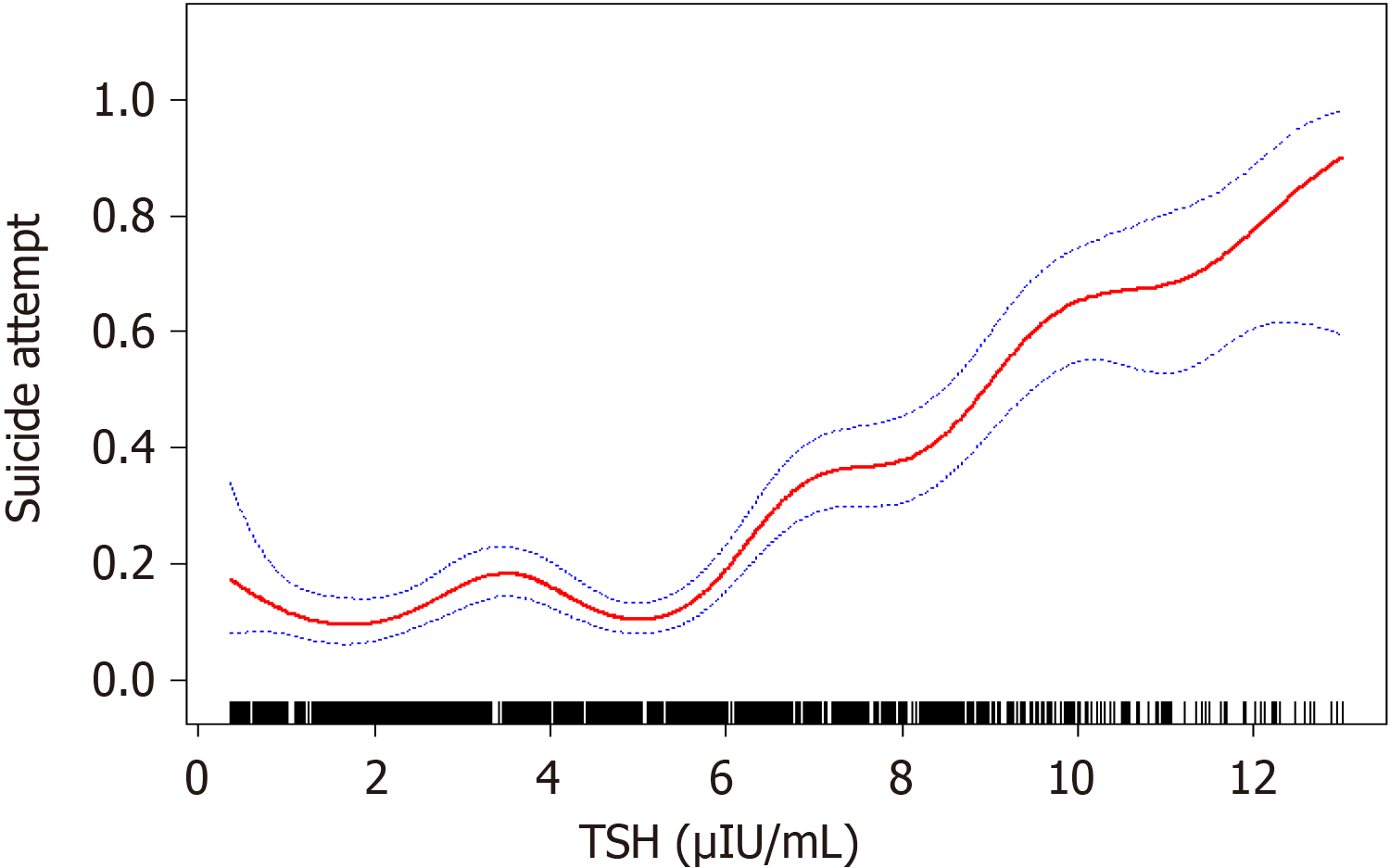
Figure 2 Association between thyroid-stimulating hormone levels and suicide attempt.
A non-linear association between thyroid-stimulating hormone levels and suicide attempt was found in the multivariable logistic regression model. Solid line represents the smooth curve fit between variables. Dotted lines represent the 95%CI from the fit. All adjusted for disease duration, age of onset, education, Hamilton Depression Scale, Hamilton Anxiety Scale, fasting blood glucose, anti-thyroglobulin, thyroid peroxidase antibody, total cholesterol, triglycerides, high-density lipoprotein cholesterol, low-density lipoprotein cholesterol, systolic and diastolic blood pressure. TSH: Thyroid-stimulating hormone.
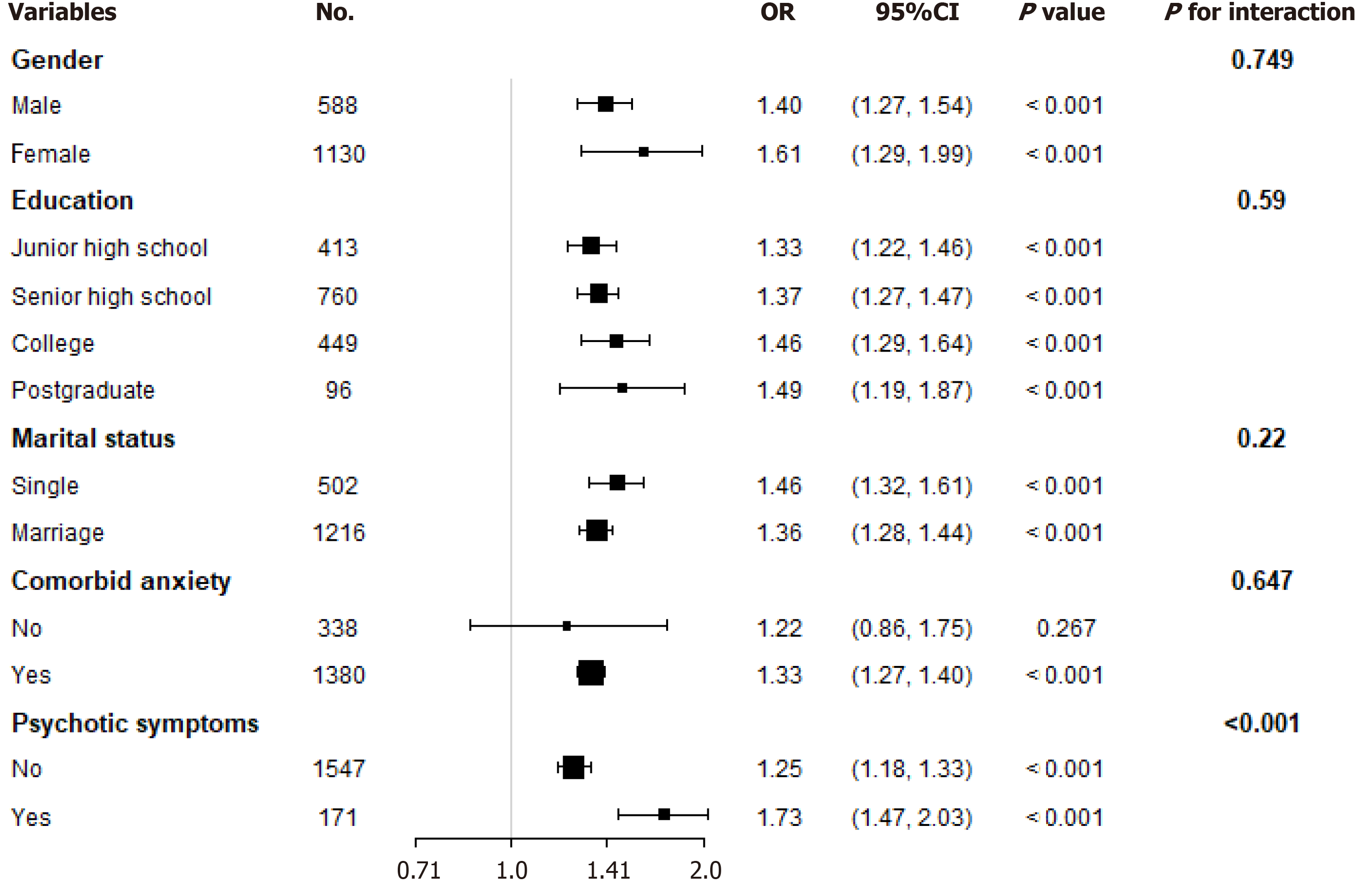
Figure 3 Subgroup analysis of the association between thyroid-stimulating hormone and suicide attempt.
The odds ratio (95%CI) was derived from the logistic regression model (age, sex, education, duration of illness, Hamilton Depression Scale, Hamilton Anxiety Scale, anti-thyroglobulin, thyroid peroxidase antibody). OR: Odds ratio.
- Citation: Deng HX, Liu YZ, Yang L, Liu JJ, Jia FN, Zhao XL, Xia XZ, Zhang XY, Du XD. Thyroid-stimulating hormone levels and suicide attempts in Chinese patients with first-episode drug-naïve major depressive disorder. World J Psychiatry 2026; 16(6): 116435
- URL: https://www.wjgnet.com/2220-3206/full/v16/i6/116435.htm
- DOI: https://dx.doi.org/10.5498/wjp.v16.i6.116435