
















Copyright: ©Author(s) 2026.
World J Psychiatry. Jun 19, 2026; 16(6): 115917
Published online Jun 19, 2026. doi: 10.5498/wjp.v16.i6.115917
Published online Jun 19, 2026. doi: 10.5498/wjp.v16.i6.115917
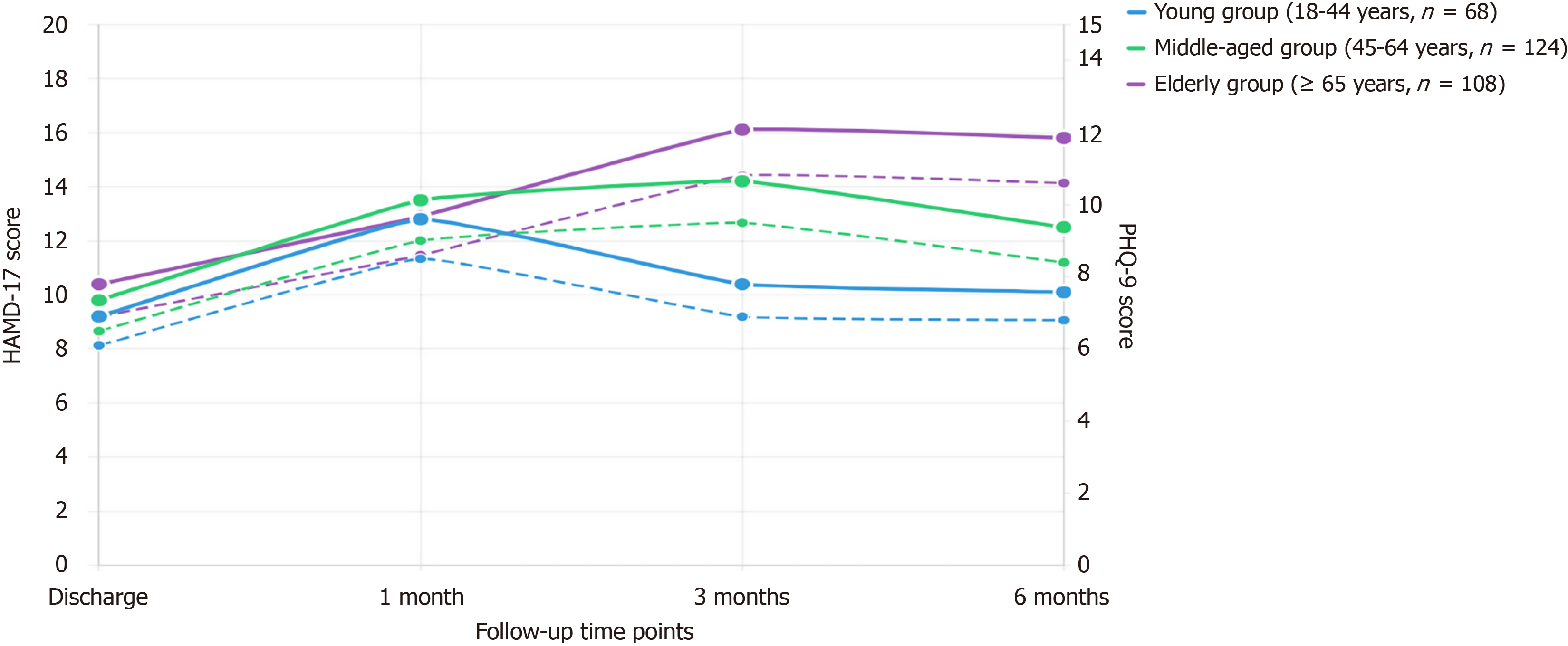
Figure 1 Temporal patterns of depression symptoms following acute cerebral infarction by age group.
Depression severity [Hamilton Depression Rating Scale-17 items (HAMD-17) scores, solid lines, left axis] and incidence rates (HAMD-17 ≥ 8, dashed lines, right axis) across 6-month follow-up in young (18-44 years, n = 68), middle-aged (45-64 years, n = 124), and elderly (≥ 65 years, n = 108) stroke patients. Distinct trajectories: The young group showed acute peak with recovery; middle-aged group maintained sustained elevation; elderly group demonstrated progressive delayed deterioration (time × group interaction: F = 12.847, P < 0.001). HAMD-17: Hamilton Depression Rating Scale-17 items; PHQ-9: Patient Health Questionnaire-9 items.
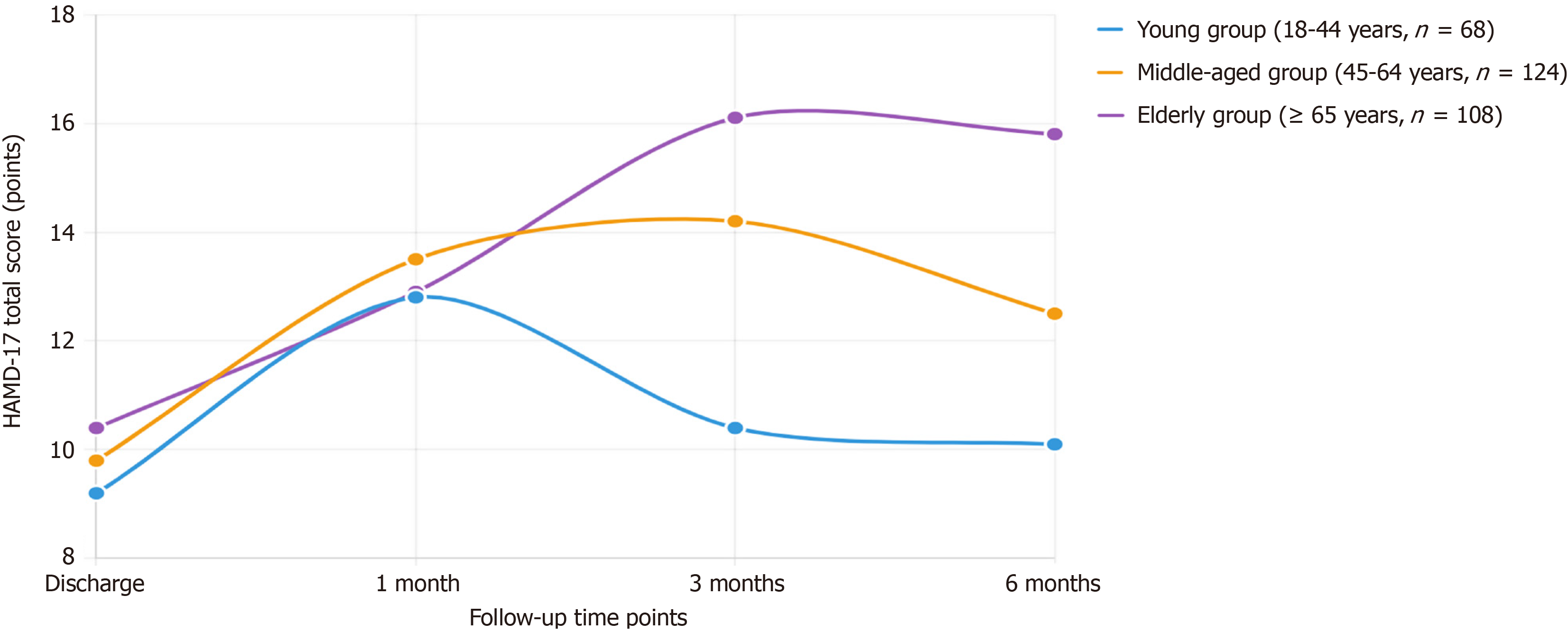
Figure 2 Treatment response of depression symptoms following acute cerebral infarction by age group.
Mean Hamilton Depression Rating Scale-17 items total scores over 6-month follow-up in young (18-44 years, n = 68, blue), middle-aged (45-64 years, n = 124, orange), and elderly (≥ 65 years, n = 108, purple) stroke patients. Young patients showed early peak with recovery; middle-aged patients maintained sustained elevation; elderly patients demonstrated progressive worsening followed by plateau (time × group interaction: F = 12.847, P < 0.001). HAMD-17: Hamilton Depression Rating Scale-17 items.
- Citation: Li JJ, Chen ZJ, Nian WH, Liang YL, Su WJ. Age-stratified analysis of depression onset patterns and treatment response differences following cerebral infarction. World J Psychiatry 2026; 16(6): 115917
- URL: https://www.wjgnet.com/2220-3206/full/v16/i6/115917.htm
- DOI: https://dx.doi.org/10.5498/wjp.v16.i6.115917