
















Copyright: ©Author(s) 2026.
World J Psychiatry. Apr 19, 2026; 16(4): 117207
Published online Apr 19, 2026. doi: 10.5498/wjp.v16.i4.117207
Published online Apr 19, 2026. doi: 10.5498/wjp.v16.i4.117207
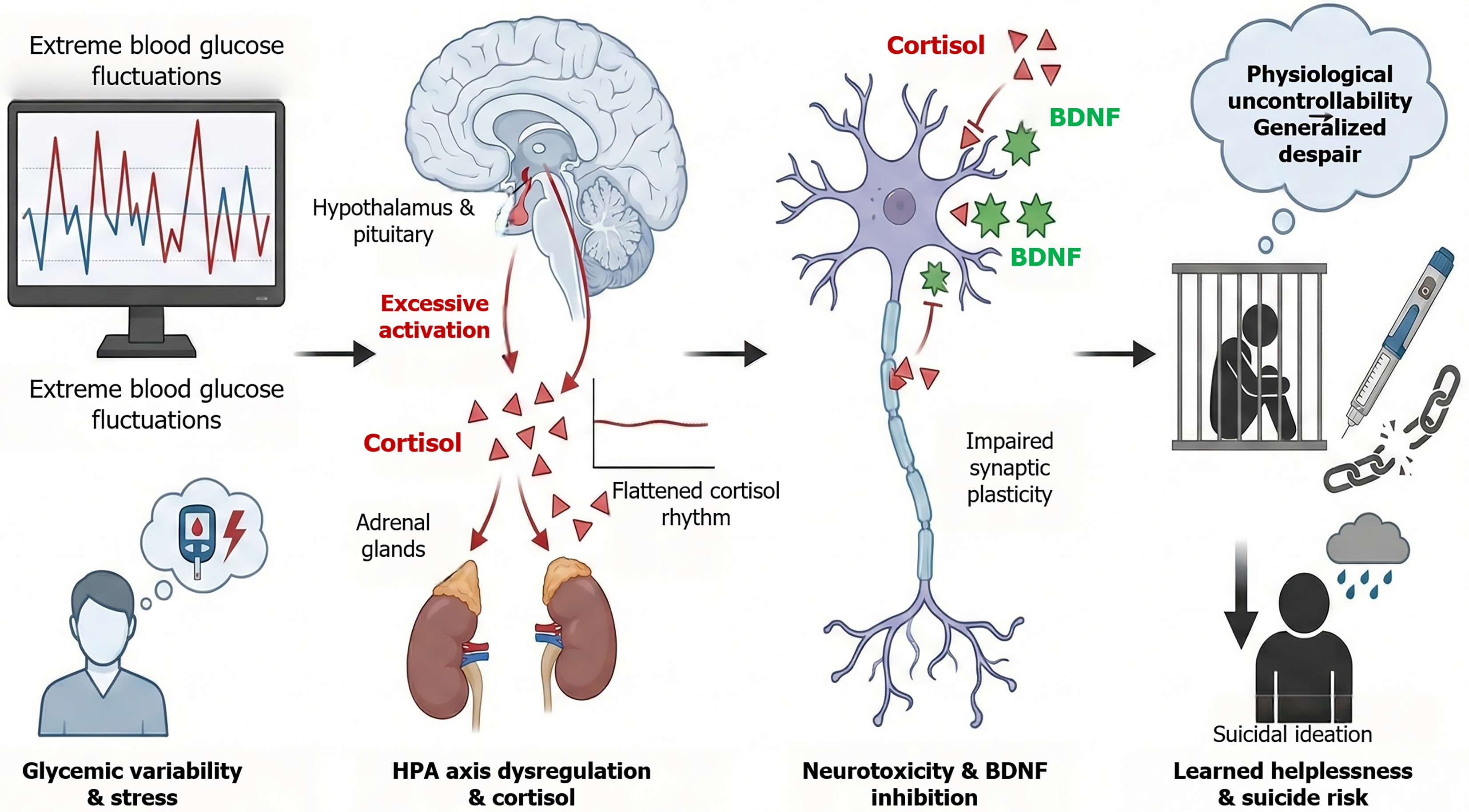
Figure 1 Immunopsychiatry pathway: Hyperglycemia to depression.
This schematic illustrates the multi-stage cascade linking peripheral metabolic distress to central neurobiological impairment and subsequent suicidal behavior. The process is initiated by glycemic instability-where chronic hyperglycemia triggers oxidative stress and systemic cytokine release (interleukin-6, tumor necrosis factor-α, interleukin-1β), while recurring hypoglycemia acts as a severe physiological stressor that dysregulates the hypothalamic-pituitary-adrenal axis and flattens cortisol rhythms. These peripheral signals breach the blood-brain barrier, activating microglia and upregulating indoleamine 2,3-dioxygenase; this shunts tryptophan metabolism away from serotonin (5-HT) synthesis toward the neurotoxic kynurenine pathway, generating quinolinic acid. The resulting neurotoxicity, coupled with cortisol-induced suppression of brain-derived neurotrophic factor, leads to structural hippocampal atrophy, amygdala hyperactivation, and prefrontal cortex dysfunction. This “broken braking system” manifests psychologically as learned helplessness and emotional disinhibition, ultimately culminating in an acute and chronic elevation of impulsive suicide risk. BDNF: Brain-derived neurotrophic factor; HPA: Hypothalamic-pituitary-adrenal.
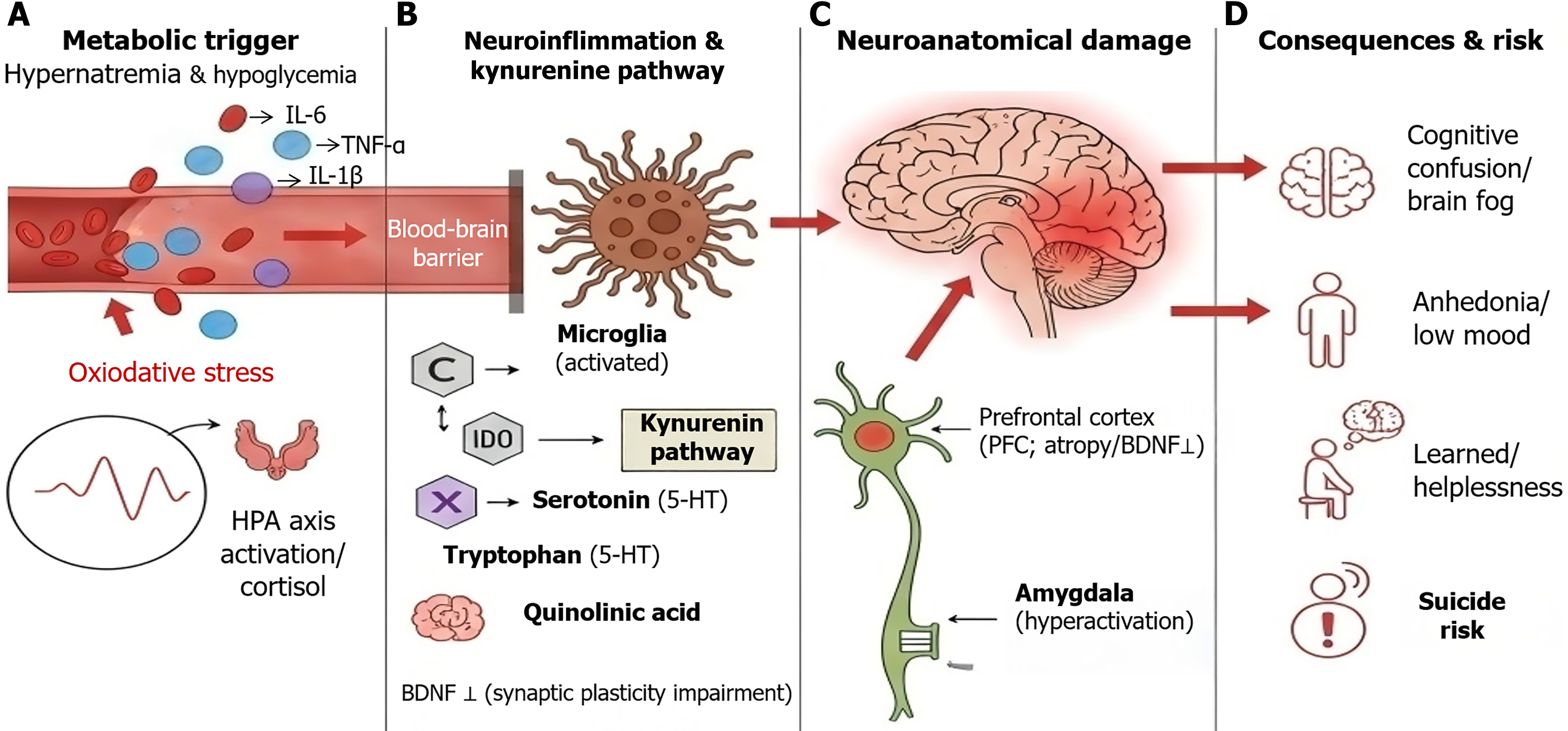
Figure 2 Hypothalamic-pituitary-adrenal axis dysfunction and stress susceptibility.
The cascade from glycemic variability to psychological despair. A: Extreme glucose fluctuations act as physiological stressors; B: Triggering excessive hypothalamic-pituitary-adrenal axis activation and flattening cortisol rhythms; C: Elevated cortisol inhibits brain-derived neurotrophic factor expression, impairing synaptic plasticity; D: This biological state translates into “learned helplessness”, a core psychological driver of suicidal ideation in type 1 diabetes. HPA: Hypothalamic-pituitary-adrenal; BDNF: Brain-derived neurotrophic factor; IL: Interleukin; TNF: Tumor necrosis factor.
- Citation: Wang DY, Yuan MY, Zhi H. Comorbid depression and glycemic instability in adolescent type 1 diabetes: Clinical insights into suicide risk. World J Psychiatry 2026; 16(4): 117207
- URL: https://www.wjgnet.com/2220-3206/full/v16/i4/117207.htm
- DOI: https://dx.doi.org/10.5498/wjp.v16.i4.117207