
















©Author(s) (or their employer(s)) 2026.
World J Psychiatry. Mar 19, 2026; 16(3): 114301
Published online Mar 19, 2026. doi: 10.5498/wjp.v16.i3.114301
Published online Mar 19, 2026. doi: 10.5498/wjp.v16.i3.114301
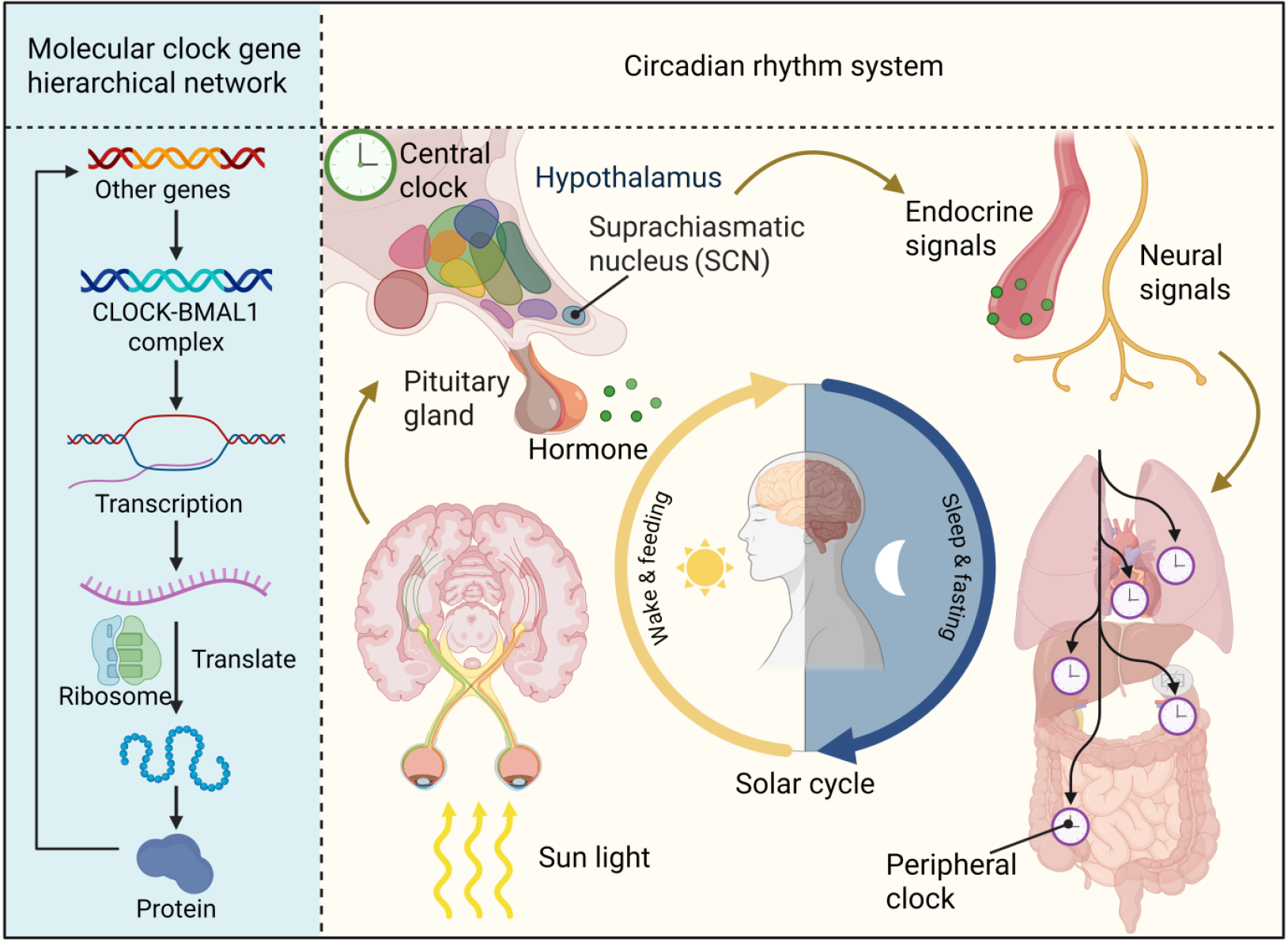
Figure 1 Molecular mechanisms and physiological regulation of the human circadian rhythm system.
The central clock, located in the supr
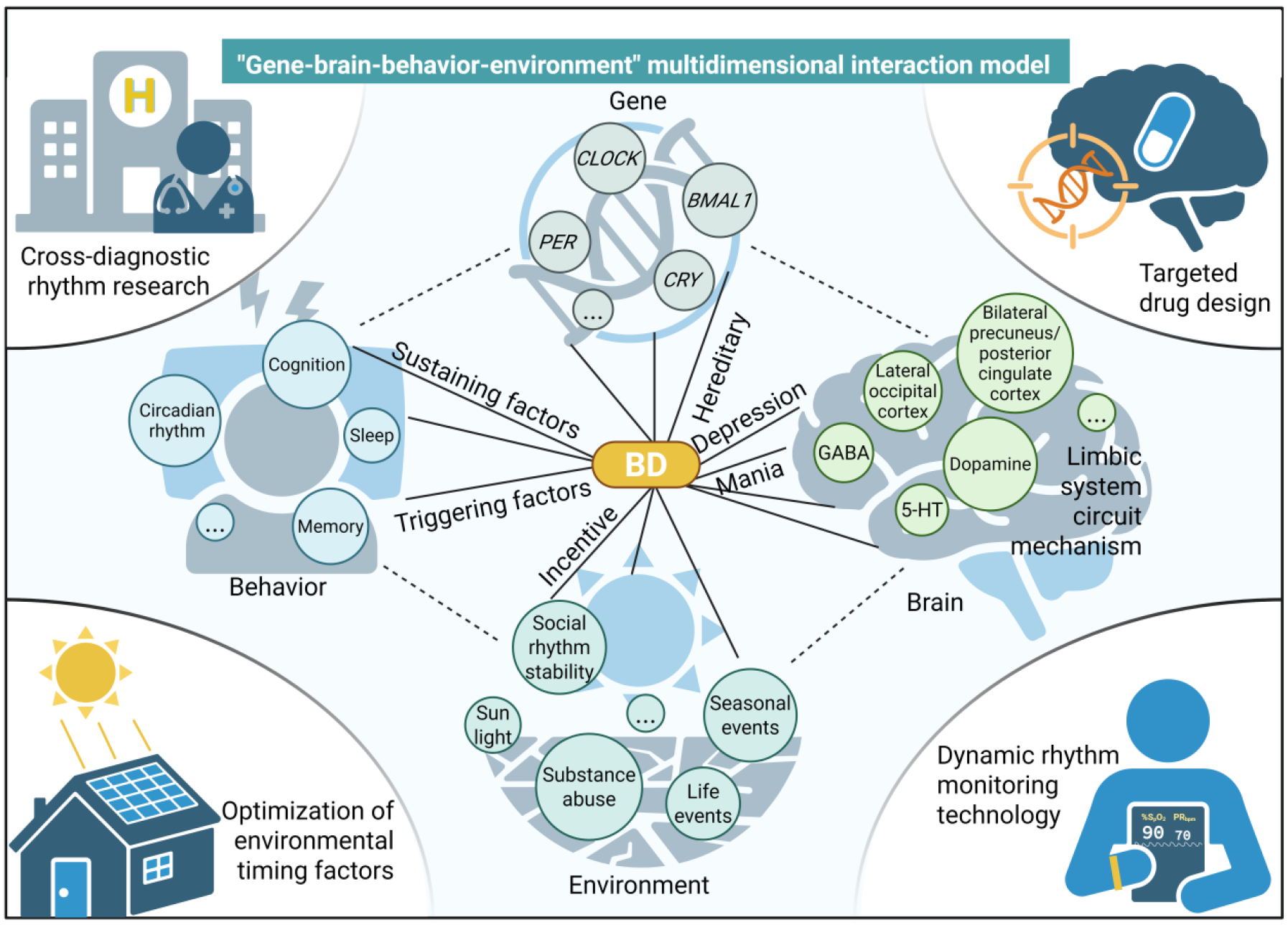
Figure 2 Establishment of a “gene-brain-behavior-environment” multidimensional interaction.
Model to elucidate the biological mechanisms and therapeutic strategies of bipolar disorder (BD). The model is described as follows: At the genetic level variations and abnormal expression of core clock genes (e.g., CLOCK, BMAL1, PER, CRY) form the basis of genetic susceptibility to BD. At the brain level abnormalities in limbic system circuit mechanisms and rhythmic disturbances of neurotransmitters such as dopamine, 5-hydroxytryptamine, and gamma-aminobutyric acid contribute to the development of symptoms including mania and depression. The environmental level encompasses triggering factors (e.g., seasonal changes, life events) and maintaining factors (e.g., social rhythm stability, substance abuse). The behavioral level affects the regulation of cognition, memory, sleep, and circadian rhythms, ultimately manifesting as core BD symptoms such as manic episodes, depressive episodes, and mixed states. These dimensions interact with each other, and multiple factors collectively promote the onset and progression of BD. This model not only provides an integrated framework for elaborating the pathological mechanisms of BD but also points out directions for BD intervention and therapeutic strategies, such as the development of dynamic rhythm monitoring technologies, the design of drugs targeting the molecular clock, the optimization of environmental zeitgebers, and transdiagnostic rhythm research. BD: Bipolar disorder; 5-HT: 5-hydroxytryptamine; GABA: Gamma-aminobutyric acid.
- Citation: Liu Y, Zhu LY, Xiao Q, Zeng HM, Zhan YX, Yang RH, Lin FZ, Liu DL, Zeng XX, Chen BF. Circadian rhythm disruption in bipolar disorder: Mechanisms, clinical significance, and rhythm-oriented interventions. World J Psychiatry 2026; 16(3): 114301
- URL: https://www.wjgnet.com/2220-3206/full/v16/i3/114301.htm
- DOI: https://dx.doi.org/10.5498/wjp.v16.i3.114301