
















©The Author(s) 2026.
World J Psychiatry. Feb 19, 2026; 16(2): 113101
Published online Feb 19, 2026. doi: 10.5498/wjp.v16.i2.113101
Published online Feb 19, 2026. doi: 10.5498/wjp.v16.i2.113101
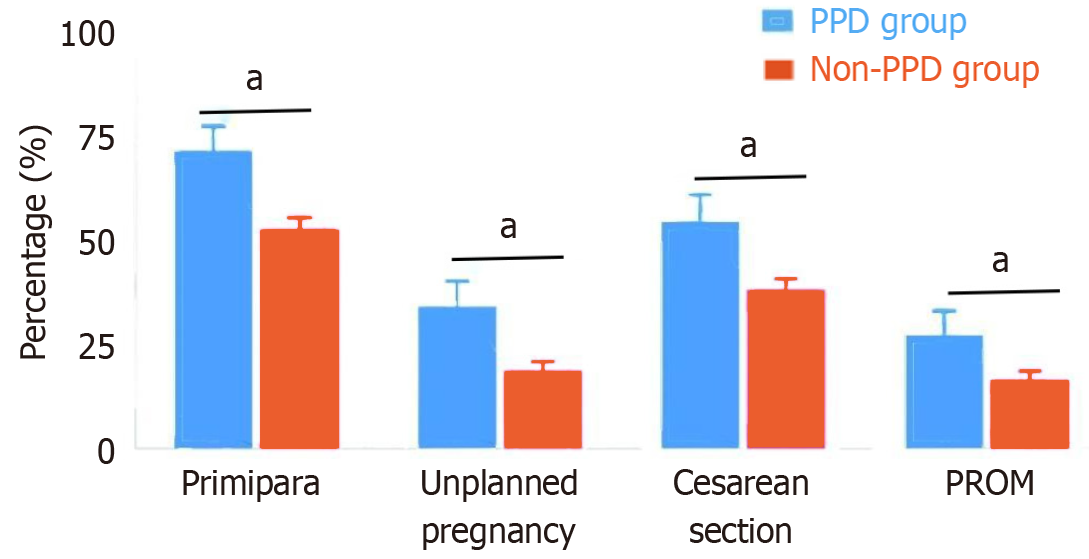
Figure 1 Comparison of obstetric risk factors between the postpartum depression and non- postpartum depression groups.
This figure illustrates the significantly higher percentages of primiparas, unplanned pregnancies, cesarean section, and premature rupture of membranes in the postpartum depression (PPD) group than in the non-PPD group. All four obstetric factors were significantly different between the groups, suggesting that these factors may be important risk factors for developing PPD. aP < 0.05. PPD: Postpartum depression; PROM: Premature rupture of membranes.
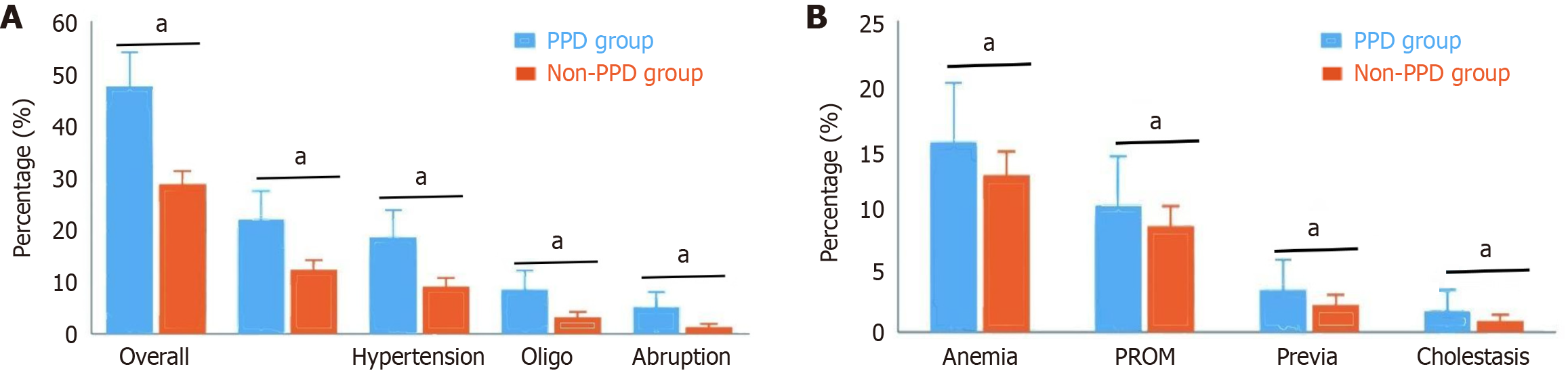
Figure 2 Pregnancy complications in women with and without postpartum depression.
This figure presents the prevalence of pregnancy complications in women with postpartum depression (PPD; PPD group) compared with those without (non-PPD group). A: Statistically significant differences in the occurrence of overall complications, gestational hypertension, diabetes, placental abruption, and oligohydramnios, with consistently higher rates in the PPD group; B: Nonsignificant complications (anemia, premature rupture of membranes, placenta previa, and cholestasis), revealing similar trends but without statistical significance between the two groups. aP < 0.05. PPD: Postpartum depression; PROM: Premature rupture of membranes.
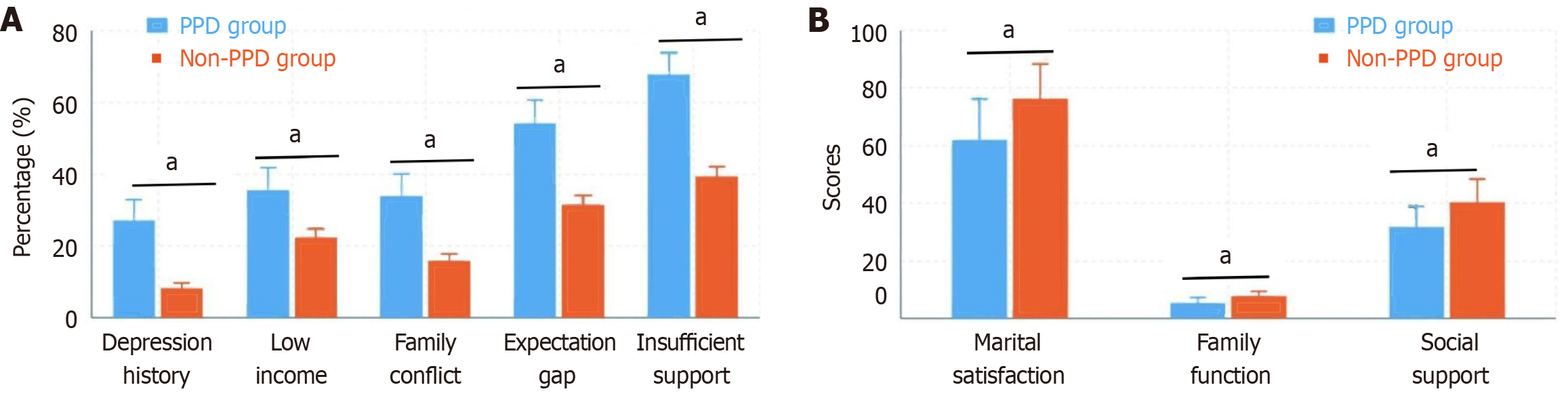
Figure 3 Psychosocial risk factors and assessment scores for postpartum depression.
This figure illustrates the significant differences in psychosocial factors between women with postpartum depression (PPD; PPD group) and those without (non-PPD group). A: Women with PPD have substantially higher rates of depression history, low income, family conflict, expectation gaps, and insufficient social support; B: PPD group women score significantly lower on psychosocial assessments, including the marital satisfaction, family function, and social support scales, indicating poorer psychosocial wellbeing in women with PPD. aP < 0.05. PPD: Postpartum depression.
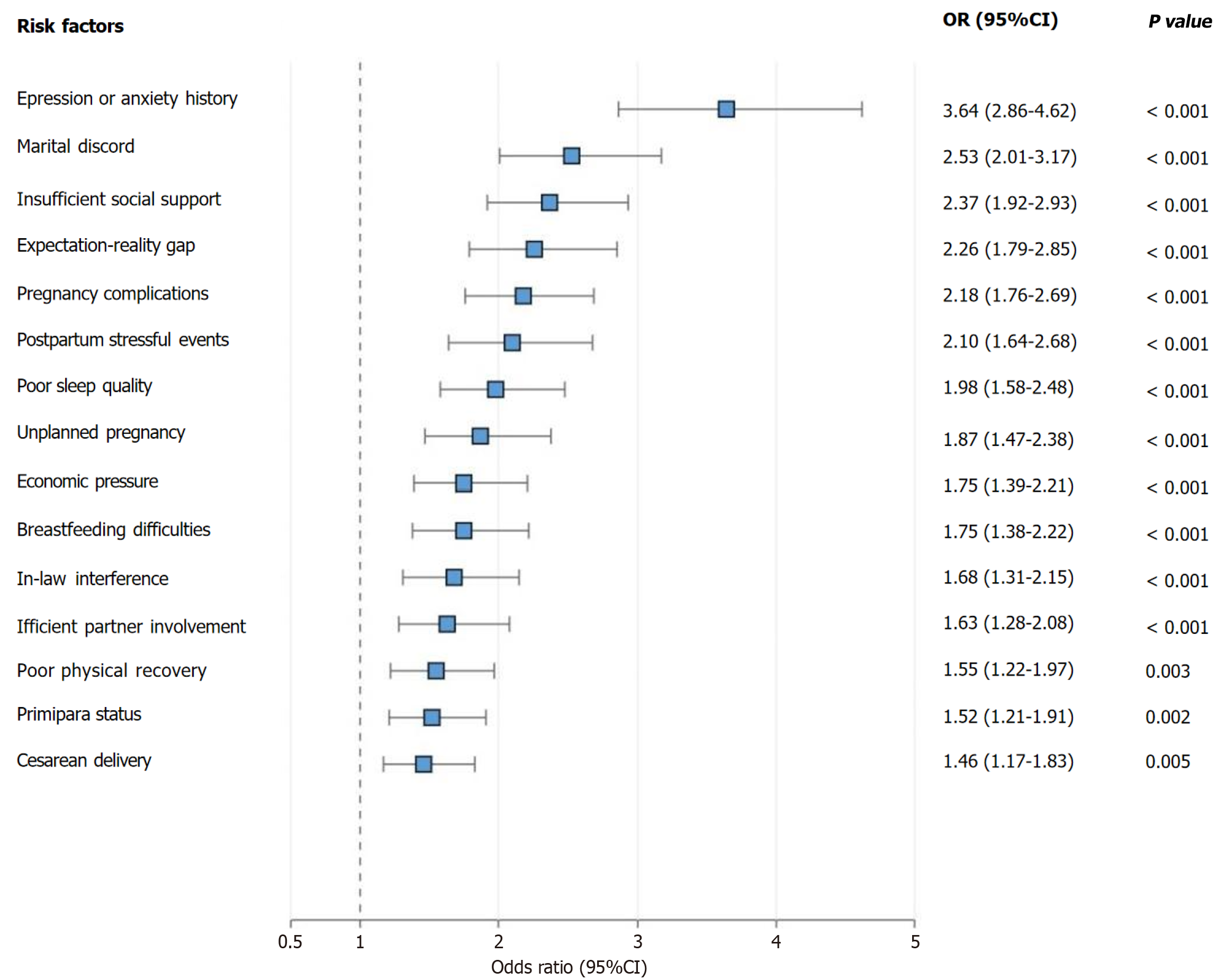
Figure 4 Independent risk factors for postpartum depression.
This forest plot illustrates the multiple independent risk factors associated with postpartum depression, with psychological factors (depression history, marital discord, and insufficient social support) showing the strongest associations (odds ratios > 2.3). The analysis also reveals different risk patterns between primiparas and multiparas, with social support deficits being more influential for first-time mothers, whereas relationship discord poses a greater risk for multiparas, with all factors demonstrating statistical significance (P < 0.05).
- Citation: Yang XW, Jiang XL, Wu YL. Clinical investigation of postpartum depression risk factors and screening predictors. World J Psychiatry 2026; 16(2): 113101
- URL: https://www.wjgnet.com/2220-3206/full/v16/i2/113101.htm
- DOI: https://dx.doi.org/10.5498/wjp.v16.i2.113101