
















©The Author(s) 2026.
World J Psychiatry. Feb 19, 2026; 16(2): 113063
Published online Feb 19, 2026. doi: 10.5498/wjp.v16.i2.113063
Published online Feb 19, 2026. doi: 10.5498/wjp.v16.i2.113063
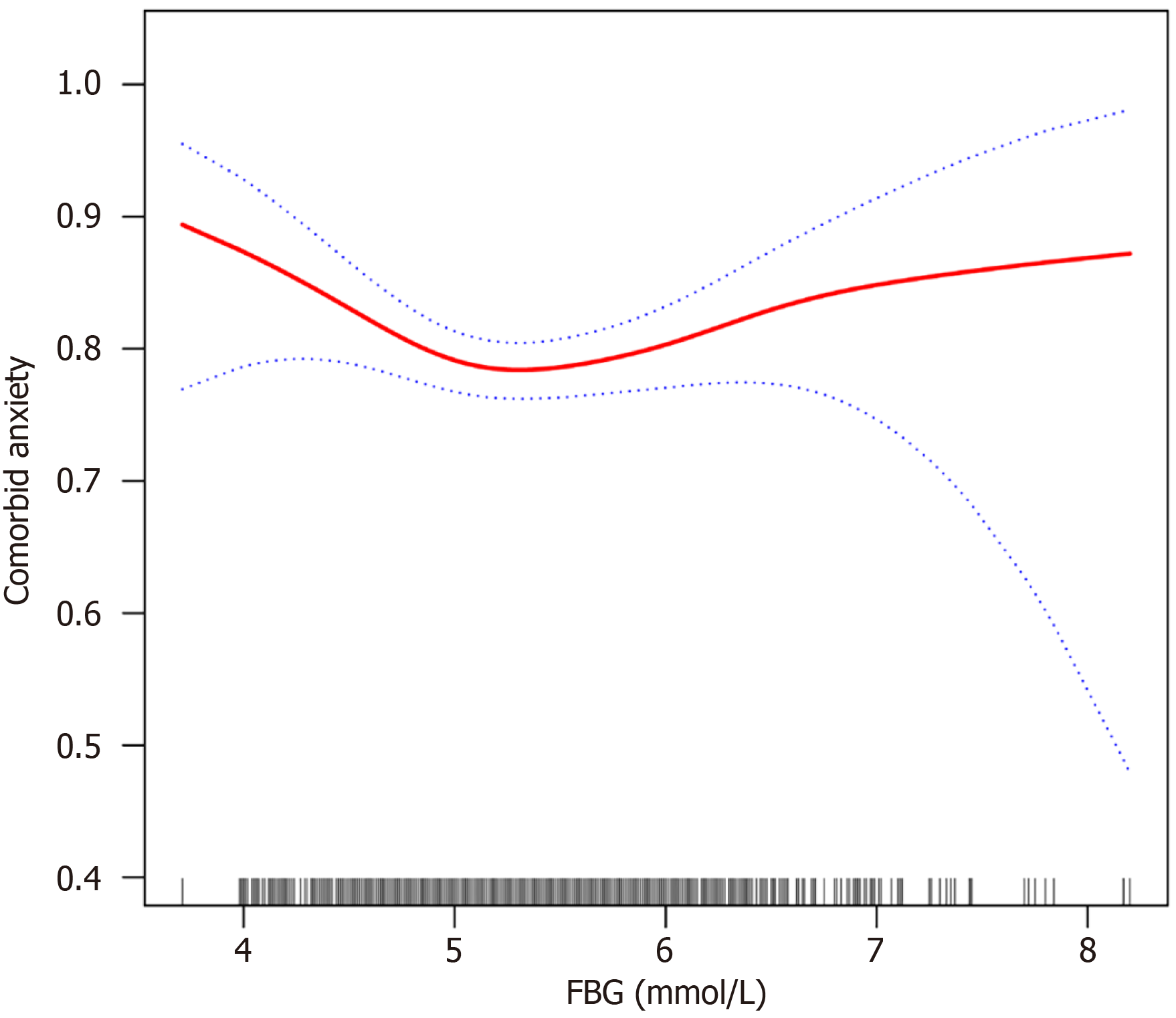
Figure 1 Association of fasting blood glucose levels with the likelihood of comorbid anxiety.
It was observed that fasting blood glucose levels were nonlinearly associated with the likelihood of comorbid anxiety after adjusting for gender, age, education, 17-item Hamilton Rating Scale for Depression, thyroglobulin antibody, thyroid-stimulating hormone, thyroid peroxidase antibody, total cholesterol, triglyceride, low-density lipoprotein cholesterol, diastolic and systolic blood pressures, suicide attempts as well as psychotic symptoms in patients with first-episode untreated major depressive disorder. FBG: Fasting blood glucose.
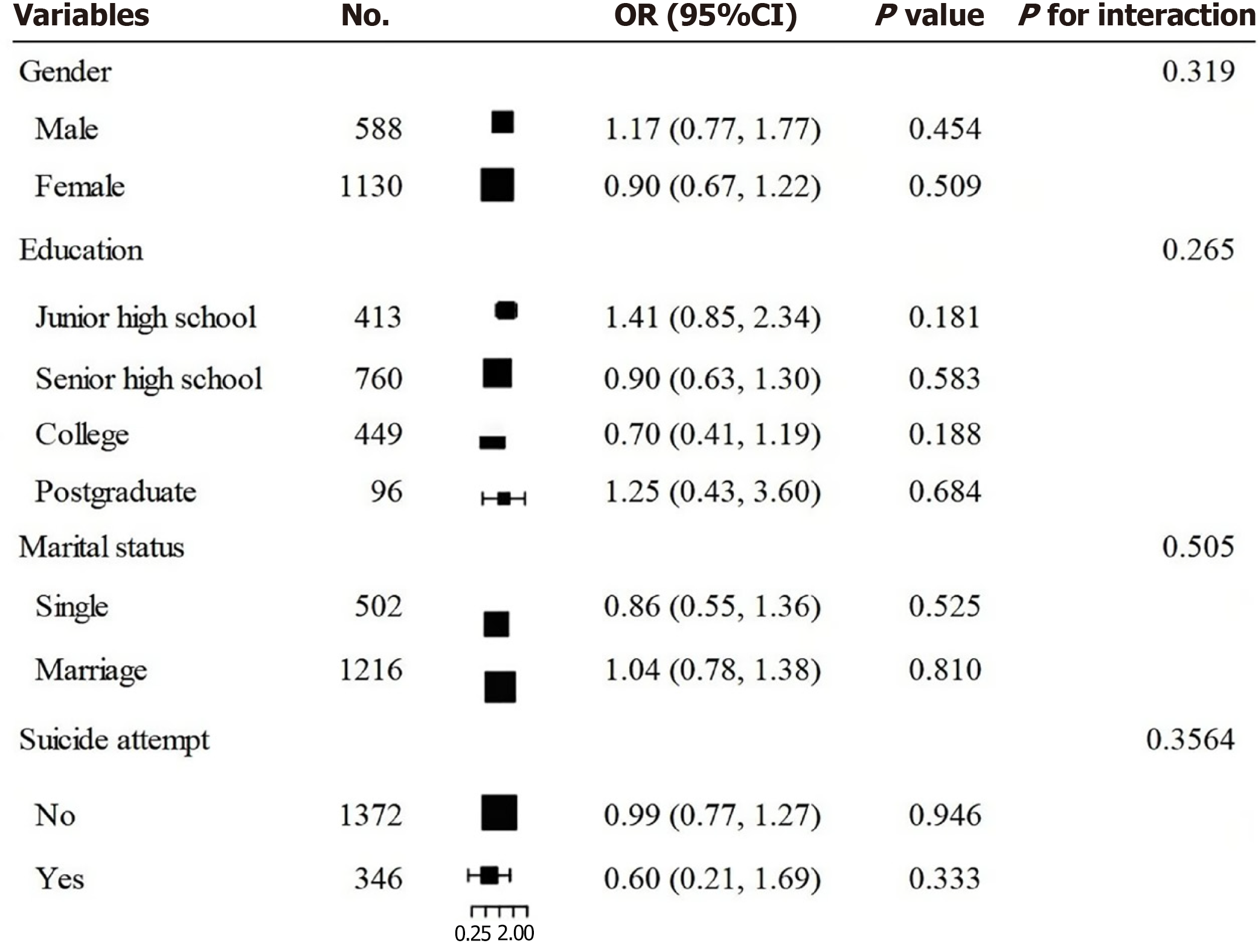
Figure 2 Subgroup analysis of the association between fasting blood glucose and comorbid anxiety.
The OR (95%CI) was derived from the logistic regression model (gender, age, education, Hamilton Rating Scale for Depression, thyroglobulin antibody, thyroid-stimulating hormone, thyroid peroxidase antibody, total cholesterol, triglyceride, low-density lipoprotein cholesterol, diastolic and systolic blood pressures, suicide attempts and psychotic symptom were adjusted).
- Citation: Yuan L, Liu JJ, Li Z, Zhu YZ, Ren W, Liu YZ, Zhao XL, Du XD, Zhang XY. L-shaped association between fasting blood glucose and comorbid anxiety in Chinese patients with first-episode untreated major depressive disorder. World J Psychiatry 2026; 16(2): 113063
- URL: https://www.wjgnet.com/2220-3206/full/v16/i2/113063.htm
- DOI: https://dx.doi.org/10.5498/wjp.v16.i2.113063