
















©The Author(s) 2025.
World J Psychiatry. Dec 19, 2025; 15(12): 113433
Published online Dec 19, 2025. doi: 10.5498/wjp.v15.i12.113433
Published online Dec 19, 2025. doi: 10.5498/wjp.v15.i12.113433
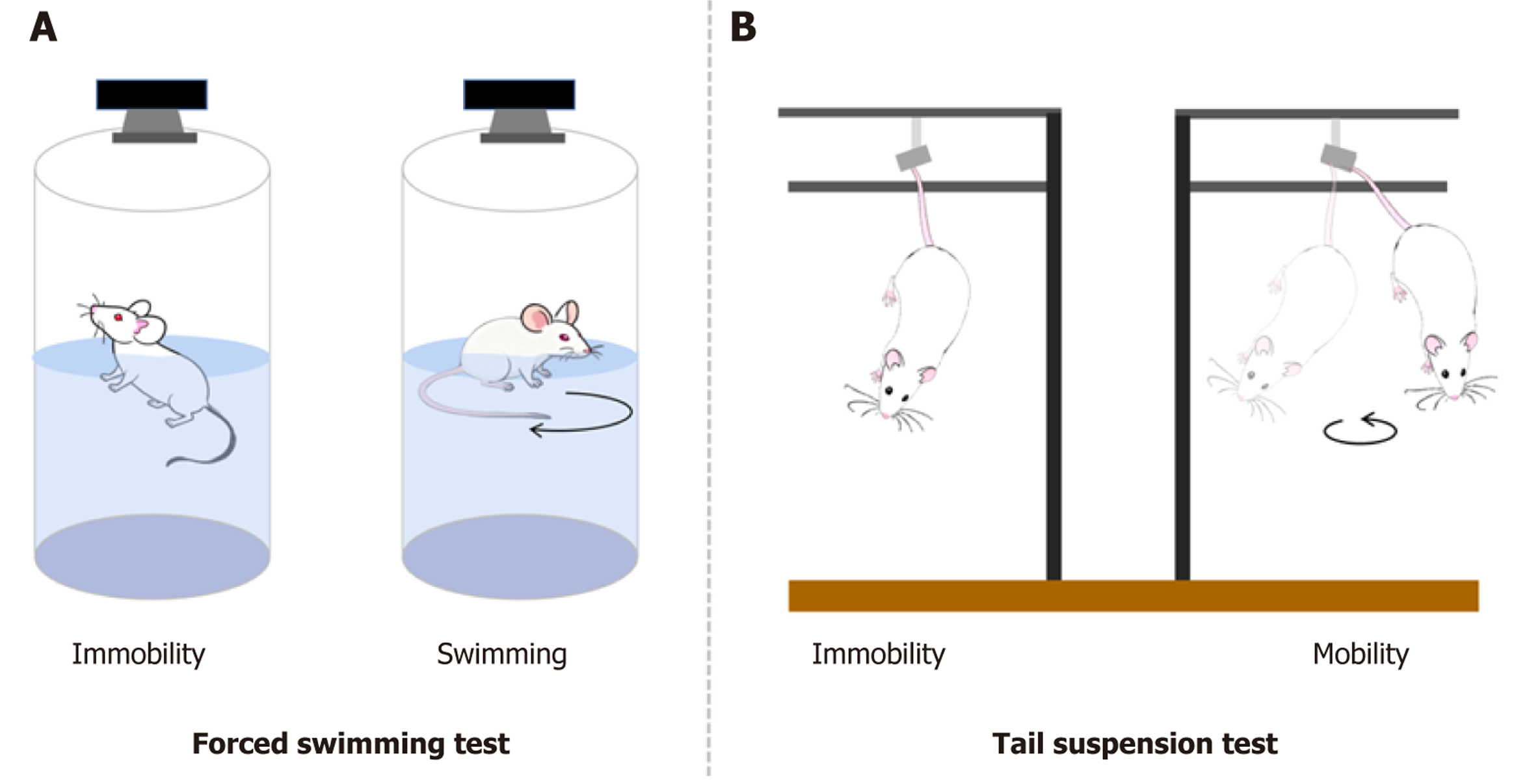
Figure 1 Behavioral despair model.
A: Forced swimming test. In the swim training scenario, the closed glass cylinder provides no escape route for the rat/mouse. Following multiple unsuccessful attempts to break free, the rodent eventually relinquishes the struggle and instead floats on the water’s surface, reflecting a state of desperation; B: Suspension test. The mouse tail suspension test involves hanging a rat upside down by its tail, which creates an abnormal posture. In response, the rat will exhibit struggling behaviors in an attempt to overcome this unfamiliar position. After numerous unsuccessful endeavors, the mice may display intermittent immobility, akin to a state of “behavioral desperation”.
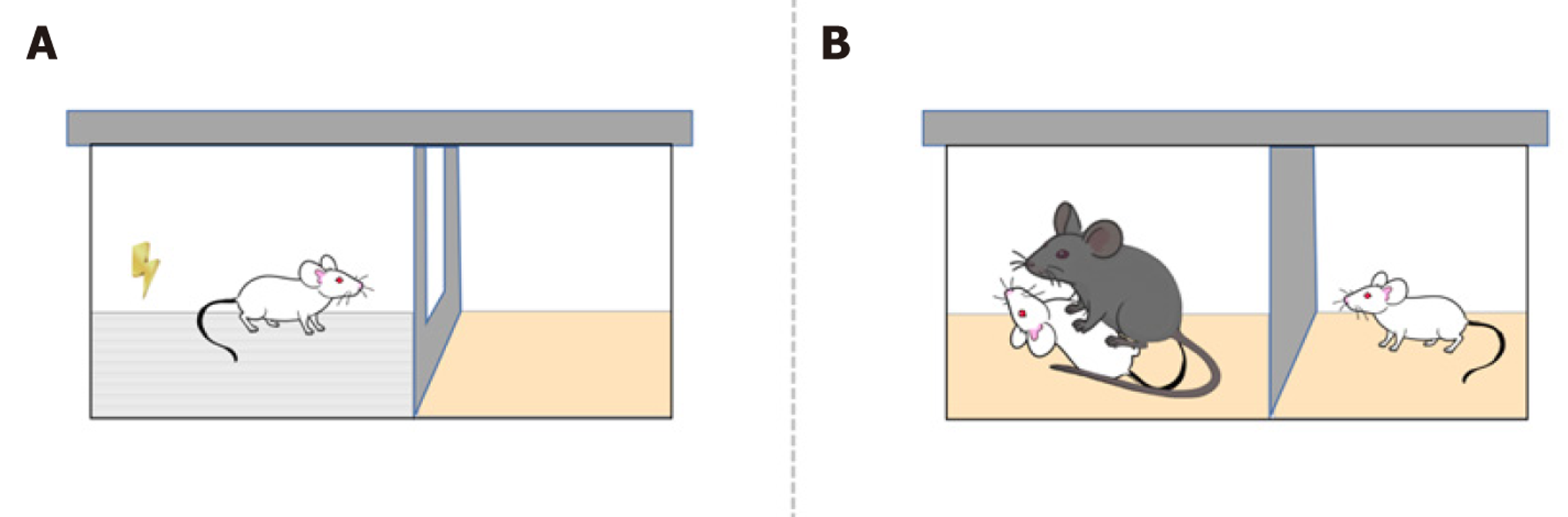
Figure 2 Learned helplessness model/social defeat stress model.
A: Learned helplessness model. This model involves subjecting experimental animals to prolonged periods of social isolation, where they are deprived of social interactions. This isolation can lead to intense frustration and induce a phenomenon called behavioral despair in the animals; B: Social defeat stress model. The resident-intruder test involves placing a male rodent into an environment where it encounters a dominant or older male rodent, leading to aggressive interactions. The invading rodent is typically attacked by the resident animal, creating a model that is commonly referred to as the resident-intruder test. This experimental setup can induce intense frustration and evoke a phenomenon known as behavioral despair in the intruder animal.
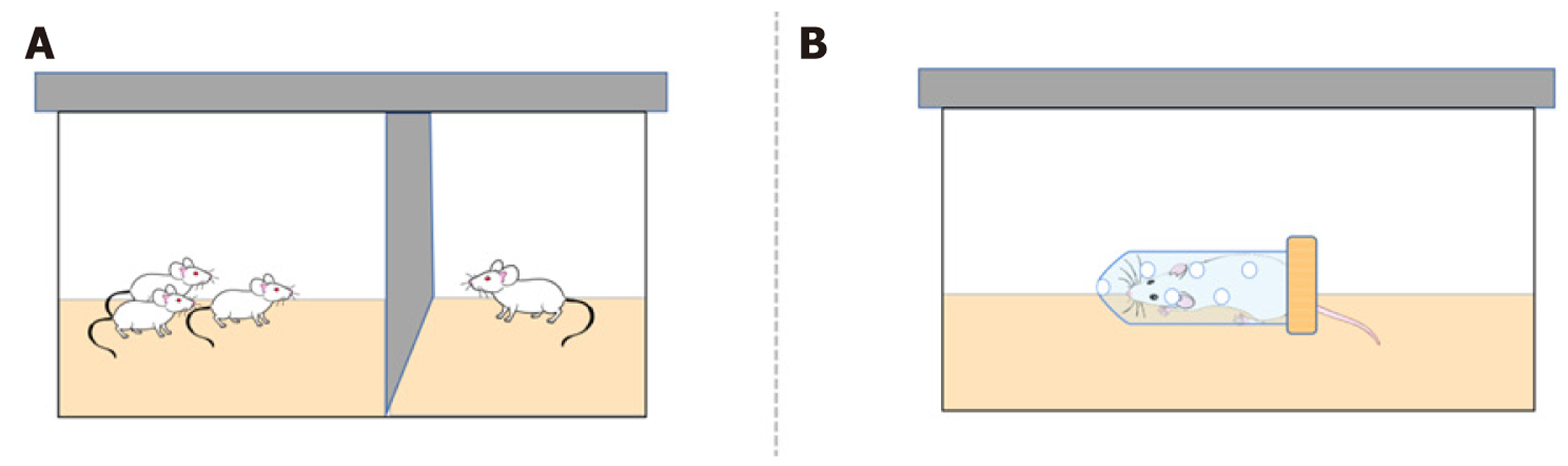
Figure 3 Chronic social isolation model/chronic restraint stress model.
A: Chronic social isolation model. This model involves subjecting experimental animals to long-term social isolation, depriving them of social interactions. This prolonged social isolation can lead to intense frustration and induce the animals to exhibit behavioral despair; B: Chronic restraint stress model. In this model, animals are chronically restrained, restricting their movements and limiting their normal behavioral expressions. This chronic restraint stress can also result in intense frustration and evoke behavioral despair in the animals.
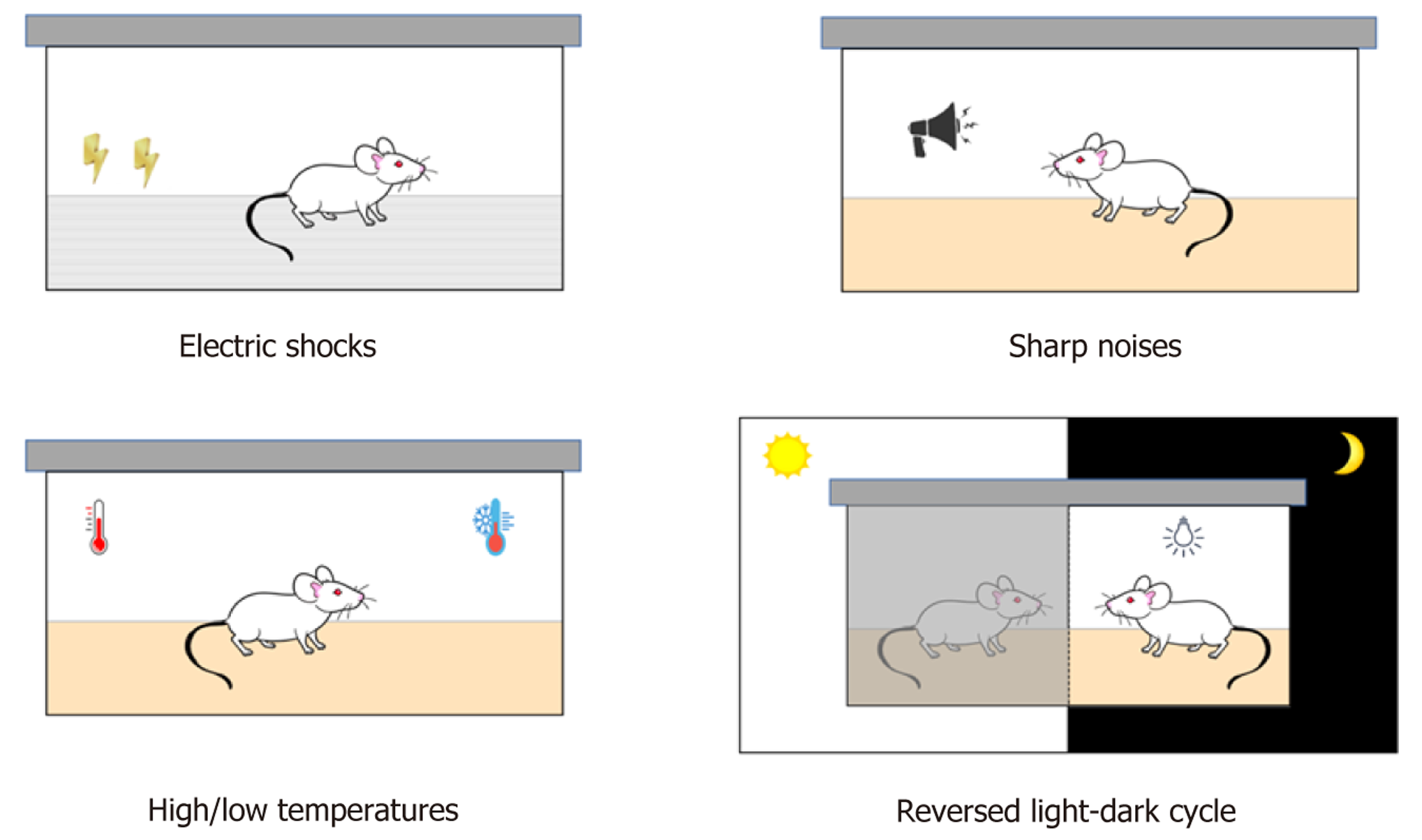
Figure 4 Chronic unpredictable stress model.
The chronic unpredictable stress model is a widely used model in animal research. In this model, animals are exposed to a series of unpredictable stressors, which may include noise, changes in lighting, and adverse temperatures. These stressors vary in time and intensity, simulating the unpredictable stressors that occur in real life.
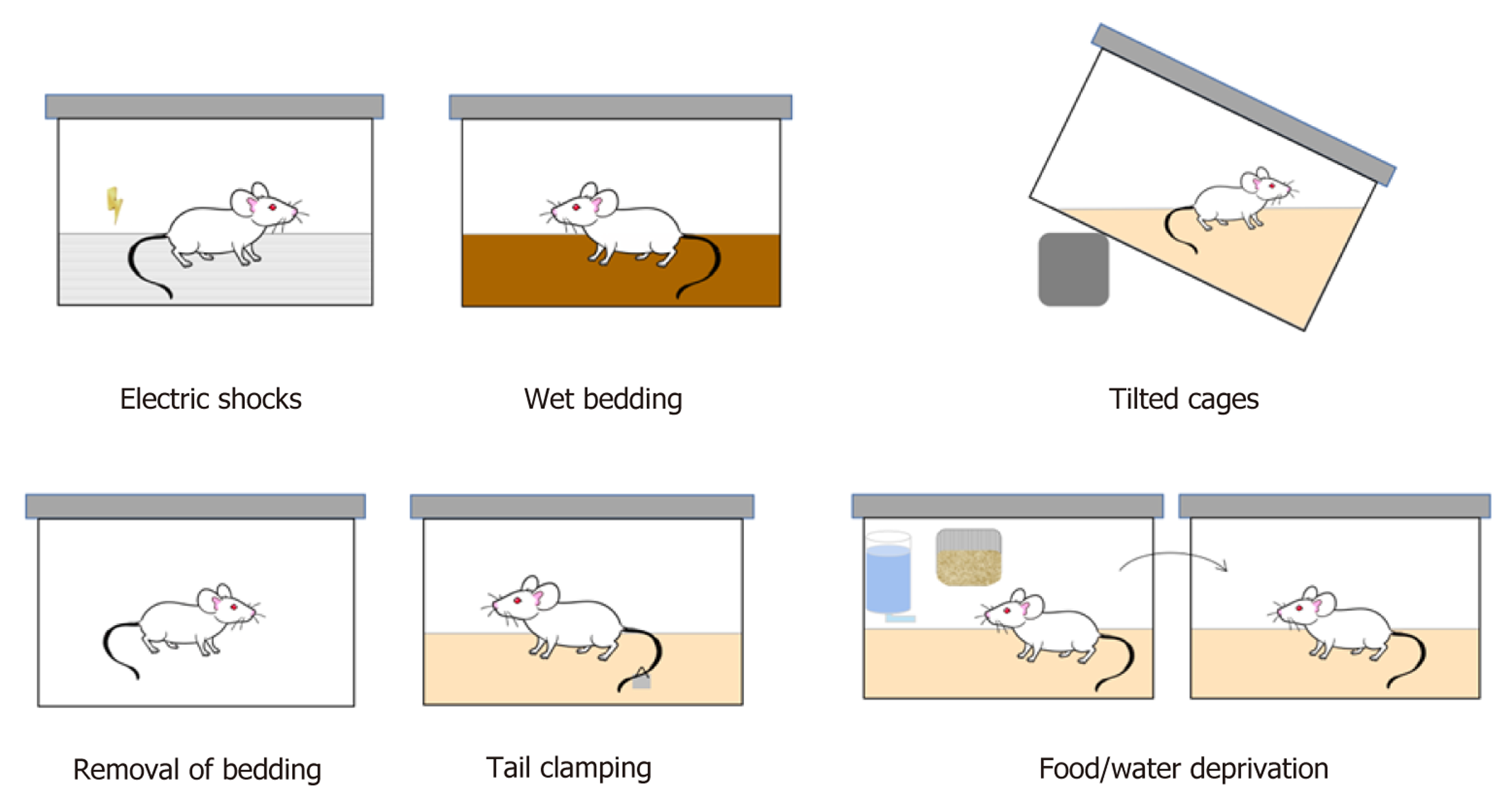
Figure 5 Chronic unpredictable mild stress model.
In this model, animals are continuously exposed to multiple mild stressors that may represent ongoing small challenges in daily life. These stressors may include short-term mild electric shocks, wetting of bedding, tilting cage position, removing bedding, tail clipping, fasting, or water deprivation. Compared to the chronic unpredictable stress model, the stressors in this model are milder and more difficult to predict.
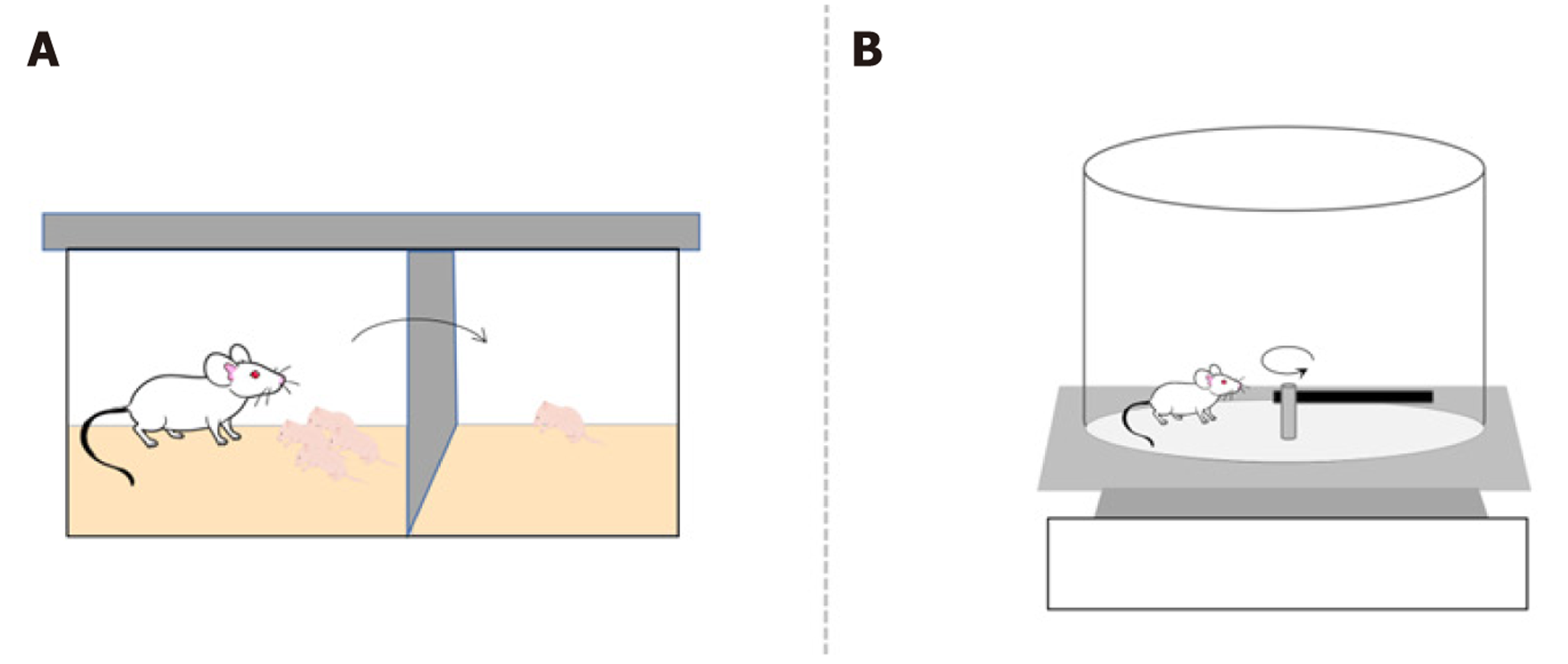
Figure 6 Maternal separation model/sleep interruption model.
A: Maternal separation model. The model involves separating the offspring from the mother for a certain period of time. This can be achieved by placing the offspring in a separate cage or exposing them to a different environment. The purpose of this model is to simulate the effects of maternal separation on the behavior, physiology, and development of the offspring and to study the impact of early environmental factors on the offspring; B: Sleep interruption model. The model, on the other hand, disrupts the normal sleep patterns of rodents. This can be done by periodically waking them up or exposing them to disruptive stimuli, preventing them from achieving deep and uninterrupted sleep. The objective of this model is to investigate the effects of sleep deprivation or sleep interruption on the health, cognition, and behavior of rodents.
- Citation: Lu XX, Tang H, Li XH. Selecting an appropriate stress model of depression in rodents. World J Psychiatry 2025; 15(12): 113433
- URL: https://www.wjgnet.com/2220-3206/full/v15/i12/113433.htm
- DOI: https://dx.doi.org/10.5498/wjp.v15.i12.113433