
















©The Author(s) 2025.
World J Exp Med. Dec 20, 2025; 15(4): 110936
Published online Dec 20, 2025. doi: 10.5493/wjem.v15.i4.110936
Published online Dec 20, 2025. doi: 10.5493/wjem.v15.i4.110936
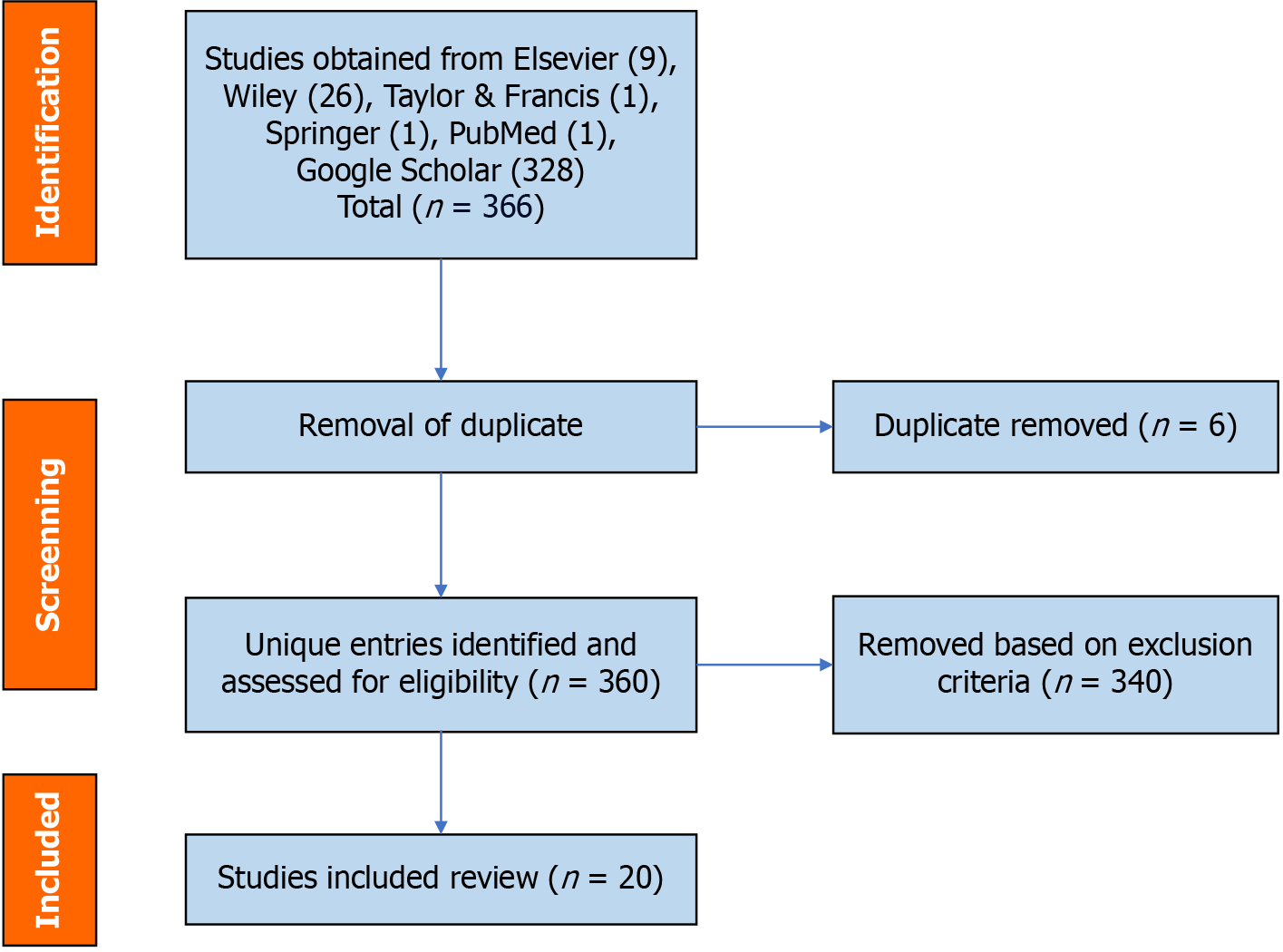
Figure 1
Flowchart of the literature selection process for hematidrosis studies: Identification, screening, and inclusion.
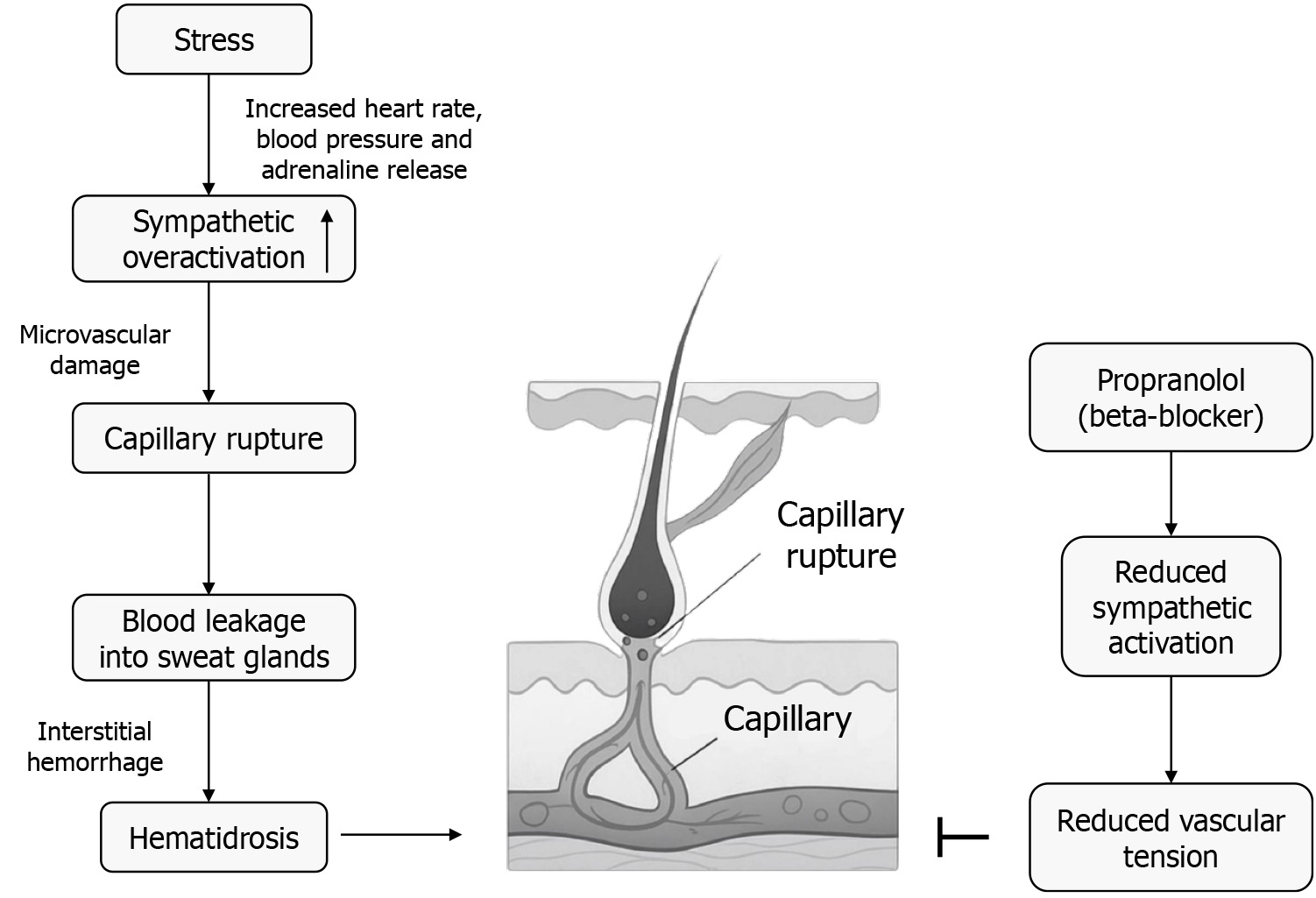
Figure 2 Proposed mechanism of action of propranolol in hematidrosis.
This illustration depicts the proposed mechanism by which propranolol mitigates hematidrosis. Stress triggers sympathetic overactivation, leading to increased heart rate, blood pressure, and adrenaline release. This heightened sympathetic response causes microvascular damage, resulting in capillary rupture and subsequent blood leakage into sweat glands via interstitial hemorrhage, ultimately manifesting as hematidrosis. Propranolol, a beta-blocker, reduces sympathetic activation and vascular tension, thereby preventing capillary rupture and reducing bleeding episodes.
- Citation: Palabiyik AA. Efficacy of beta-blockers in the treatment of hematidrosis: A systematic review. World J Exp Med 2025; 15(4): 110936
- URL: https://www.wjgnet.com/2220-315x/full/v15/i4/110936.htm
- DOI: https://dx.doi.org/10.5493/wjem.v15.i4.110936