
















©Author(s) (or their employer(s)) 2026.
World J Clin Pediatr. Mar 9, 2026; 15(1): 111030
Published online Mar 9, 2026. doi: 10.5409/wjcp.v15.i1.111030
Published online Mar 9, 2026. doi: 10.5409/wjcp.v15.i1.111030
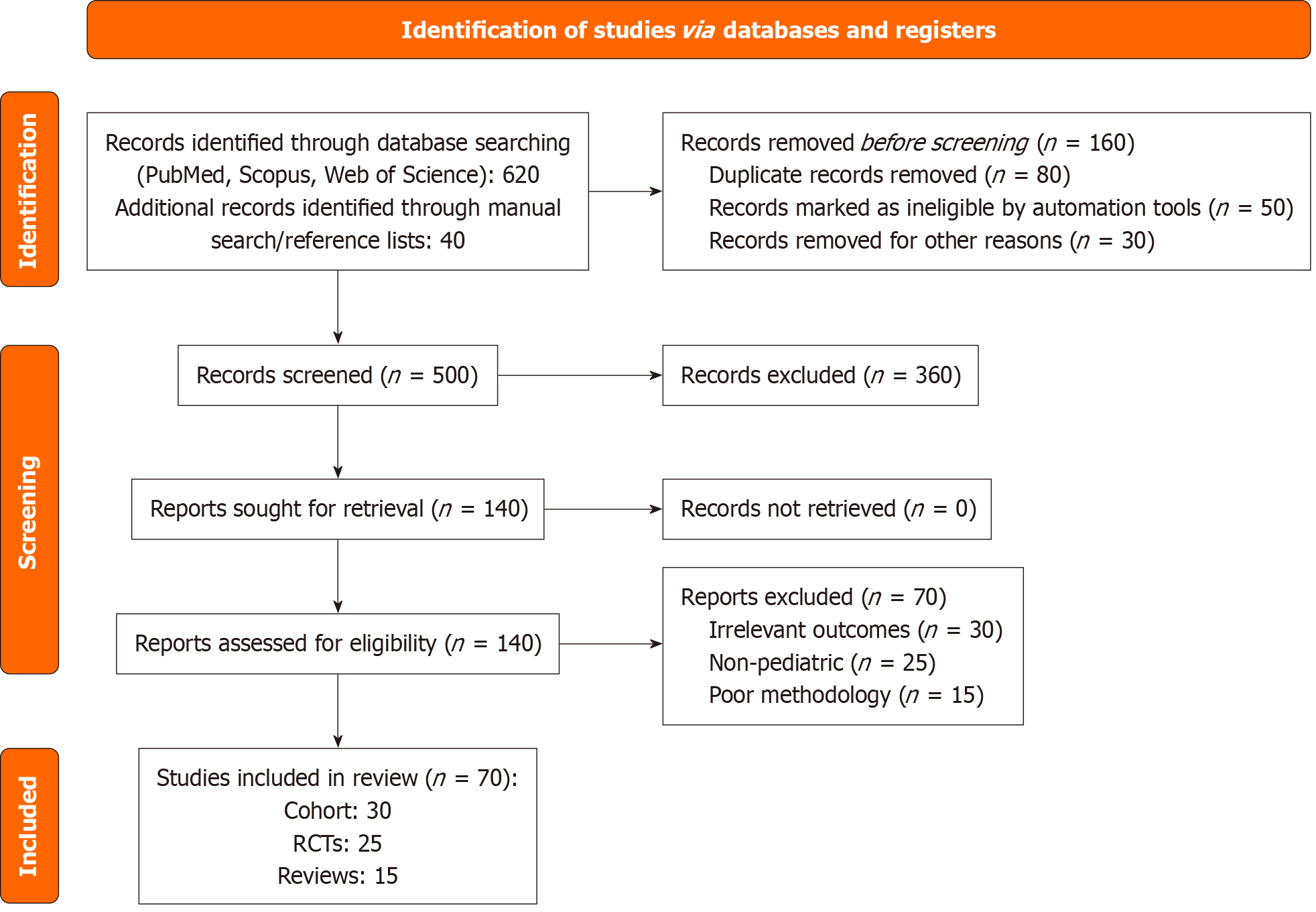
Figure 1 Preferred Reporting Items for Systematic Reviews and Meta-Analyses flowchart of the literature selection process.
RCT: Randomized controlled trial.
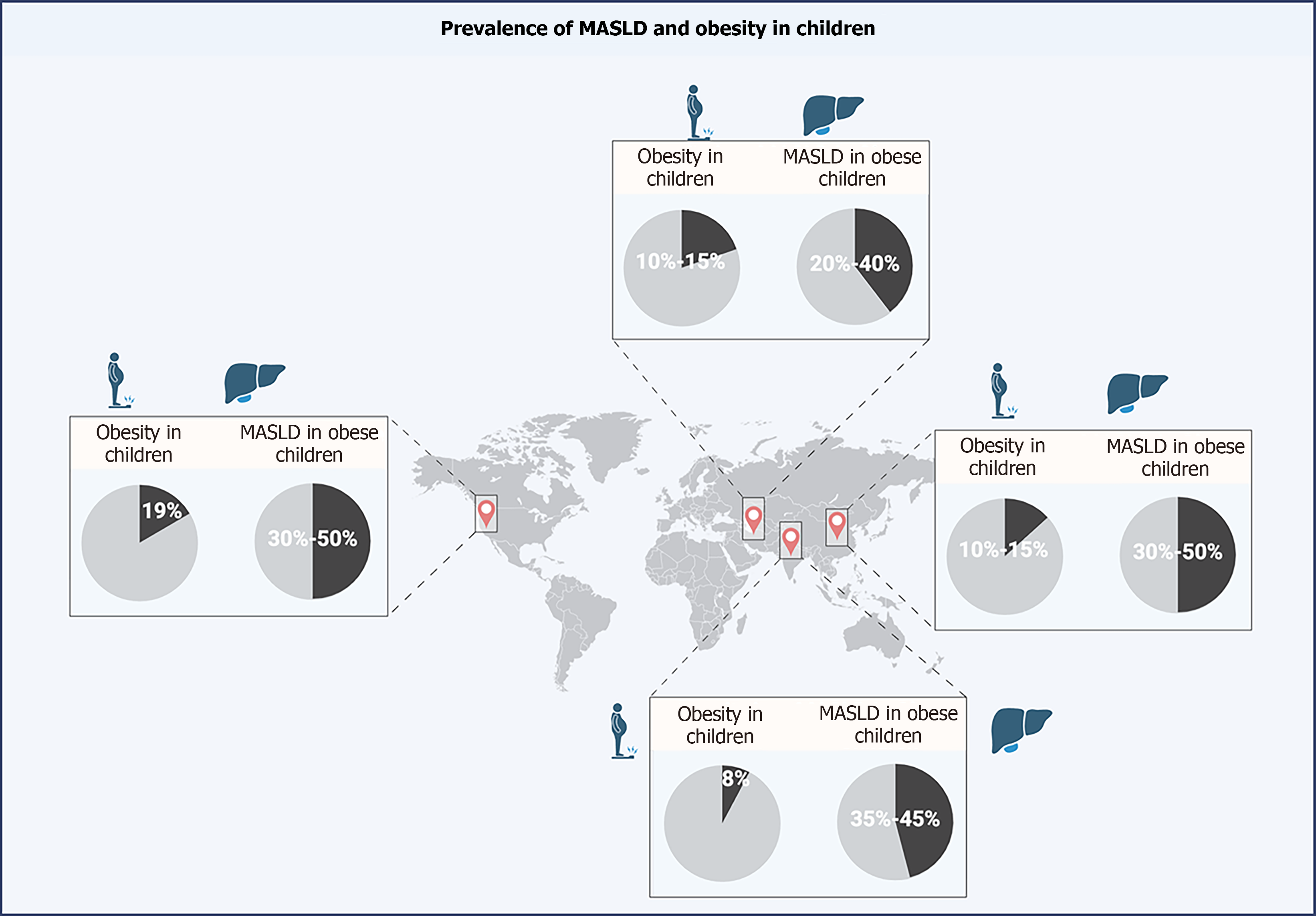
Figure 2 Global and regional prevalence of childhood obesity and metabolic dysfunction-associated steatotic liver disease.
MASLD: Metabolic dysfunction-associated steatotic liver disease.
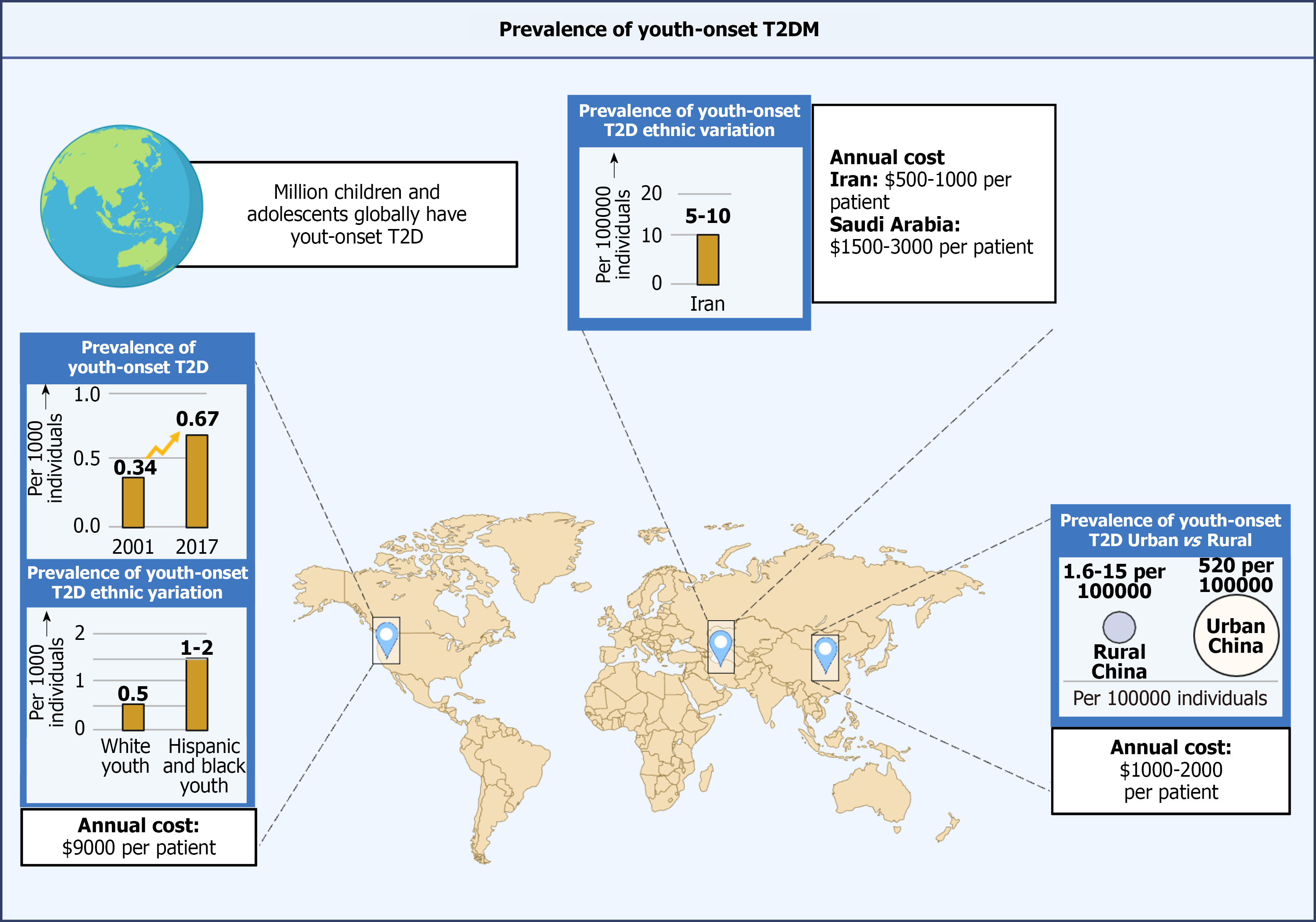
Figure 3 Rising global trends in adolescent obesity and its contribution to the increasing prevalence of youth-onset type 2 diabetes.
T2D: Type 2 diabetes; T2DM: Type 2 diabetes mellitus.
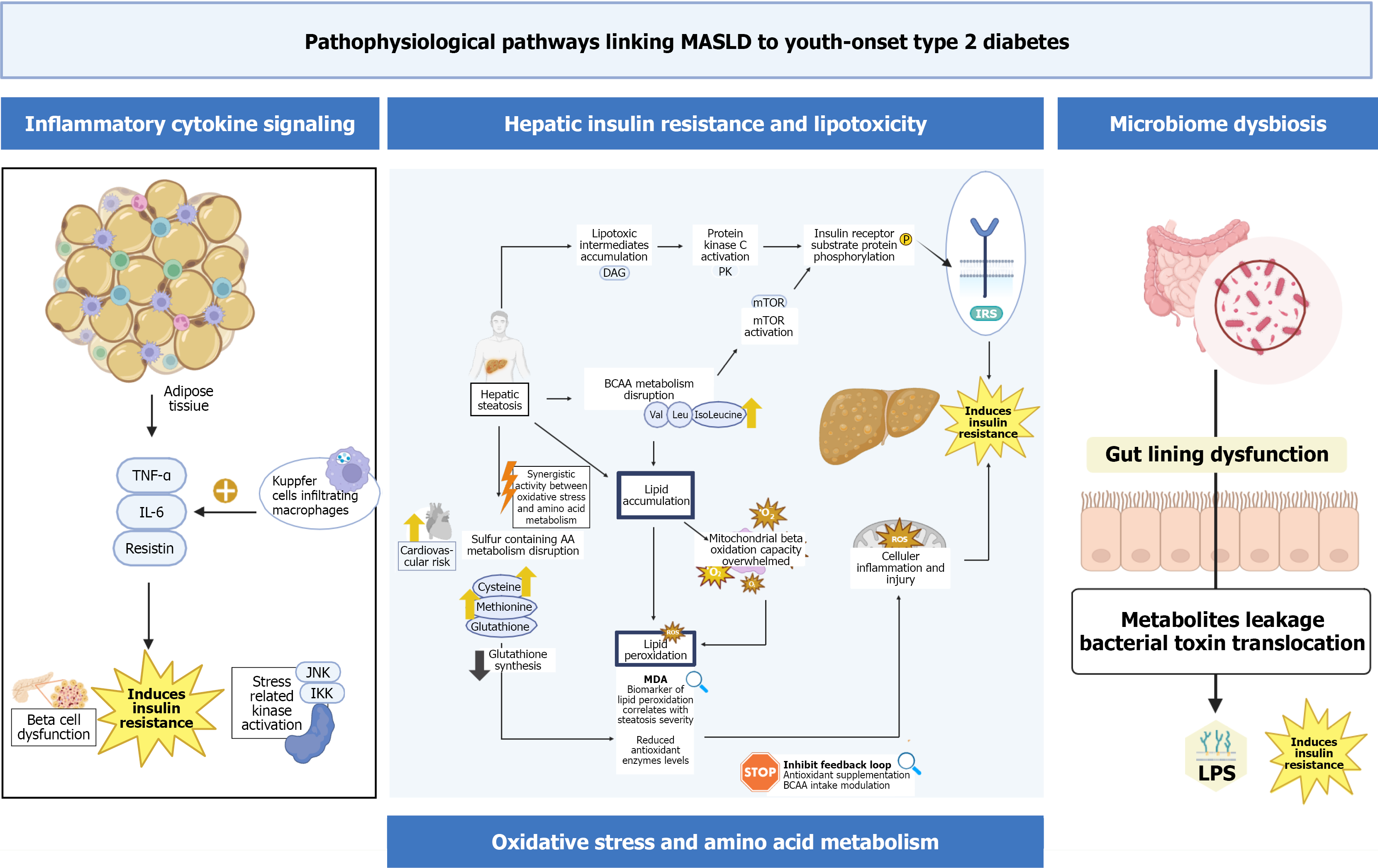
Figure 4 Pathophysiological mechanisms underlying metabolic dysfunction-associated steatotic liver disease and youth-onset type 2 diabetes in pediatric populations.
BCAA: Branched-chain amino acid; DAG: Diacylglycerol; IKK: IκB kinase; IL-6: Interleukin-6; IRS: Insulin receptor substrate; JNK: C-Jun N-terminal kinase; LPS: Lipopolysaccharide; MASLD: Metabolic dysfunction-associated steatotic liver disease; MDA: Malondialdehyde; mTOR: Mechanistic target of rapamycin; PK: Protein kinase; ROS: Reactive oxygen species; TNF-α: Tumor necrosis factor-alpha.
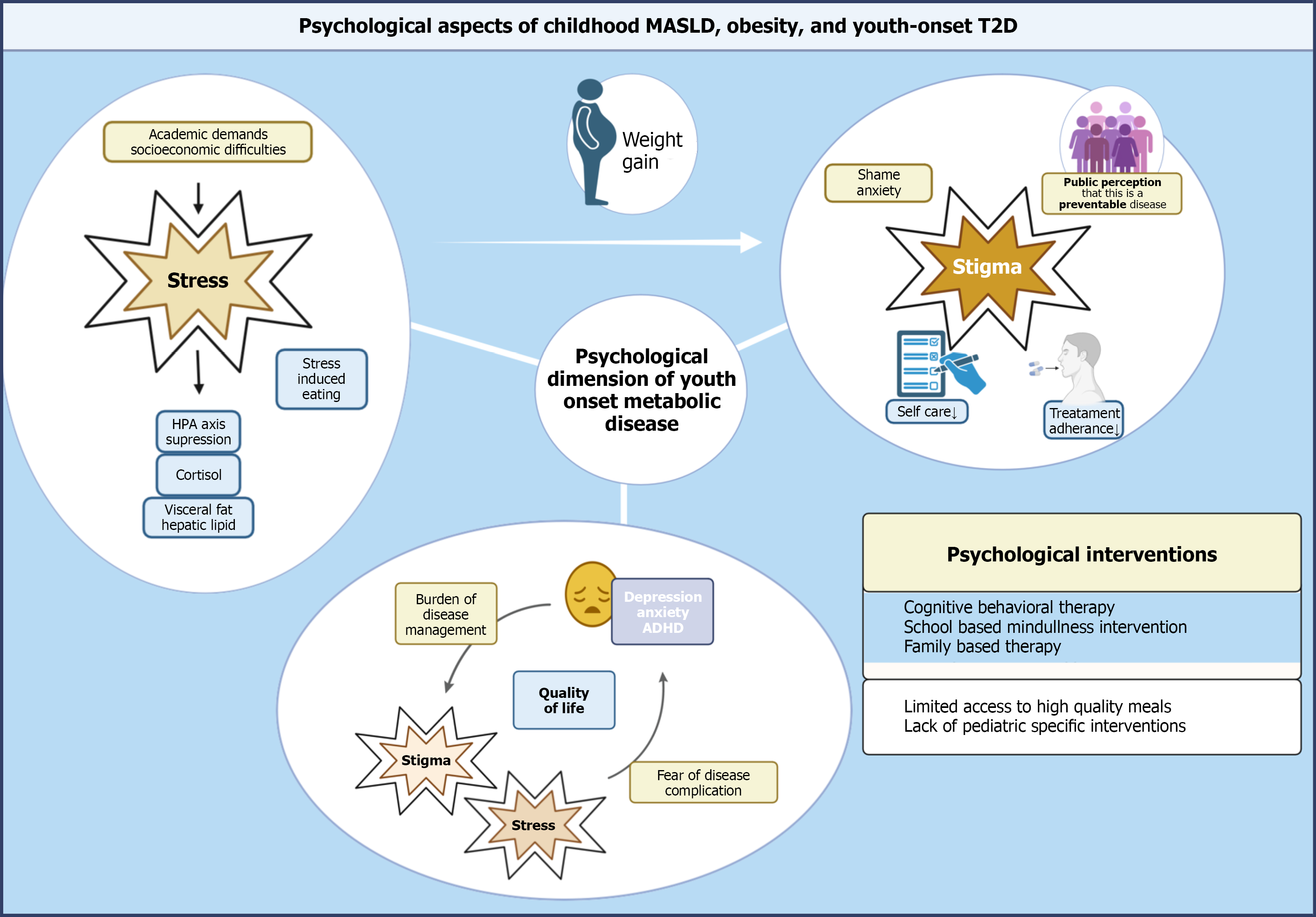
Figure 5 Psychological factors influencing childhood metabolic dysfunction-associated steatotic liver disease, obesity, and youth-onset type 2 diabetes.
T2D: Type 2 diabetes; MASLD: Metabolic dysfunction-associated steatotic liver disease; ADHD: Attention deficit hyperactivity disorder; ↓: Reduce.
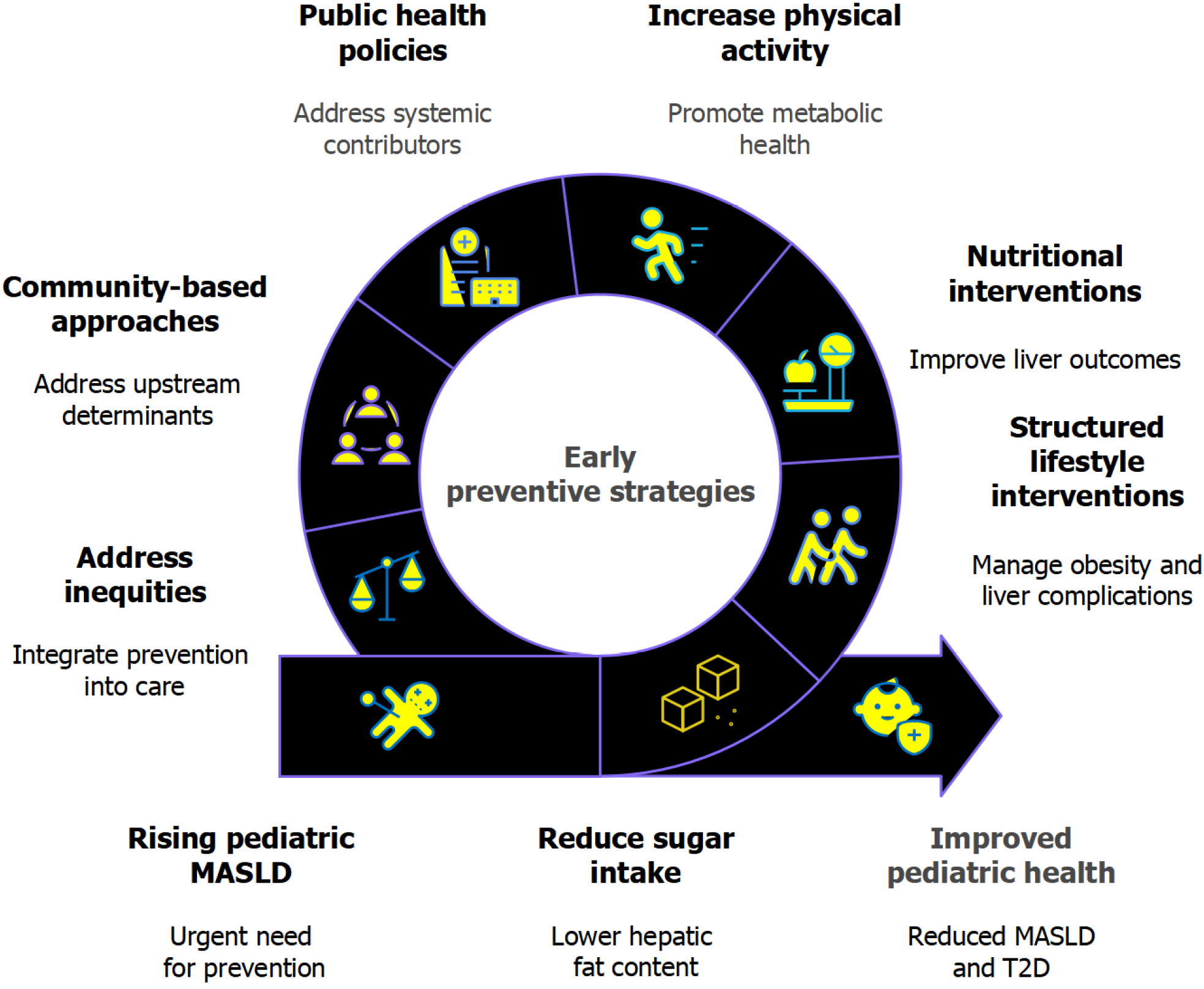
Figure 6 Preventive strategies for pediatric metabolic dysfunction-associated steatotic liver disease and youth-onset type 2 diabetes.
MASLD: Metabolic dysfunction-associated steatotic liver disease; T2D: Type 2 diabetes.
- Citation: Parizad R, Hatwal J, Brar AS, Alizadeh L, Goyal MK, Batta A, Mohan B. Interplay of childhood metabolic dysfunction-associated steatotic liver disease and obesity in the development of youth-onset type 2 diabetes. World J Clin Pediatr 2026; 15(1): 111030
- URL: https://www.wjgnet.com/2219-2808/full/v15/i1/111030.htm
- DOI: https://dx.doi.org/10.5409/wjcp.v15.i1.111030