
















Copyright: ©Author(s) 2026.
World J Orthop. Apr 18, 2026; 17(4): 115663
Published online Apr 18, 2026. doi: 10.5312/wjo.v17.i4.115663
Published online Apr 18, 2026. doi: 10.5312/wjo.v17.i4.115663
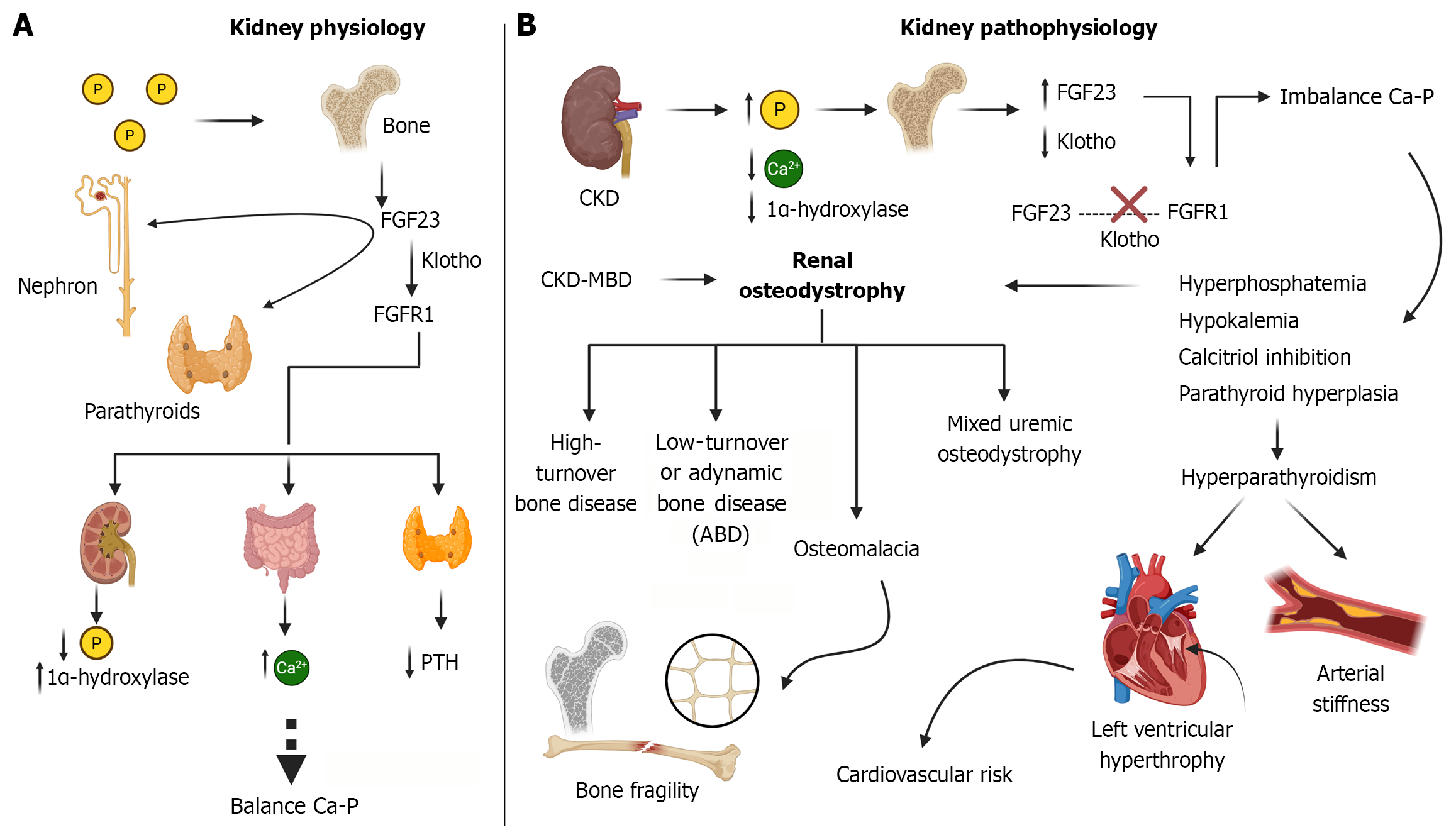
Figure 1 The figure illustrates both physiological and pathological kidney related conditions which influence bone-mineral metabolism.
The figure was created using BioRender (https://biorender.com). A: Under physiological conditions, increased phosphate stimulates the bone to secrete fibroblast growth factor (FGFR)-23, which binds to the FGFR1 receptor with the assistance of the co-receptor klotho. This functional complex is primarily expressed in the distal convoluted tubule and parathyroid glands, where it regulates calcium and phosphate homeostasis; B: In chronic kidney disease, reduced kidney function causes hyperphosphatemia, hypocalcemia, klotho deficiency, and reduced calcitriol production, preventing proper FGF23-receptor binding. These alterations lead to parathyroid hyperplasia and secondary hyperparathyroidism, resulting in vascular calcifications and renal osteodystrophy characterized by increased bone fragility. FGFR: Fibroblast growth factor; PTH: Parathyroid hormone; CKD: Chronic kidney disease.
- Citation: Gembillo G, Sessa C, Visconti L, Corsonello A, Catalano A, Chinigò C, Silipigni S, Princiotto M, Gambuzza ME, Spadaro G, Morale W, Soraci L, Santoro D. Kidney-bone axis: Emerging paradigms in cross-talk between renal function and skeletal health. World J Orthop 2026; 17(4): 115663
- URL: https://www.wjgnet.com/2218-5836/full/v17/i4/115663.htm
- DOI: https://dx.doi.org/10.5312/wjo.v17.i4.115663