
















©The Author(s) 2026.
World J Orthop. Jan 18, 2026; 17(1): 112222
Published online Jan 18, 2026. doi: 10.5312/wjo.v17.i1.112222
Published online Jan 18, 2026. doi: 10.5312/wjo.v17.i1.112222
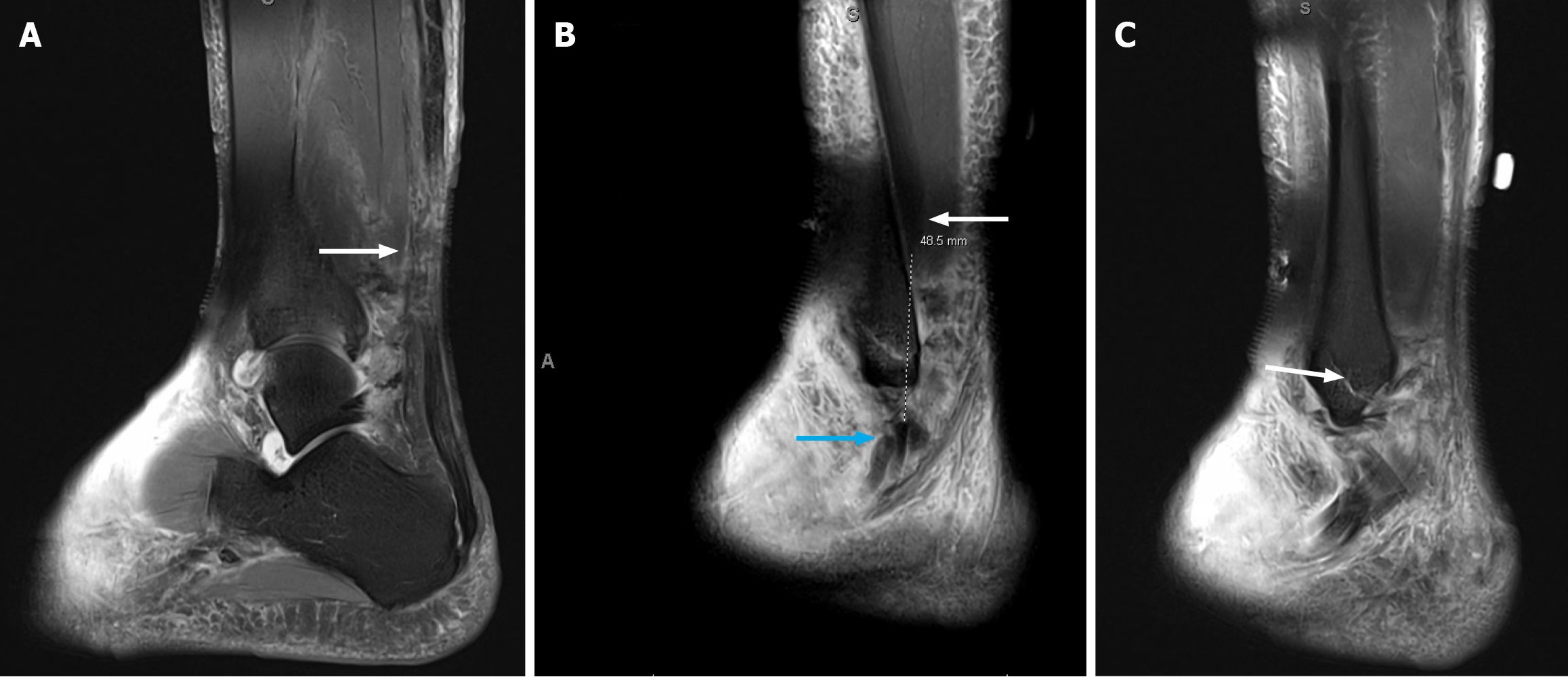
Figure 1 Sagittal spin-echo short inversion time inversion-recovery sequence magnetic resonance imaging of the ankle.
A: Image demonstrating mid substance Achilles rupture and adjacent soft tissue edema. White arrow indicates location of Achilles rupture; B: Image showing complete tears of the peroneus longus and brevis tendons, located just proximal to the lateral malleolus with approximately 5 cm of diastases between the tendon ends. Blue arrow demonstrates distal tendon stumps and white arrow demonstrates proximal tendon substance; C: Image of nondisplaced oblique distal fracture of the fibula. White arrow denotes the fracture.
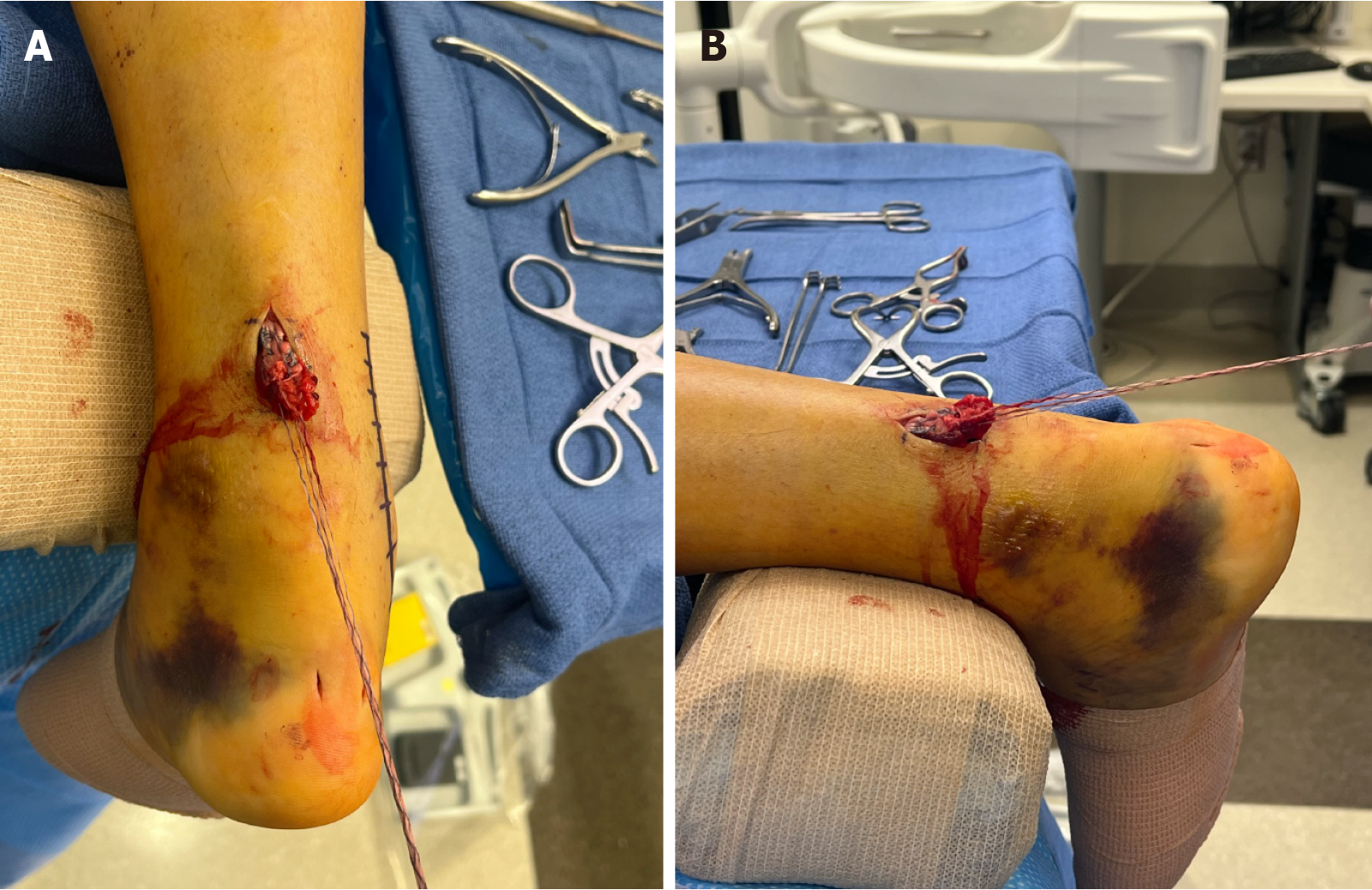
Figure 2 Intraoperative images showing the exposed Achilles tendon rupture.
A: Posterior view of initial longitudinal incision over the proximal aspect of the Achilles rupture demonstrating proximal tendon stump after debridement and secured with four suture core Kraków repair; B: Medial view of initial longitudinal incision over the proximal aspect of the Achilles rupture demonstrating proximal tendon stump after debridement and secured with four suture core Kraków repair.
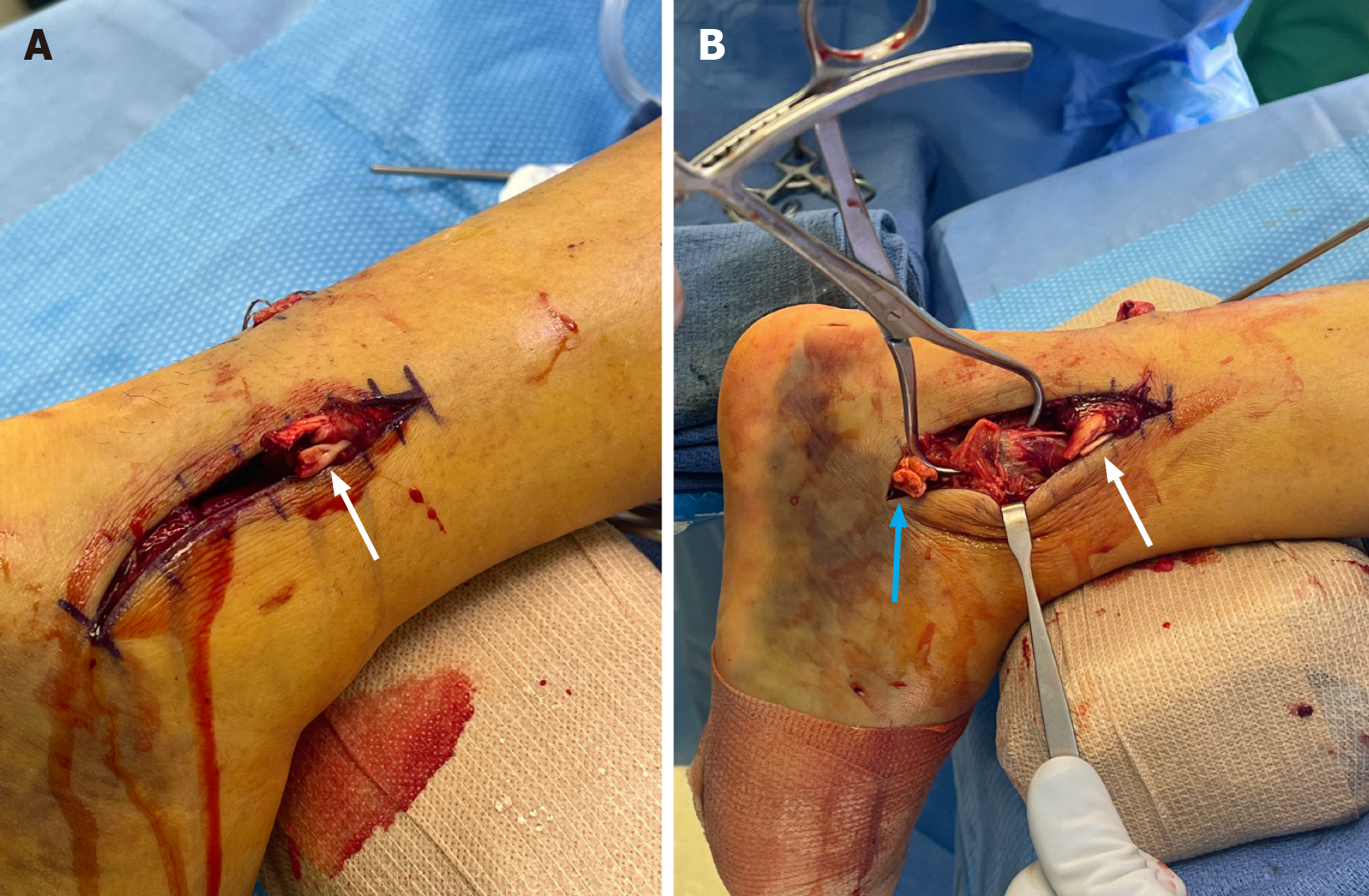
Figure 3 Intraoperative images showing the exposed peroneus tendon lacerations.
A: Posterior-lateral approach over the distal fibula demonstrates lacerations of both the peroneus longus and brevis tendons with proximal tendon stumps exposed. White arrow denotes peroneal tendon stumps; B: Posterior-lateral approach over the distal fibula demonstrates fracture reduced with Weber clamp. Both proximal and distal peroneal tendon stumps can be visualized. White arrow denotes proximal tendon stumps and blue arrow denotes distal stumps.
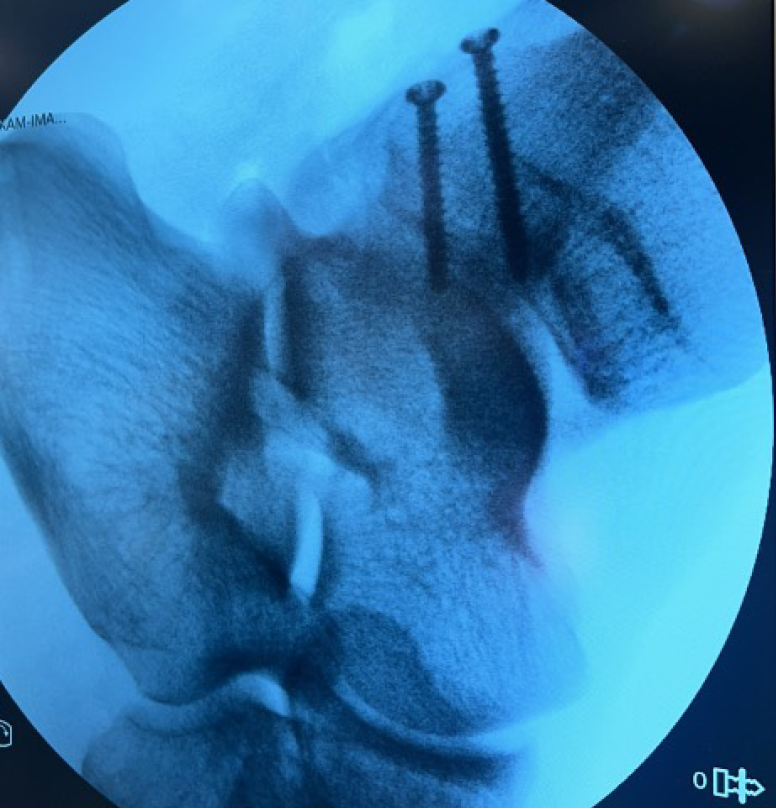
Figure 4 Intraoperative lateral fluoroscopic view of the ankle demonstrates distal fibula fracture reduced and fixated with two 3.
0 mm lag screws.
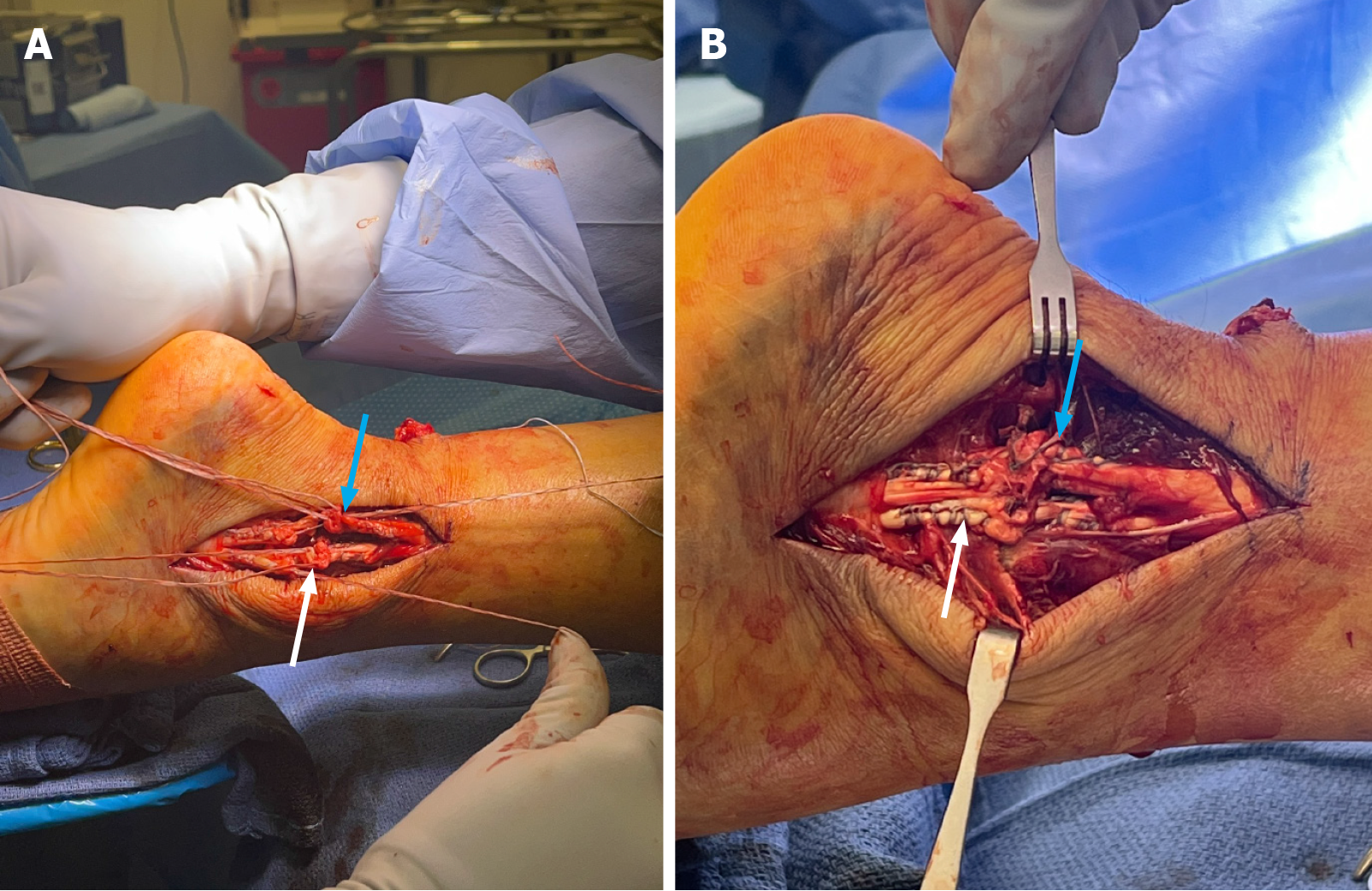
Figure 5 Intraoperative images showing repair of the peroneus longus and brevis tendons.
A: Lacerated peroneus longus (blue arrow) and brevis (white arrow) tendons secured proximally and distally with 2-suture core Kraków repair and manually reapproximated prior to repair; B: Repaired peroneus longus (blue arrow) and brevis (white arrow) tendons visualized from posterior lateral incision.
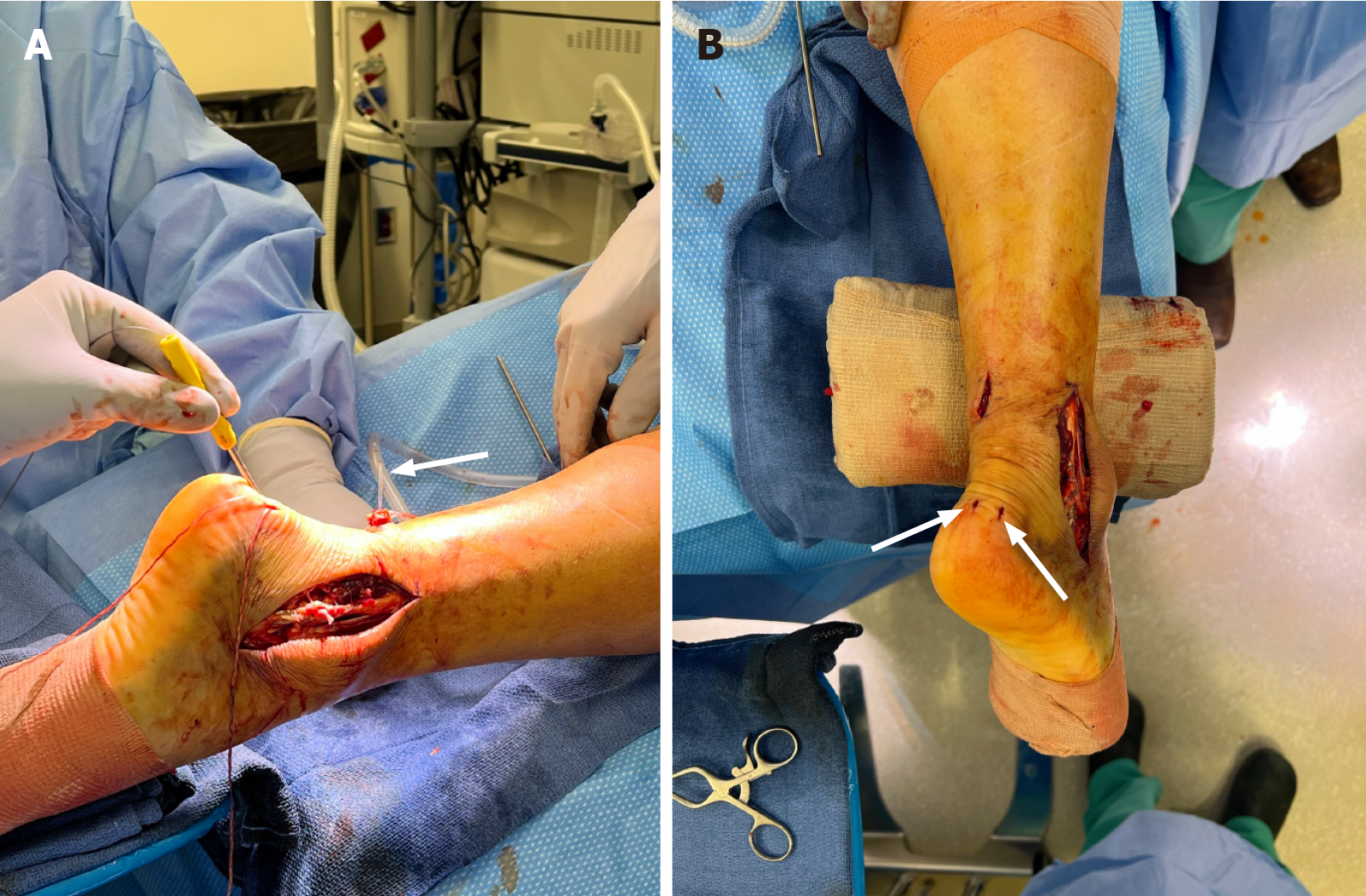
Figure 6 Intraoperative images showing repair of the Achilles tendon.
A: Looped suture passing device being utilized to shuttle sutures from proximal Achilles repair to distal calcaneal insertion site. White arrow indicates the end of the lop passed subcutaneously from distal to proximal for suture shuttling; B: Posterior view demonstrating restoration of Achilles tension after distal repair of the tendon through 4.0 mm anchors placed into the calcaneus at the Achilles insertion. Anchors were placed through small stab incisions distally (indicated by white arrows).
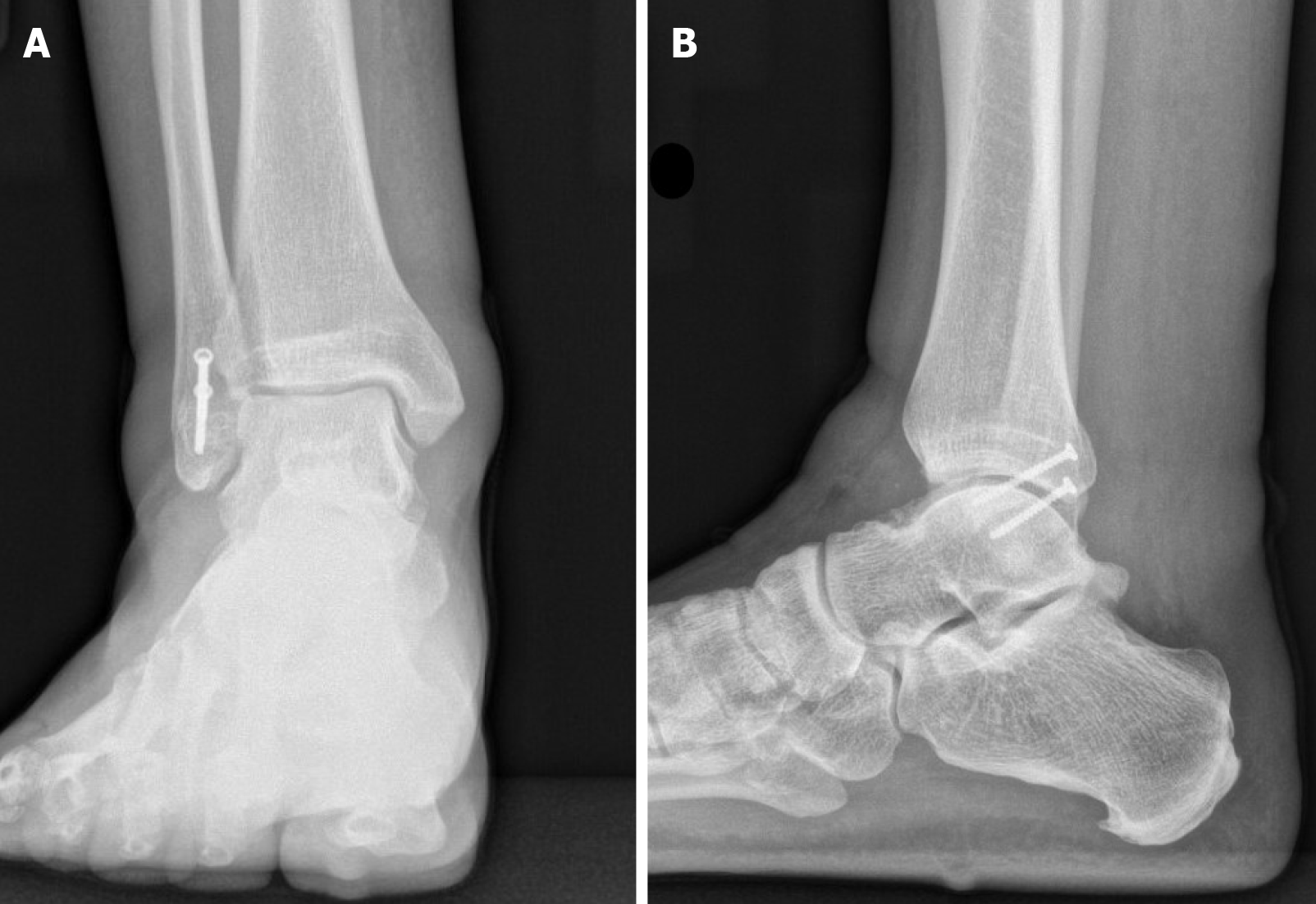
Figure 7 Weight bearing X-rays of the ankle demonstrating well healed distal fibula fracture.
A: Anterior-posterior; B: Lateral view.
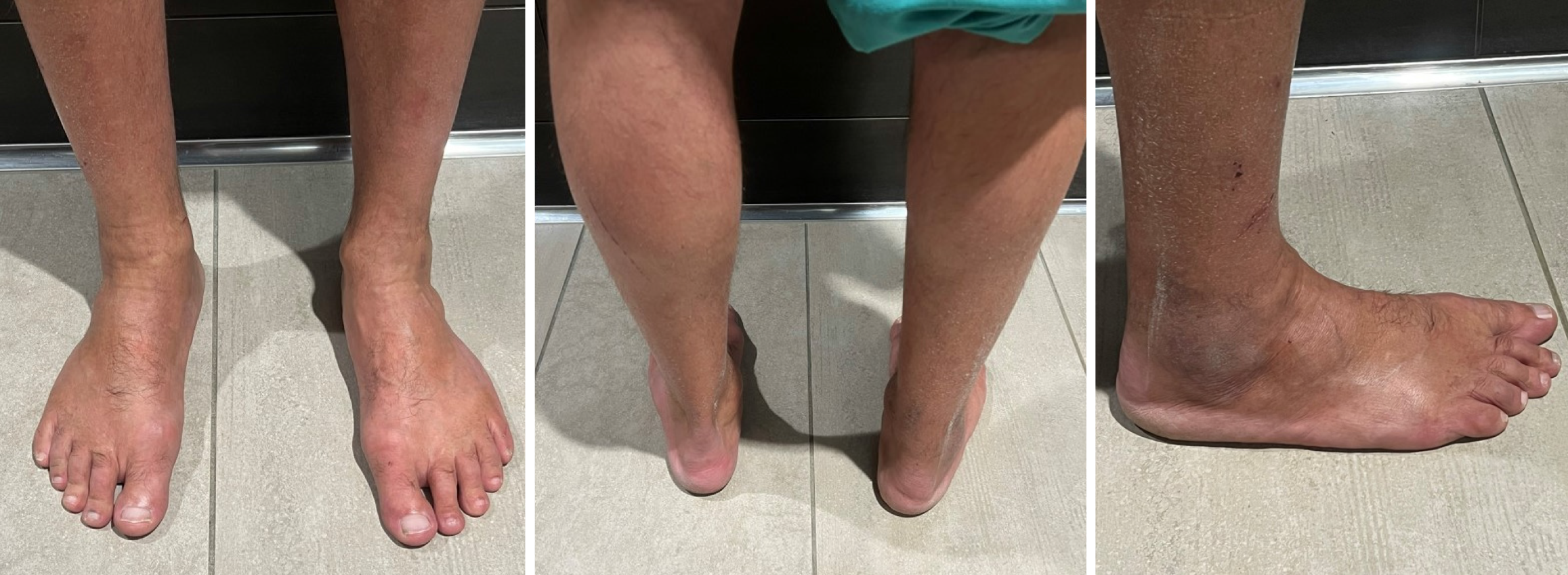
Figure 8 Clinical photos demonstrating complete wound healing and return of muscle tone at approximately 1.
5 years post-surgery.
- Citation: Vlasak A, Orear C, Sakryd G, Metzl J. Achilles, peroneus longus and brevis ruptures with lateral malleolus fracture: A case report and review of literature. World J Orthop 2026; 17(1): 112222
- URL: https://www.wjgnet.com/2218-5836/full/v17/i1/112222.htm
- DOI: https://dx.doi.org/10.5312/wjo.v17.i1.112222