
















©The Author(s) 2025.
World J Orthop. Dec 18, 2025; 16(12): 110992
Published online Dec 18, 2025. doi: 10.5312/wjo.v16.i12.110992
Published online Dec 18, 2025. doi: 10.5312/wjo.v16.i12.110992
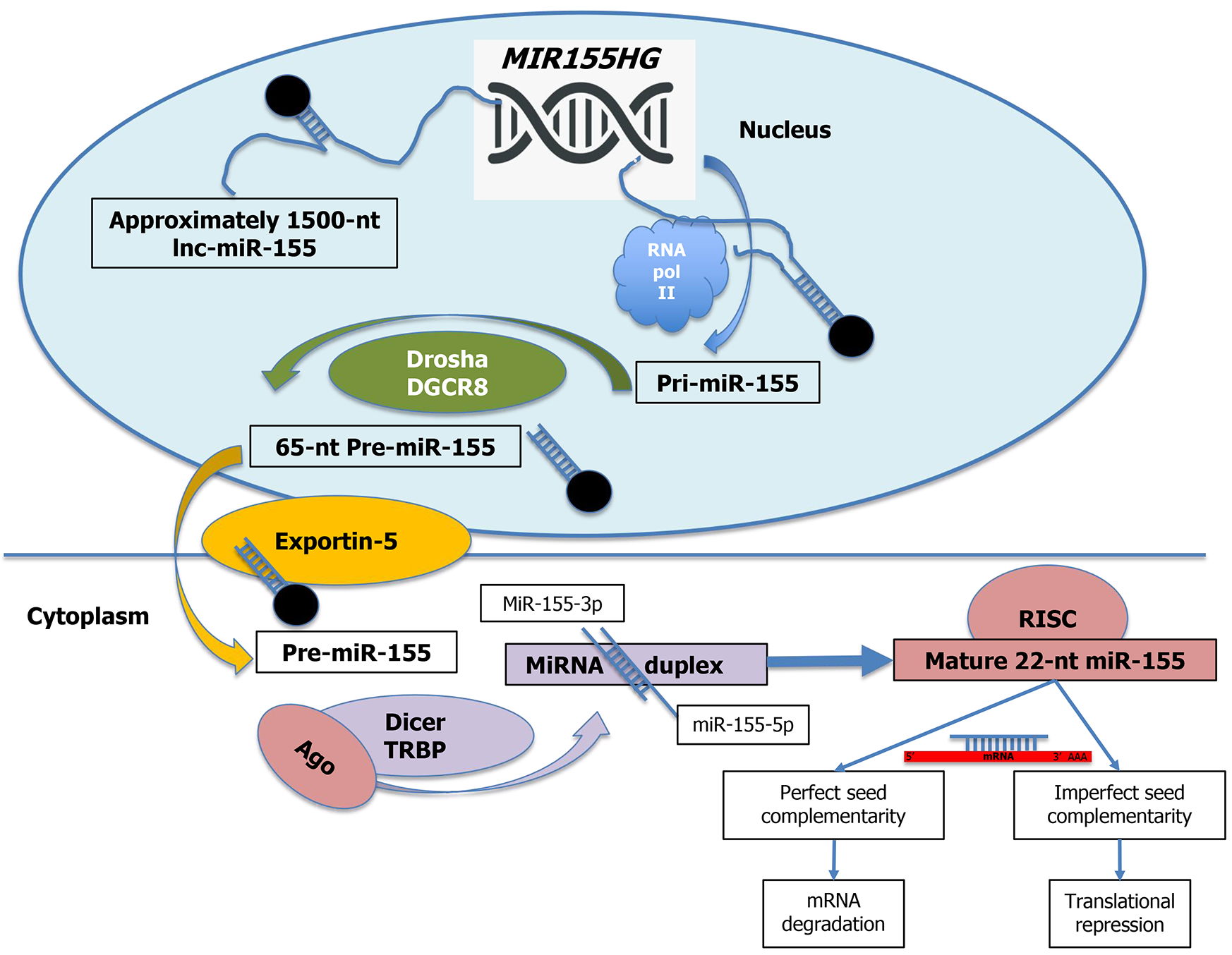
Figure 1 The regular microRNA biogenesis process.
Schematic representation of microRNA-155 (miR-155) biogenesis. MIR155HG is transcribed in the nucleus by an RNA polymerase II (RNA pol II) to a primary miR-155 (pri-miR-155). This pri-miR-155 will be processed further by the Drosha-DiGeorge syndrome critical region gene 8 (microprocessor) complex in the nucleus to produce a 65-nucleotide stem-loop precursor miRNA (pre-miR-155). Exportin-5 exports the pre-miR-155 from the nucleus to the cytoplasm where it will be processed by the RNase III enzyme, Dicer, resulting in RNA duplexes of 22 nucleotides, the miR-155-5p and miR-155-3p. After Dicer cleavage, an Argonaute protein binds short RNA duplexes to form the core of the RNA-induced silencing complex (RISC) that incorporates the mature miR-155. Once bound to RISC the guide strand is retained and functional while the other (passenger strand) is degraded. The RISC/guide strand-mature miR-155 complex can now seek and recognize its target messenger RNAs and bind to it/them through complementary base pairing interactions on their 3′-UTR and its seed region (nucleotides 2 to 8) on the 5’UTR leading to translational repression and/or degradation. MIR155HG also encodes a long noncoding RNA-155 involved in the regulation of antiviral innate immunity and can function as a competing endogenous miRNA sponging and downregulating other miRNAs. Ago: Argonaute; DGCR8: Drosha-DiGeorge syndrome critical region gene 8; lncRNA-155: Long noncoding RNA-155; miR-155: MicroRNA-155; mRNA: Messenger RNA; RISC: RNA-induced silencing complex; RNA pol II: RNA polymerase II; TRBP: The human immunodeficiency virus transactivating response RNA-binding protein.
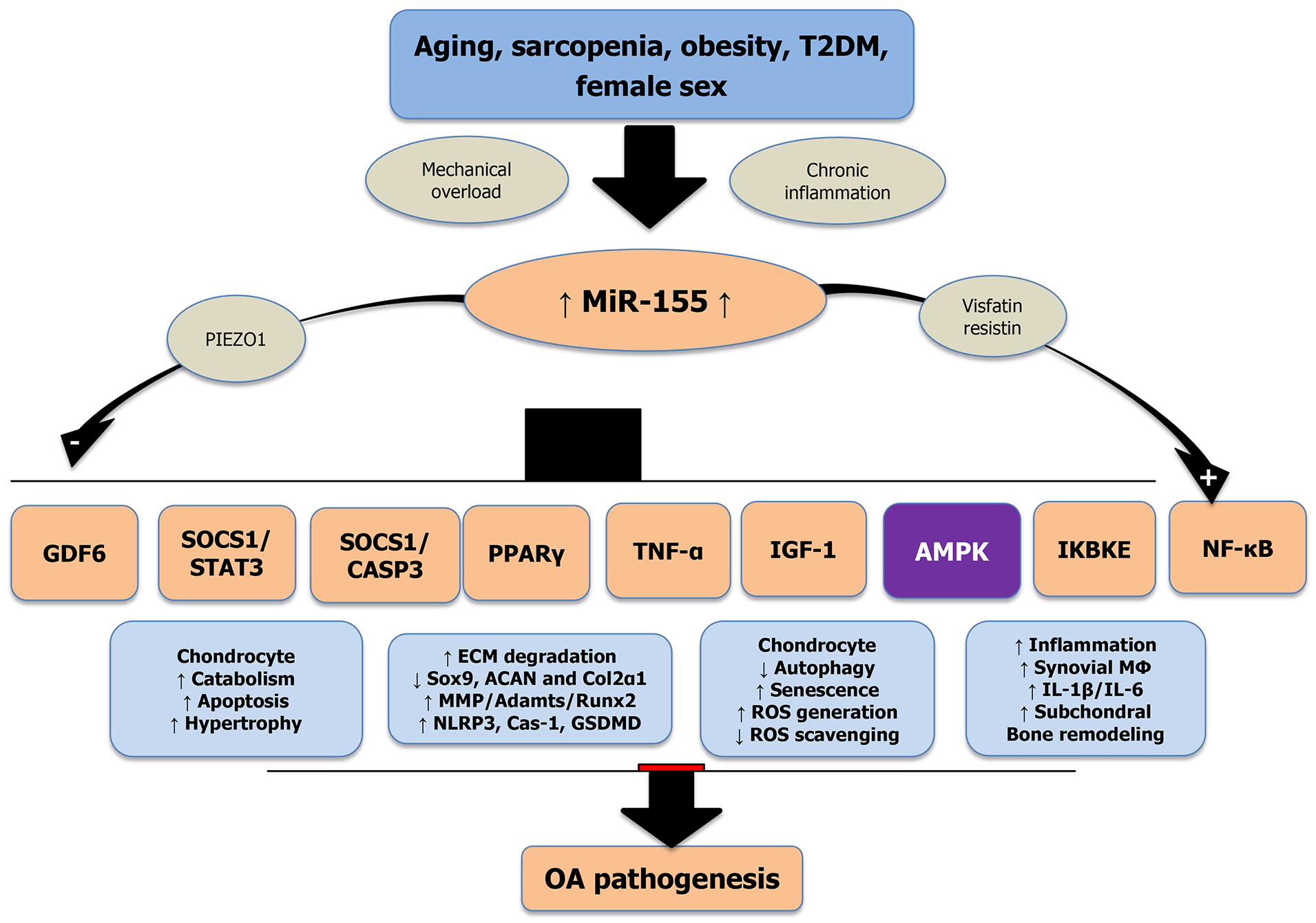
Figure 2 Risk factors in osteoarthritis.
Aging, obesity, sarcopenia, type 2 diabetes mellitus (T2DM), and female sex, all important risk factors in osteoarthritis (OA), promote microRNA-155 (miR-155) overexpression in OA through chronic inflammation and mechanical overload that through numerous gene repressions/modulations perpetuate an established global inflammatory state and promote a local articular proinflammatory milieu with elevated metalloproteinase (MMP), disintegrin and MMP with thrombospondin motif (Adamts), Runx2, NOD-like receptor family pyrin domain-containing 3, caspase-1 (Cas-1), Gasdermin D resulting in chondrocyte catabolism and apoptosis, increased chondrocyte senescence, reactive oxygen species generation, autophagy disruption, ultimately contributing to augmented extracellular matrix degradation. Increased miR-155/nuclear factor kappa-B signaling promotes interleukin (IL)-1β/IL-6 secretion, chondrocyte hypertrophy, synovial M1 macrophage recruitment initiating synovial inflammation and subchondral bone remodeling. Adipokines, visfatin and resistin, potentiate miR-155 expression and effects. Piezo-Type Mechanosensitive Ion Channel Component 1 mediates mechanoelectrical transduction of inflammatory responses in the chondrocyte and up-regulates miR-155. Gene functions and gene abbreviations can be found in Table 2. AMPK: Adenosine monophosphate-activated protein kinase; Cas-1: Caspase-1; CASP3: Caspase 3; ECM: Extracellular matrix; GDF6: Growth differentiation factor 6; GSDMD: Gasdermin D; IGF-1: Insulin-like growth factor 1; IKBKE: Inhibitor of nuclear factor kappa-B kinase subunit epsilon; IL: Interleukin; MiR-155: MicroRNA-155; MMP: Metalloproteinase; MΦ: M1 macrophage; NF-κB: Nuclear factor kappa-B; NLRP3: NOD-like receptor family pyrin domain-containing 3; OA: Osteoarthritis; PIEZO1: Piezo-Type Mechanosensitive Ion Channel Component 1; PPARγ: Peroxisome proliferator-activated receptor γ; ROS: Reactive oxygen species; Runx2: Runt-related transcription factor 2; SOCS1: Suppressor of cytokine signaling 1; Sox9: SRY-related HMG box 9; STAT3: Signal transducer and activator of transcription 3; TNF-α: Tumour necrosis factor-alpha; T2DM: Type 2 diabetes mellitus; ↓: Decline; ↑: Increase.
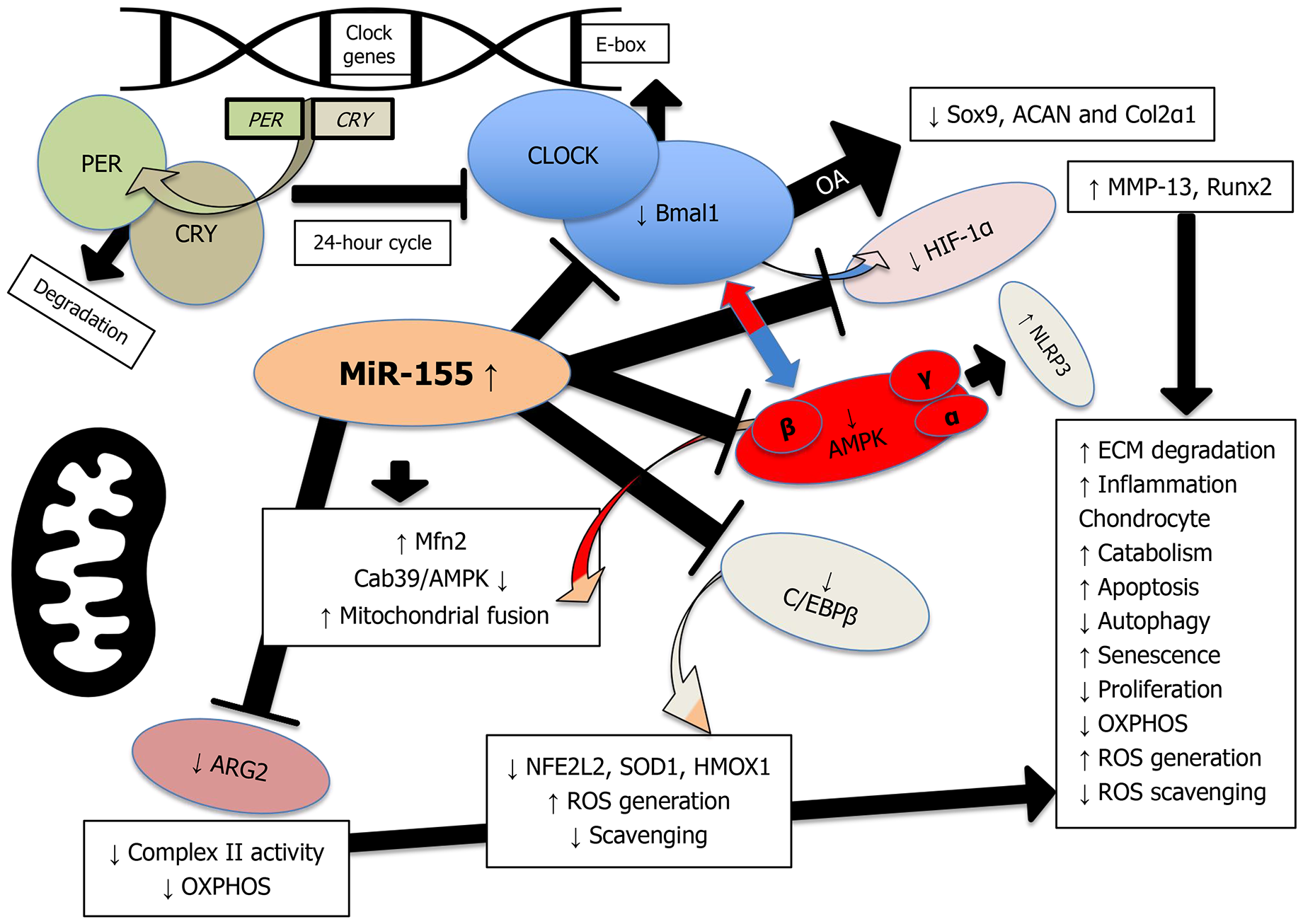
Figure 3 Schematic representation of microRNA-155 circadian clock effects and mitochondrial dynamics disruption.
The 24-hour circadian locomotor output cycles kaput, brain and muscle Arnt-like protein 1 (Bmal1), period, and cryptochrome (CRY) feedback loop forms a cellular clock in cartilage. Loss of Bmal1 in osteoarthritic (OA) chondrocytes diminishes SRY-related HMG box 9, Aggrecan-(ACAN), and type II collagen (Col2a1), driving cartilage catabolism and degeneration. Elevated microRNA-155 (miR-155) in OA can directly repress Bmal1 and hypoxia-inducible factor 1 alpha, activating nuclear factor kappa-B-mediated inflammation and extracellular matrix (ECM) breakdown. Elevated miR-155 in OA increases the expression of mitofusin 2 and induce cellular senescence by promoting mitochondrial fusion. MiR-155 induced calcium-binding protein 39/p-adenosine monophosphate-activated protein kinase downregulations further aggravate senescence. CCAAT/enhancer-binding protein beta repression and downregulation of its downstream target genes nuclear factor erythroid 2-related factor 2, superoxide dismutase 1, and hemeoxygenase-1 induce reactive oxygen species (ROS) generation and disrupt ROS scavenging, perpetuating mitochondrial dysfunction. MiR-155 also impairs mitochondrial oxidative phosphorylation by repressing Arginase 2 (ARG2) and inhibiting ARG2-mediated increases of mitochondrial complex II activity at the electron transport chain. Gene functions and gene abbreviations can be found in Table 2. AMPK: Adenosine monophosphate-activated protein kinase; ARG2: Arginase2; Bmal1: Brain and muscle Arnt-like protein 1; CLOCK: Circadian locomotor output cycles kaput; CRY: Cryptochrome; C/EBPβ: CCAAT/enhancer-binding protein beta; ECM: Extracellular matrix; HIF-1α: Hypoxia-inducible factor 1 alpha; HMOX1: Hemeoxygenase-1; Mfn2: Mitofusin 2; MiR-155: MicroRNA-155; MMP: Metalloproteinase; NFE2 L2: Nuclear factor, erythroid 2 like 2; NLRP3: NOD-like receptor family pyrin domain-containing 3; OA: Osteoarthritic; OXPHOS: Oxidative phosphorylation; PER: Period; ROS: Reactive oxygen species; Runx2: Runt-related transcription factor 2; SOD1: Superoxide dismutase 1; Sox9: SRY-related HMG box 9; ↓: Decline; ↑: Increase.
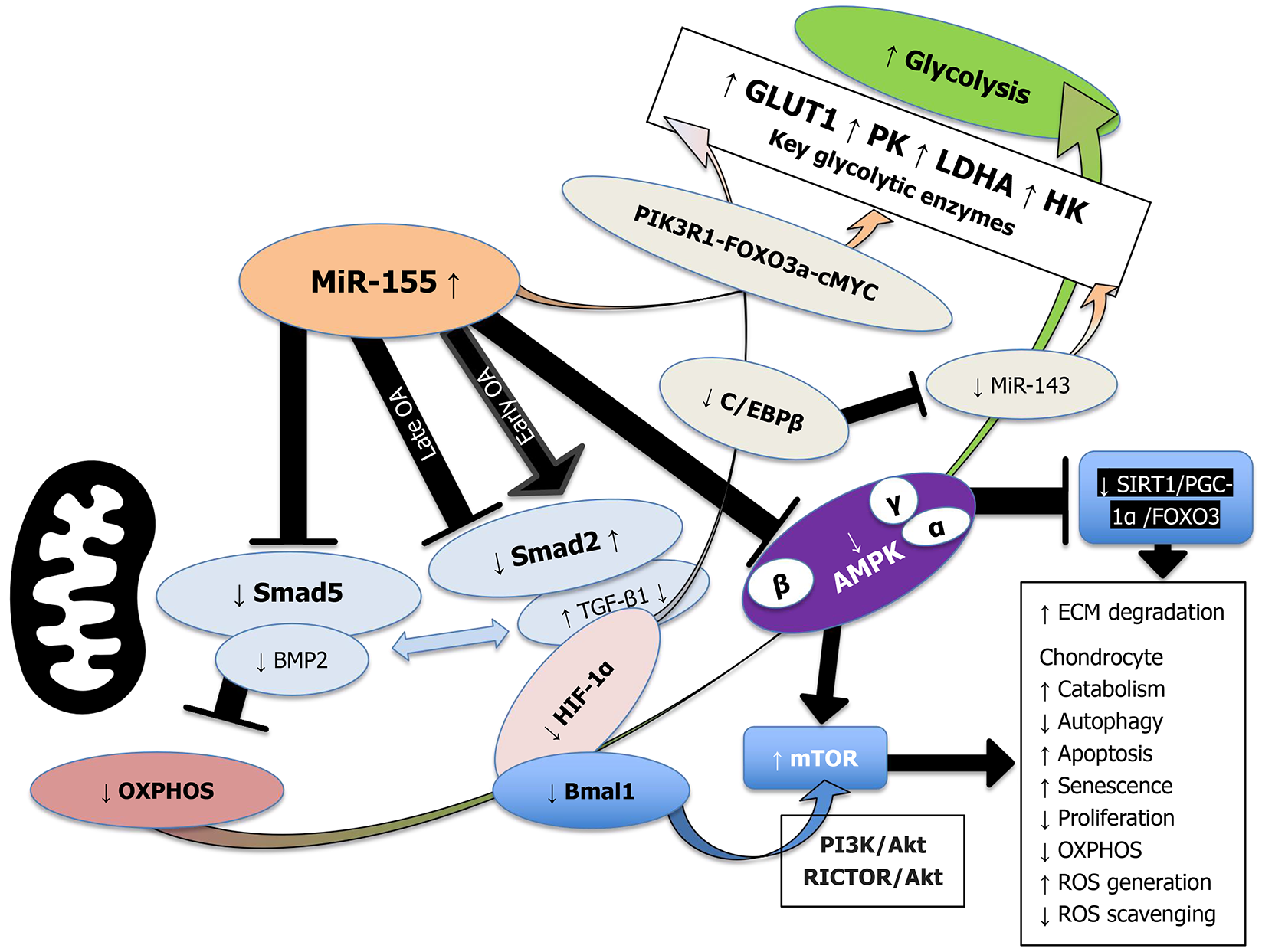
Figure 4 Elevated microRNA-155 in osteoarthritis orchestrates the transition in energy production from anti-inflammatory oxidative phosphorylation generation to pro-inflammatory glycolysis-dependence.
Early in osteoarthritis (OA), microRNA-155 (miR-155) upregulates glucose transporter and key glycolytic enzymes through CCAAT/enhancer binding protein β and transforming growth factor β1 (TGF-β1)/bone morphogenetic proteins 2 signalling modulations favouring TGF-β1, to counteract OA progression. Later in OA, through brain and muscle Arnt-like protein 1 and hypoxia-inducible factor 1 alpha repressions, miR-155 reduces TGF-β1/adenosine monophosphate-activated protein kinase/sirtuin 1/peroxisome proliferator-activated receptor γ coactivator 1 alpha/FOXO3 signalling in favor of mammalian target of rapamycin resulting in cartilage catabolism and inflammation. Gene functions and gene abbreviations can be found in Table 2. Akt: Protein kinase B; AMPK: Adenosine monophosphate-activated protein kinase; Bmal1: Brain and muscle Arnt-like protein 1; BMP2: Bone morphogenetic protein 2; C/EBPβ: CCAAT/enhancer-binding protein beta; ECM: Extracellular matrix; GLUT1: Glucose transporter; HK: Hexokinase; HIF-1α: Hypoxia-inducible factor 1 alpha; LDHA: Lactate dehydrogenase; MiR-155: MicroRNA-155; OA: Osteoarthritis; OXPHOS: Oxidative phosphorylation; PGC-1α: Peroxisome proliferator-activated receptor γ coactivator 1 alpha; PI3K/Akt: Phosphoinositide 3-kinase/protein kinase B; PK: Pyruvate kinase; ROS: Reactive oxygen species; SIRT1/PGC-1α/FOXO3: Sirtuin 1/peroxisome proliferator-activated receptor γ coactivator 1 alpha/FOXO3; TGF-β1: Transforming growth factor β1; ↓: Decline; ↑: Increase.
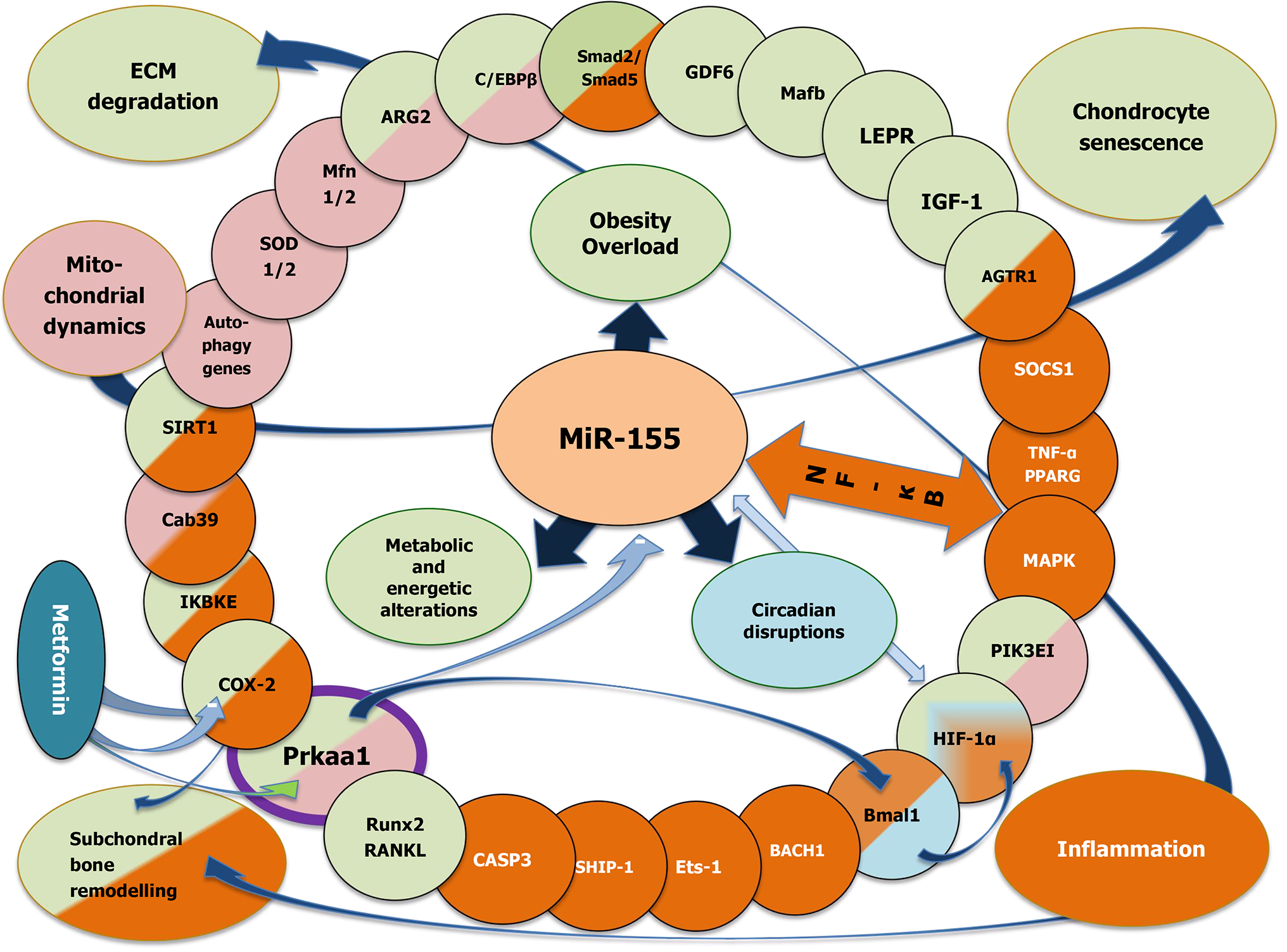
Figure 5 Schematic depiction of known microRNA-155 targets in osteoarthritis and associations with the four main osteoarthritis pathologies: Inflammation, extracellular matrix degradation, chondrocyte senescence and subchondral bone remodeling.
MicroRNA-155 (miR-155) is a fundamental mediator of obesity outcomes and abnormal mechanical overload articular effects through aggravated inflammation, accelerated chondrocyte senescence and autophagy interference, while at the same time it disrupts circadian and metabolic chondrocyte homeostasis promoting further catabolism and inflammation through brain and muscle Arnt-like protein 1 (Bmal1)/adenosine monophosphate-activated protein kinase (AMPK) and Bmal1/hypoxia-inducible factor 1 alpha (HIF-1α) interactions. Finally, disrupted mitochondrial function with impaired oxidative phosphorylation and enhanced glycolysis is engendered through miR-155-induced alterations in AMPK/calcium-binding protein 39, Arginase 2, and CCAAT/enhancer-binding protein beta/nuclear factor erythroid 2-related factor 2, hemeoxygenase-1/superoxide dismutase 1 downstream signalling affecting mitochondrial dynamics, reactive oxygen species clearance and promoting key glycolytic enzymes. Moreover, miR-155 influences AMPK/sirtuin 1/HIF signalling balancing chondrocyte energy generation in hypoxia. Metformin can modulate Prkaa1, cyclooxygenase 2 and miR-155. The colours of the 4 main OA pathologies are the same as on the genes that influence them. Arrows indicate interactive effects. Detailed gene functions and gene abbreviations can be found in Table 2. AGTR1: Angiotensin II type 1 receptor gene; ARG2: Arginase2; BACH1: BTB and CNC homology 1, basic leucine zipper transcription factor 1; Bmal1: Brain and muscle Arnt-like protein 1; CASP3: Caspase 3; COX-2: Cyclooxygenase 2; C/EBPβ: CCAAT/enhancer-binding protein beta; ECM: Extracellular matrix; Ets-1: E26 transformation-specific sequence-1; GDF6: Growth differentiation factor 6; HIF-1α: Hypoxia-inducible factor 1 alpha; IGF-1: Insulin-like growth factor 1; IKBKE: Inhibitor of nuclear factor kappa-B kinase subunit epsilon; LEPR: Leptin receptor; Mafb: Musculoaponeurotic fibrosarcoma oncogene family, protein B; MAPK: Mitogen-activated protein kinase; Mfn: Mitofusin; MiR-155: MicroRNA-155; NF-κB: Nuclear factor kappa-B; RANKL: Receptor activator of nuclear factor kappa-B ligand; Runx2: Runt-related transcription factor 2; SHIP-1: Src homology 2-containing inositol phosphatase-1; SIRT1: Sirtuin 1; Smad: Mothers against decapentaplegic homolog 4; SOCS1: Suppressor of cytokine signaling 1; SOD: Superoxide dismutase; TNF-α: Tumour necrosis factor-alpha.
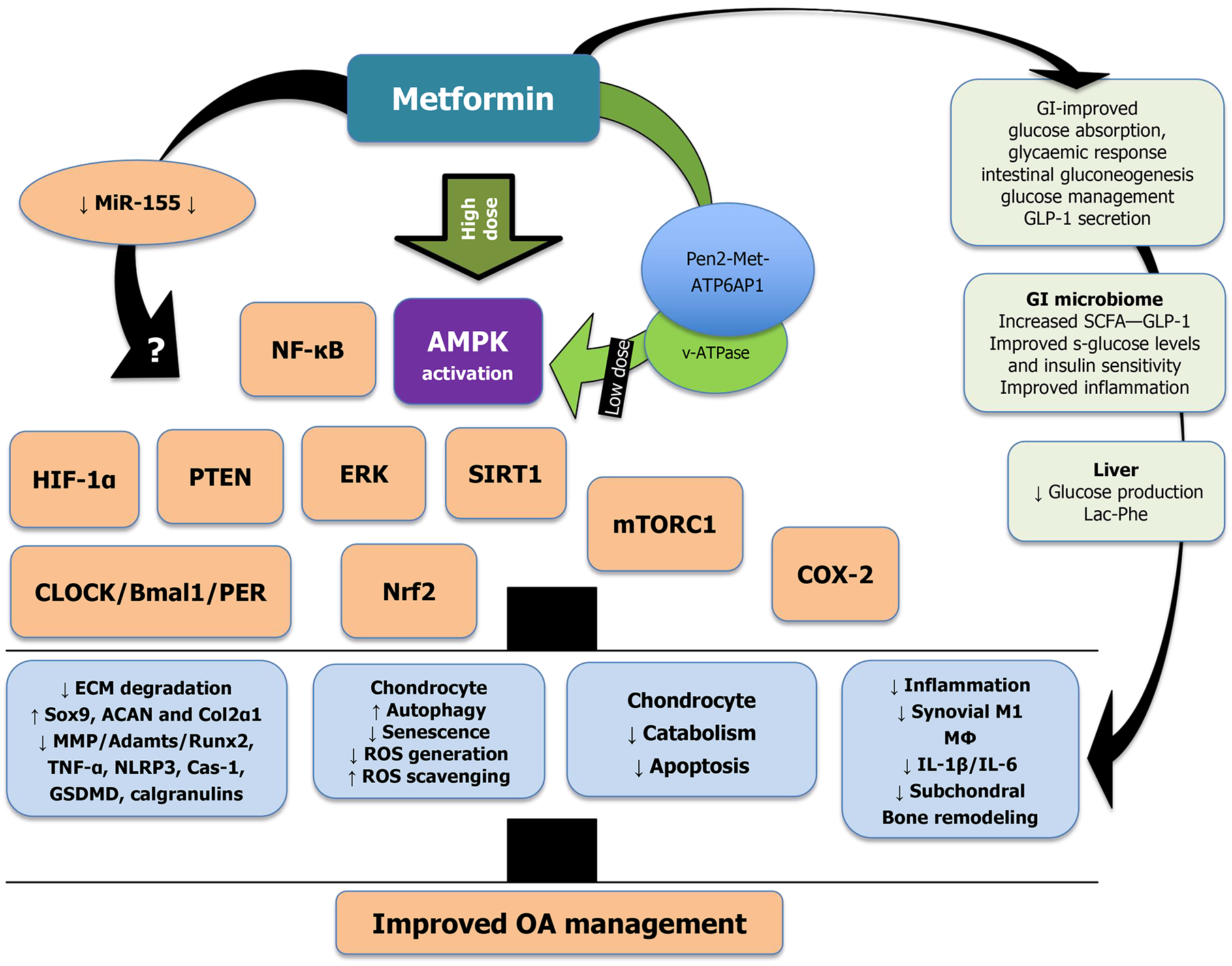
Figure 6 Schematic known and potential metformin actions on chondroprotection, immunomodulation, circadian rhythmicity, and pain reduction resulting in improved osteoarthritis management.
Metformin reduces the catabolism and apoptosis of chondrocytes, regularizes the circadian disruptions observed in osteoarthritis (OA), and decreases the infiltration and M1 polarization of synovial macrophages. Metformin is able to modulate microRNA-155 expression but whether this ability mediates its effects systemically and in OA is currently unknown. Light orange and purple boxes indicate molecular metformin effects while light green boxes indicate metformin tissue effects. Detailed gene functions and gene abbreviations can be found in Table 2. AMPK: Adenosine monophosphate-activated protein kinase; Bmal1: Brain and muscle Arnt-like protein 1; CLOCK: Circadian locomotor output cycles kaput; Cas-1: Caspase-1; COX-2: Cyclooxygenase 2; ECM: Extracellular matrix; ERK: Extracellular regulated protein kinases; GI: Gastrointestinal; GSDMD: Gasdermin D; HIF-1α: Hypoxia-inducible factor 1 alpha; IL: Interleukin; MiR-155: MicroRNA-155; MMP: Metalloproteinase; mTORC1: Mammalian target of rapamycin C1; MΦ: M1 macrophage; NF-κB: Nuclear factor kappa-B; NLRP3: NOD-like receptor family pyrin domain-containing 3; Nrf2: Nuclear factor erythroid-2-related factor 2; PER: Period; PTEN: Phosphatase and tensin homolog; ROS: Reactive oxygen species; Runx2: Runt-related transcription factor 2; SIRT1: Sirtuin 1; Sox9: SRY-related HMG box 9; TNF-α: Tumour necrosis factor-alpha; ↓: Decline; ↑: Increase.
- Citation: Paisan M, Papadopoulos KI, Papadopoulou A, Prasongchean W, Wattanaarsakit P. Intertwined roles of microRNA-155 and metformin in osteoarthritis: Novel potential diagnostic, prognostic, and therapeutic modulators. World J Orthop 2025; 16(12): 110992
- URL: https://www.wjgnet.com/2218-5836/full/v16/i12/110992.htm
- DOI: https://dx.doi.org/10.5312/wjo.v16.i12.110992