
















Copyright: ©Author(s) 2026.
World J Clin Oncol. Jun 24, 2026; 17(6): 120388
Published online Jun 24, 2026. doi: 10.5306/wjco.120388
Published online Jun 24, 2026. doi: 10.5306/wjco.120388
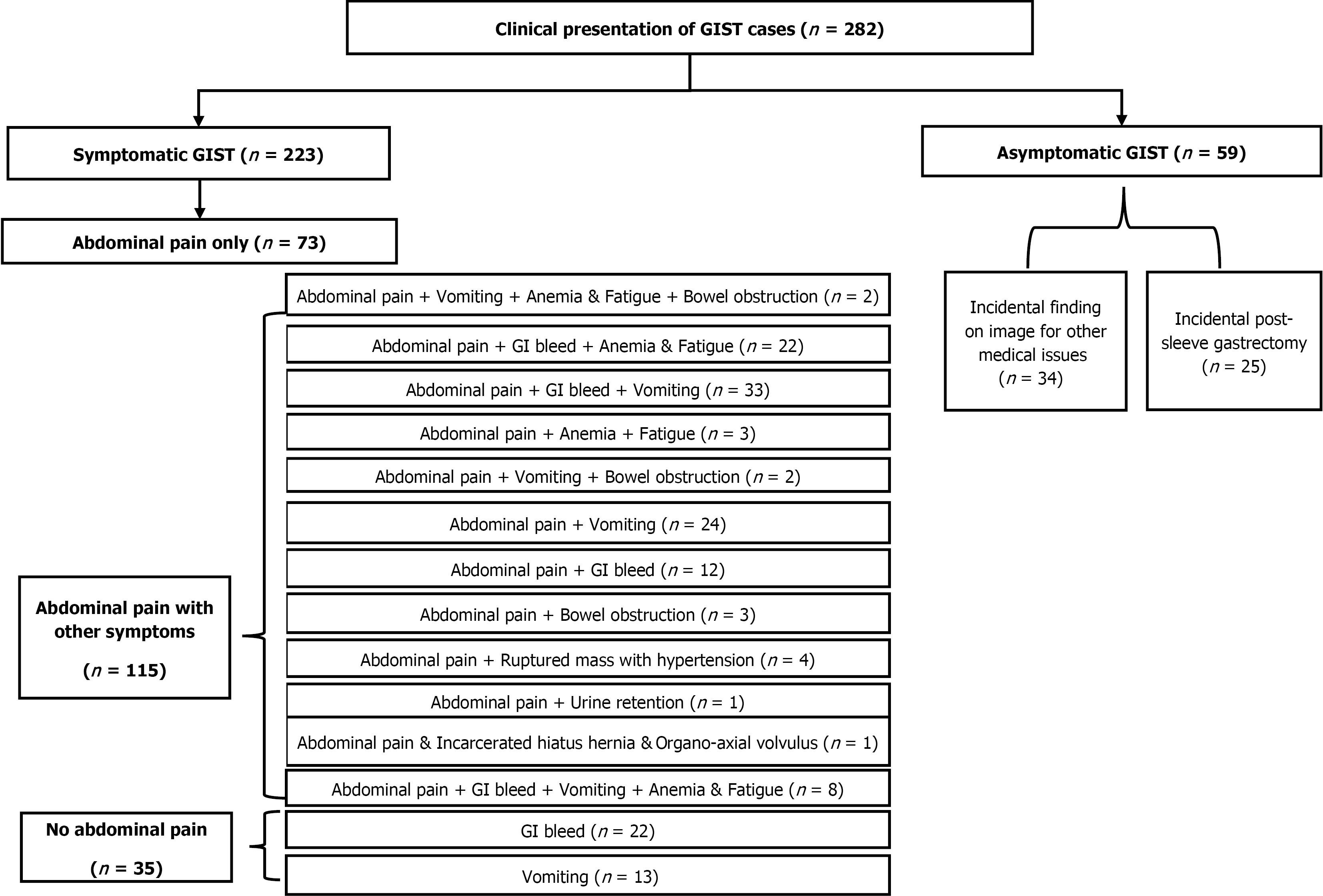
Figure 1 Clinical presentation of gastrointestinal stromal tumor cases.
GIST: Gastric gastrointestinal stromal tumor; GI: Gastrointestinal.
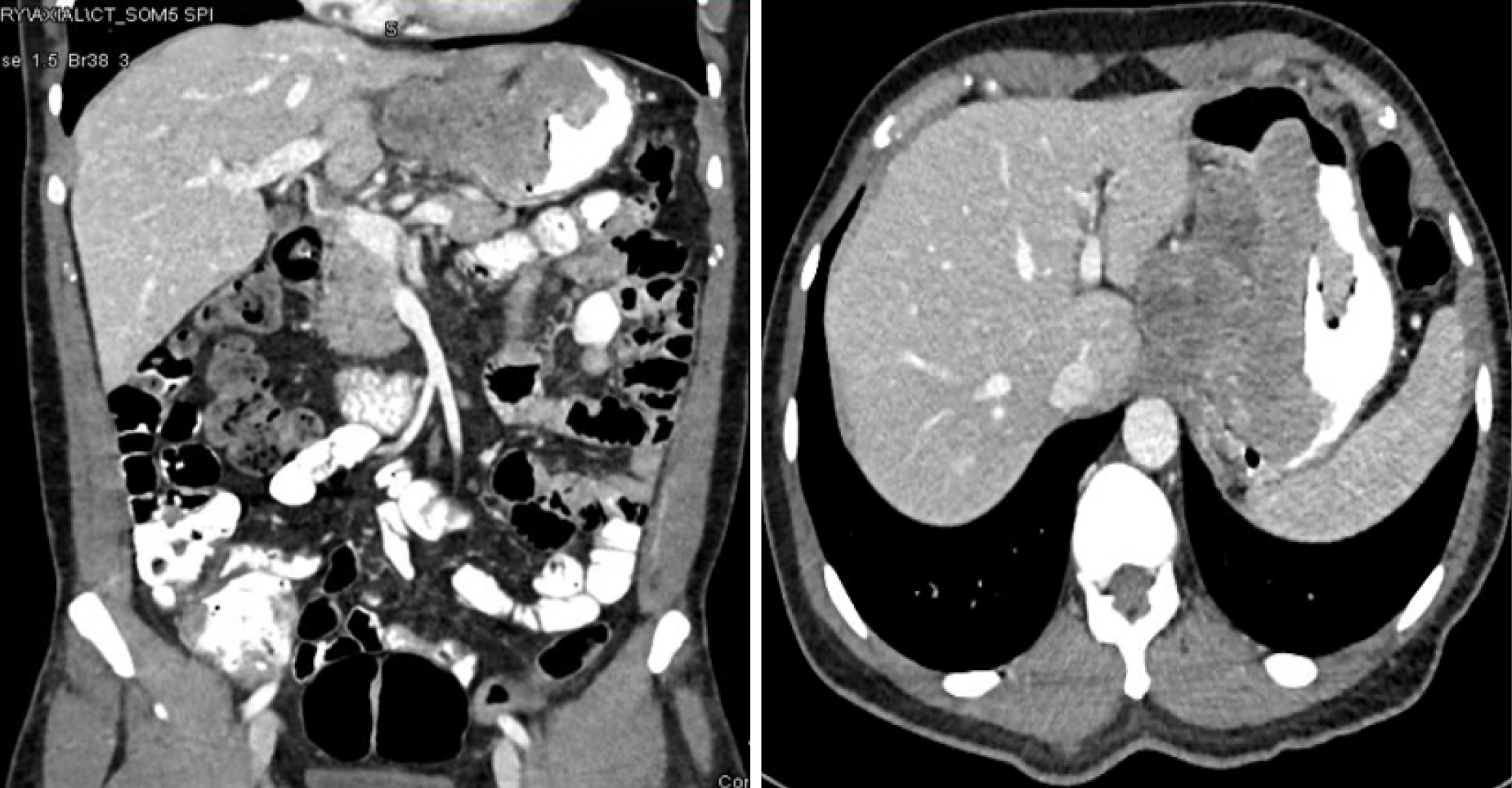
Figure 2 Coronal and cross-sectional computed tomography scan cuts of gastric gastrointestinal stromal tumor, showing the exophytic component of the gastric tumor with proximity to the left lobe of the liver.
Computed tomography scans showing gastric gastrointestinal stromal tumor: A large heterogeneous hypodense lobulated partly exophytic mass measuring about 10.5 cm in maximal dimension was noted at the gastric fundus, showing ulceration of its intraluminal component; superiorly, it abutted the left hemidiaphragm (probable infiltrate) and the lateral aspect of the left hepatic lobe.
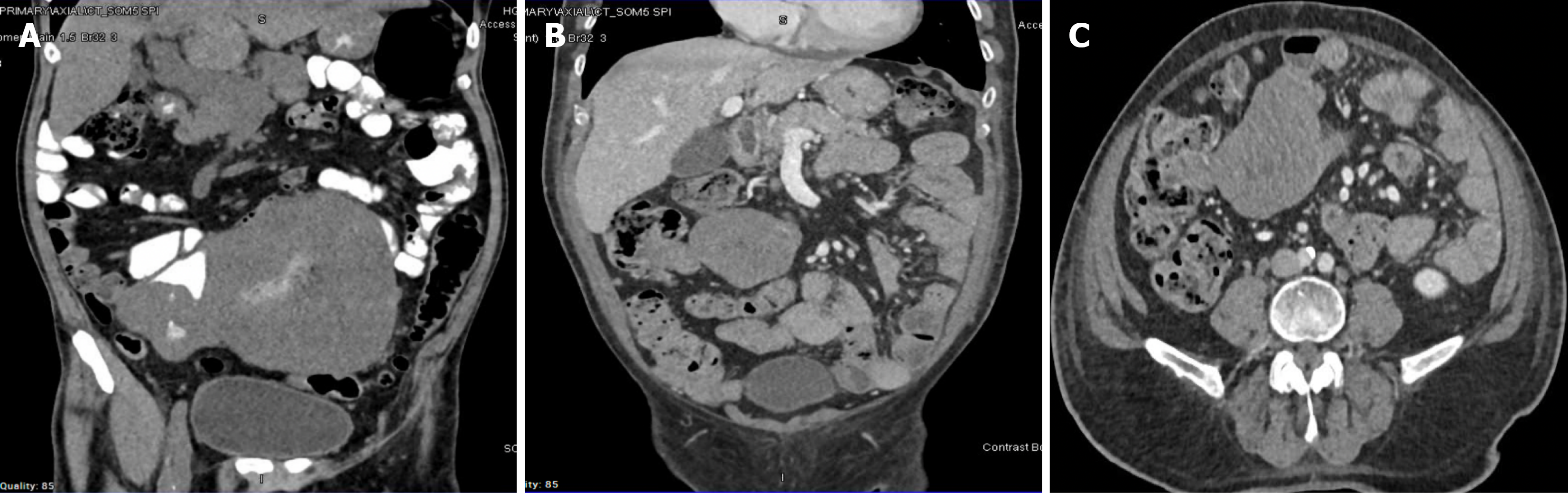
Figure 3 The radiological images of the small-bowel gastrointestinal stromal tumor.
A: A large heterogeneously enhancing mass measuring approximately 18.2 cm × 10.7 cm × 2.3 cm in the mid and lower abdomen, demonstrating hypodense areas and a large central area of necrosis. The mass appeared to arise/communicate with the loop of the ileum with oral contrast and air within the necrotic region; B: Radiodense soft-tissue mass arising from the jejunal loops in the right lower quadrant and hemipelvis; C: It measures 7.2 cm × 7.2 cm × 6.2 cm (maximum AP, transverse, and CC, respectively).
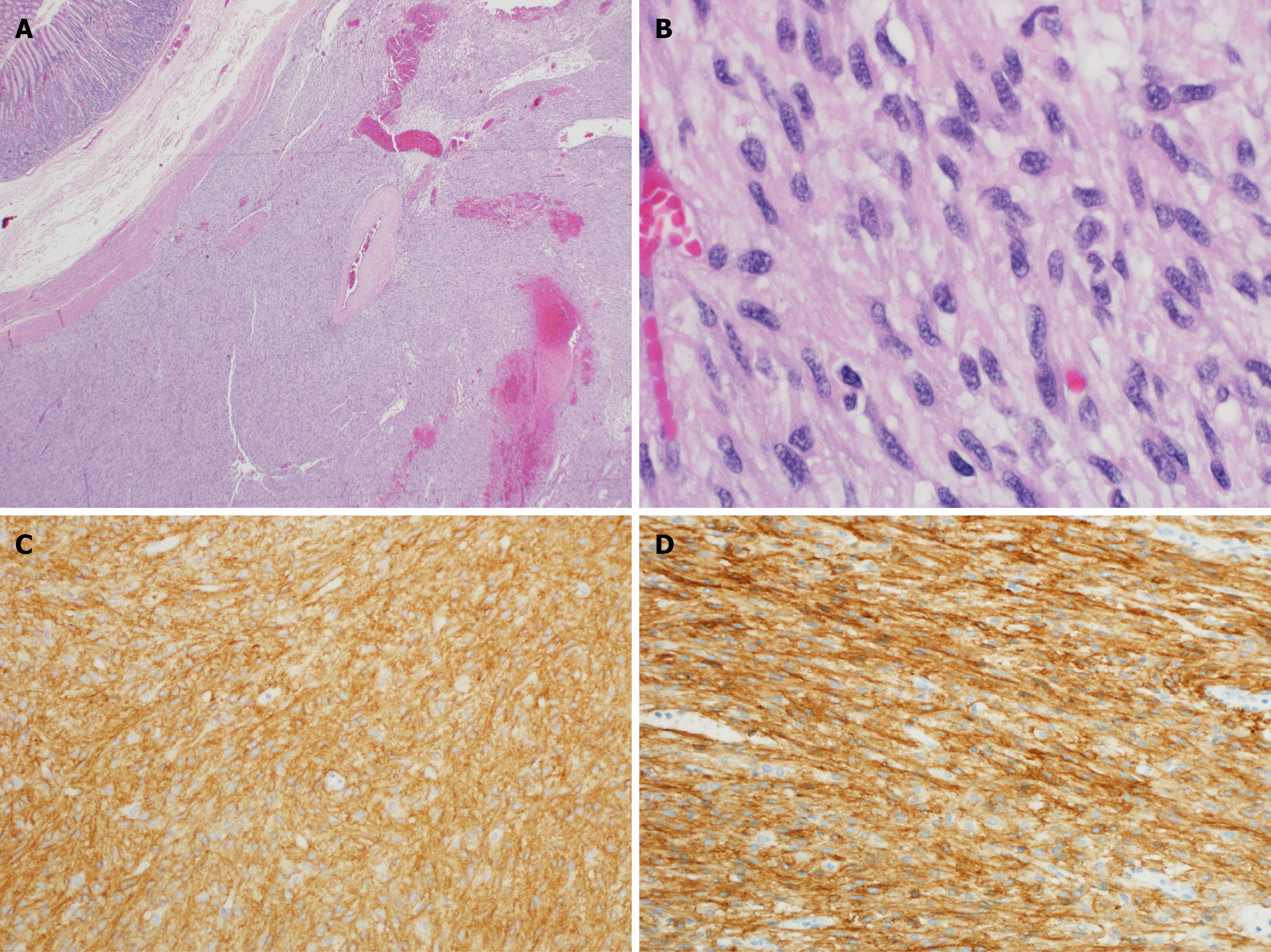
Figure 4 Example of microscopic view and immunohistochemistry of gastrointestinal stromal tumor.
A: Light microscopic view of gastrointestinal stromal tumor (GIST) tumors occupying the submucosa and muscularis propria, notice normal gastric mucosa in the left upper corner [hematoxylin and eosin (H&E) staining × 20]; B: High power light microscopic appearance of GIST tumor characterized by fascicles of spindle cells (H&E × 600); C: GIST tumor cells stain strongly and diffusely positive with DOG-1 antibody (Immunohistochemistry × 200); D: GIST tumor cells stain strongly and diffusely positive with CD117 antibody (Immunohistochemistry × 200).
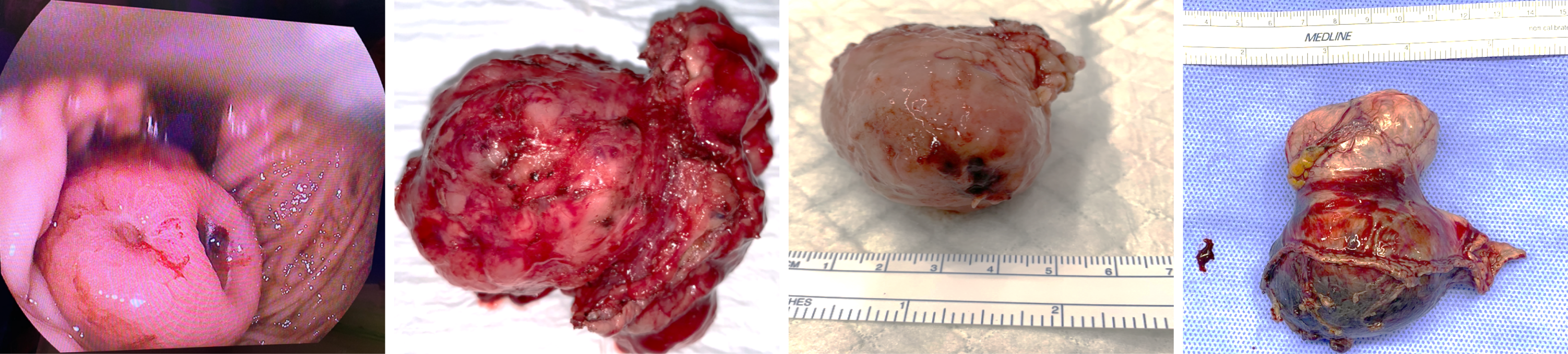
Figure 5 Multiple intraoperative and post-operative images of the gastric gastrointestinal stromal tumor.
Gastrointestinal stromal tumors of the stomach with umbilicated ulcers within tumors that usually bleed and present with melena.
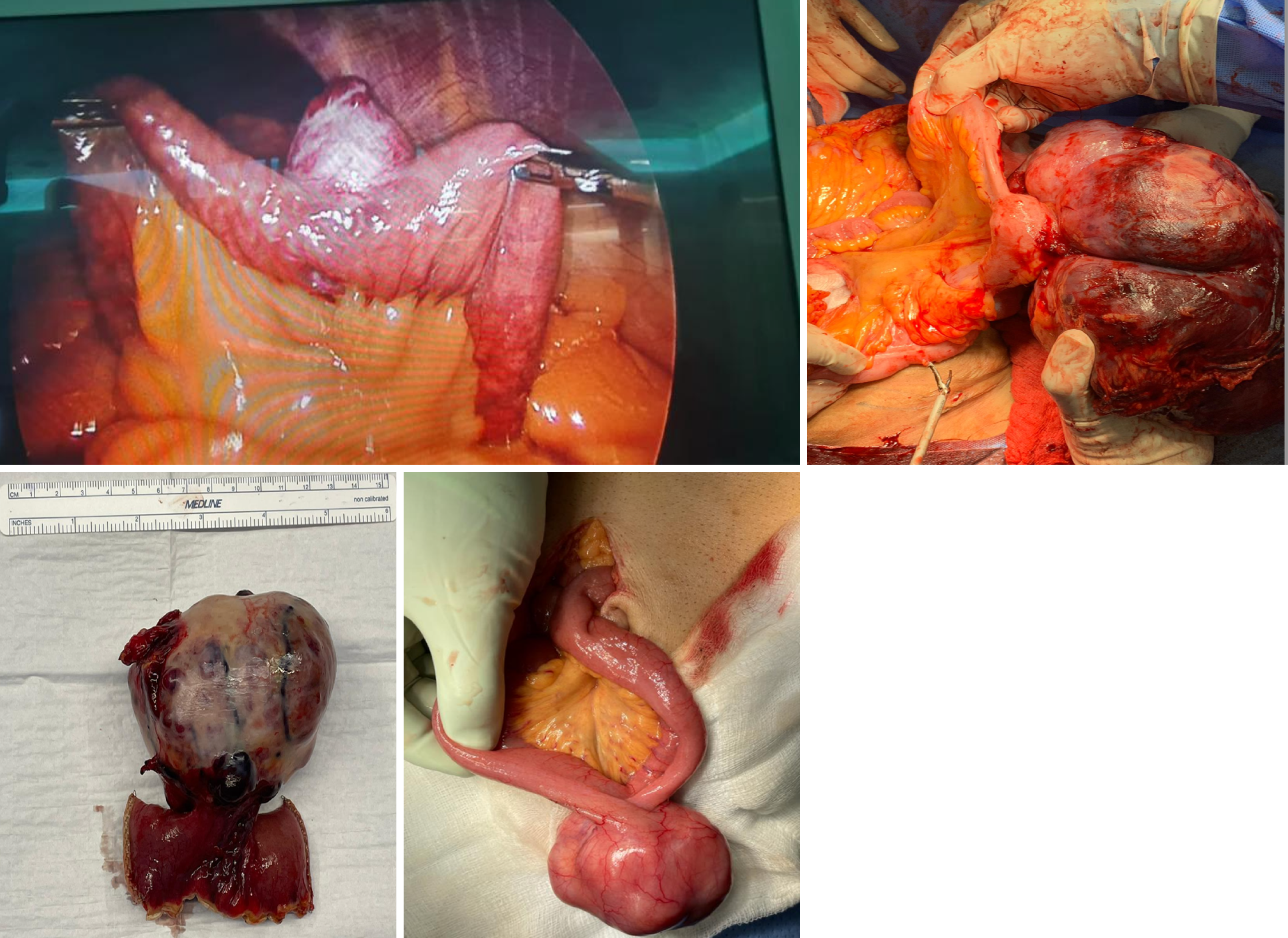
Figure 6 Multiple intraoperative small bowel gastrointestinal stromal tumors.
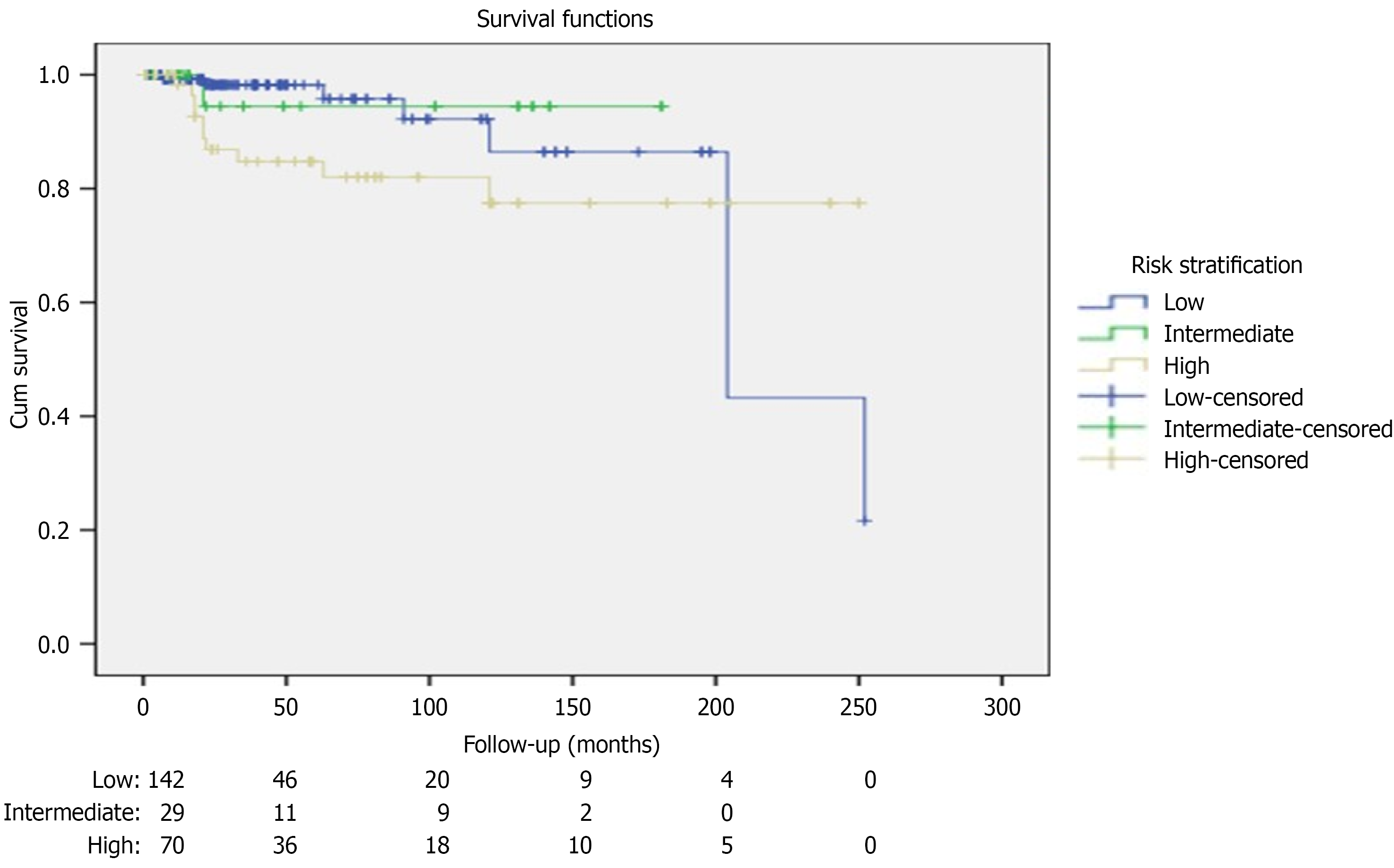
Figure 7 Kaplan Meier survival analysis based on risk stratification.
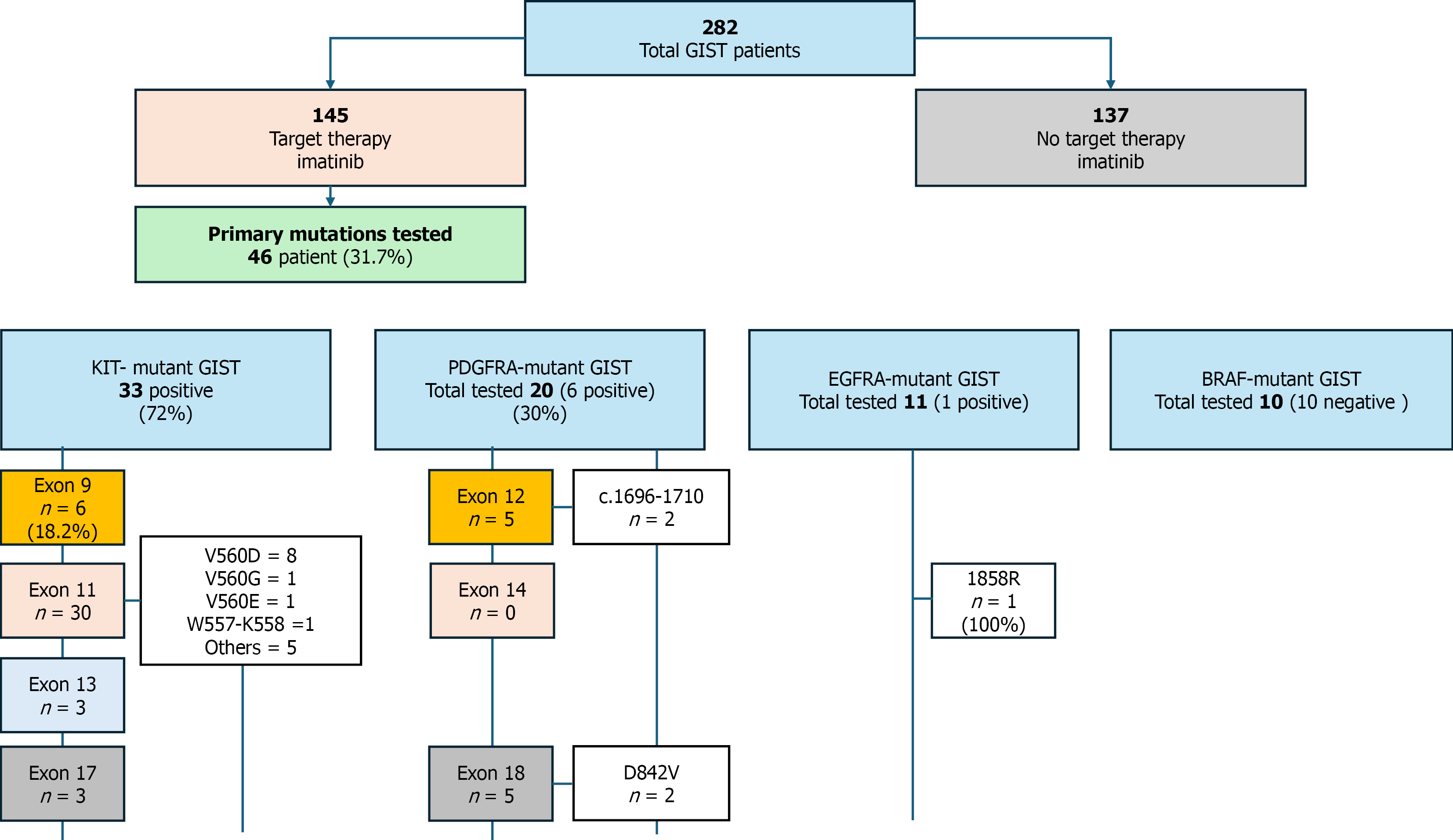
Figure 8 Gastrointestinal stromal tumor mutation testing before imatinib therapy.
GIST: Gastrointestinal stromal tumor.
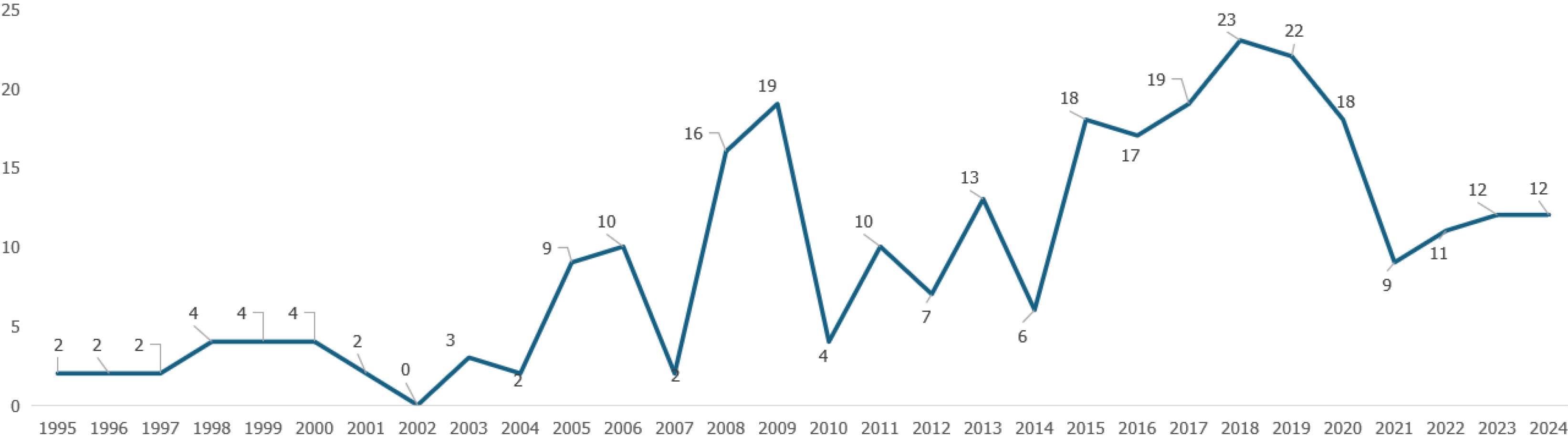
Figure 9 Temporal trend in the incidence of gastrointestinal stromal tumor cases in Qatar (n = 282).
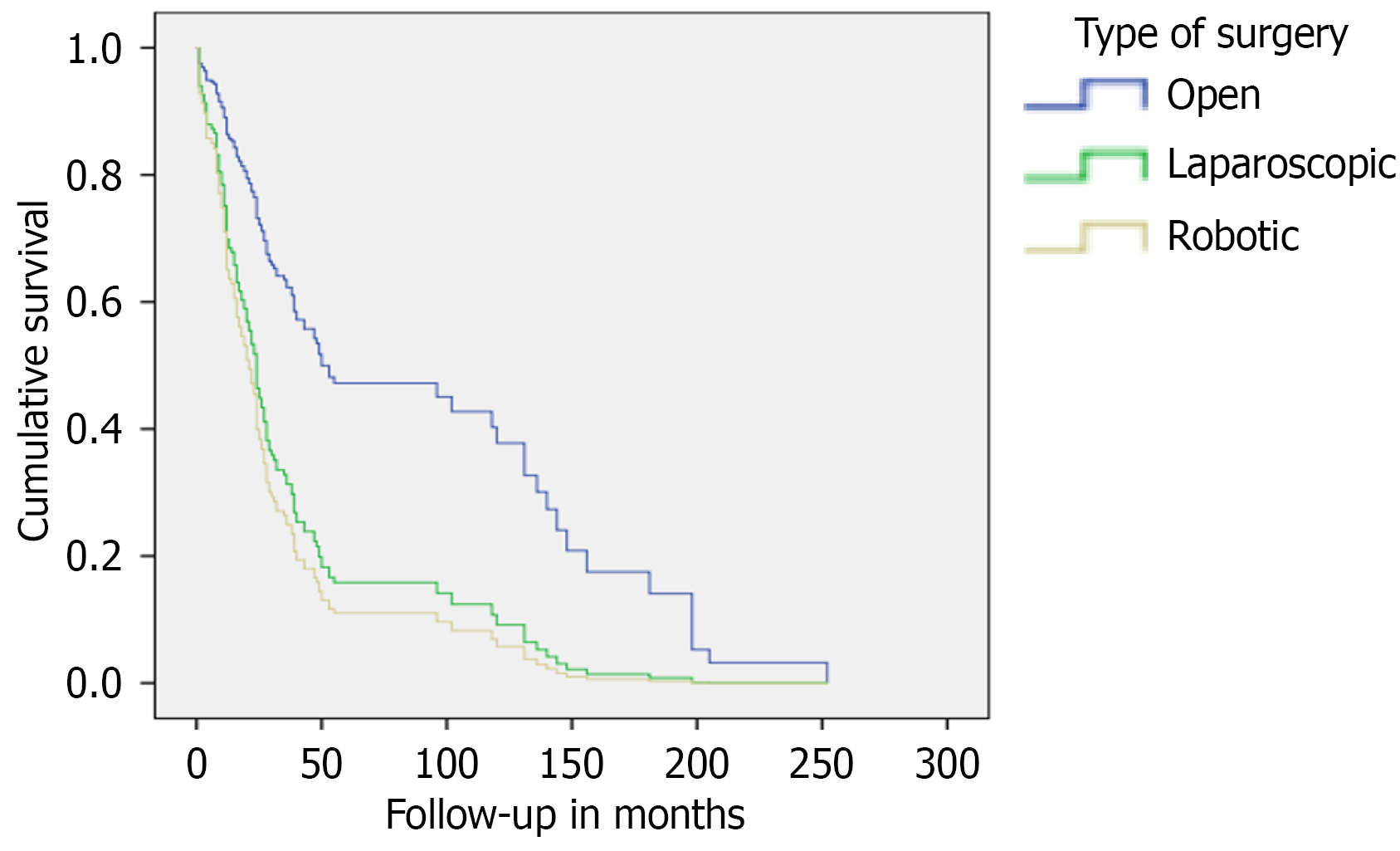
Figure 10 Multivariable Cox proportional hazard analysis for disease-free survival.
- Citation: El-Matbouly MA, Al-Thani H, El-Menyar A, Al-Sulaiti M, Asim M, Al Yaseen M, Suliman A, Albahrani A, Al-Bozom I, Tabeb A. Evolving patterns of gastrointestinal stromal tumor presentation, management, and outcome over three decades: A Middle Eastern retrospective study. World J Clin Oncol 2026; 17(6): 120388
- URL: https://www.wjgnet.com/2218-4333/full/v17/i6/120388.htm
- DOI: https://dx.doi.org/10.5306/wjco.120388