
















Copyright: ©Author(s) 2026.
World J Clin Oncol. May 24, 2026; 17(5): 120273
Published online May 24, 2026. doi: 10.5306/wjco.v17.i5.120273
Published online May 24, 2026. doi: 10.5306/wjco.v17.i5.120273
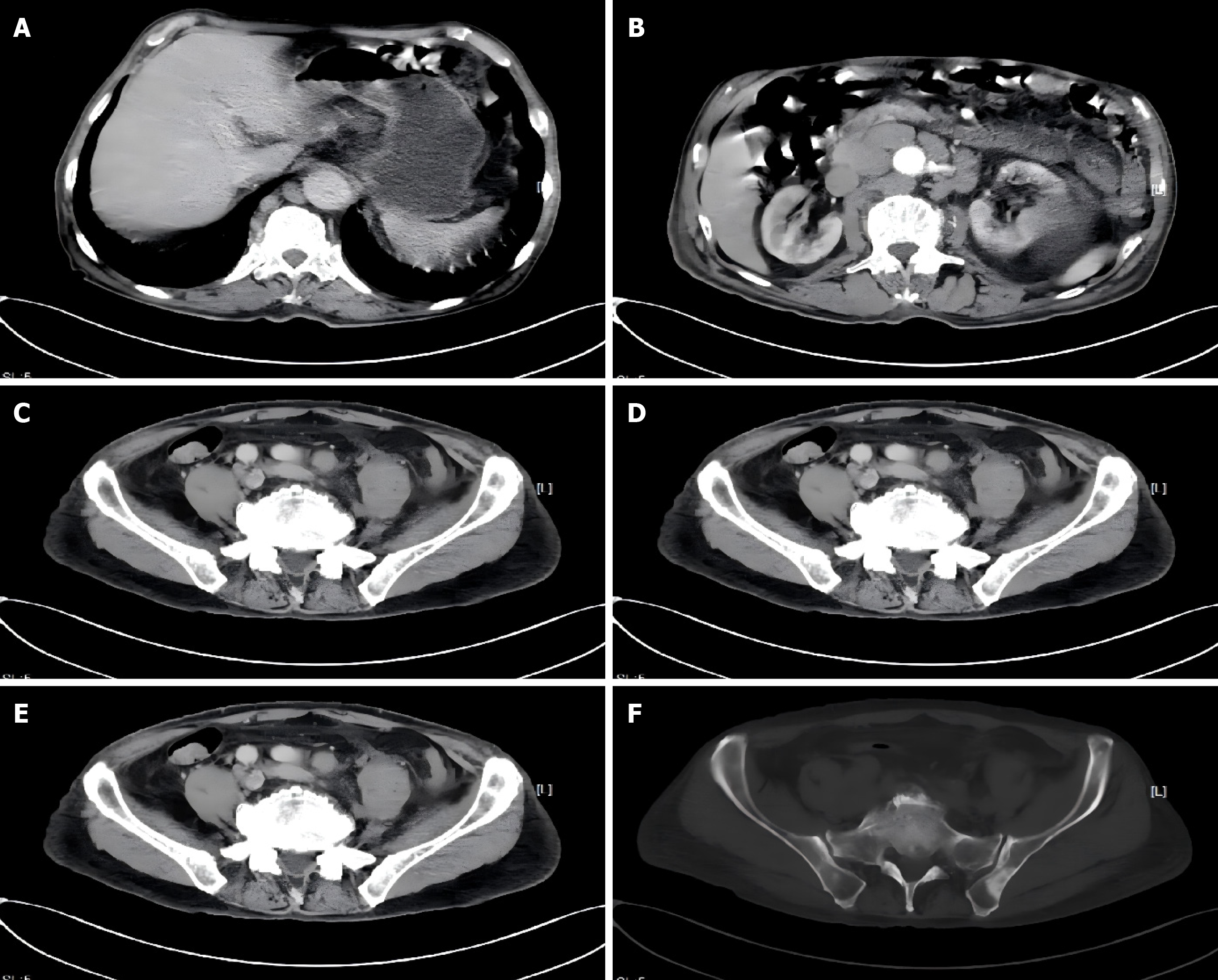
Figure 1 Chest and abdominal computed tomography scan.
A: No significant thickening of the stomach wall; B: Multiple enlarged lymph nodes beside the abdominal aorta; C: A mass in the intestinal cavity of the lower right abdomen; D: Enlarged lymph nodes on both sides of the pelvic cavity near the iliac vessels; E: Benign prostatic hyperplasia, without obvious space-occupying lesion; F: Abnormal calcification can be observed in the ilium beneath the bone window.
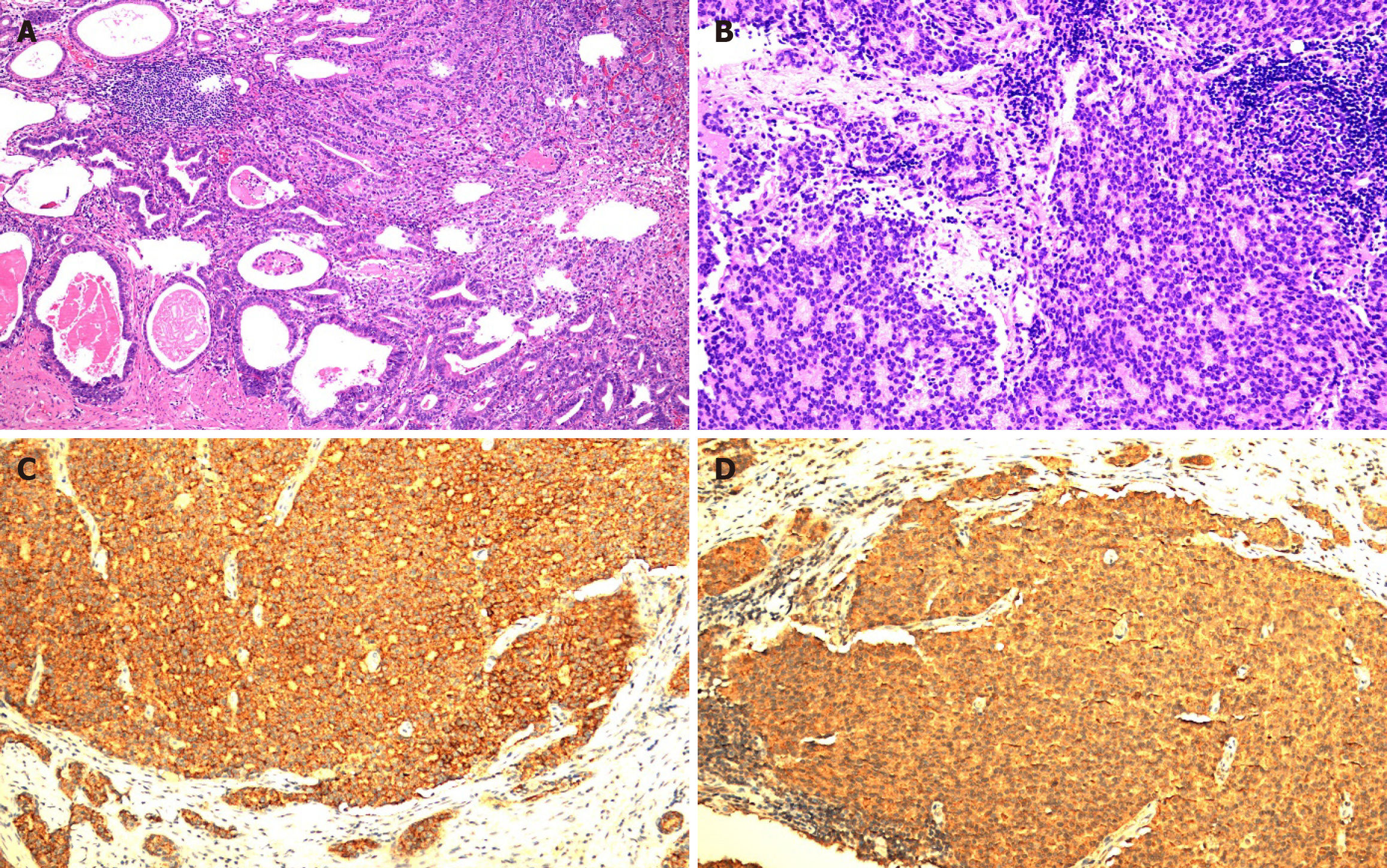
Figure 2 Postoperative pathology of laparoscopy.
A: Gastric biopsy section, hematoxylin-eosin (HE) × 100; B: A typical “mesh-like” structure can be observed in the biopsy section of the abdominal lymph nodes, HE × 100; C and D: Immunohistochemical staining for (C) prostate-specific antigen (× 200), (D) α-methylacyl-CoA racemase (× 200) of abdominal lymph nodes. The immunohistochemical reagents used in the patient’s pathology were all provided by Fuzhou Maixin Biotechnology Development Co., Ltd.
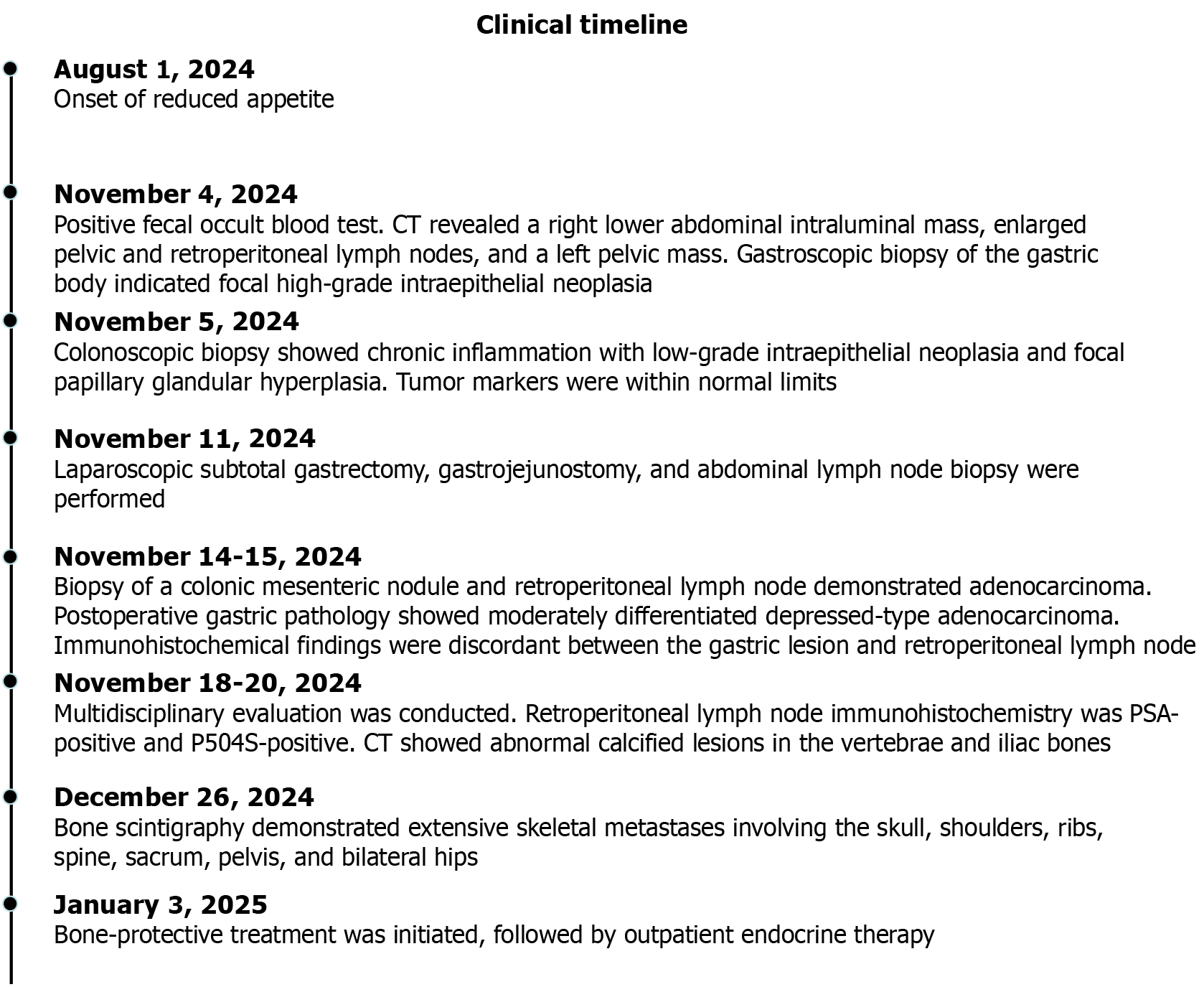
Figure 3 Clinical timeline.
CT: Computed tomography; PSA: Prostate-specific antigen.
- Citation: Lu Y, Zhu Q, Xiao Y, Pan RY, Deng LH, Zhang Q, Wang Y. Abdominal nodal metastasis from an unknown primary: A case report and review of literature. World J Clin Oncol 2026; 17(5): 120273
- URL: https://www.wjgnet.com/2218-4333/full/v17/i5/120273.htm
- DOI: https://dx.doi.org/10.5306/wjco.v17.i5.120273