
















Copyright: ©Author(s) 2026.
World J Clin Oncol. May 24, 2026; 17(5): 119864
Published online May 24, 2026. doi: 10.5306/wjco.v17.i5.119864
Published online May 24, 2026. doi: 10.5306/wjco.v17.i5.119864
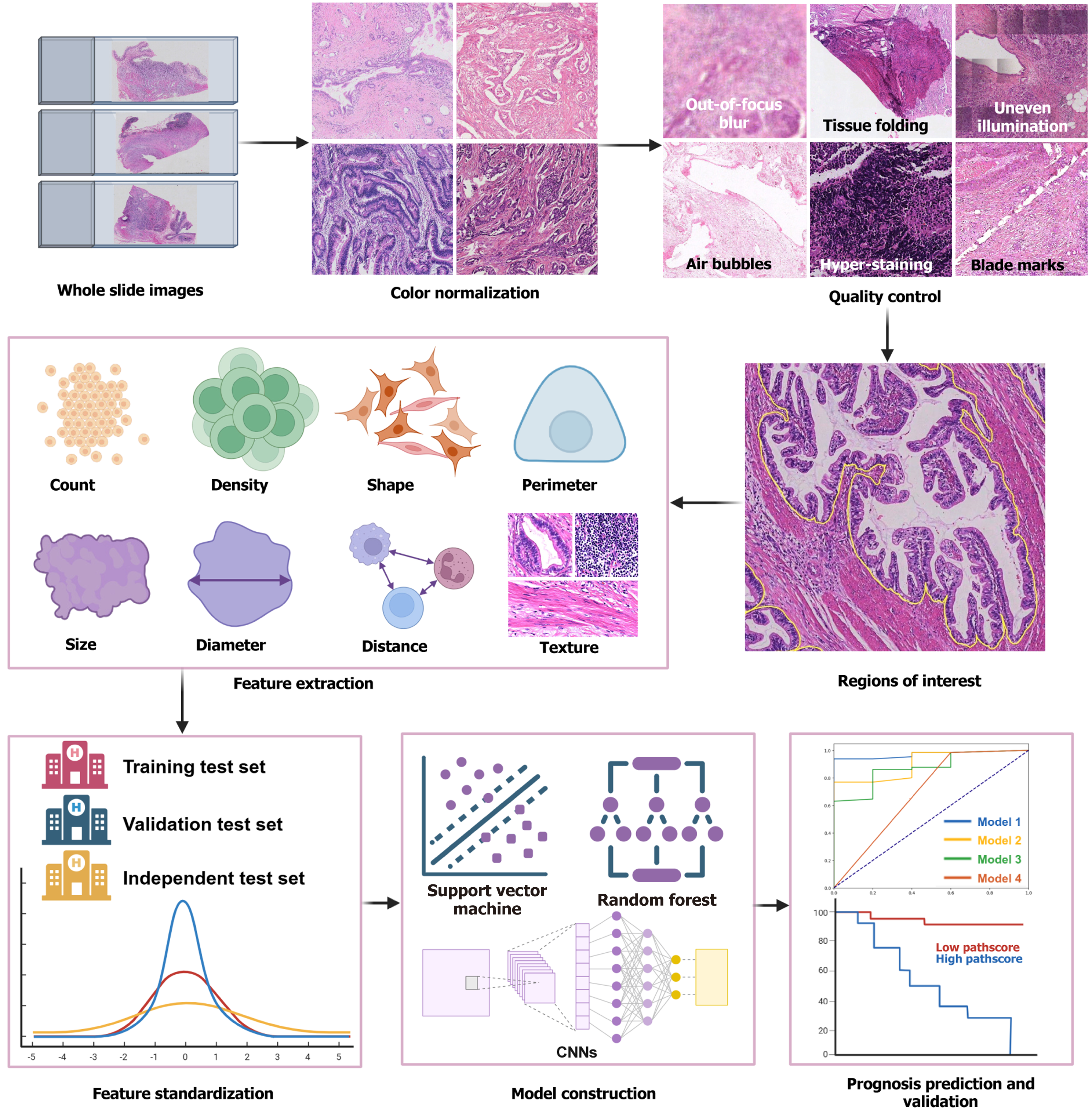
Figure 1 Workflow for artificial intelligence-based prognostic analysis using histopathological whole-slide images.
CNNs: Convolutional neural networks.
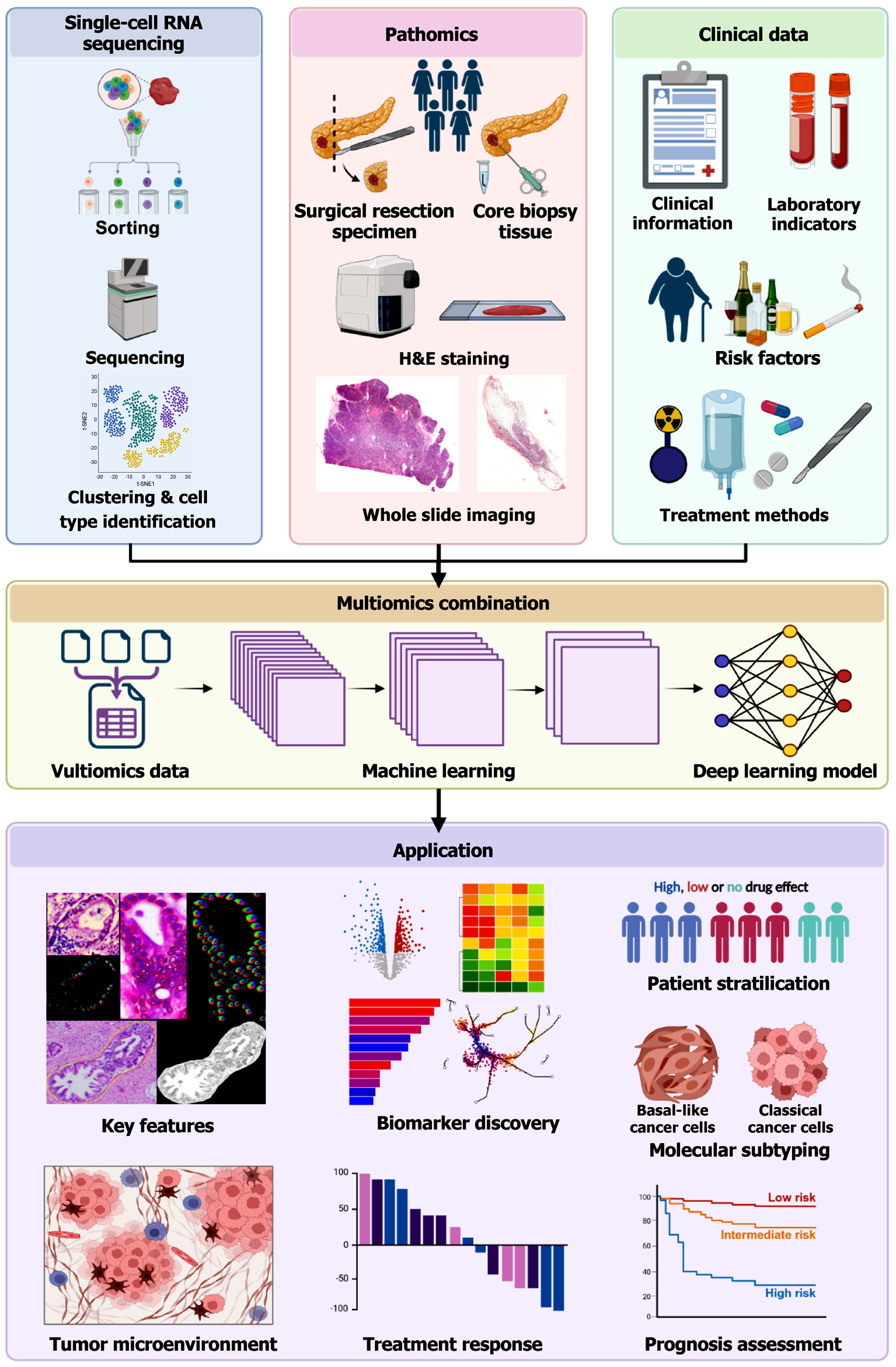
Figure 2 Schematic workflow of an integrated multiomics approach in pancreatic ductal adenocarcinoma.
This workflow starts by integrating three primary data types: Single-cell RNA sequencing, pathomics and clinical data. The combined multiomics dataset is analyzed with artificial intelligence to identify patterns and construct predictive models. These models are ultimately leveraged for clinical applications, including patient stratification, molecular subtyping, treatment response prediction, and prognosis evaluation. H&E: Hematoxylin and eosin.
- Citation: Yan X, Xu HY, Liu JW, Yang ZY, Zhu Q. Integration of pathomics and single-cell omics in pancreatic ductal adenocarcinoma: Applications and clinical translation prospects. World J Clin Oncol 2026; 17(5): 119864
- URL: https://www.wjgnet.com/2218-4333/full/v17/i5/119864.htm
- DOI: https://dx.doi.org/10.5306/wjco.v17.i5.119864