
















Copyright: ©Author(s) 2026.
World J Clin Oncol. May 24, 2026; 17(5): 116662
Published online May 24, 2026. doi: 10.5306/wjco.v17.i5.116662
Published online May 24, 2026. doi: 10.5306/wjco.v17.i5.116662
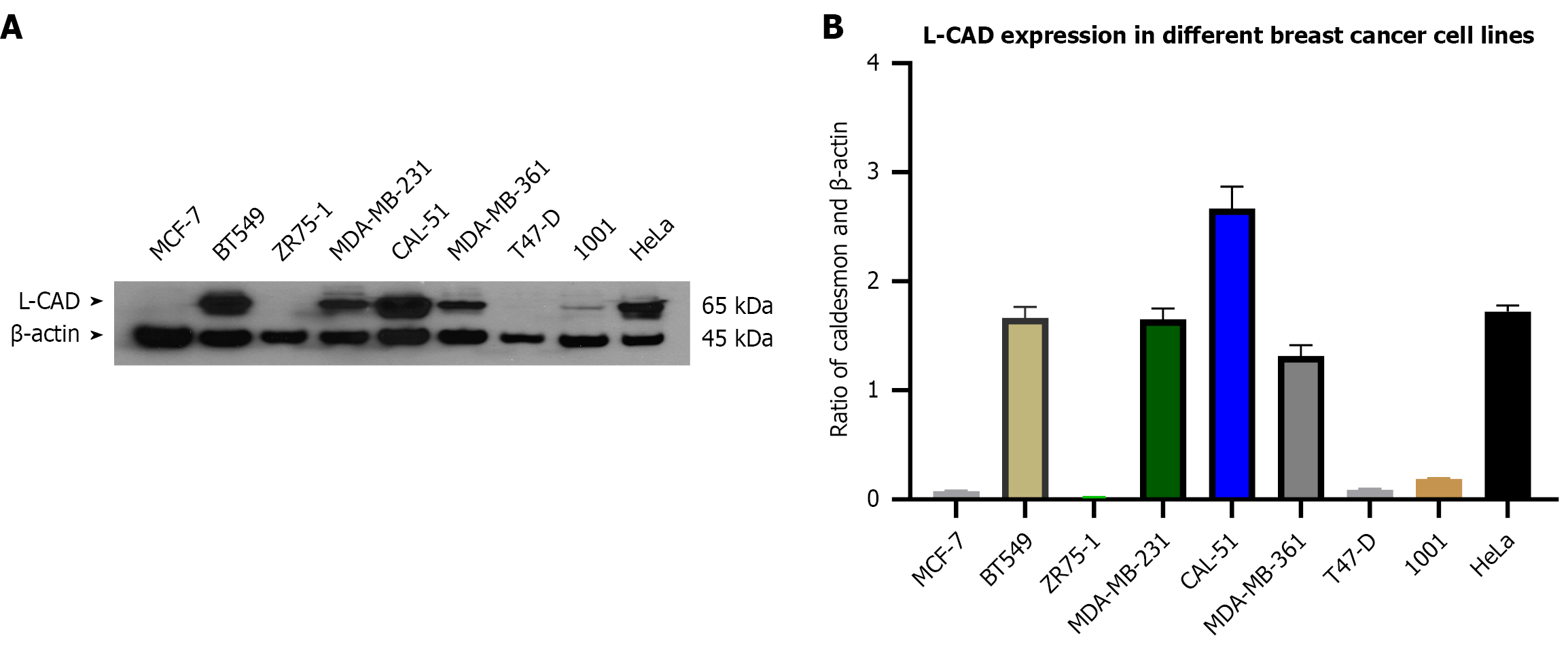
Figure 1 Differential expression of the low-molecular-weight isoform of caldesmon in breast cancer cell lines.
Western blot analysis of the low-molecular-weight isoform of caldesmon (l-CAD) expression in breast cancer cell lines is shown. A: Representative western blot results showing the expression of l-CAD in breast cancer cell line MCF7 and its isogenic derivative 1001, ZR-75-1, CAL-51, MDA-MB-231, BT-549, MDA-MB-361, and T47D cell lines. HeLa cells were used as a positive control. β-actin was used as a loading control; B: Densitometric quantification of l-CAD band intensity normalized to b-actin, presented as a bar graph. l-CAD: Low-molecular-weight isoform of caldesmon.
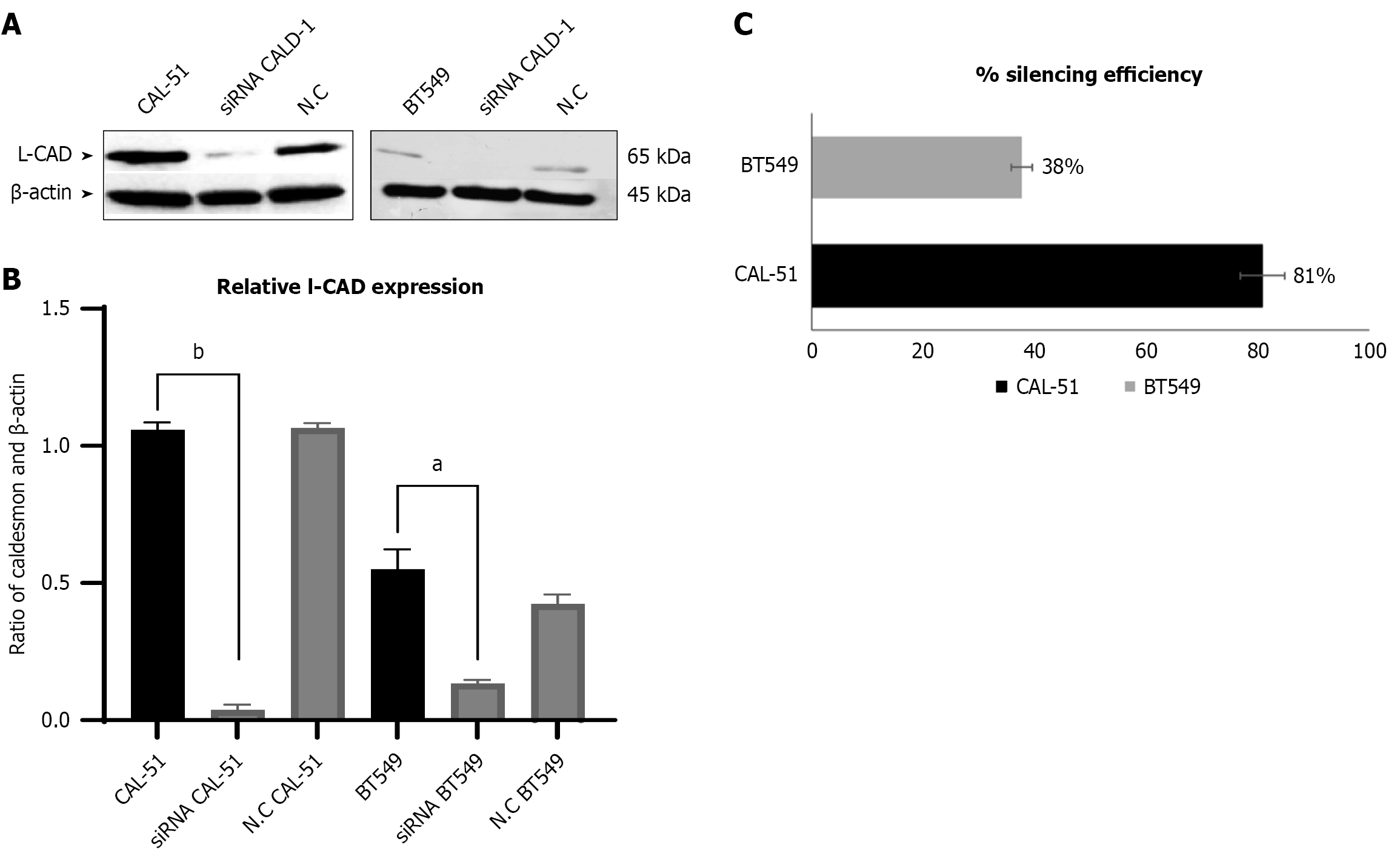
Figure 2 Silencing of CALD1 in CAL-51 and BT-549 breast cancer cell lines.
Small interfering RNA (siRNA)-mediated silencing of CALD1 resulted in a more pronounced reduction (81%) of low-molecular-weight isoform of caldesmon (l-CAD) expression in CAL-51 cells compared with BT-549 cells. A: Representative western blots showing l-CAD expression following transfection with CALD1-specific siRNA in CAL-51 and BT-549 cells. Cells transfected with negative control siRNA and Lipofectamine® served as controls; B: Relative l-CAD protein expression quantified as the ratio of l-CAD to β-actin; C: Percentage silencing efficiency of l-CAD in CAL-51 and BT-549 cells. aP < 0.0151; bP < 0.0005. l-CAD: Low-molecular-weight isoform of caldesmon; siRNA: Small interfering RNA; N.C: Negative control small interfering RNA and Lipofectamine® served as controls.
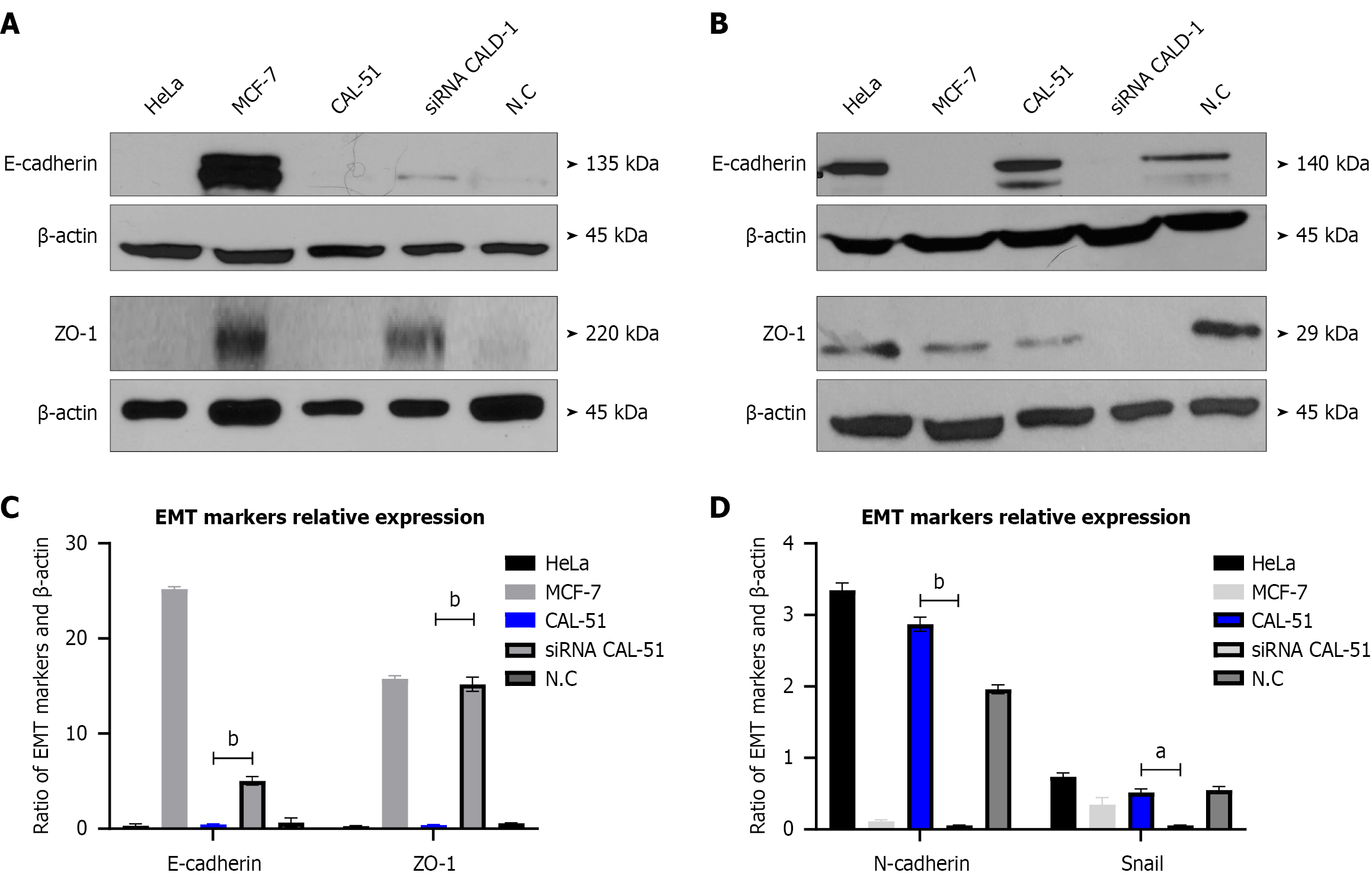
Figure 3 Loss of mesenchymal markers and gain of epithelial markers after CALD1 silencing in CAL-51 cells.
A: Western blot analysis showing increased expression of the epithelial markers E-cadherin and ZO-1 in CALD1-silenced CAL-51 cells (small interfering RNA-CALD1) compared with negative control-transfected cells; B: Western blot analysis of mesenchymal markers N-cadherin and Snail in breast cancer cell lines. HeLa cells were used as a positive control for epithelial - mesenchymal transition epithelial-mesenchymal transition, and MCF-7 cells were included as a less aggressive breast cancer cell line; C and D: Densitometric quantification of epithelial and mesenchymal marker expression normalized to β-actin. aP < 0.05; bP < 0.01. N.C: Controls; EMT: Epithelial-mesenchymal transition.
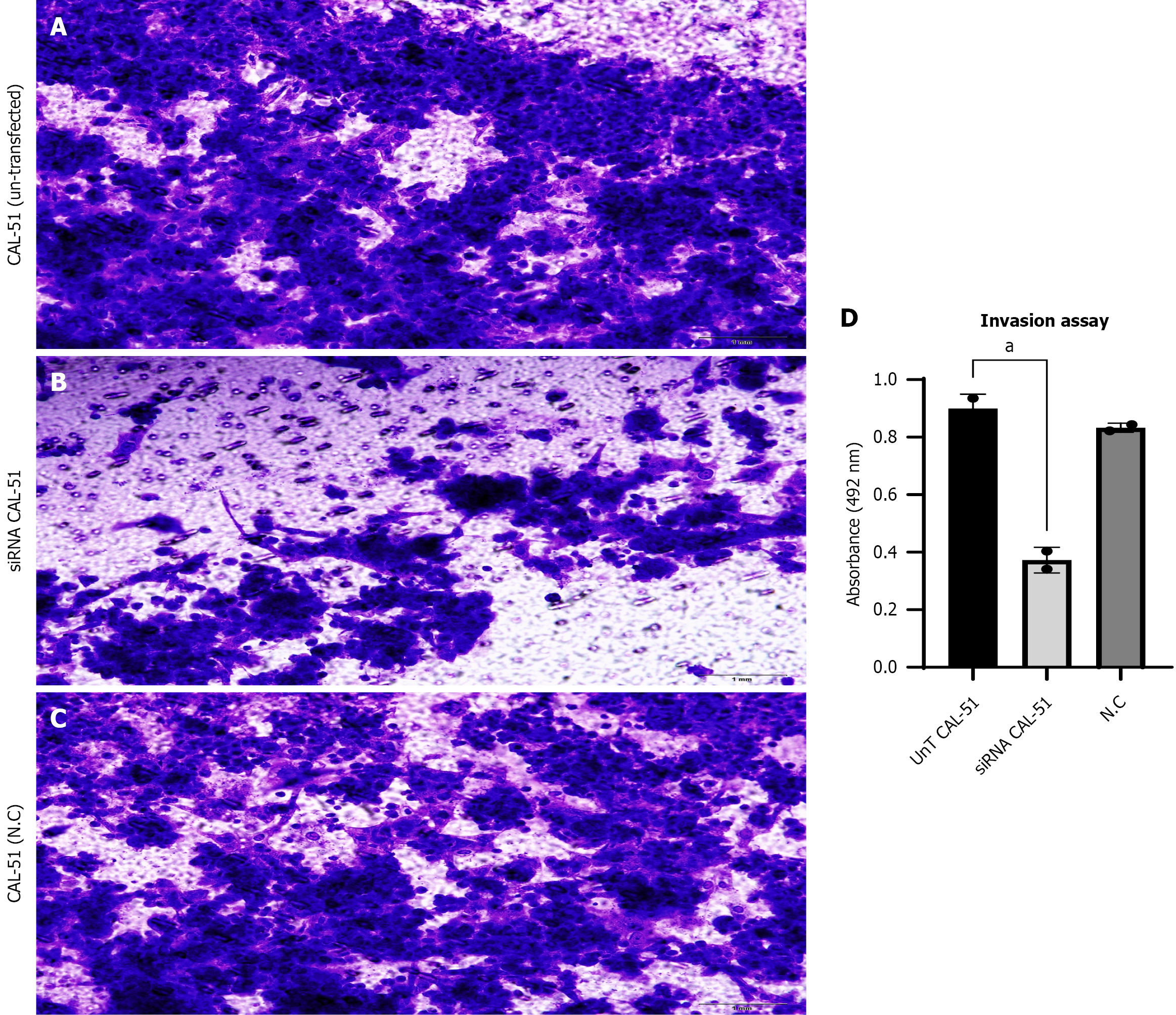
Figure 4 Functional consequences of CALD1 silencing on invasion in CAL-51 breast cancer cells.
CALD1 silencing significantly reduced collagen invasiveness in the metastatic CAL-51 cell line, as assessed by an invasion assay. A: Representative images showing high invasive capacity of untransfected CAL-51 cells, characterized by a large number of invading cells; B: Marked reduction in invasive cells following CALD1 silencing in CAL-51 cells (small interfering RNA-CALD1); C: Cells transfected with negative control small interfering RNA exhibited invasive characteristics similar to untransfected CAL-51 cells (× 100 magnification); D: Quantitative analysis of invasion measured by absorbance at 492 nm. aP < 0.0080. N.C: Negative control small interfering RNA; siRNA: Small interfering RNA.
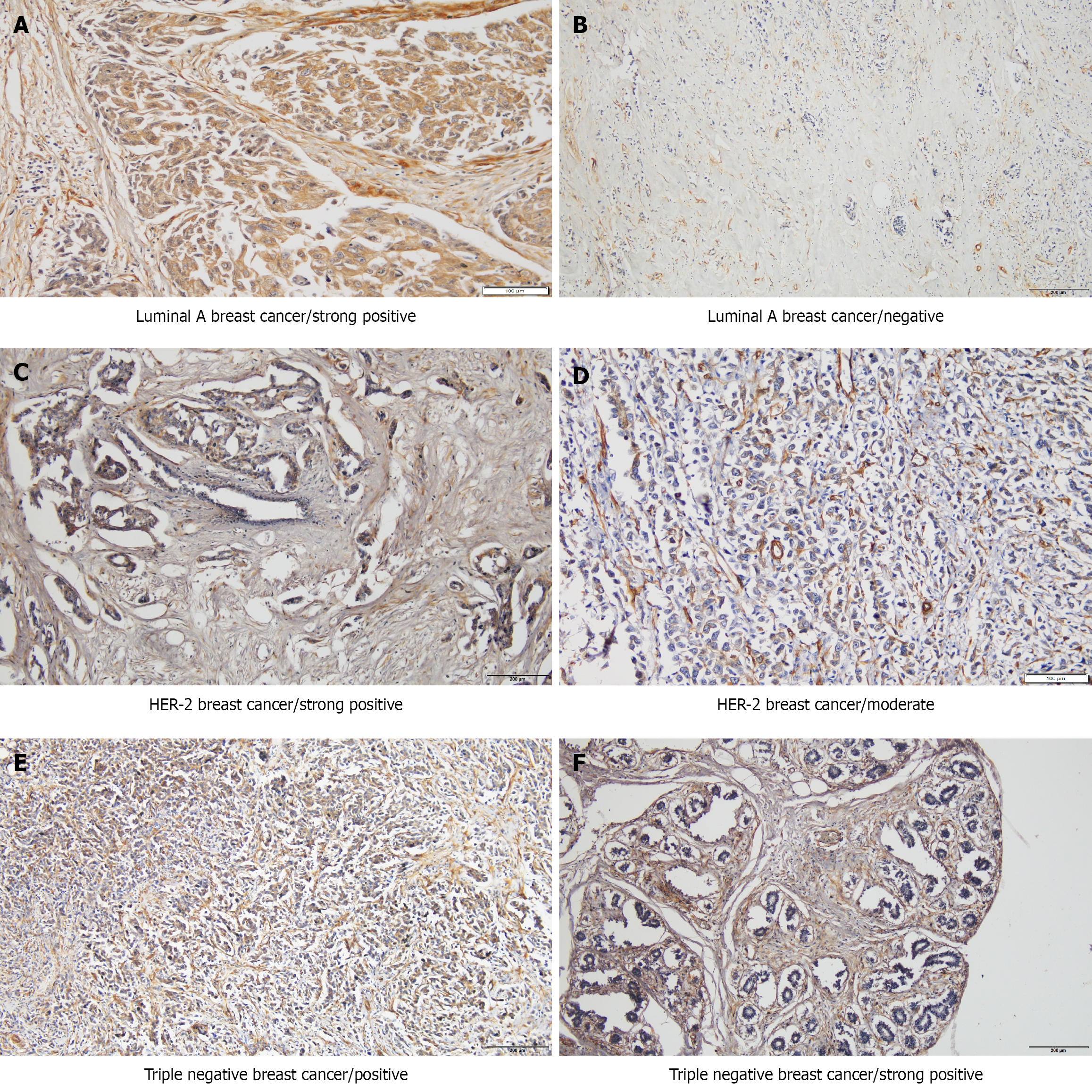
Figure 5 Immunohistochemical expression of the low-molecular-weight isoform of caldesmon in formalin-fixed, paraffin-embedded tissues from resected breast cancers.
A: Luminal A breast cancer sample showing strong cytoplasmic low-molecular-weight isoform of caldesmon (l-CAD) positivity; B: Sample from luminal A breast cancer showing negative l-CAD staining; C: HER-2 sample showing strong positive l-CAD expression; D: HER-2 sample showing moderate l-CAD expression; E and F: Triple-negative breast cancer sample showing positive to strong positive l-CAD expression.
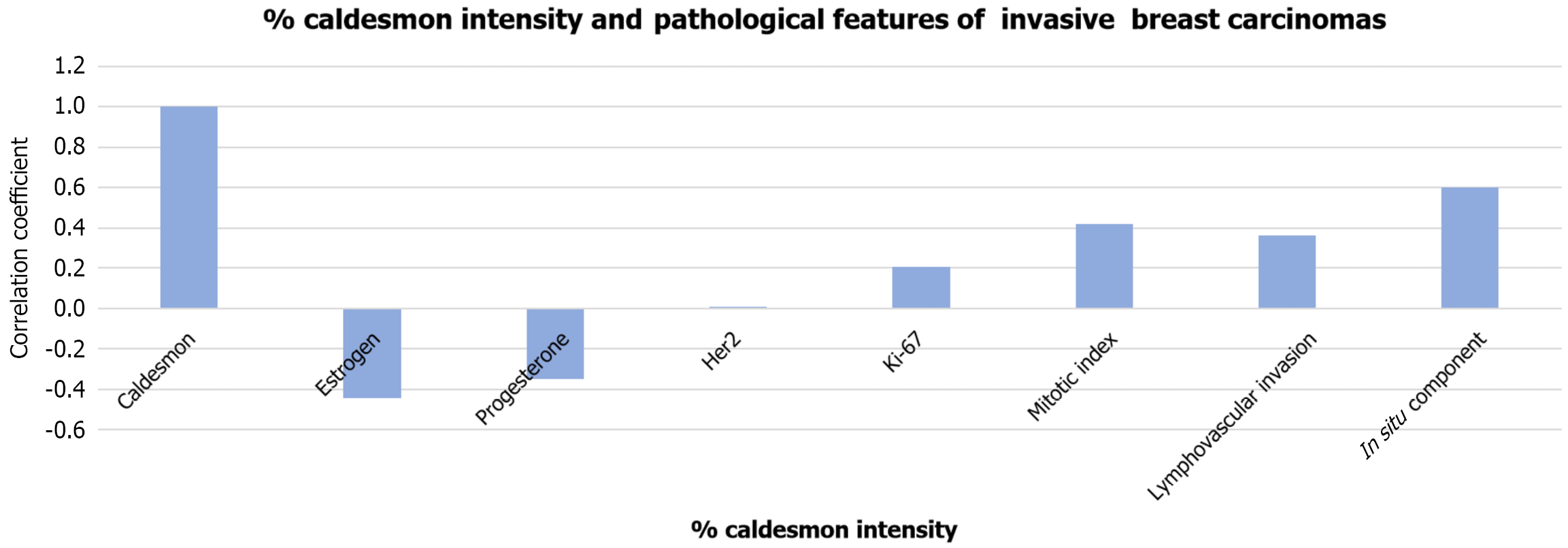
Figure 6 Correlation between low-molecular-weight isoform of caldesmon immunohistochemical intensity and clinicopathological features of invasive breast carcinoma.
Graph shows the correlation between the low-molecular-weight isoform of caldesmon (l-CAD) immunohistochemical scores in formalin-fixed, paraffin-embedded breast cancer and clinicopathological parameters. Positive correlation coefficients (> 0) indicate associations between l-CAD staining intensity and HER2-enriched breast cancer, lymphovascular invasion, and the presence of an in situ component. Negative correlation coefficients (< 0) indicate inverse associations between l-CAD expression and estrogen and progesterone receptor status.
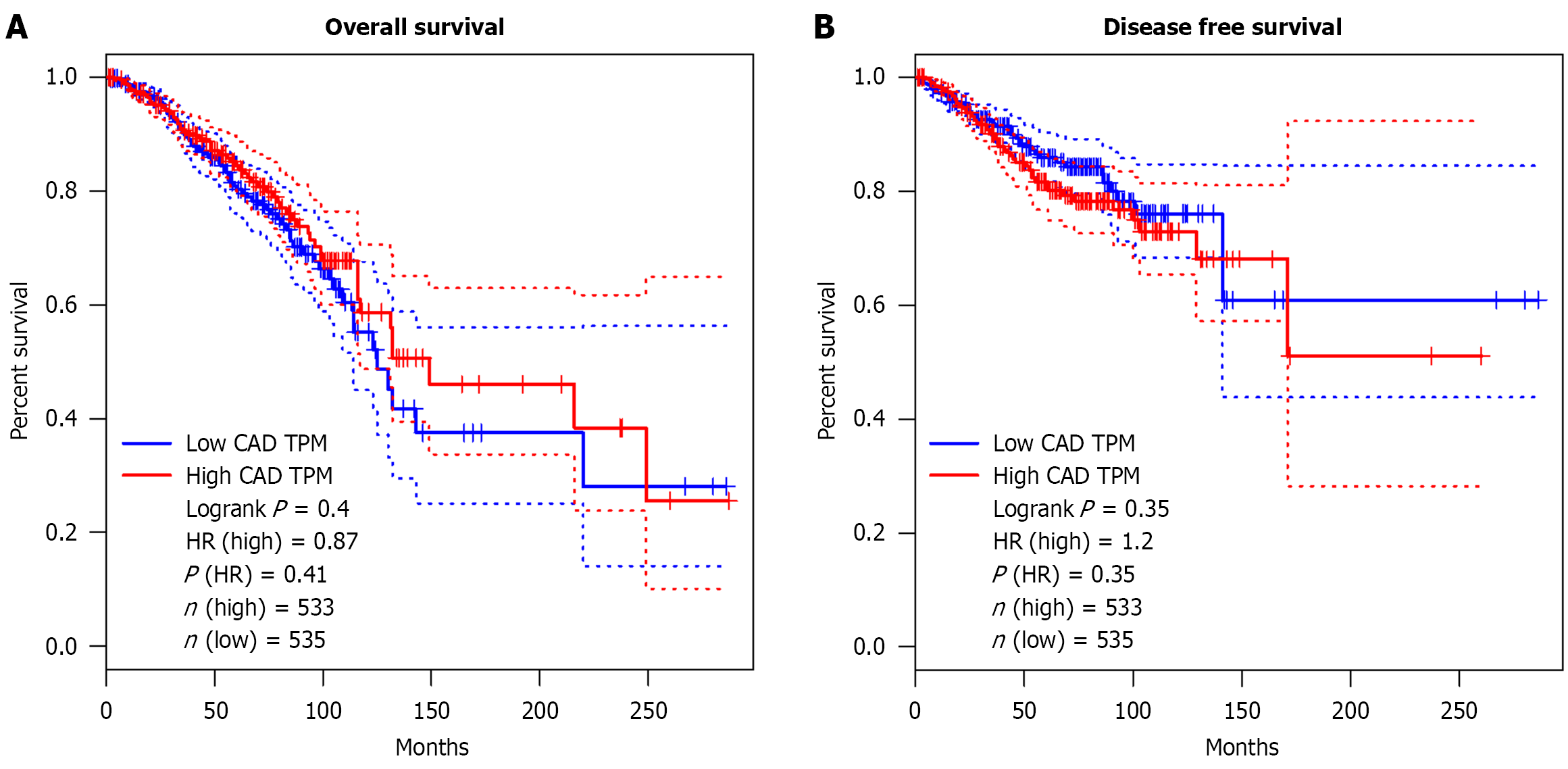
Figure 7 In silico analysis of CALD1 expression in breast cancer using The Cancer Genome Atlas dataset.
Analysis of CALD1 gene expression was performed using The Cancer Genome Atlas breast cancer cohort (n = 1070) via the Gene Expression Profiling Interactive Analysis platform at http://gepia.cancer-pku.cn/index.html (accessed on May 24, 2024). A: Kaplan-Meier survival curve shows the overall survival analysis of the cases of The Cancer Genome Atlas according to CALD1 gene expression status. The solid line represents the survival curve, and the dotted line represents the 69% confidence interval (hazard ratio = 0.94; P = 0.69, n = 1070); B: Disease-free survival analysis according to CALD1 expression status. Solid lines represent disease-free survival, and dotted lines represent the 95% confidence interval (hazard ratio = 0.97; P = 0.85, n = 1070). Median expression was used as the cutoff for group stratification. HR: Hazard ratio; TPM: Transcript per million; CAD: Caldesmon.
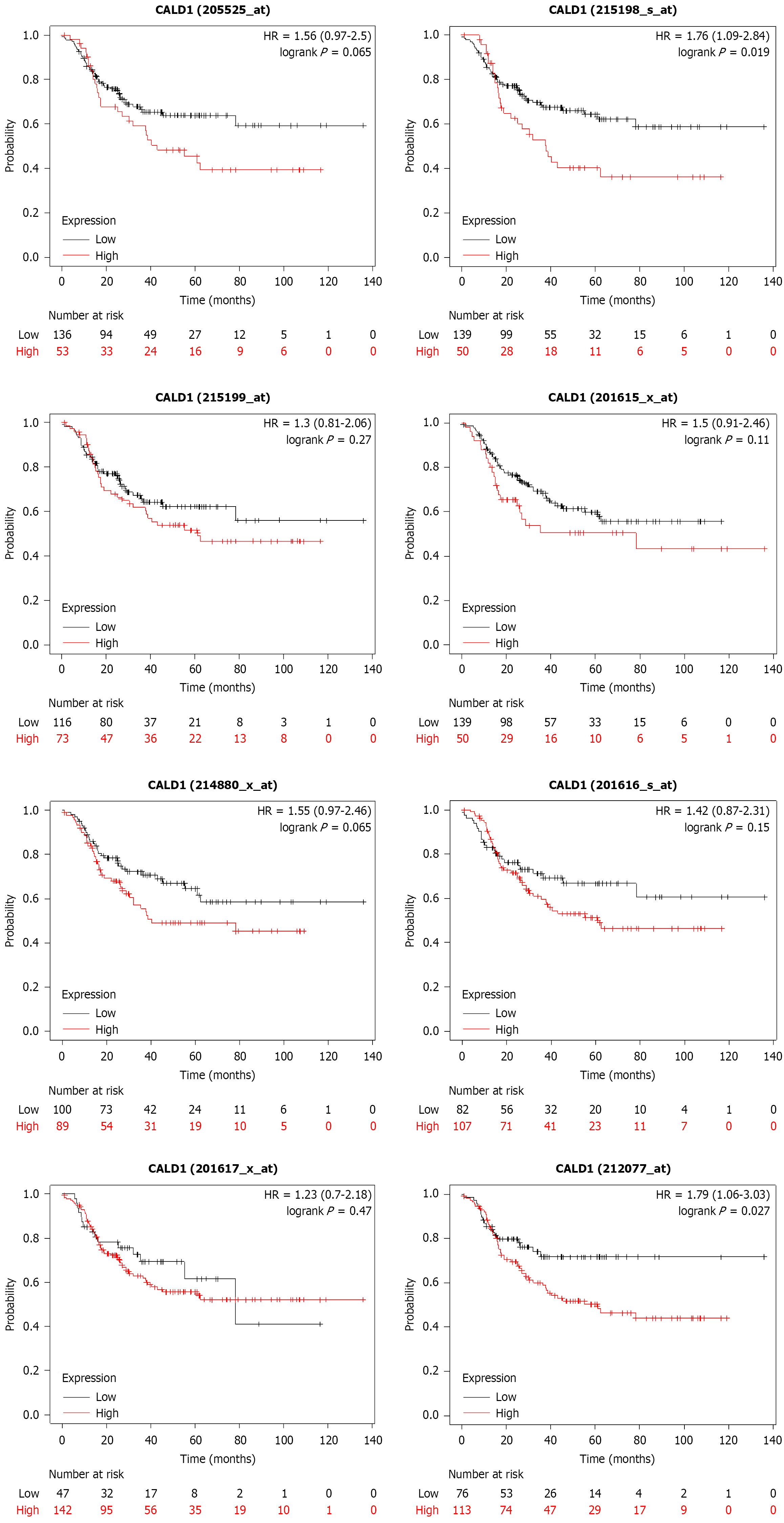
Figure 8 Prognostic significance of CALD1 expression in triple-negative breast cancer.
Kaplan-Meier Plotter analysis showing the association between CALD1 expression and overall survival in patients with triple-negative breast cancer selected based on molecular subtypes (estrogen receptor-negative, progesterone receptor-negative, HER2-negative) and lymph node-positive status. Survival analyses were generated using all available probe sets per gene across eight Affymetrix probe IDs. High expression of CALD1 is represented by the red curve, whereas low expression of CALD1 is represented by the black curve. Each panel displays the corresponding hazard ratio and P value. P < 0.05 indicates statistical significance. HR: Hazard ratio.
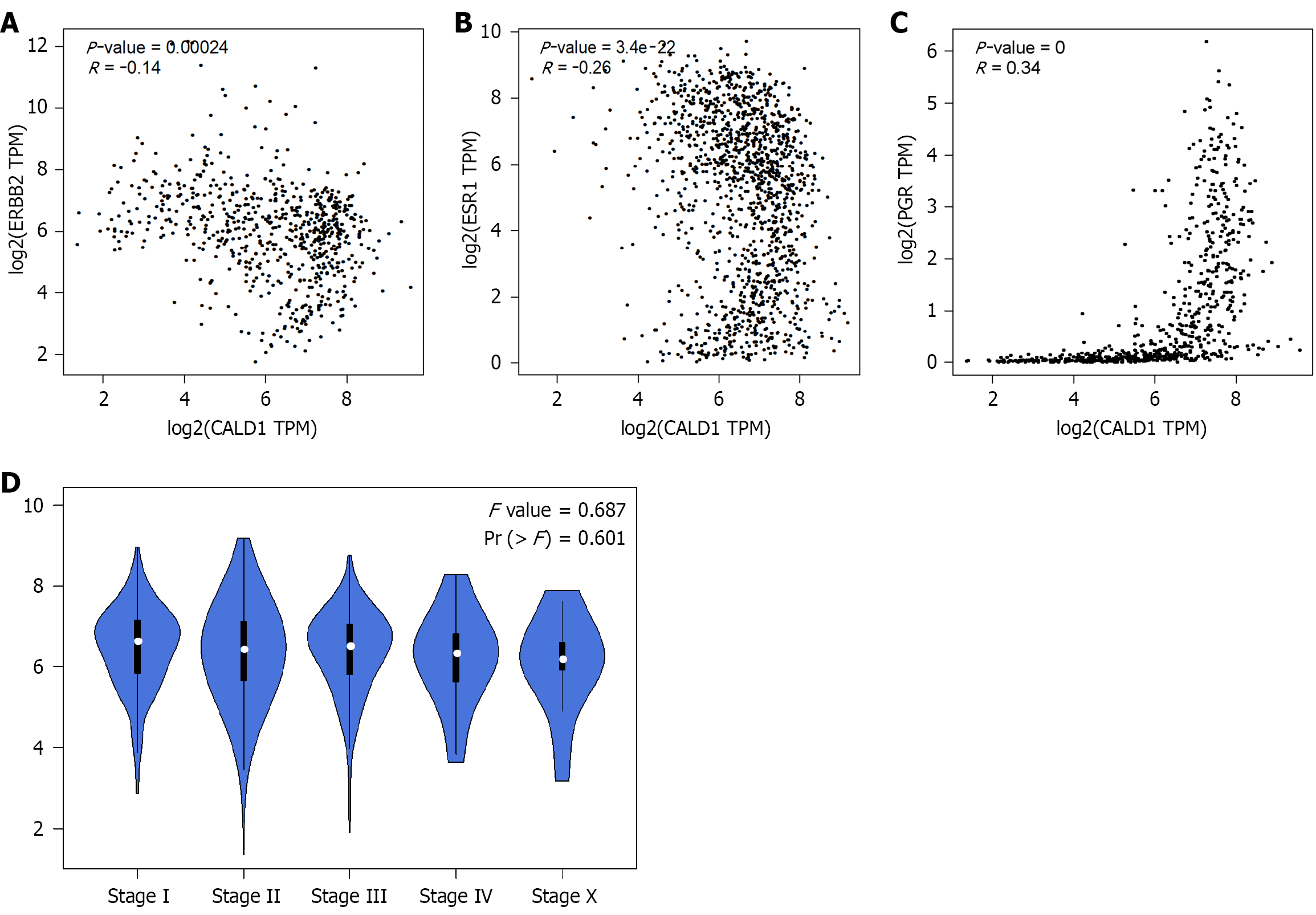
Figure 9 Correlation between CALD1 expression and clinicopathological features of breast cancer in The Cancer Genome Atlas cohort.
Correlation analyses between CALD1 gene expression and clinical parameters were performed using The Cancer Genome Atlas breast cancer dataset via the Gene Expression Profiling Interactive Analysis platform (http://gepia.cancer-pku.cn; accessed on June 4, 2024). A: High degree of correlation between CALD1 and ERBB2/HER2 expression (P = 0.00024, R = -0.14); B: High degree of correlation between CALD1 and ESR1/E2 expression (P = 3.4 × 10⁻²², R = -0.26); C: High degree of correlation between CALD1 and PGR expression (P = 0, R = 0.34); D: Association between CALD1 and pathological stage in breast cancer. TPM: Transcript per million.
- Citation: AlNuaimi A, Nair VA, Al-Khayyal N, Suliman A, Bou Malhab LJ, Hamoudi R, Hamad M, Talaat IM, Abdel-Rahman WM. Overexpression of low-molecular-weight caldesmon is associated with aggressive phenotypes and epithelial-mesenchymal transition in breast cancer cells. World J Clin Oncol 2026; 17(5): 116662
- URL: https://www.wjgnet.com/2218-4333/full/v17/i5/116662.htm
- DOI: https://dx.doi.org/10.5306/wjco.v17.i5.116662