
















Copyright: ©Author(s) 2026.
World J Clin Oncol. Apr 24, 2026; 17(4): 118070
Published online Apr 24, 2026. doi: 10.5306/wjco.v17.i4.118070
Published online Apr 24, 2026. doi: 10.5306/wjco.v17.i4.118070
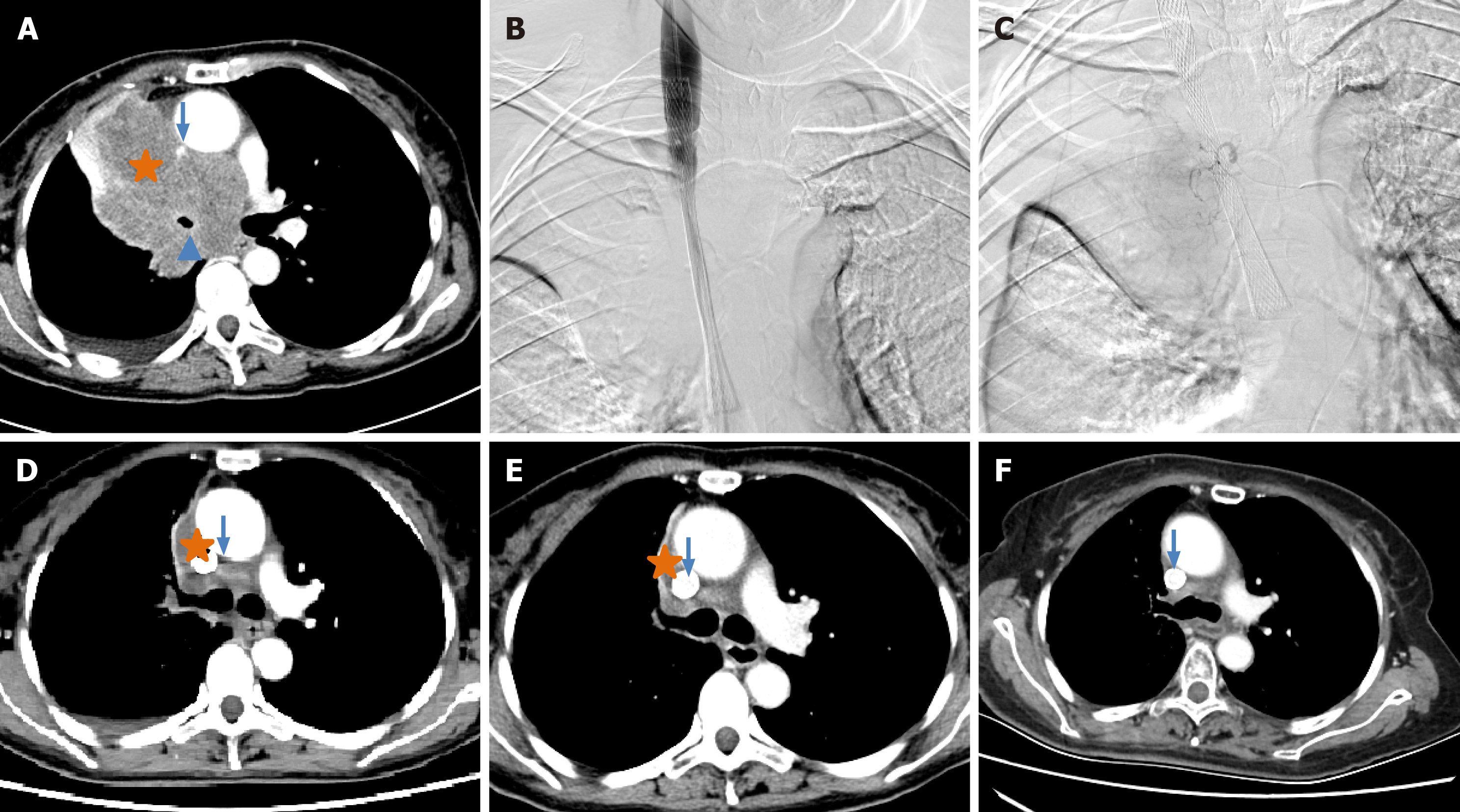
Figure 1 A 66-year-old woman with advanced squamous cell carcinoma treated using drug-eluting bead transarterial chemoembolization in the gemcitabine group.
A: Chest computerized tomography examination revealed a malignant tumour (asterisk) in the right upper lung with a severe airway stricture (triangle arrow) and occluded superior vena cava (long arrow); B: A vascular stent was placed in the occluded superior vena cava; C: The right bronchial artery was embolised using gemcitabine-eluting beads; D: The lung tumour (asterisk) was found to shrink at the 2-month follow-up; E: At the 4-month follow-up, a reduction in the lung tumour (asterisk) was observed; F: Complete resolution occurred after 28 months, with an unobstructed superior vena cava (long arrow).
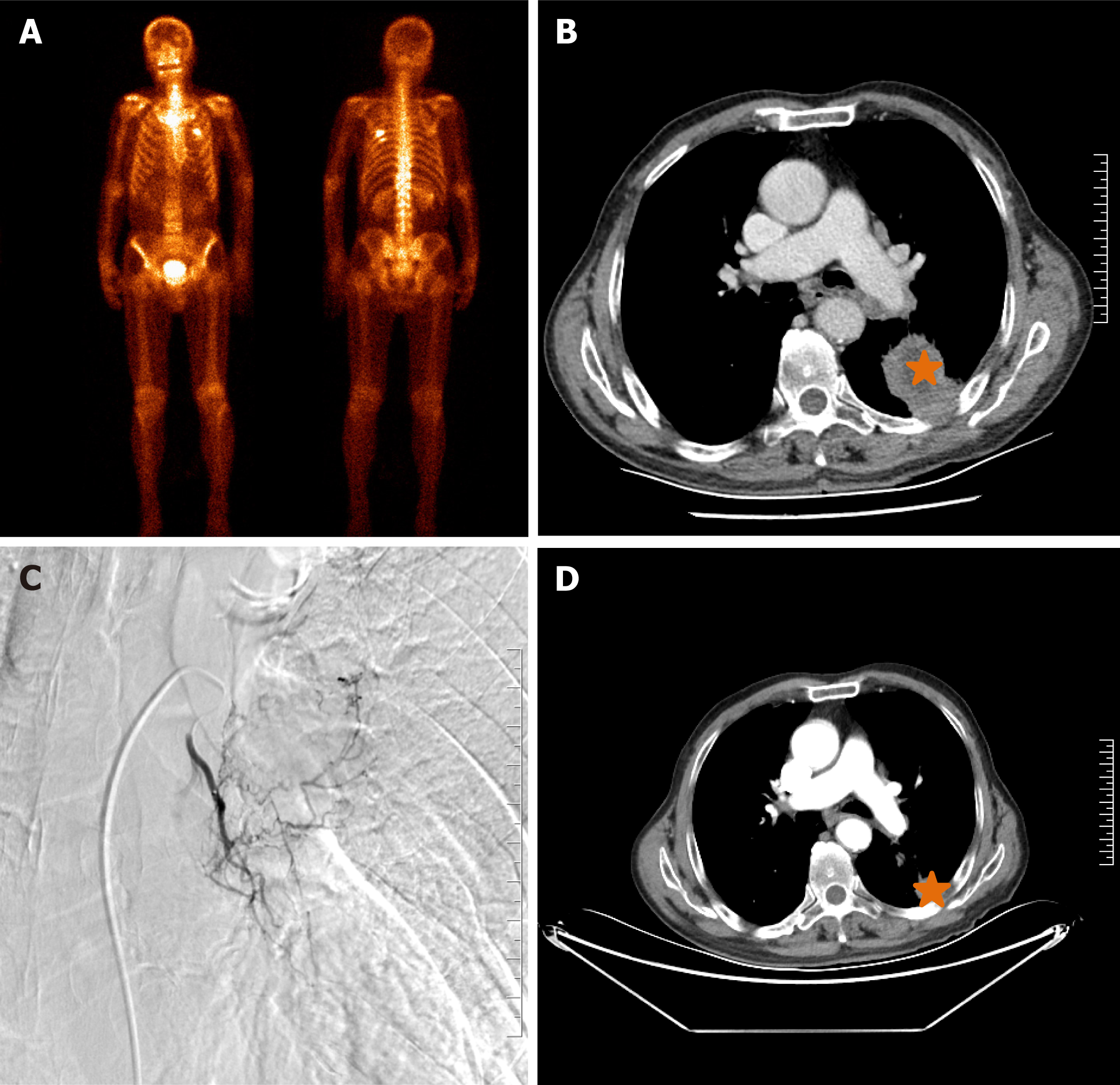
Figure 2 A 78-year-old man with advanced squamous cell carcinoma treated using drug-eluting bead transarterial chemoembolization in the doxorubicin group.
A: Bone scintigraphy examination revealed a left rib metastasis; B: Chest computerized tomography examination revealed a malignant tumour in the left lung (asterisk); C: The left bronchial artery was catheterised, and the blood-supplying artery was embolised using doxorubicin-eluting beads; D: The left lung tumour (asterisk) was found to shrink at the 16-month follow-up, and this man died of tumour progression after 7 months.
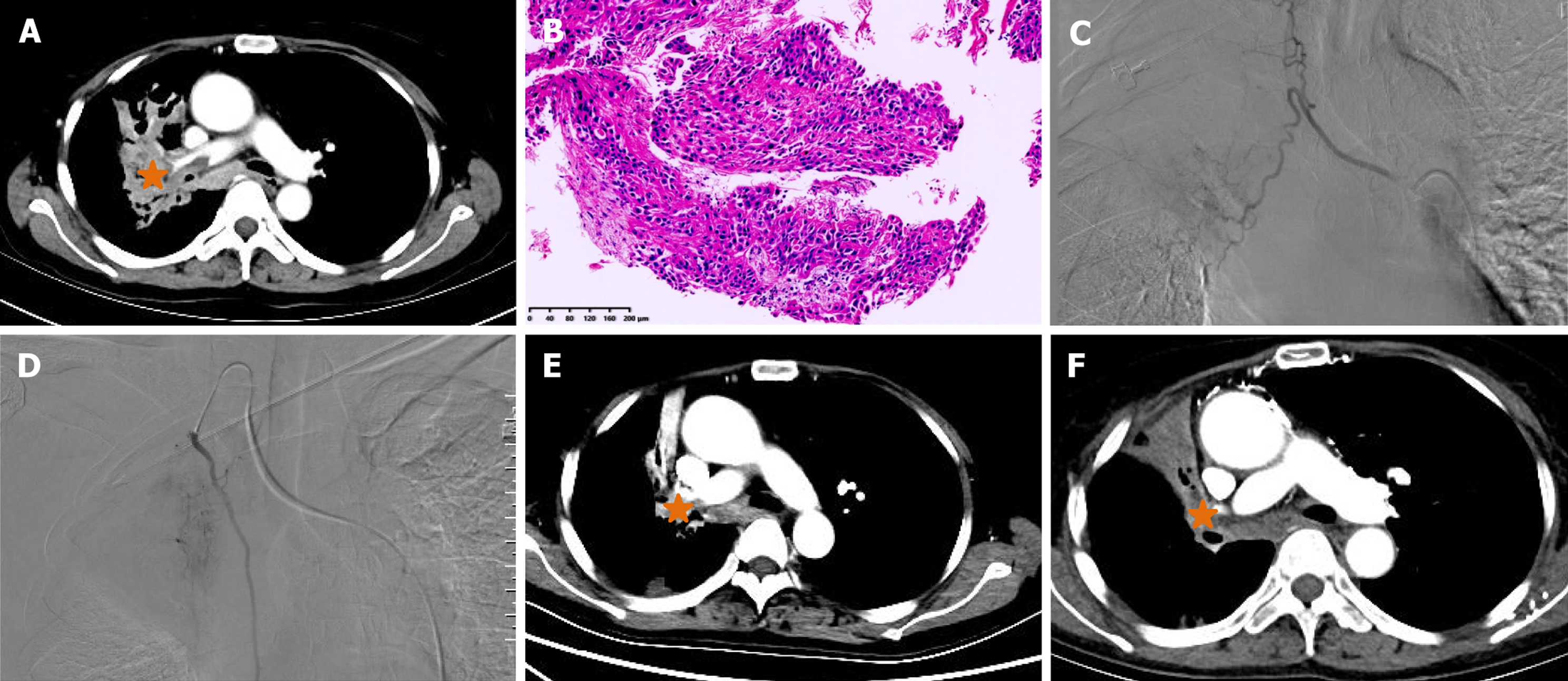
Figure 3 A 64-year-old woman treated using drug-eluting bead transarterial chemoembolization in the oxaliplatin group.
A: Chest computed tomography revealed a malignant tumour in the right lung (asterisk), associated with obstructive atelectasis; B: Pathology demonstrated squamous cell carcinoma; C: The right bronchial artery was the blood-supplying artery of the tumour and was embolised using oxaliplatin-eluting beads; D: The right intercostal artery was also embolised; E: The lung tumour (asterisk) was found to shrink at the 1-month follow-up; F: The tumour (asterisk) showed stable disease after 55 months, and the patient died of tumour progression after 88 months.
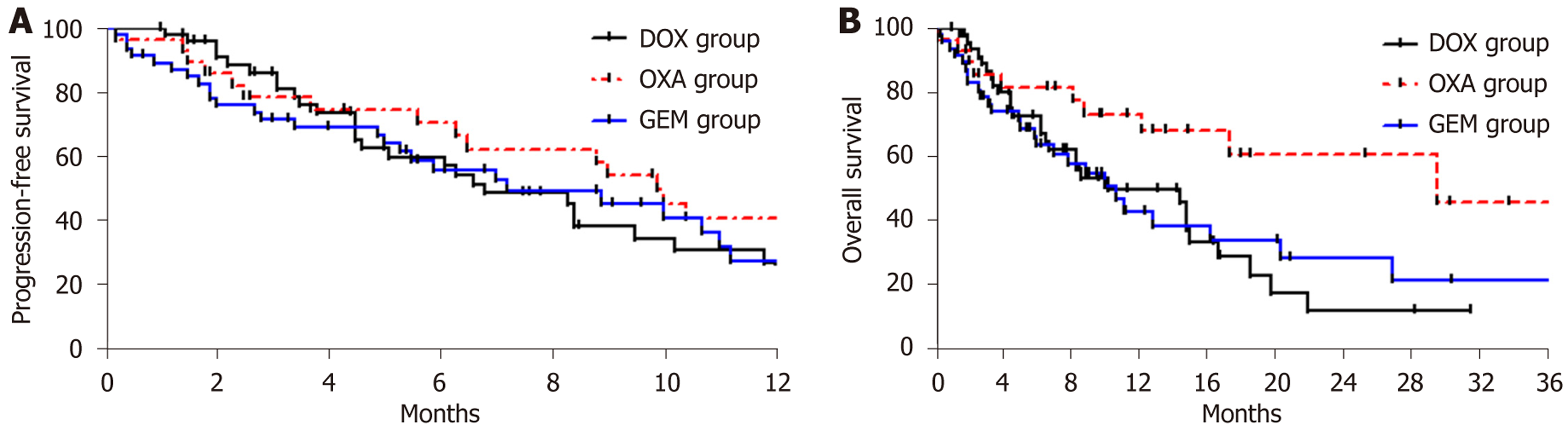
Figure 4 Survival follow-up.
A: Progression-free survival was the highest in the oxaliplatin (OXA) group (median: 9.9 months, interquartile range (IQR): 2.5-13.4 months), followed by the gemcitabine (GEM) (median: 7.2 months, IQR: 2.0-9.2 months) and doxorubicin (DOX) (median: 6.8 months, IQR: 2.7-8.4 months) groups (P = 0.31, χ2 = 2.363); B: The OXA group exhibited increased overall survival (median: 29.6 months, IQR: 4.6-18.5 months) compared with the GEM (median: 10.7 months, IQR: 3.1-11.2 months, P = 0.04, χ2 = 4.357) and DOX (median: 10.2 months, IQR: 3.8-14.5 months) groups (P = 0.02, χ2 = 5.875). DOX: Doxorubicin; OXA: Oxaliplatin; GEM: Gemcitabine.
- Citation: Yuan HF, Kuang DL, Jiao DC, Bi YH. Three kinds of drug-eluting bead transarterial chemoembolisation for treating patients with unresectable non-small cell lung cancer. World J Clin Oncol 2026; 17(4): 118070
- URL: https://www.wjgnet.com/2218-4333/full/v17/i4/118070.htm
- DOI: https://dx.doi.org/10.5306/wjco.v17.i4.118070