
















©The Author(s) 2026.
World J Clin Oncol. Feb 24, 2026; 17(2): 115245
Published online Feb 24, 2026. doi: 10.5306/wjco.v17.i2.115245
Published online Feb 24, 2026. doi: 10.5306/wjco.v17.i2.115245
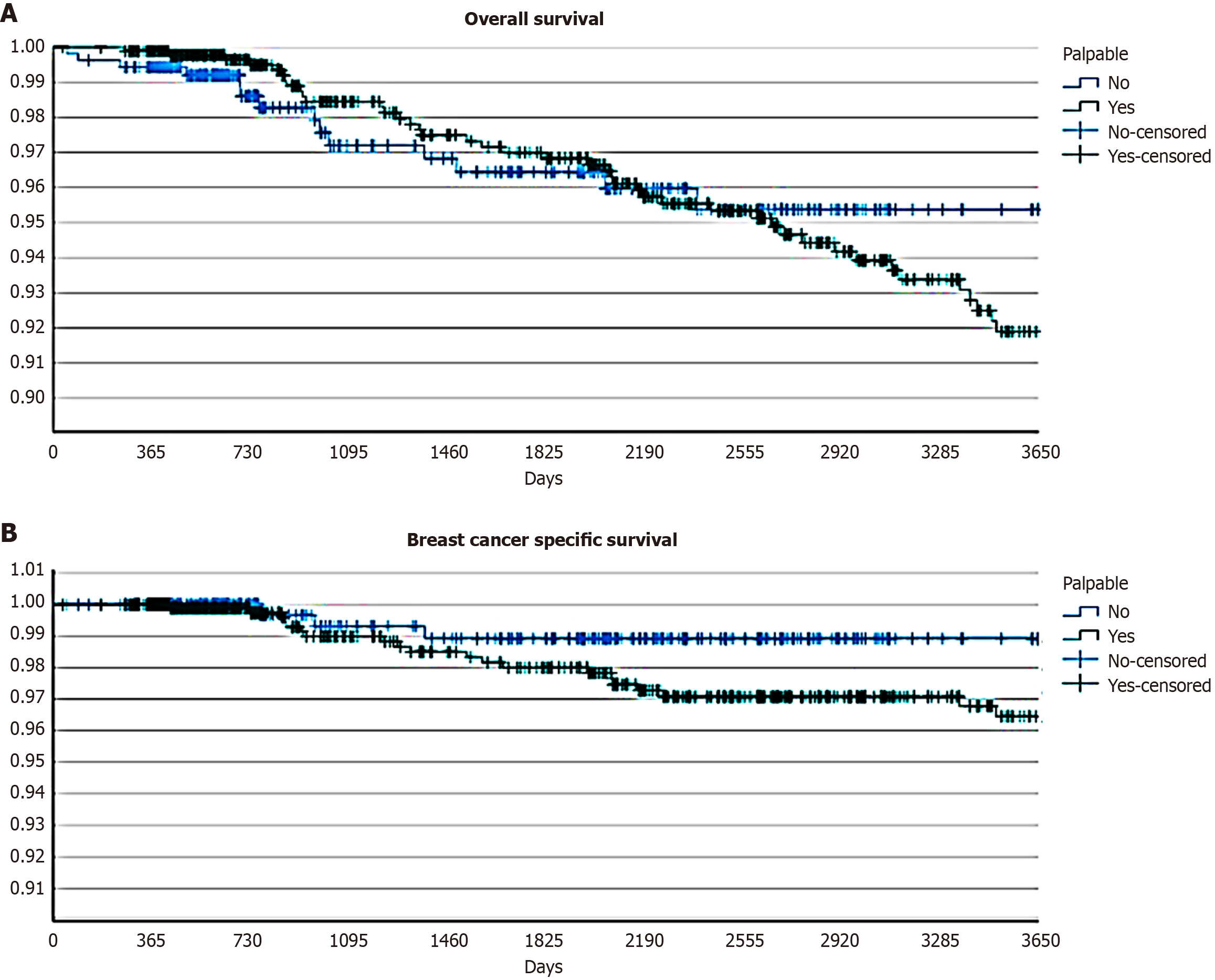
Figure 1 Kaplan-Meier estimated 10-year overall survival and breast cancer-specific survival stratified by palpable vs non-palpable lesion status.
A: Overall survival; B: Breast cancer-specific survival.
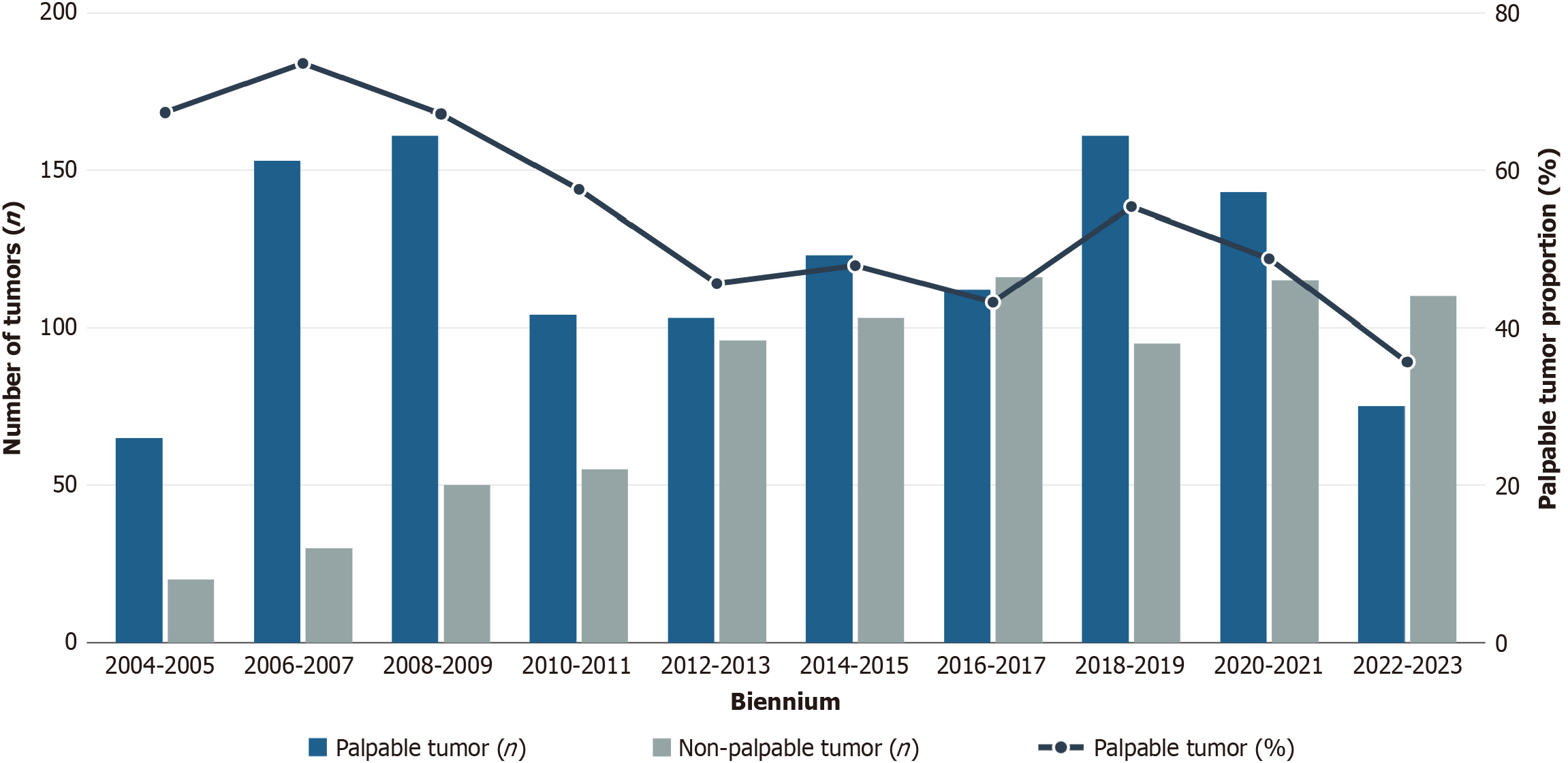
Figure 2
Biennial incidence of palpable and non-palpable tumors, and temporal trend in the proportion of palpable tumors among all diagnosed cases.
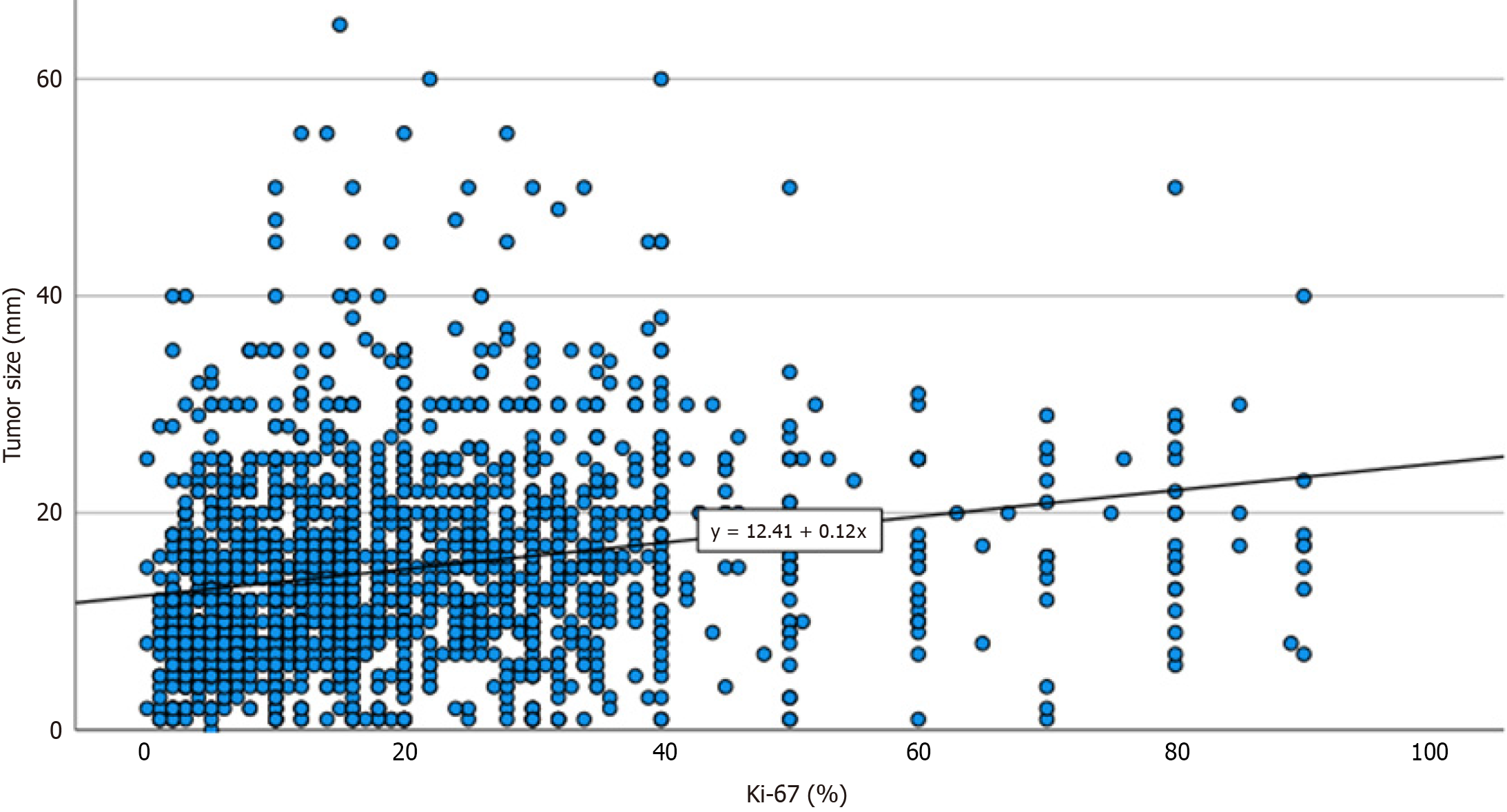
Figure 3 Correlation between tumor size and Ki-67.
Spearman’s correlation analysis revealed a weak but statistically significant positive association between histological diameter and Ki-67 index (P = 0.282, P < 0.001), suggesting that larger tumor size may correlate with higher proliferative activity.
- Citation: Improta L, Stanzani G, Vitale V, Yusef M, Tinghino S, Lombardi A. Palpable vs non-palpable breast cancers in screened populations: Clinicopathological features and prognostic implications. World J Clin Oncol 2026; 17(2): 115245
- URL: https://www.wjgnet.com/2218-4333/full/v17/i2/115245.htm
- DOI: https://dx.doi.org/10.5306/wjco.v17.i2.115245