
















©The Author(s) 2026.
World J Clin Oncol. Feb 24, 2026; 17(2): 114622
Published online Feb 24, 2026. doi: 10.5306/wjco.v17.i2.114622
Published online Feb 24, 2026. doi: 10.5306/wjco.v17.i2.114622
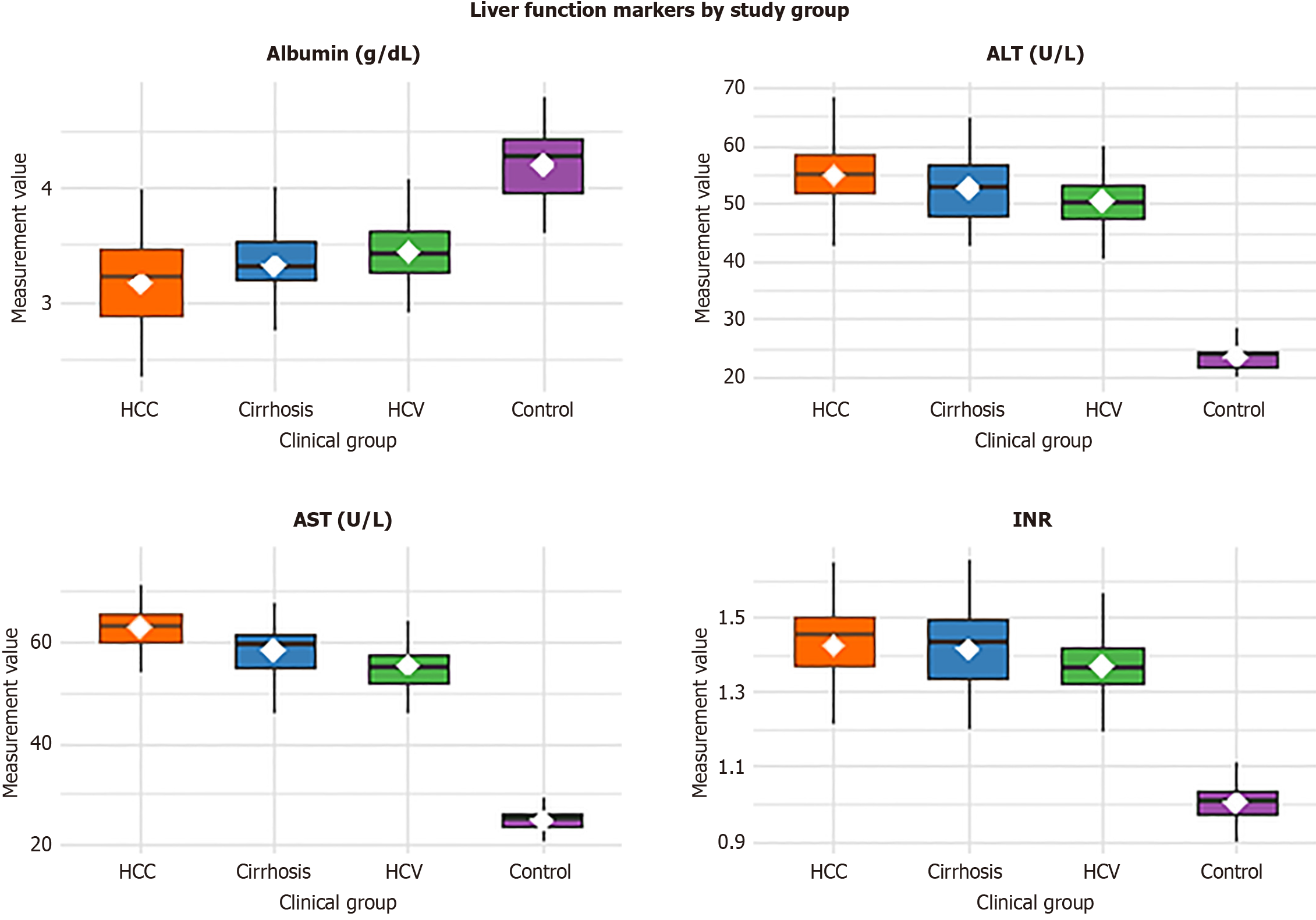
Figure 1 Box Plots of liver function markers across study groups.
Box plots of liver function markers [alanine aminotransferase (ALT), aspartate aminotransferase (AST), albumin, international normalized ratio (INR)] in hepatocellular carcinoma (n = 50), cirrhosis (n = 50), hepatitis C virus (n = 50), and control (n = 50) groups. Boxes represent interquartile ranges, whiskers show range, and horizontal lines indicate medians (ALT, AST) or means (albumin, INR). P-values from Kruskal-Wallis (ALT, AST) and ANOVA (albumin, INR) indicate significant differences. ALT: Alanine aminotransferase; AST: Aspartate aminotransferase; INR: International normalized ratio.
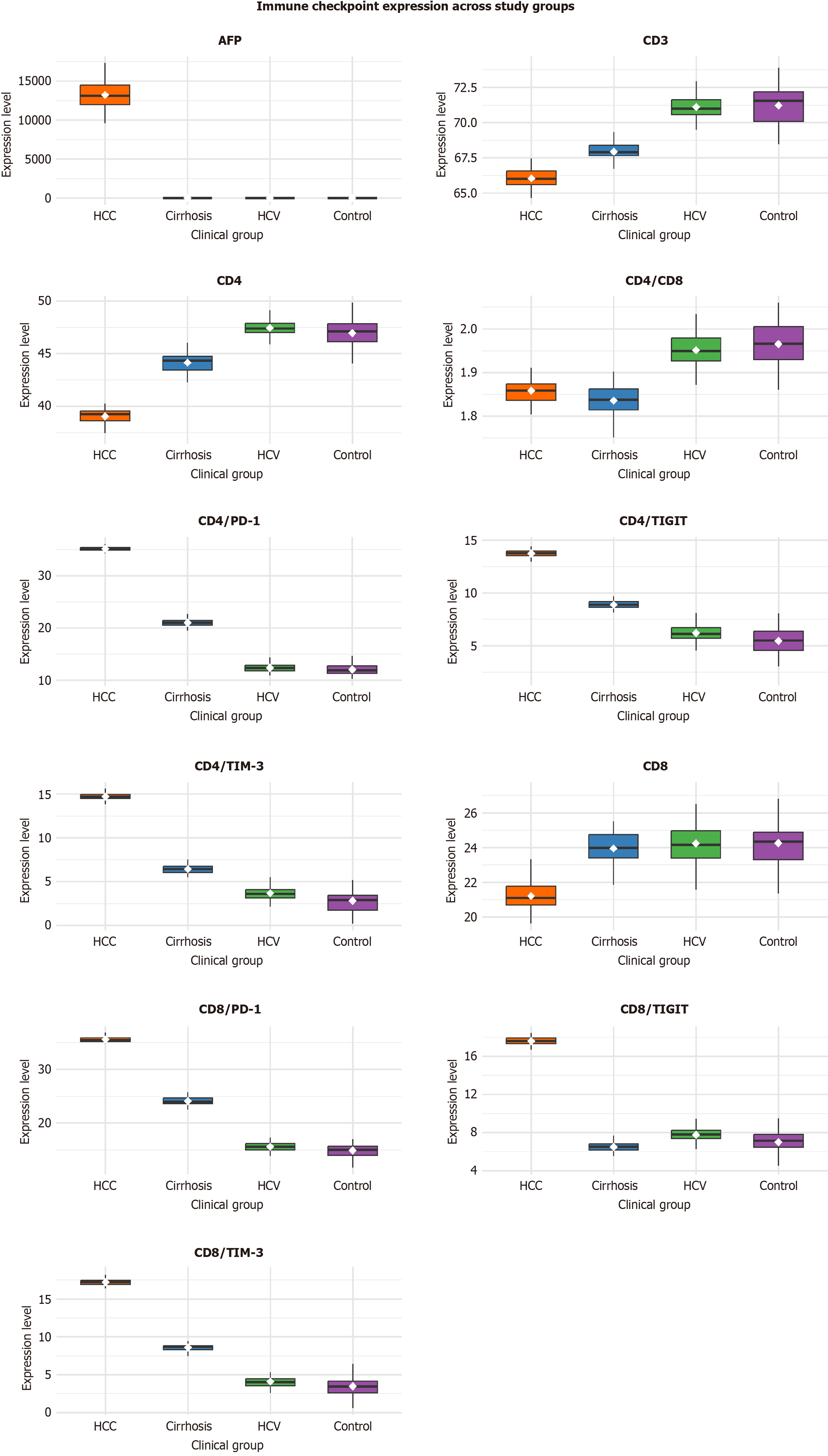
Figure 2 Box plots of immune checkpoint expression across study groups.
Box plots of immune checkpoint expression (CD4/programmed death 1, CD8/programmed death 1, CD4/T-cell immunoglobulin and ITIM domain, CD8/T-cell immunoglobulin and ITIM domain, CD4/T cell immunoglobulin and mucin domain-containing protein 3, CD8/T cell immunoglobulin and mucin domain-containing protein 3) and alpha-fetoprotein (AFP) in hepatocellular carcinoma (n = 50), cirrhosis (n = 50), hepatitis C virus (n = 50), and control (n = 50) groups. Boxes represent interquartile ranges, whiskers show range, and horizontal lines indicate medians (AFP) or means (immune markers). P-values from ANOVA (immune markers) and Kruskal-Wallis (AFP) indicate significant differences. AFP: Alpha-fetoprotein; PD-1: Programmed death 1; TIGIT: T-cell immunoglobulin and ITIM domain; TIM-3: T cell immunoglobulin and mucin domain-containing protein 3.
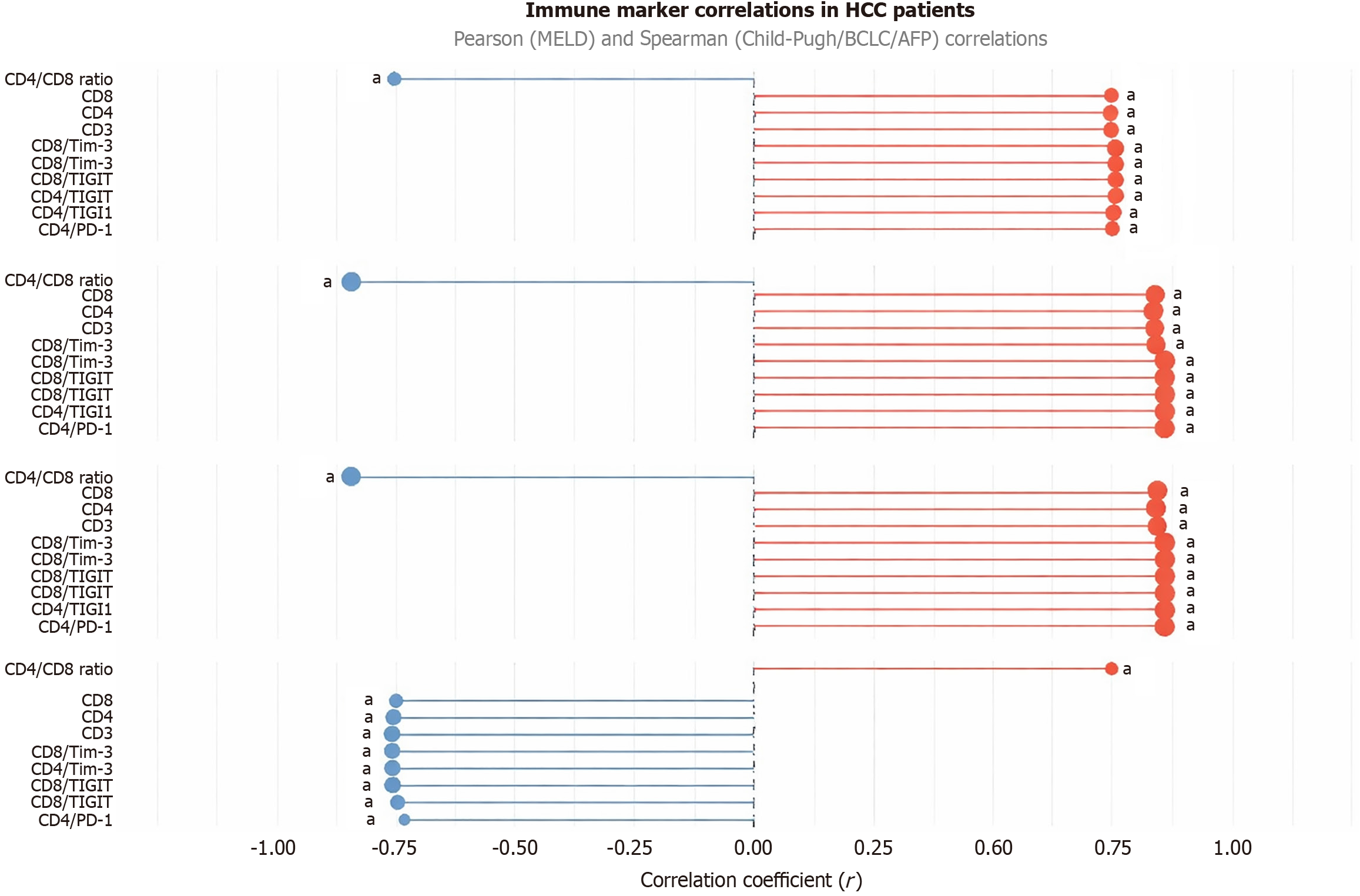
Figure 3 Immune checkpoint correlations with disease severity in hepatocellular carcinoma patients.
Lollipop plot (forest plot variant) displaying Pearson correlation coefficients for Model for End-Stage Liver Disease (MELD) score and Spearman correlation coefficients for Child-Pugh class, alpha-fetoprotein, and Barcelona Clinic Liver Cancer stage between immune cell subsets and clinical severity markers in hepatocellular carcinoma patients (n = 50). Points indicate correlation estimates (red = positive association, blue = negative association; point size is proportional to the absolute value of the correlation coefficient |r|), with horizontal lines marking 95% confidence intervals. Key findings: (1) Strong negative correlations between programmed death-1 T cell immunoglobulin and mucin domain-containing protein 3 T-cell immunoglobulin and ITIM domain expression and MELD score (e.g., CD4/programmed death-1: r = -0.73, P < 0.001); (2) Consistent positive correlations with Child-Pugh class and Barcelona Clinic Liver Cancer stage (e.g., CD4/T cell immunoglobulin and mucin domain-containing protein 3: r = 0.86, P < 0.001); and (3) Inverse correlation patterns for the CD4/CD8 ratio (MELD: r = 0.75, P < 0.001 vs Child-Pugh: r = -0.84, P < 0.001). aP < 0.001 after adjustment for age and sex. TIM-3: T cell immunoglobulin and mucin domain-containing protein 3; TIGIT: T-cell immunoglobulin and ITIM domain; AFP: Alpha-fetoprotein; BCLC: Barcelona Clinic Liver Cancer; MELD: Model for End-Stage Liver Disease; HCC: Hepatocellular carcinoma.
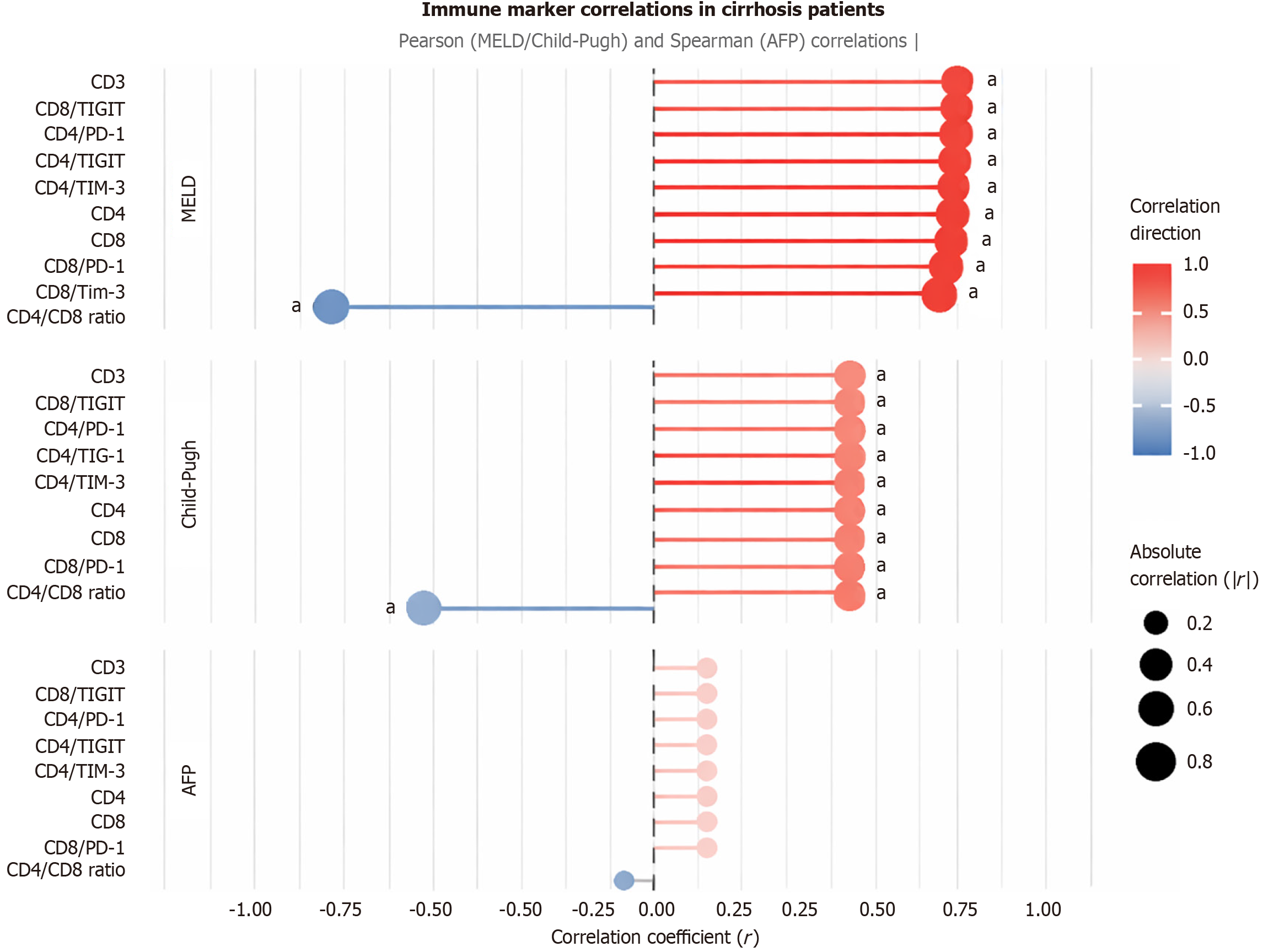
Figure 4 Immune checkpoint correlations with liver dysfunction in cirrhosis patients.
Lollipop plot (forest plot variant) showing Pearson correlation coefficients for Model for End-Stage Liver Disease (MELD) score and Child-Pugh class, and Spearman correlation coefficients for alpha-fetoprotein, between immune markers and clinical parameters in cirrhosis patients (n = 50). Points represent correlation coefficients (red = positive, blue = negative; point size is proportional to the absolute value of the correlation coefficient |r|), with lines extending to the null (r = 0). Key findings: (1) Near-perfect correlations with MELD (e.g., CD3: r = 0.93, P < 0.001); (2) Moderate associations with Child-Pugh class (r approximately of 0.56, P < 0.001); (3) No significant alpha-fetoprotein correlations (all P > 0.29); and (4) An inverse CD4/CD8 ratio pattern (MELD: r = -0.90, P < 0.001). aP < 0.001 after adjustment for age and sex. TIM-3: T cell immunoglobulin and mucin domain-containing protein 3; TIGIT: T-cell immunoglobulin and ITIM domain; AFP: Alpha-fetoprotein; BCLC: Barcelona Clinic Liver Cancer; MELD: Model for End-Stage Liver Disease.
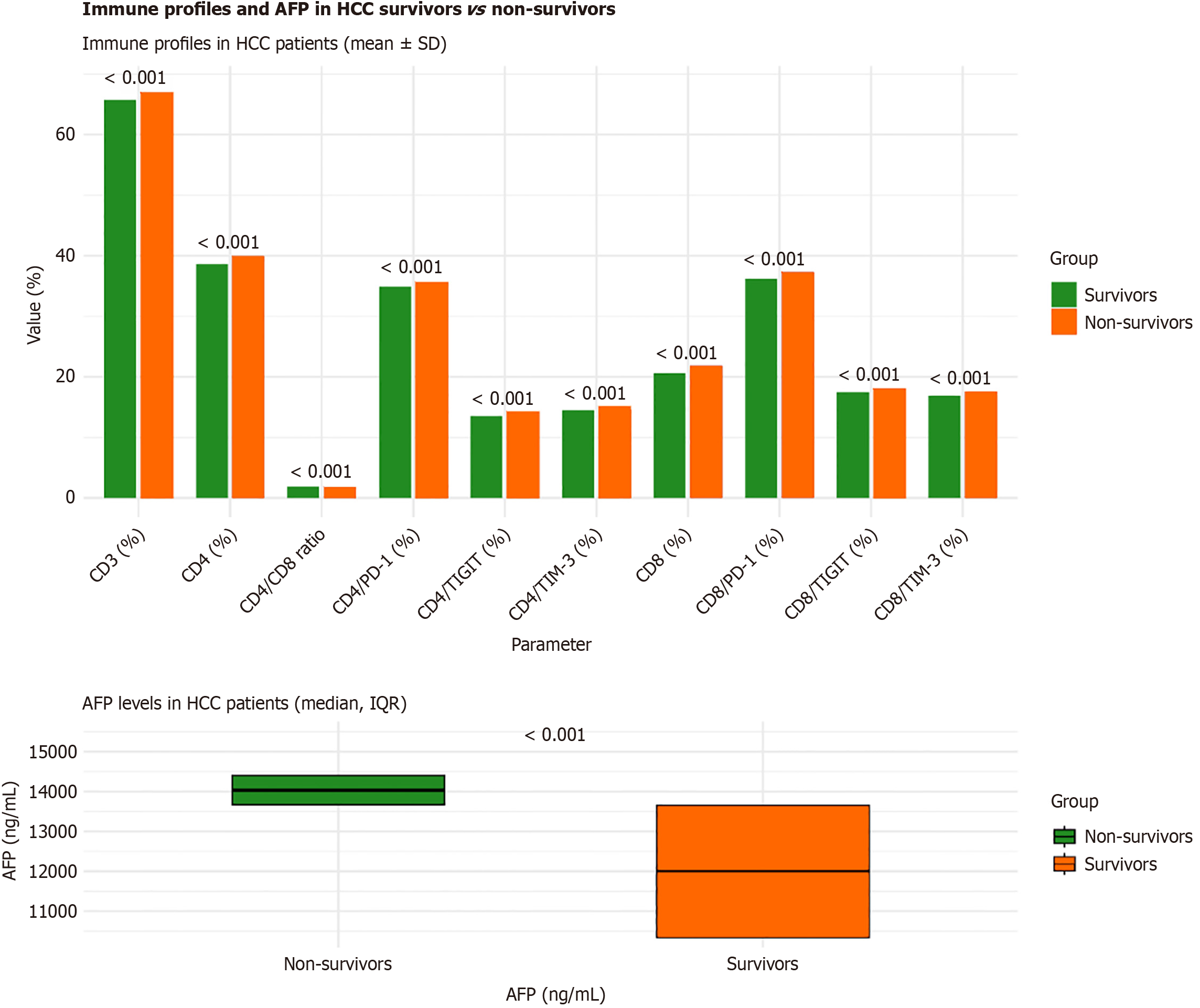
Figure 5 Immune profiles and alpha-fetoprotein in hepatocellular carcinoma survivors vs non-survivors.
Top panel: Bar plots showing mean ± SD of immune profiles (CD3, CD4, CD8, CD4/CD8 ratio, and immune checkpoint markers) in survivors (green, n = 33) and non-survivors (orange, n = 17). All comparisons were highly significant (P < 0.001, t-test/ANCOVA). Bottom panel: Alpha-fetoprotein levels (median, interquartile range) in survivors and non-survivors, also significantly higher in non-survivors (P < 0.001, Mann-Whitney U test). Legend: Green bars/boxes = survivors, orange bars/boxes = non-survivors. Error bars = SD (for immune markers) or interquartile range (for alpha-fetoprotein). P-values are shown in the above comparisons. AFP: Alpha-fetoprotein; HCC: Hepatocellular carcinoma; IQR: Interquartile range.
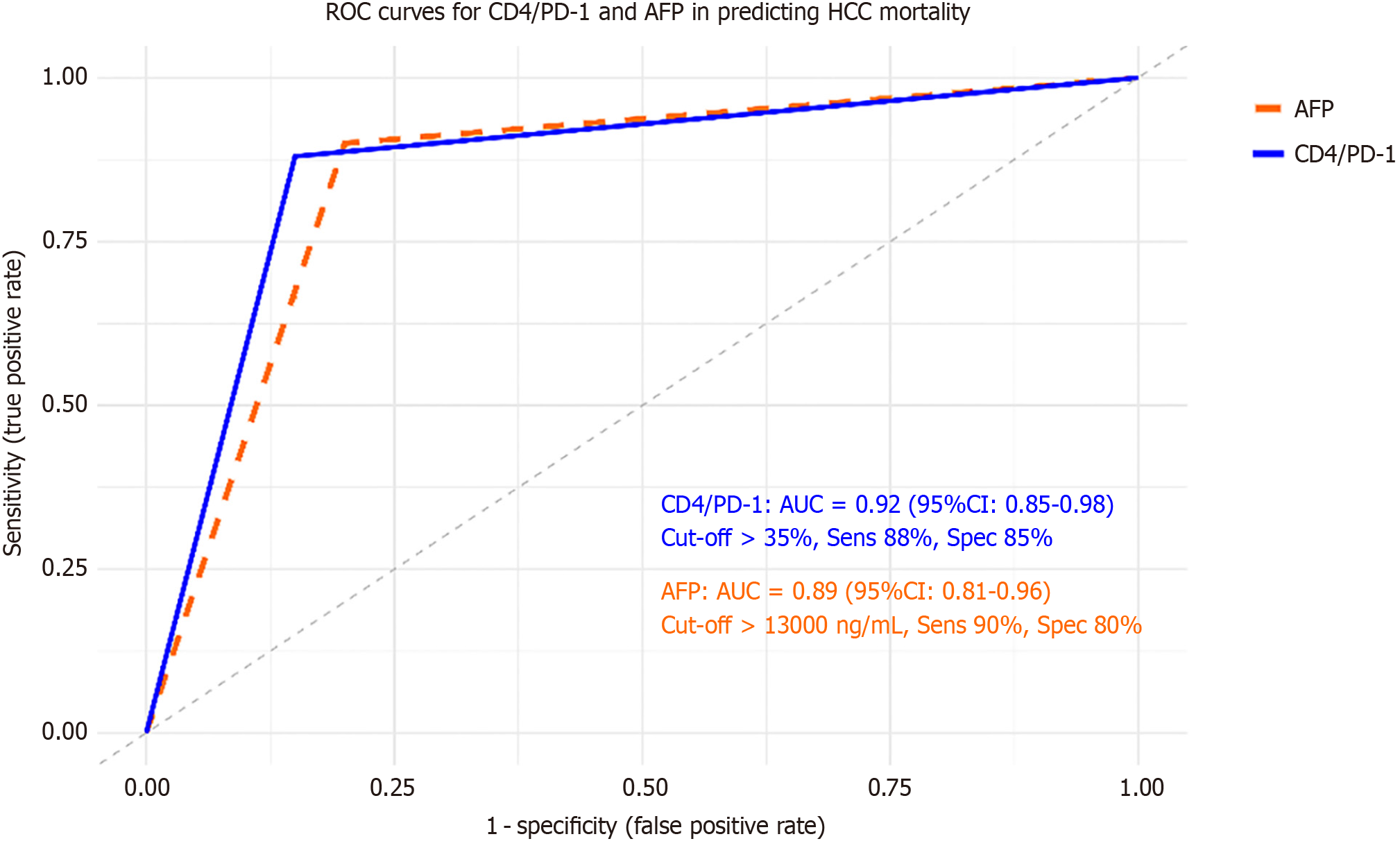
Figure 6 Receiver operating characteristic curves for CD4/programmed death 1 and alpha-fetoprotein in predicting hepatocellular carcinoma mortality.
Receiver operating characteristic curves for CD4/programmed death 1 (solid line, area under the curve = 0.92, 95% confidence interval: 0.85-0.98, cut-off > 35%, sensitivity 88%, specificity 85%) and alpha-fetoprotein (dashed line, area under the curve = 0.89, 95% confidence interval: 0.81-0.96, cut-off > 13000 ng/mL, sensitivity 90%, specificity 80%) in predicting hepatocellular carcinoma mortality. ROC: Receiver operating characteristic; PD-1: Programmed death 1; AFP: Alpha-fetoprotein; HCC: Hepatocellular carcinoma; AUC: Area under the curve; CI: Confidence interval; Sens: Sensitivity; Spec: Specificity.
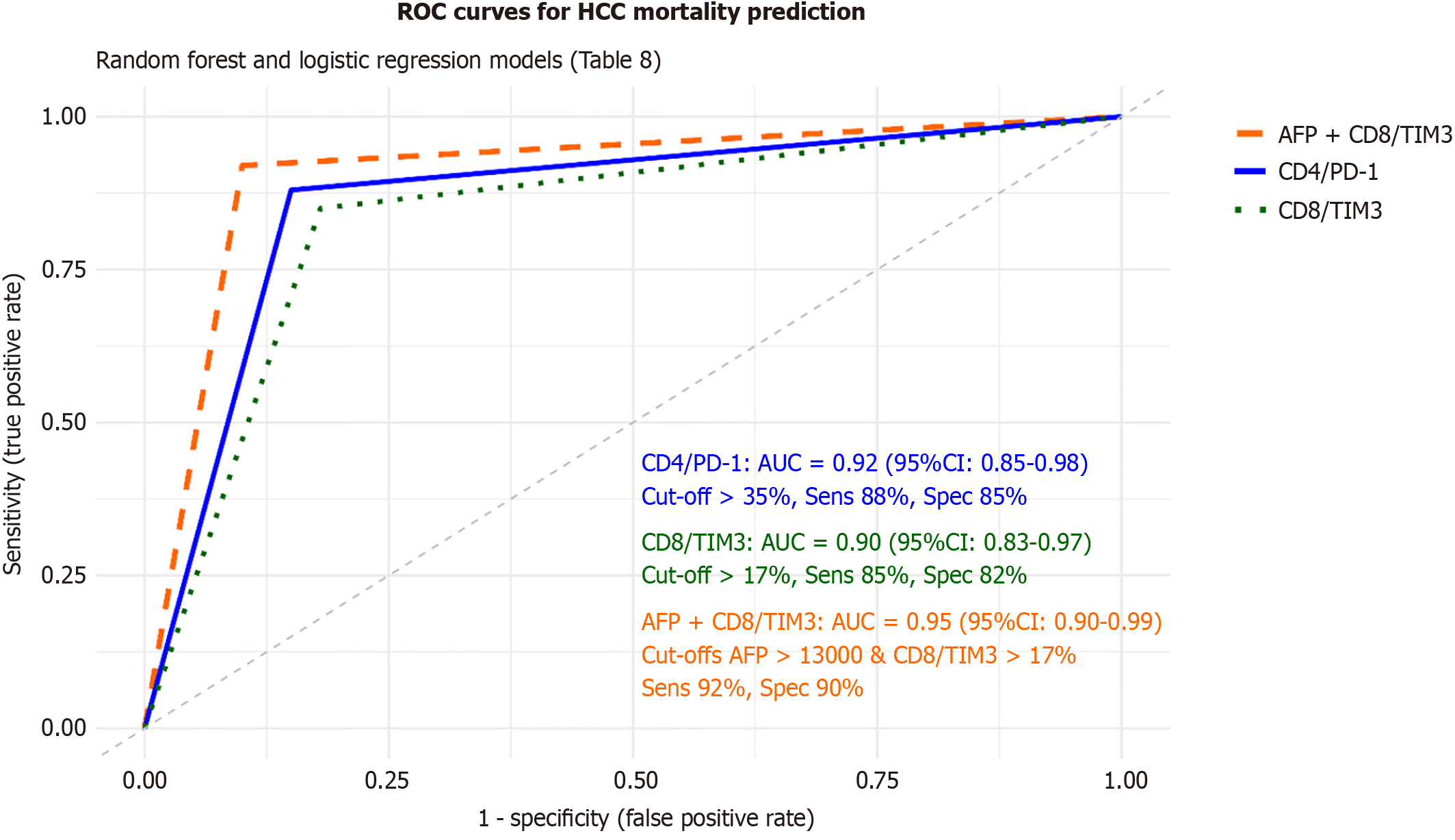
Figure 7 Receiver operating characteristic curves for hepatocellular carcinoma Mortality Prediction (random forest and logistic regression).
Receiver operating characteristic curves for CD4/programmed death 1 [solid blue line, area under the curve (AUC) = 0.92, 95% confidence interval (CI): 0.85-0.98, cut-off > 35%, sensitivity 88%, specificity 85%], CD8/T cell immunoglobulin and mucin domain-containing protein 3 (dotted green line, AUC = 0.90, 95%CI: 0.83-0.97, cut-off > 17%, sensitivity 85%, specificity 82%), and alpha-fetoprotein + CD8/T cell immunoglobulin and mucin domain-containing protein (dashed orange line, AUC = 0.95, 95%CI: 0.90-0.99, cut-off alpha-fetoprotein > 13000 ng/mL and CD8/T cell immunoglobulin and mucin domain-containing protein > 17%, sensitivity 92%, specificity 90%) in predicting hepatocellular carcinoma mortality. ROC: Receiver operating characteristic; HCC: Hepatocellular carcinoma; PD-1: Programmed death 1; AUC: Area under the curve; CI: Confidence interval; AUC: Area under the curve; TIM3: T cell immunoglobulin and mucin domain-containing protein; AFP: Alpha-fetoprotein; Sens: Sensitivity; Spec: Specificity.
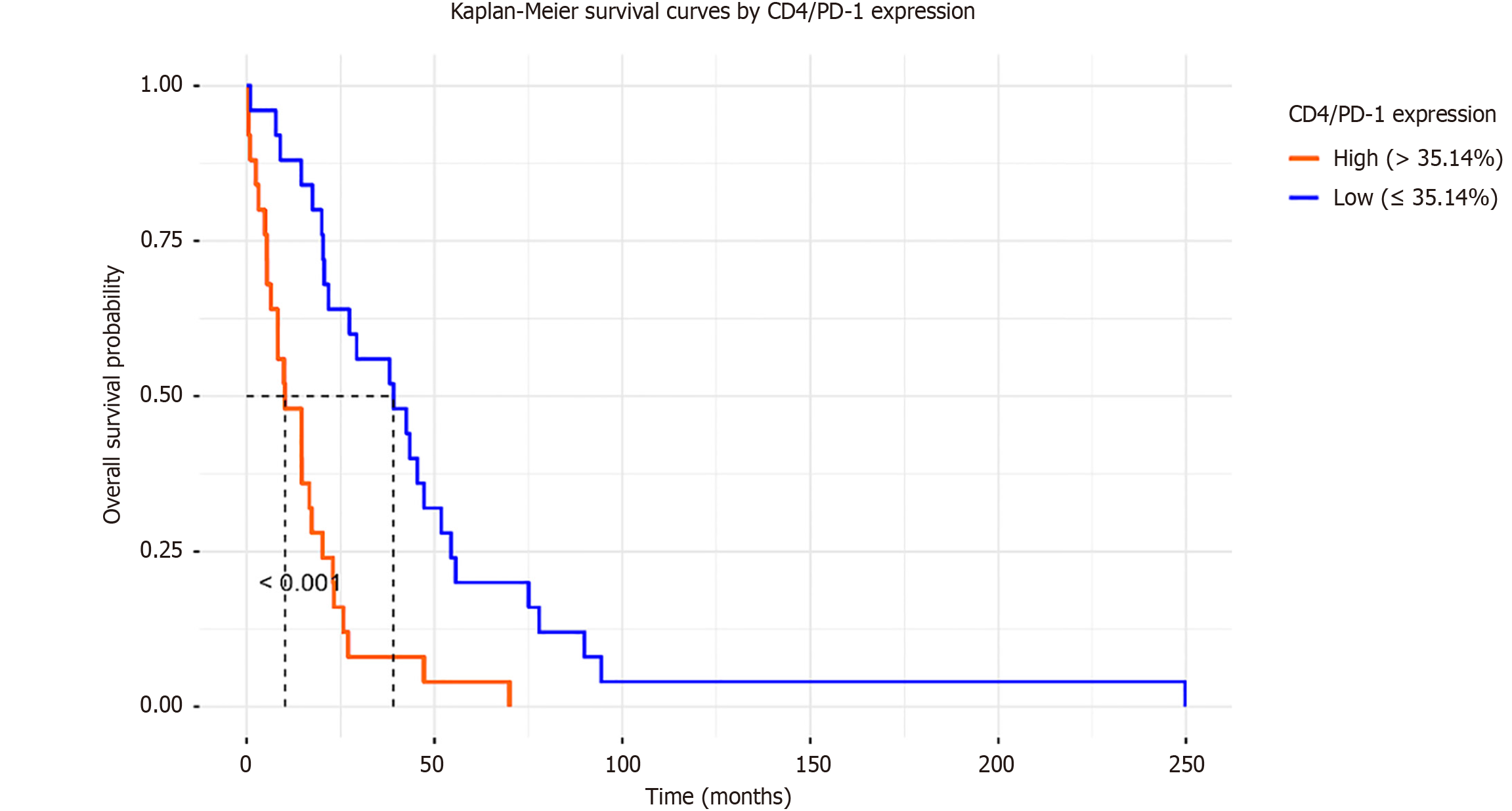
Figure 8 Kaplan-Meier survival curves for hepatocellular carcinoma patients by CD4/programmed death 1 expression.
Kaplan-Meier survival curves comparing hepatocellular carcinoma patients with high (solid line) vs low (dashed line) CD4/programmed death 1 expression (cut-off: Median 35.14). High-expression: 12 months; low-expression: 24 months (log-rank P < 0.001). PD-1: Programmed death 1.
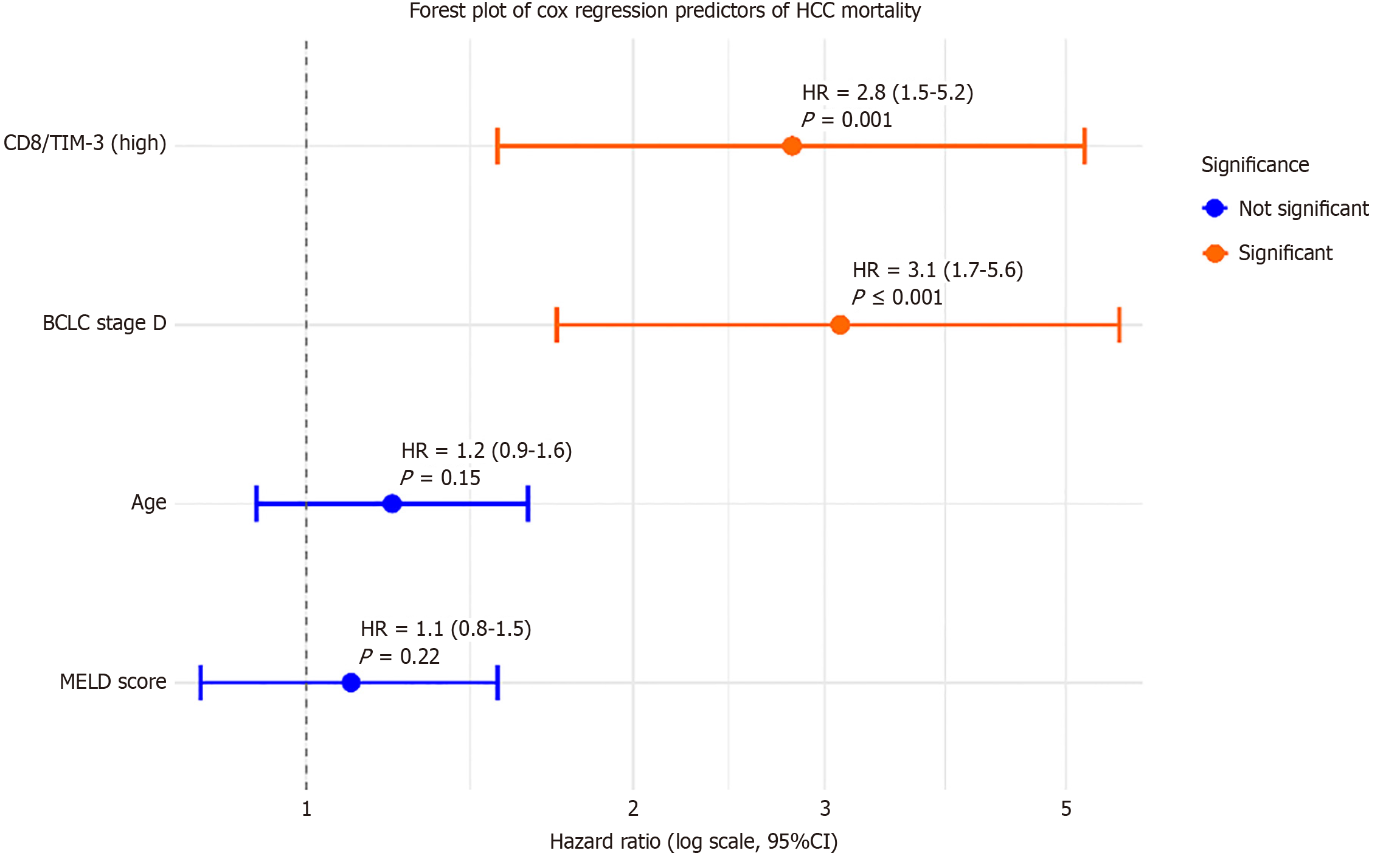
Figure 9 Forest plot of Cox regression predictors of hepatocellular carcinoma mortality.
Forest plot displaying hazard ratios (hazard ratios, 95% confidence interval) for CD8/T cell immunoglobulin and mucin domain-containing protein 3, Barcelona Clinic Liver Cancer stage D, age, and Model for End-Stage Liver Disease score. CD8/T cell immunoglobulin and mucin domain-containing protein 3 and Barcelona Clinic Liver Cancer D remained significant predictors of mortality. HCC: Hepatocellular carcinoma; TIM3: T cell immunoglobulin and mucin domain-containing protein; BLCL: Barcelona Clinic Liver Cancer; MELD: Model for End-Stage Liver Disease; HR: Hazard ratio; CI: Confidence interval.
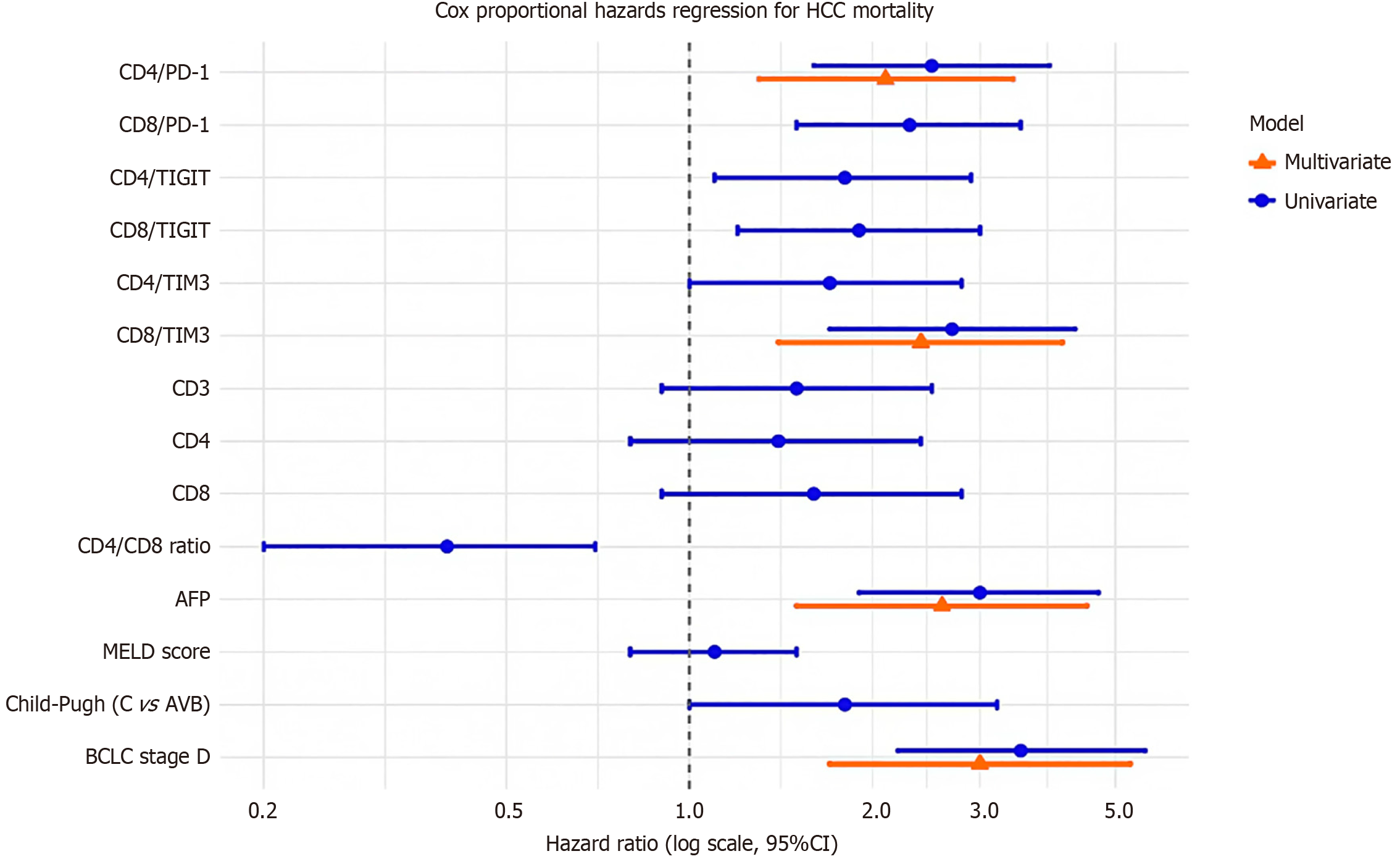
Figure 10 Forest plot of Cox proportional hazards regression for hepatocellular carcinoma mortality (n = 50).
Univariate (blue circles) and multivariate (orange triangles) hazard ratios [hazard ratios (HRs), 95% confidence interval (CI)] are shown for immune markers and clinical predictors. Significant independent predictors of mortality included CD4/programmed death 1 (HR = 2.1, 95%CI: 1.3-3.4, P = 0.002), CD8/T cell immunoglobulin and mucin domain-containing protein (HR = 2.4, 95%CI: 1.4-4.1, P = 0.001), alpha-fetoprotein (HR = 2.6, 95%CI: 1.5-4.5, P < 0.001), and Barcelona Clinic Liver Cancer stage D (HR = 3.0, 95%CI: 1.7-5.3, P < 0.001). Dashed vertical line denotes null effect (HR = 1). HCC: Hepatocellular carcinoma; PD-1: Programmed death 1; TIM3: T cell immunoglobulin and mucin domain-containing protein; TIGIT: T-cell immunoglobulin and ITIM domain; AFP: Alpha-fetoprotein; MELD: Model for End-Stage Liver Disease; BLCL: Barcelona Clinic Liver Cancer; CI: Confidence interval.
- Citation: Hasan AM, Ghanem SMFI, Othman AAA, Rashad MH, Nosair N, Elgamal R. T cell exhaustion markers in hepatitis C virus-related hepatocellular carcinoma: Expression patterns and prognostic significance in an Egyptian cohort. World J Clin Oncol 2026; 17(2): 114622
- URL: https://www.wjgnet.com/2218-4333/full/v17/i2/114622.htm
- DOI: https://dx.doi.org/10.5306/wjco.v17.i2.114622