
















©The Author(s) 2025.
World J Gastrointest Pathophysiol. Dec 22, 2025; 16(4): 111865
Published online Dec 22, 2025. doi: 10.4291/wjgp.v16.i4.111865
Published online Dec 22, 2025. doi: 10.4291/wjgp.v16.i4.111865
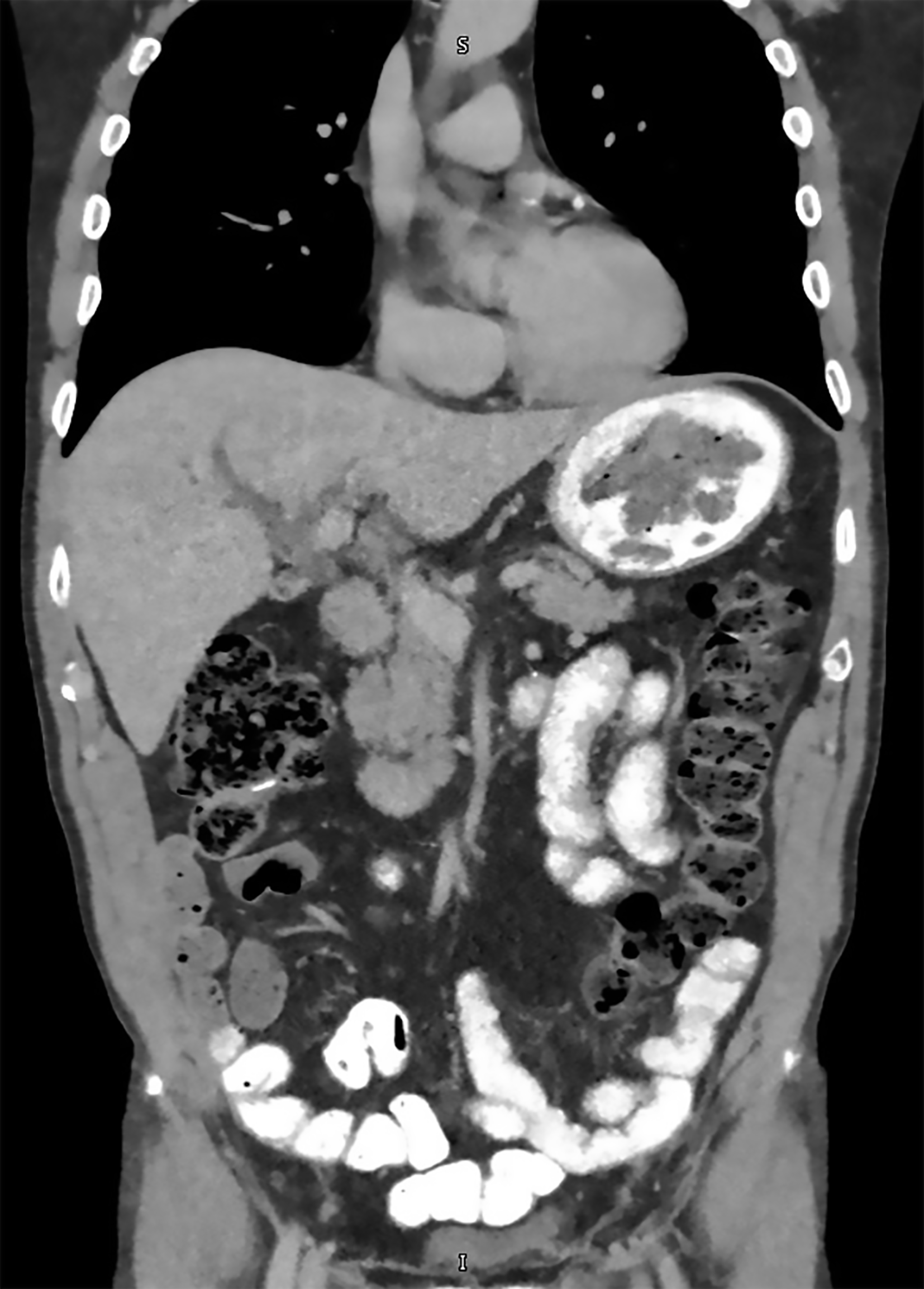
Figure 1 Computed tomography abdomen revealed severe intrahepatic bile duct dilatation with suspected abnormality at the level of the common hepatic duct concerning for biliary obstruction.
The distal common bile duct was normal in caliber.

Figure 2 Magnetic resonance imaging/magnetic resonance cholangiopancreatography.
A and B: Showed intrahepatic biliary duct dilatation with a soft tissue lesion seen at the hilum branch point between the right and left biliary system causing biliary obstruction.
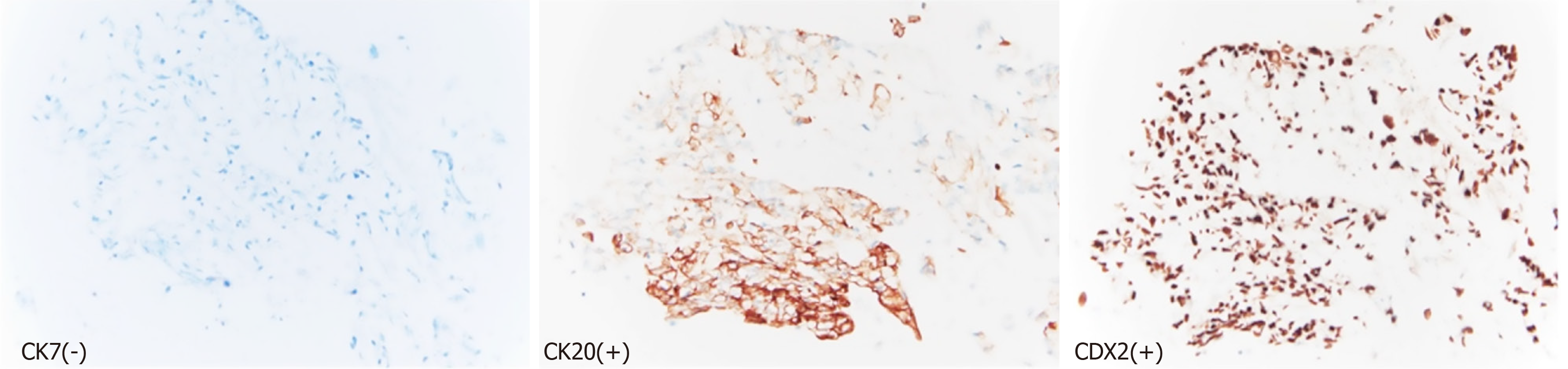
Figure 3 Immunohistochemical studies demonstrated the tumor cells to be positive for cytokeratin 20 and caudal-type homeobox 2, and negative for cytokeratin 7 which confirms adenocarcinoma of colorectal origin.
CK: Cytokeratin; CDX2: Caudal-type homeobox 2.
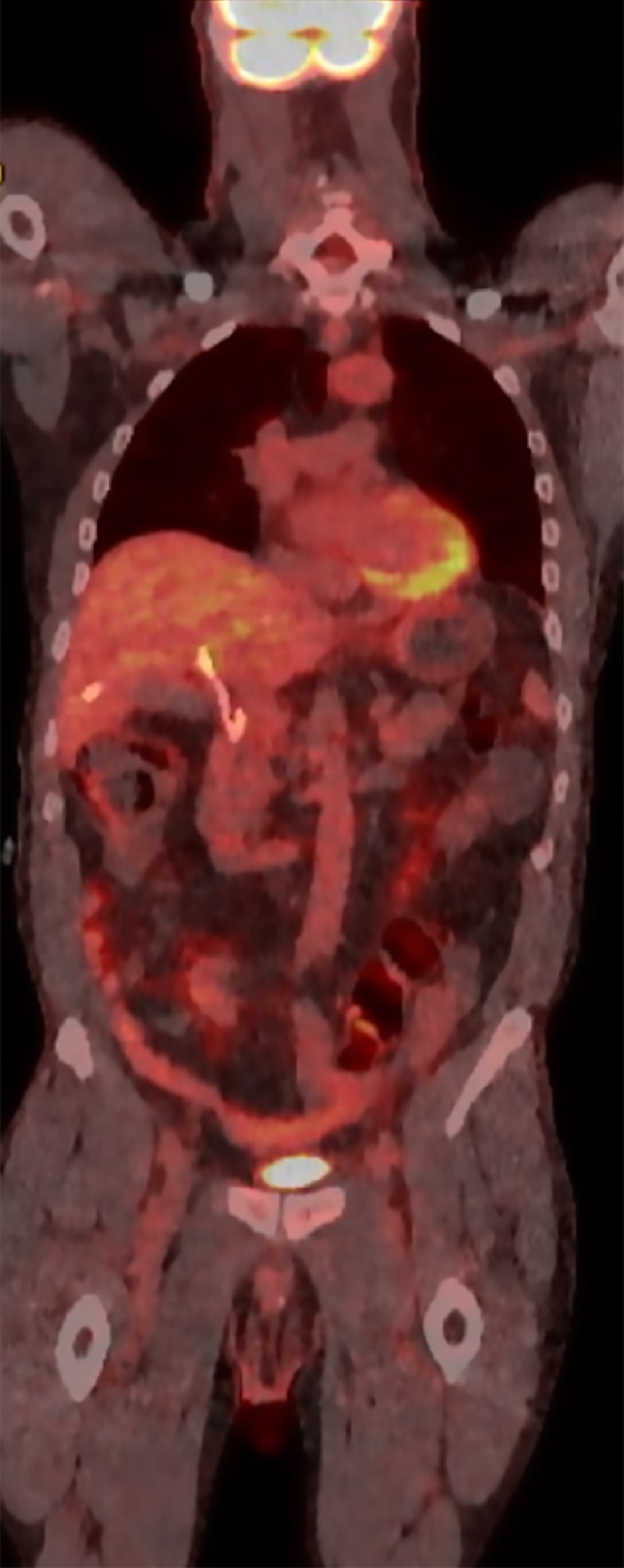
Figure 4 Positron emission tomography/computed tomography revealed no definitive fluorodeoxyglucose positron emission tomogra
- Citation: Amin N, Daglilar E, Chela HK. Isolated hilar mass mimicking cholangiocarcinoma as a rare metastatic manifestation of recurrent colorectal cancer: A case report. World J Gastrointest Pathophysiol 2025; 16(4): 111865
- URL: https://www.wjgnet.com/2150-5330/full/v16/i4/111865.htm
- DOI: https://dx.doi.org/10.4291/wjgp.v16.i4.111865