















Copyright: ©Author(s) 2026.
World J Radiol. Mar 28, 2026; 18(3): 116826
Published online Mar 28, 2026. doi: 10.4329/wjr.v18.i3.116826
Published online Mar 28, 2026. doi: 10.4329/wjr.v18.i3.116826
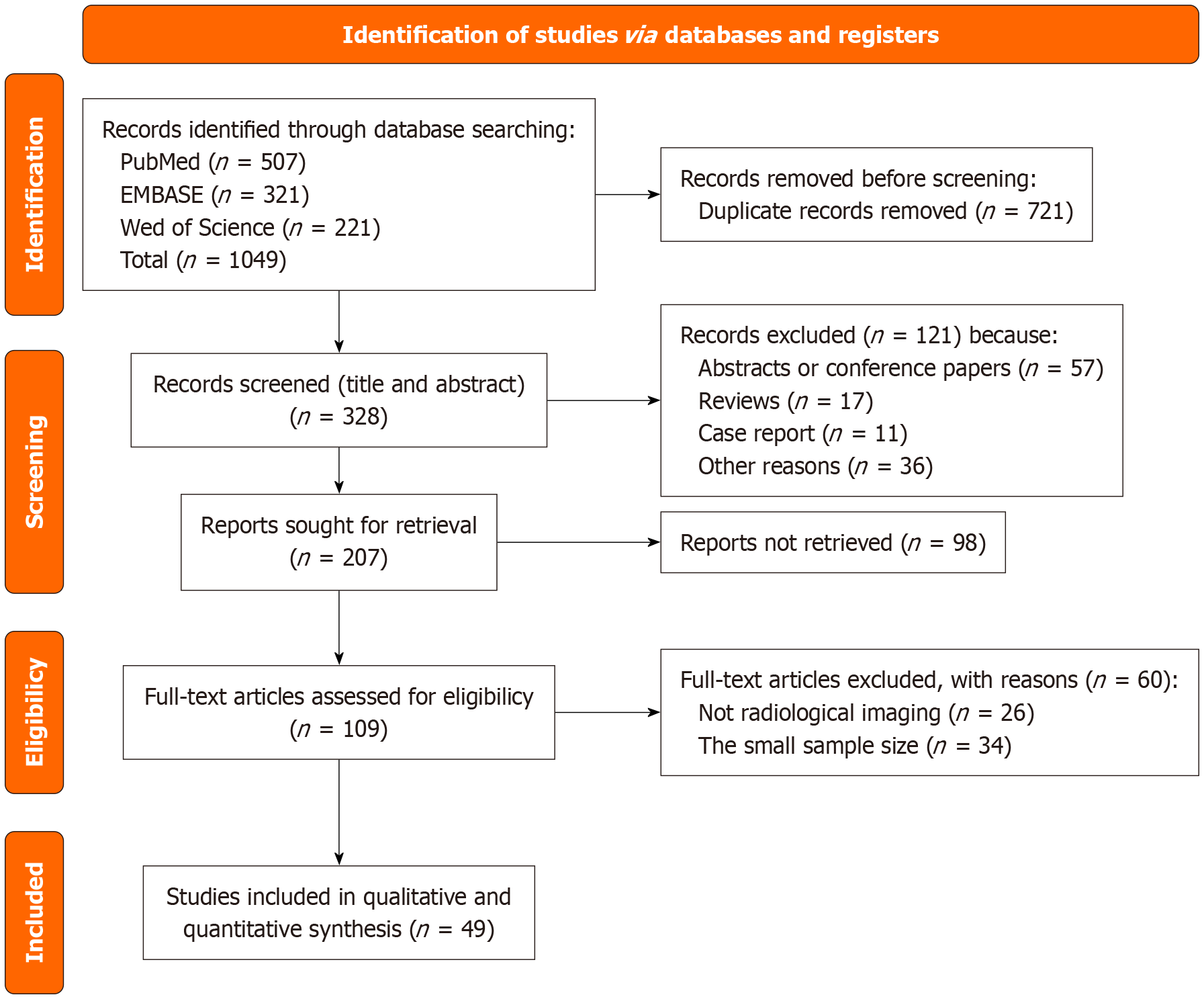
Figure 1 PRISMA flow diagram for study selection.
The diagram illustrates the process of identification, screening, eligibility assessment, and inclusion of studies for the meta-analysis.
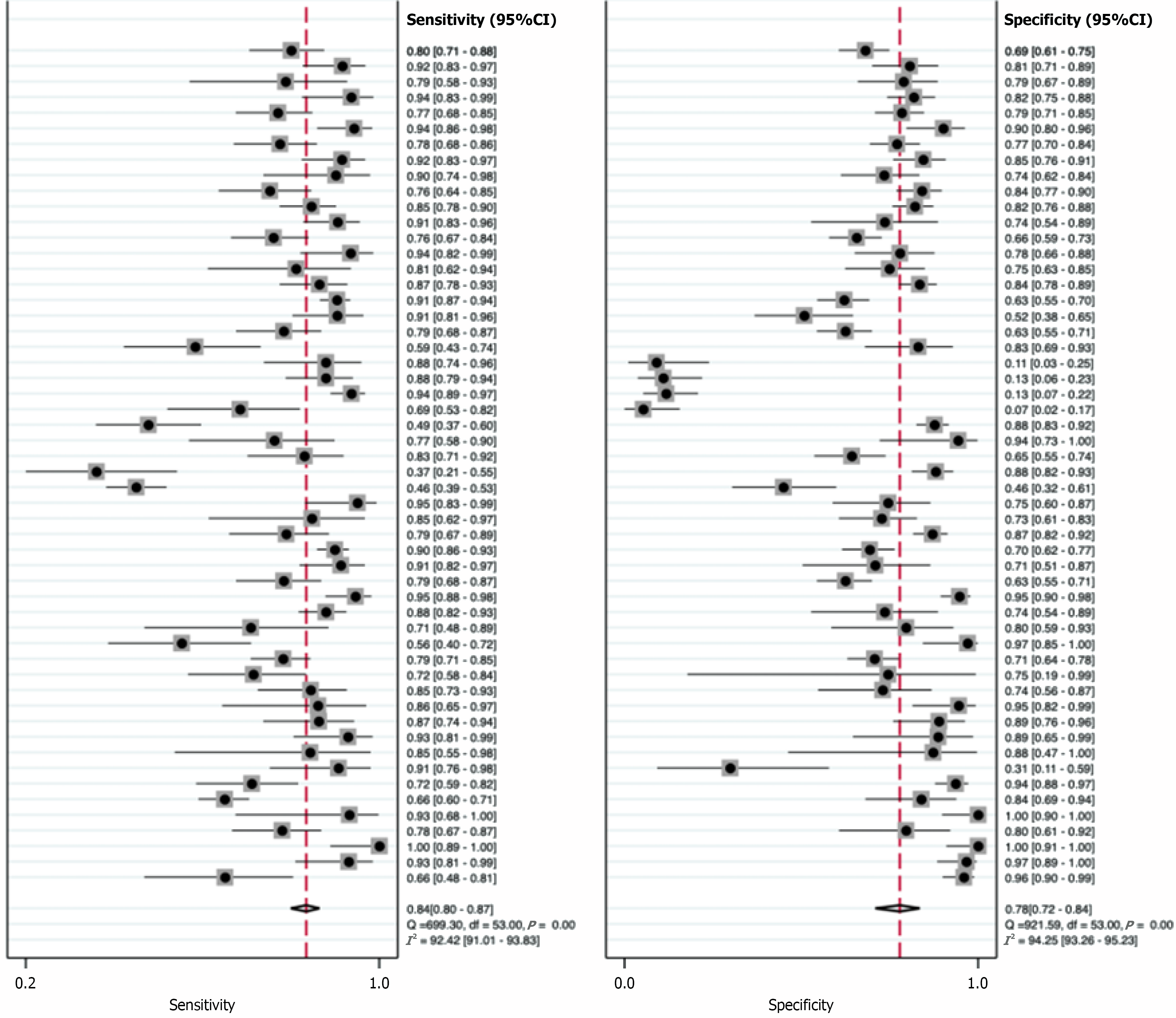
Figure 2 Coupled forest plot of eligible studies.
This plot illustrates the estimated sensitivities and specificities of the studies included in the meta-analysis. The horizontal bars denote the 95% confidence intervals for each study, the diamond represents the pooled random-effects rate, and the vertical line represents the line of no effect. CI: Confidence interval.
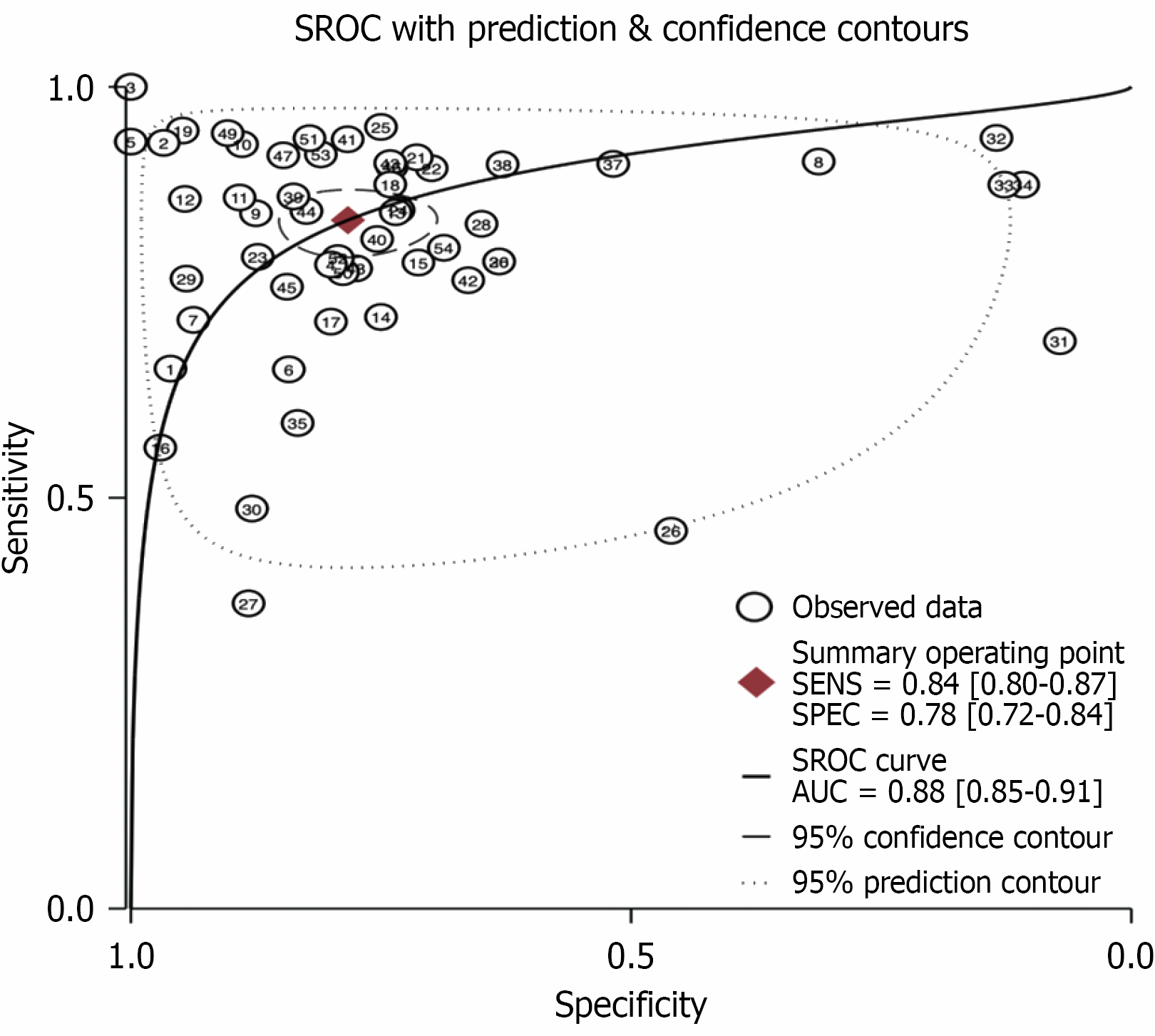
Figure 3 Summary receiver operating characteristic curves with prediction and confidence contours.
The numbers within circles correspond to the specific studies included in the bivariate model. SROC: Summary receiver operating characteristic; SENS: Sensitivity; SPEC: Specificity; AUC: Area under the curve.
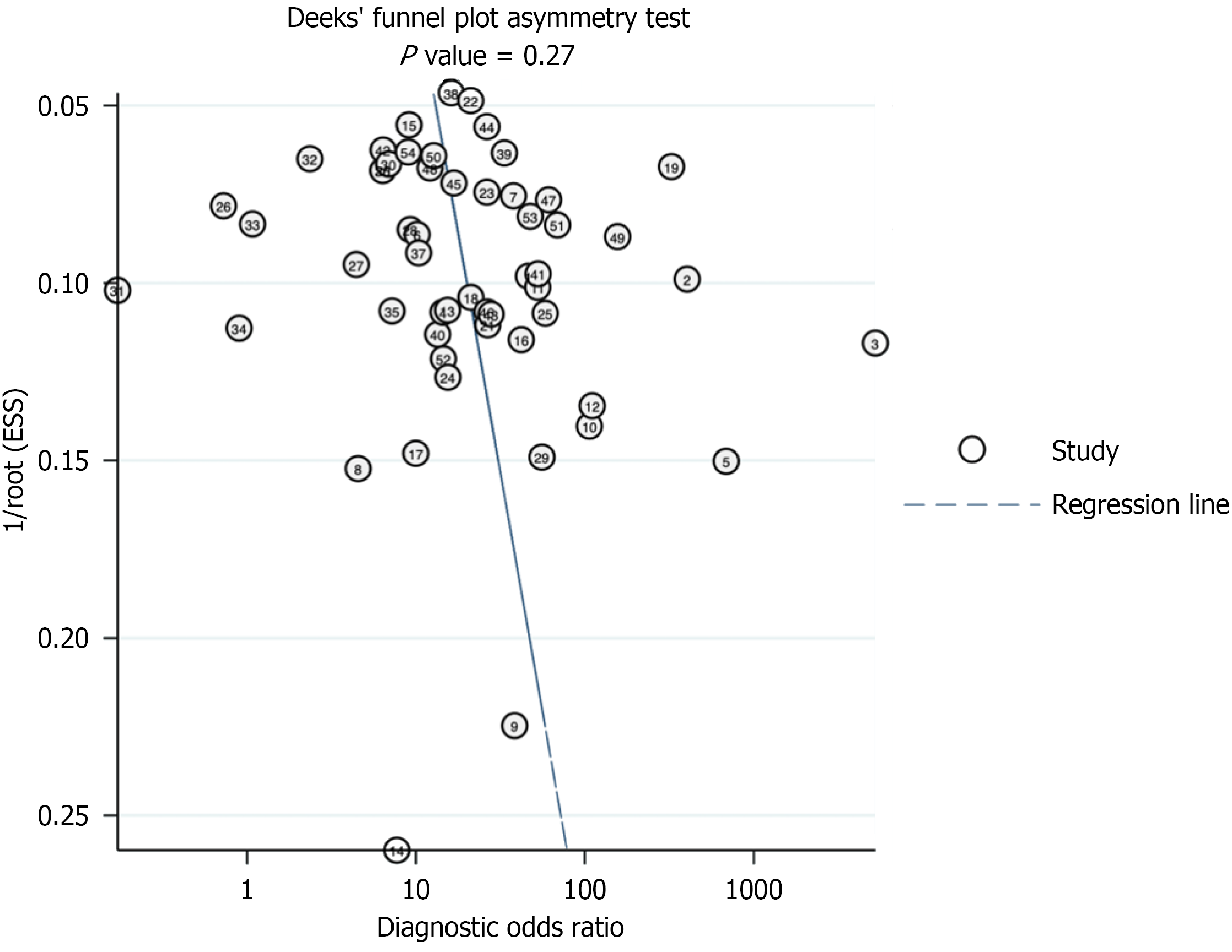
Figure 4 Deeks’ funnel plot.
A P value of 0.27 suggests no evidence of publication bias. ESS: Effective sample size.
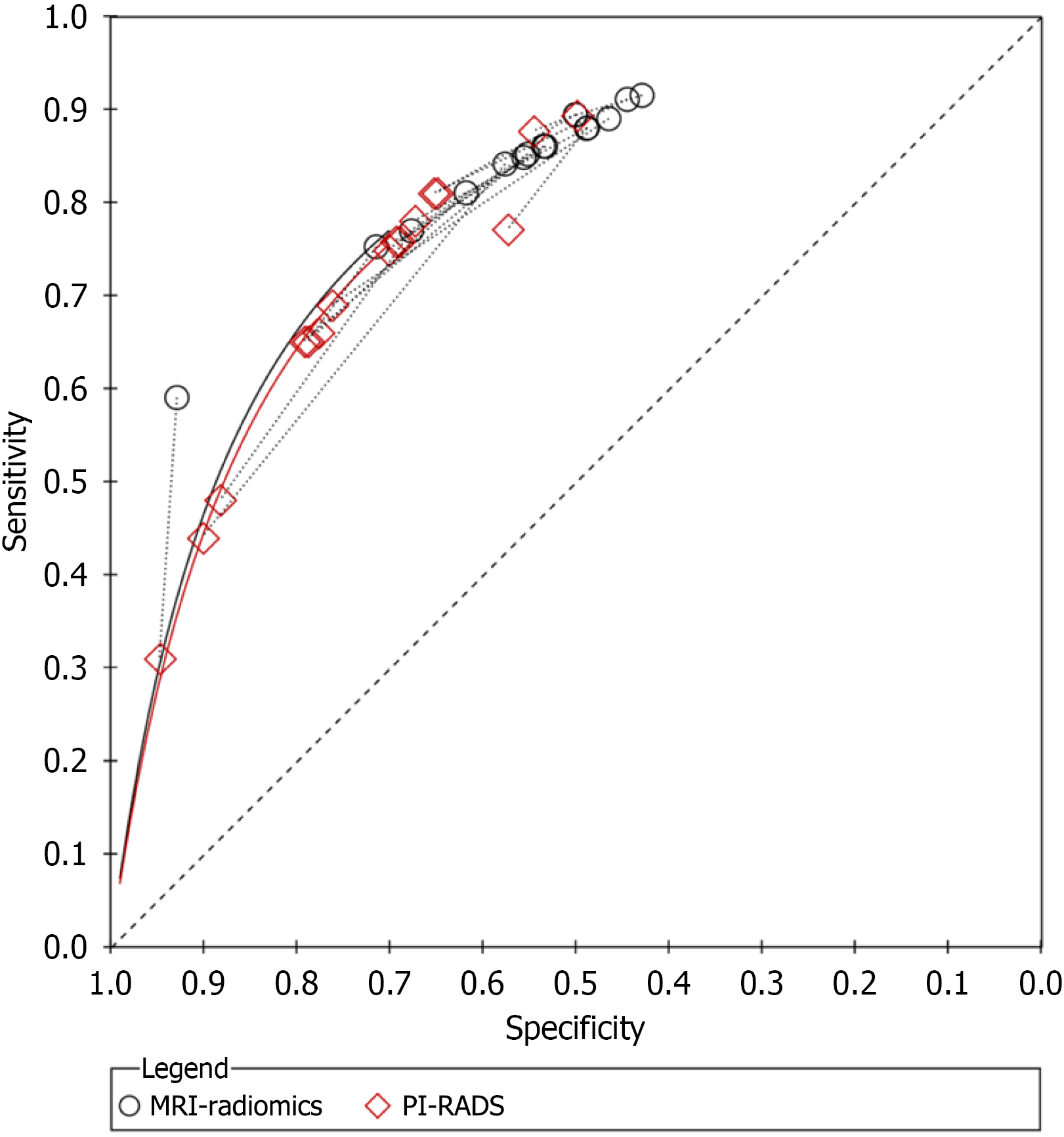
Figure 5 Meta-analysis of head-to-head comparisons.
The plot displays the sensitivity and specificity in the receiver operating characteristic space for head-to-head comparisons between magnetic resonance imaging-radiomics and Prostate Imaging Reporting and Data System. The dotted lines represent the findings of the meta-analysis. MRI: Magnetic resonance imaging; PI-RADS: Prostate Imaging Reporting and Data System.
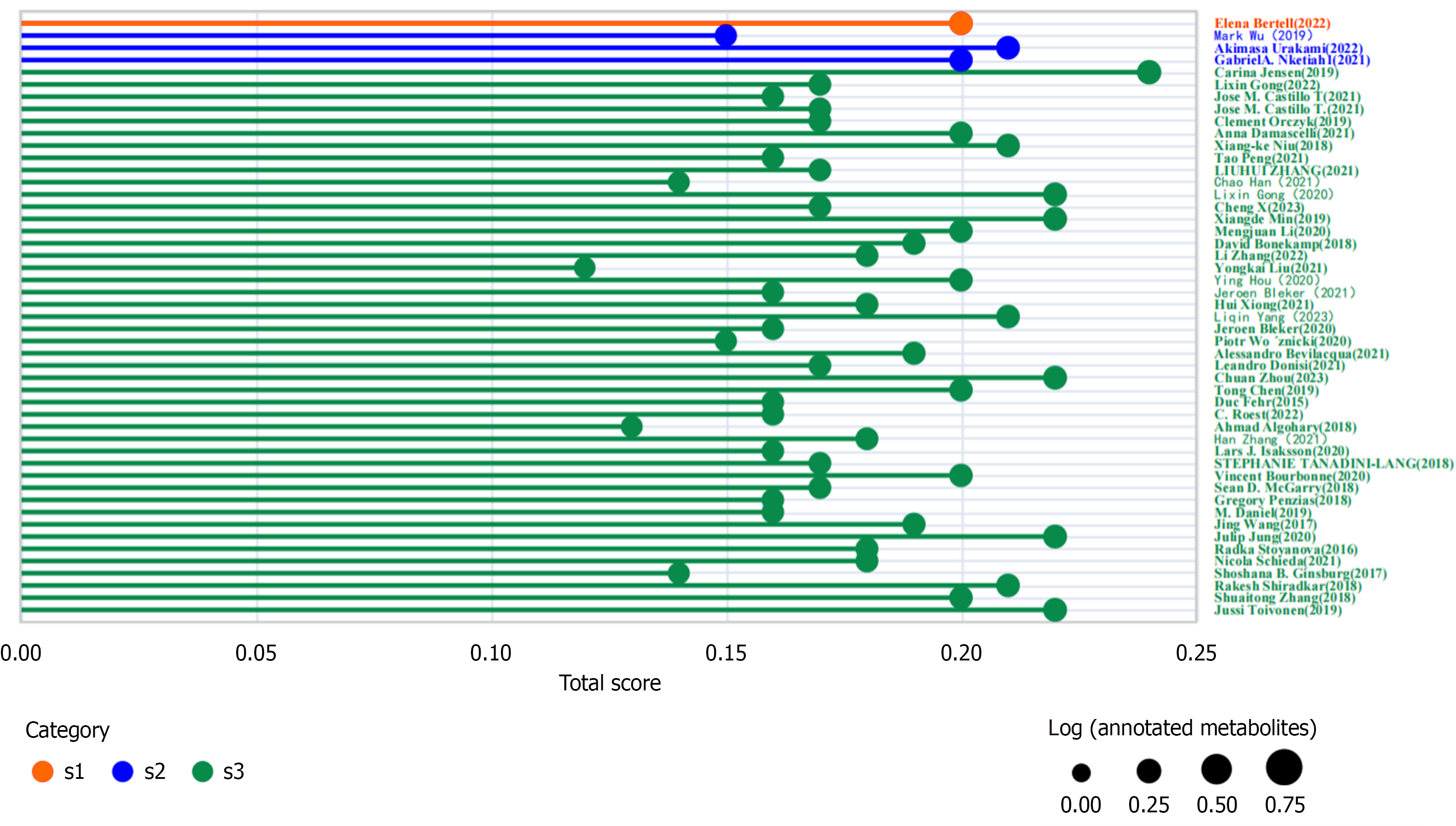
Figure 6 Group bar plot of the Radiomic Quality Score by study.
This plot shows the distribution of methodological quality scores (Radiomic Quality Score, maximum 36) across the 49 included.
- Citation: Zhong SY, Deng XR, Han BC, Yang LQ, Ye ST, Niu XK. Diagnostic performance of magnetic resonance imaging-based radiomics for detecting prostate cancer: A systematic review and meta-analysis. World J Radiol 2026; 18(3): 116826
- URL: https://www.wjgnet.com/1949-8470/full/v18/i3/116826.htm
- DOI: https://dx.doi.org/10.4329/wjr.v18.i3.116826