
















Copyright: ©Author(s) 2026.
World J Radiol. Mar 28, 2026; 18(3): 116736
Published online Mar 28, 2026. doi: 10.4329/wjr.v18.i3.116736
Published online Mar 28, 2026. doi: 10.4329/wjr.v18.i3.116736
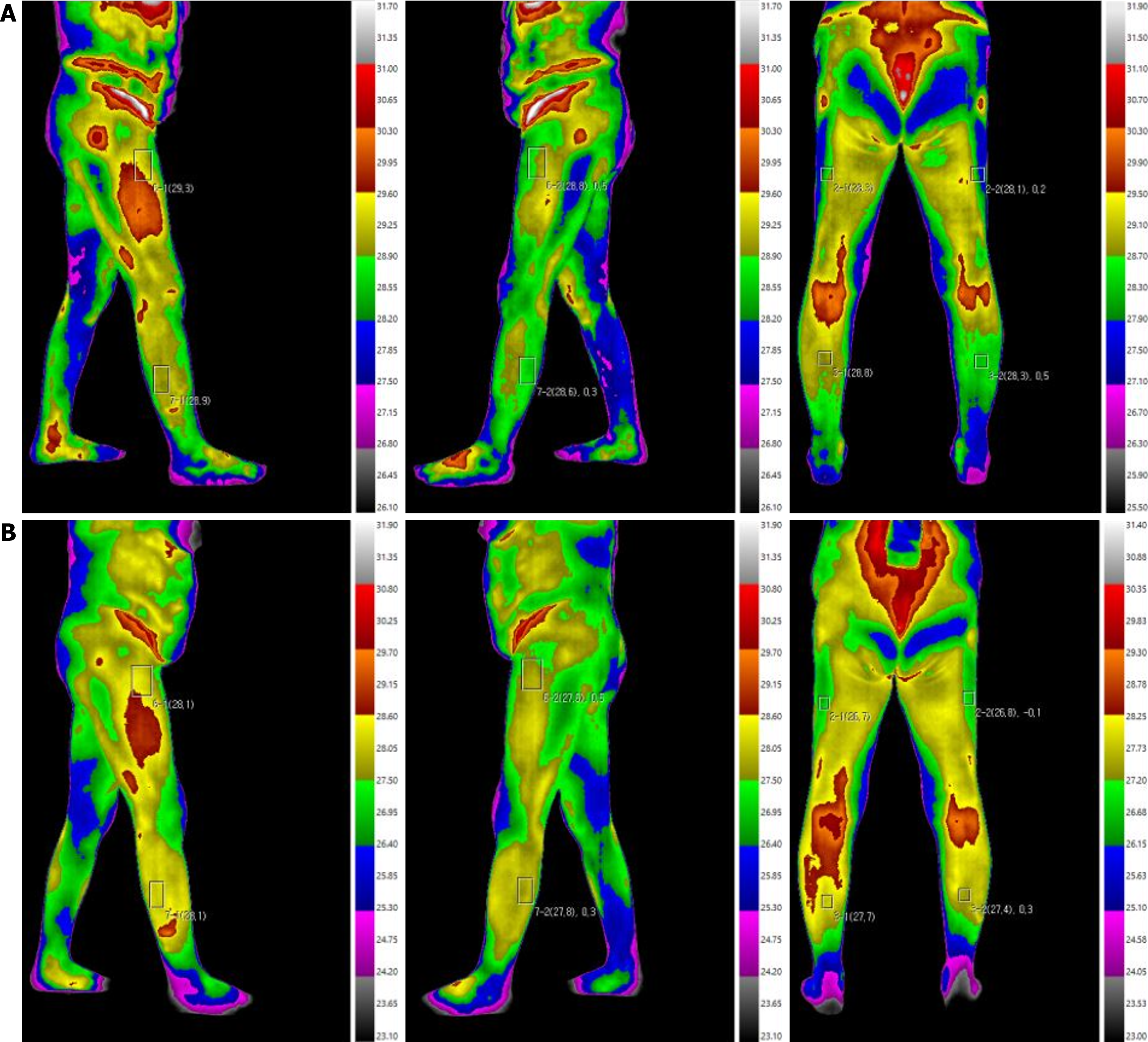
Figure 1 Digital infra-red thermographic imaging.
A: Preoperative scan showing focal hypothermia at L4-L5 dermatomes; B: Postoperative scan showing symmetrical cooling and resolution of hotspot following surgical decompression. Color bar indicates the temperature scale (°C). Temperature difference legend demonstrates inter-dermatomal differences. Normalization was defined quantitatively as a reduction in inter-dermatomal temperature difference to ≤ 0.5 °C.
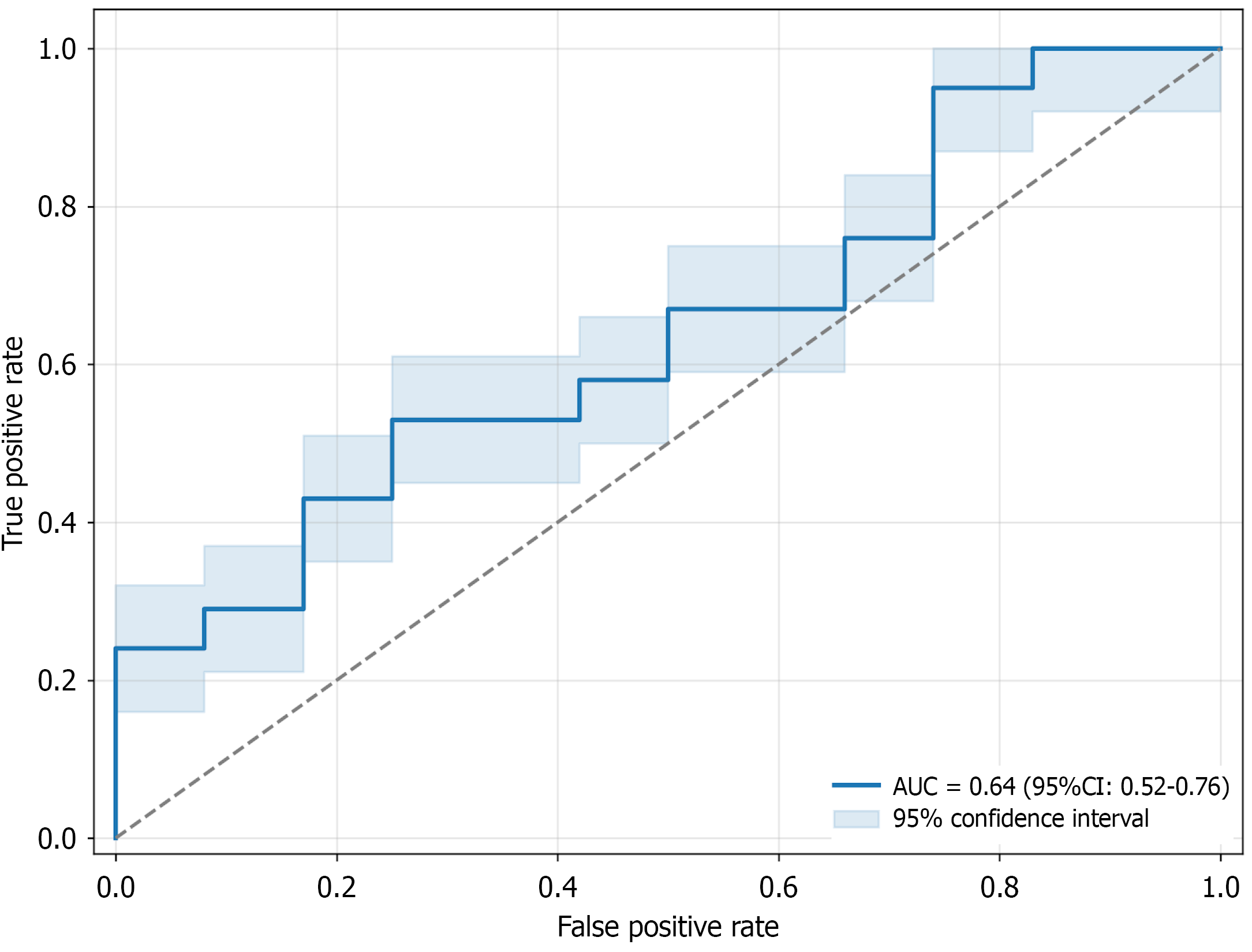
Figure 2 Receiver operating characteristic curve for logistic regression model predicting postoperative thermography normalization.
The model includes age, sex, diagnosis, procedure type, and multilevel disease as predictors. The model consists of age, sex, diagnosis, procedure type, and multilevel disease as predictors. The area under the curve is 0.64, 95% confidence interval: 0.52-0.76, indicating moderate discriminative ability to distinguish between patients with and without thermal normalization following spine surgery. AUC: Area under the curve; CI: Confidence interval.
- Citation: Muthu S, Natarajan KP, Viswanathan VK, Kolarpatti Ponnusamy DV, Satish Kumar RC, Sharun K, Jang HJ. Infrared thermography as adjunctive imaging in spine surgery: Evaluating thermal asymmetry for predicting symptomatic level and recovery. World J Radiol 2026; 18(3): 116736
- URL: https://www.wjgnet.com/1949-8470/full/v18/i3/116736.htm
- DOI: https://dx.doi.org/10.4329/wjr.v18.i3.116736