
















©Author(s) (or their employer(s)) 2026.
World J Radiol. Feb 28, 2026; 18(2): 116462
Published online Feb 28, 2026. doi: 10.4329/wjr.v18.i2.116462
Published online Feb 28, 2026. doi: 10.4329/wjr.v18.i2.116462
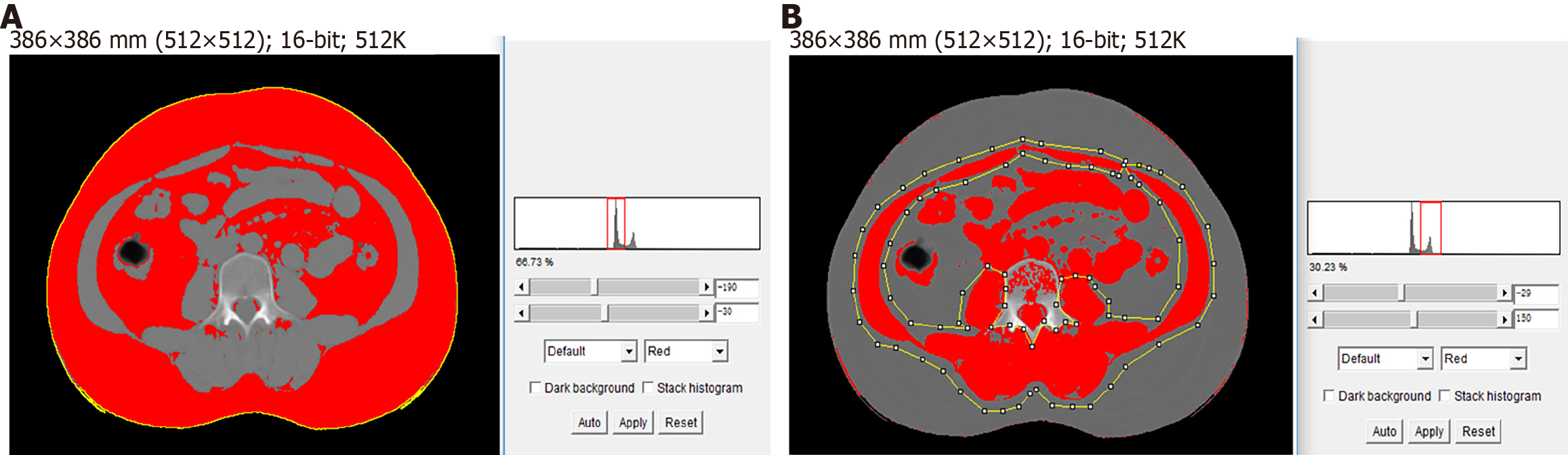
Figure 1 The picture from ImageJ to draw the outlines of total adipose tissue.
The white region fitted with the setting standard Hounsfield unit range of adipose tissue (-190 to -30) or skeletal muscle (-29 to +150). The white line depicted the boundaries of regions which would be measured by area (cm2). A: Area and skeletal muscle area; B: On the computed tomography image of 3rd lumbar vertebra.
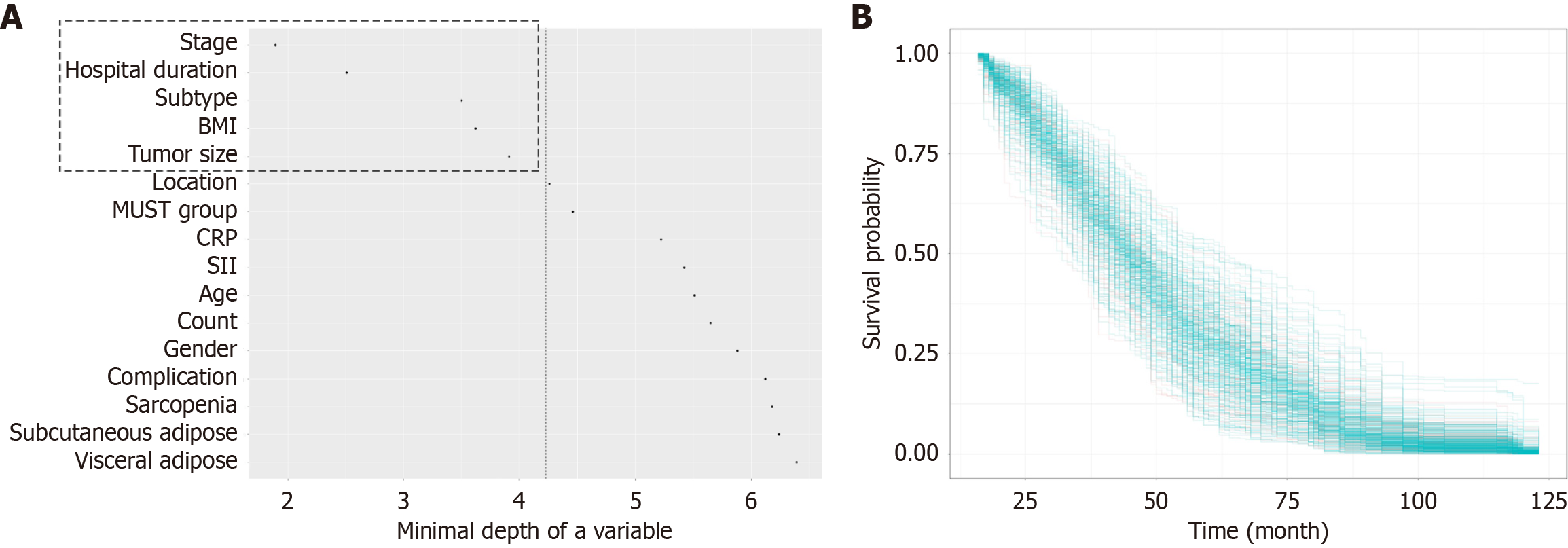
Figure 2 Visualization of random survival forest analysis results for overall survival in the training cohort.
A: Variable ranking with minimal depth method of random survival forest analysis on overall survival (OS) in the training cohort. The variables in the dashed box were identified as important for OS prediction. The dashed vertical line was the optimistic threshold using the mean of the minimal depth distribution which classified variables with minimal depth lower than this threshold as important in prediction of outcomes; B: Random forest predicted survival for each patient in the training cohort on OS. The lines with dark grey corresponded to censored individuals, and light grey curves corresponded to individuals occurring death events. BMI: Body mass index; CRP: C-reactive protein; MUST: Malnutrition universal screening tool.
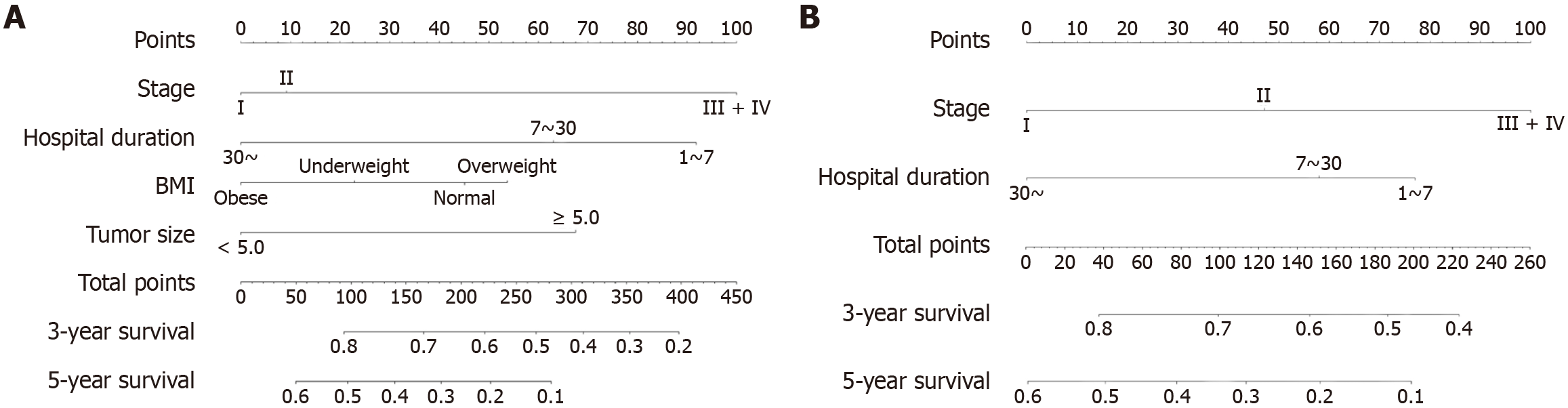
Figure 3 Nomograms for predicting 3-year and 5-year overall survival probabilities in patients with soft-tissue sarcomas receiving surgical resection.
A: Nomogram on overall survival constructed by important variables from random survival forest analysis for patients with soft-tissue sarcomas receiving surgical resection to predict 3-year and 5-year survival probabilities; B: Nomogram on overall survival constructed by significant variables from multivariate Cox analysis for patients with soft-tissue sarcomas receiving surgical resection to predict 3-year and 5-year survival probabilities. BMI: Body mass index.
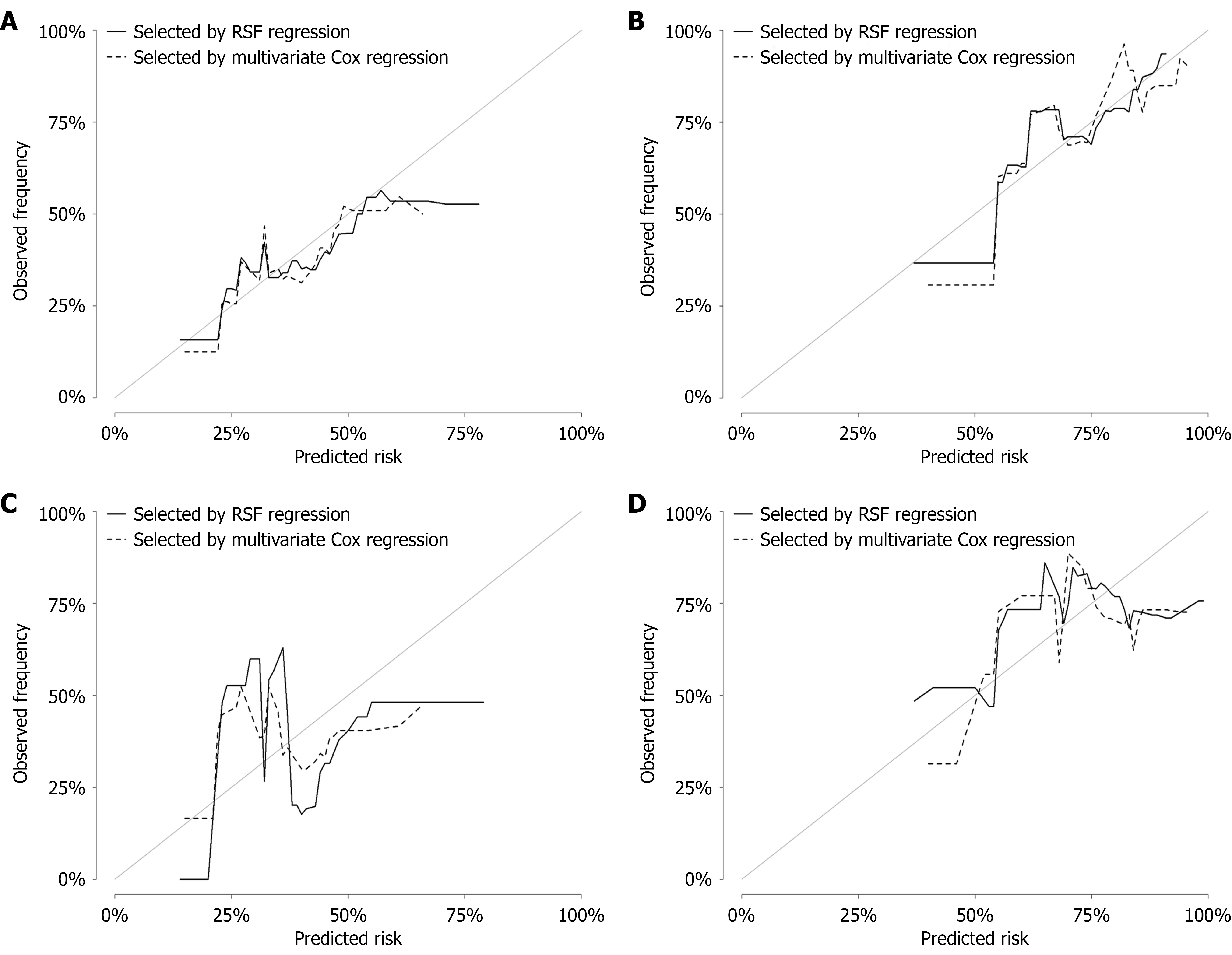
Figure 4 Calibration curves for the nomogram presenting agreement between predicted and observational survival probabilities of overall survival for patients with soft-tissue sarcomas receiving surgical resection.
The gray line of Y = X represents a perfect predictive power by an ideal model. The fit goodness with this diagonal line coincided with the model’s predictive performance. A: Calibration plot for comparison between nomogram predicted 3-year survival rates and actual observation for overall survival (OS) in the training cohort; B: Calibration plot for comparison between nomogram predicted 5-year survival rates and actual observation for OS in the training cohort; C: Calibration plot for comparison between nomogram predicted 3-year survival rates and actual observation for OS in the testing cohort; D: Calibration plot for comparison between nomogram predicted 5-year survival rates and actual observation for OS in the testing cohort. RSF: Random survival forest.
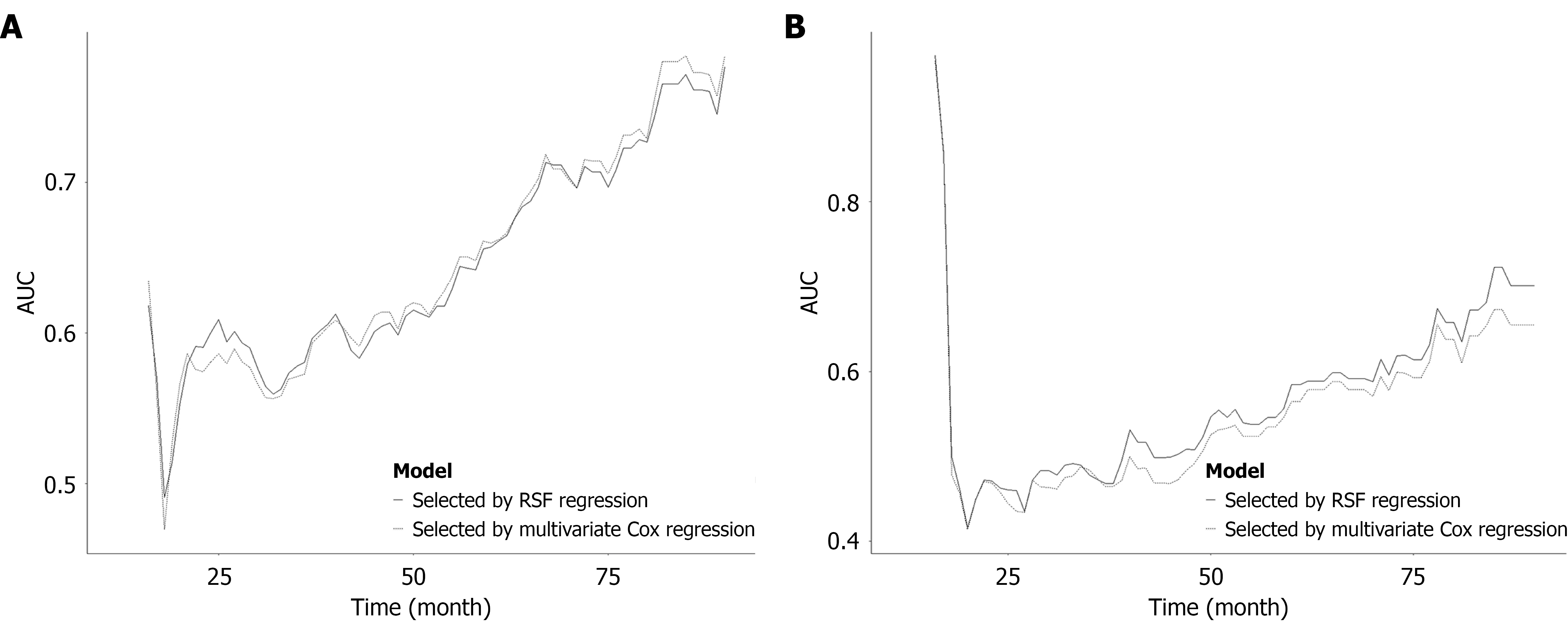
Figure 5 Time-dependent area under the receiver operating characteristic curves of predictive models for overall survival in training and testing cohorts.
A: Time-dependent area under the receiver operating characteristic curves for predictive models on overall survival for the training cohort; B: Time-dependent area under the receiver operating characteristic curves for predictive models on overall survival for the testing cohort. AUC: Area under the receiver operating characteristic curves.
- Citation: Yang YH. Computed tomography-based nutritional associated nomogram on machine learning predicts survival outcomes in patients with resectable soft-tissue sarcoma. World J Radiol 2026; 18(2): 116462
- URL: https://www.wjgnet.com/1949-8470/full/v18/i2/116462.htm
- DOI: https://dx.doi.org/10.4329/wjr.v18.i2.116462