
















Copyright: ©Author(s) 2026.
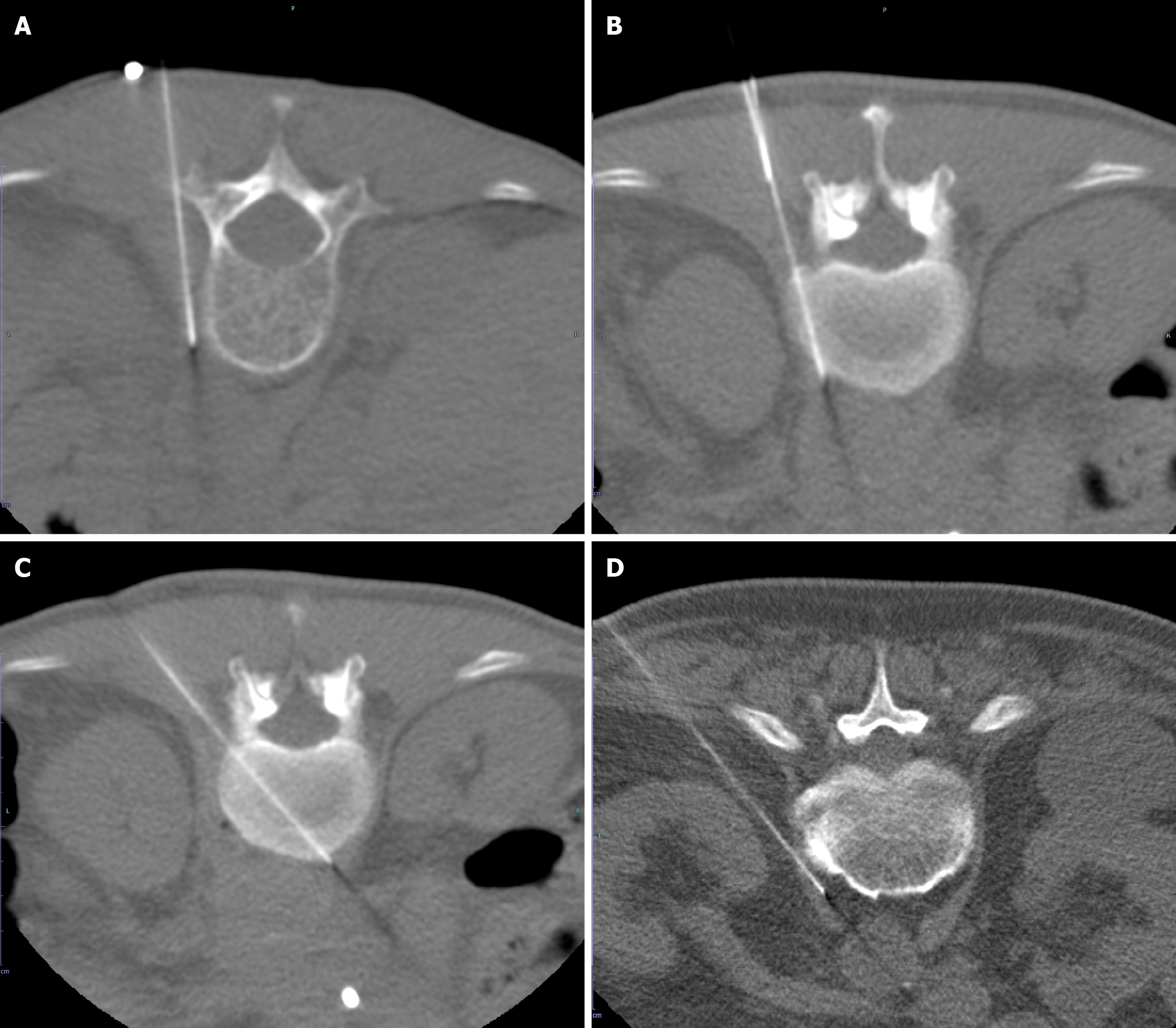
Figure 1 Needle access routes to the retrocrural space for computed tomography-guided neurolytic splanchnic nerve block.
A: The needle reaches the retrocrural space via the paravertebral route; B: The needle reaches the ipsilateral retrocrural space via the intervertebral disc; C: The needle reaches the contralateral retrocrural space via the intervertebral disc; D: The needle reaches the retrocrural space via the retroperitoneal route.
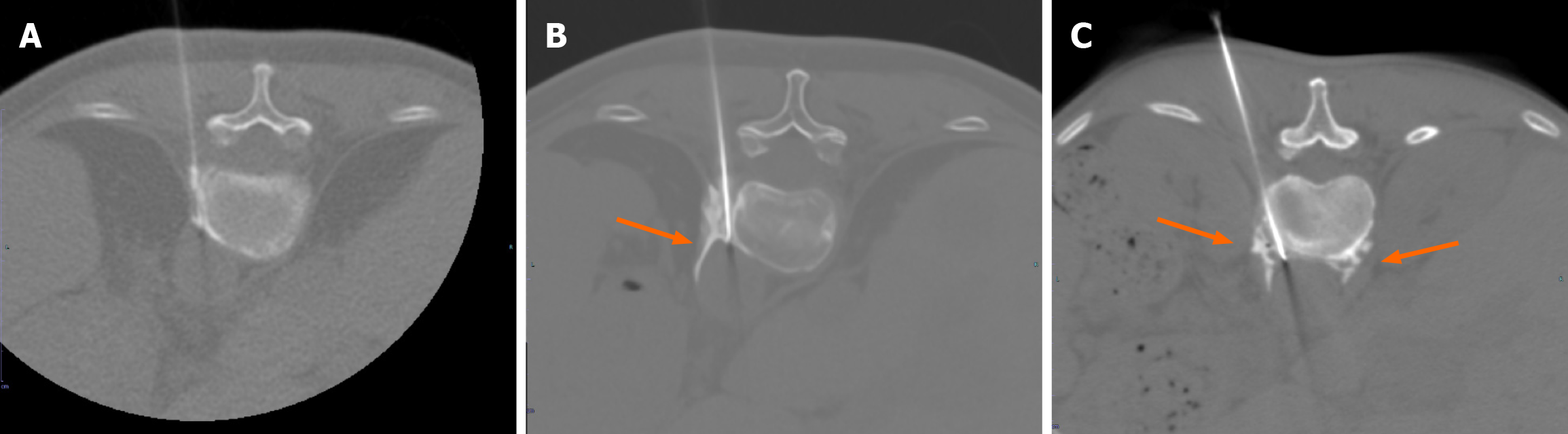
Figure 2 Needle placement and injectate distribution during computed tomography-guided neurolytic splanchnic nerve block.
A: The 21-gauge percutaneous transhepatic cholangiography needle reaches the retrocrural space under computed tomography guidance; B: The contrast-containing injectate is distributed within the retrocrural space (arrow); C: Unilateral injection achieves distribution within both retrocrural spaces (arrows).
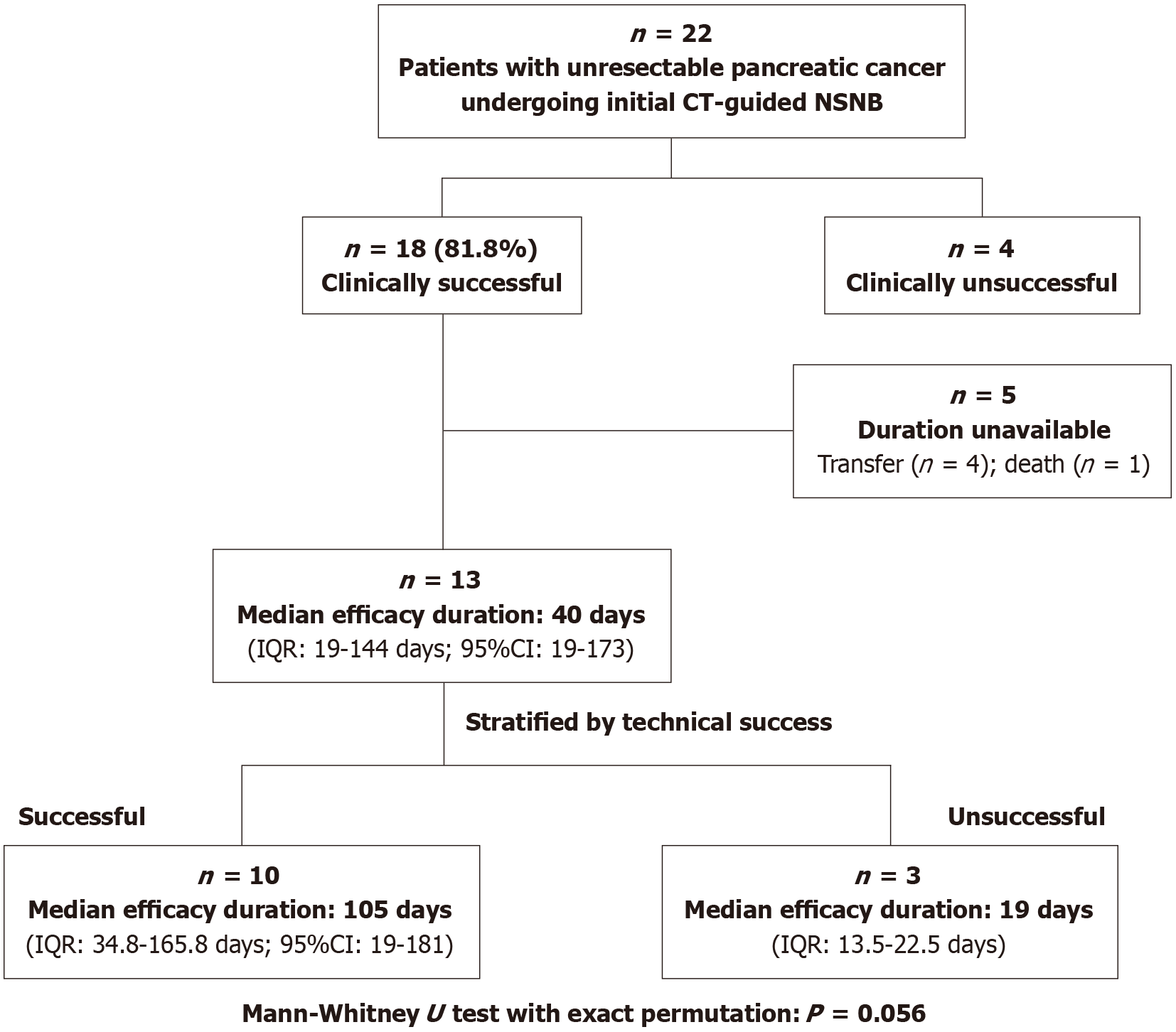
Figure 3 Clinical outcomes and efficacy duration according to technical success after initial computed tomography-guided neurolytic splanchnic nerve block.
Clinical success was achieved in 18 of the 22 patients (81.8%). Efficacy duration was available for 13 clinically successful patients; data were unavailable after transfer in four patients and death in one patient. The median efficacy duration was 105 days after technically successful procedures (n = 10) and 19 days after technically unsuccessful procedures (n = 3; two-sided Mann-Whitney U test with exact permutation, P = 0.056). Duration is presented as the median with interquartile range (IQR) and a distribution-free confidence interval, providing at least 95% coverage, where estimable. A finite distribution-free 95% confidence interval could not be estimated for the technically unsuccessful group owing to the small sample size. CT: Computed tomography; NSNB: Neurolytic splanchnic nerve block; IQR: Interquartile range; 95%CI: 95% confidence interval.
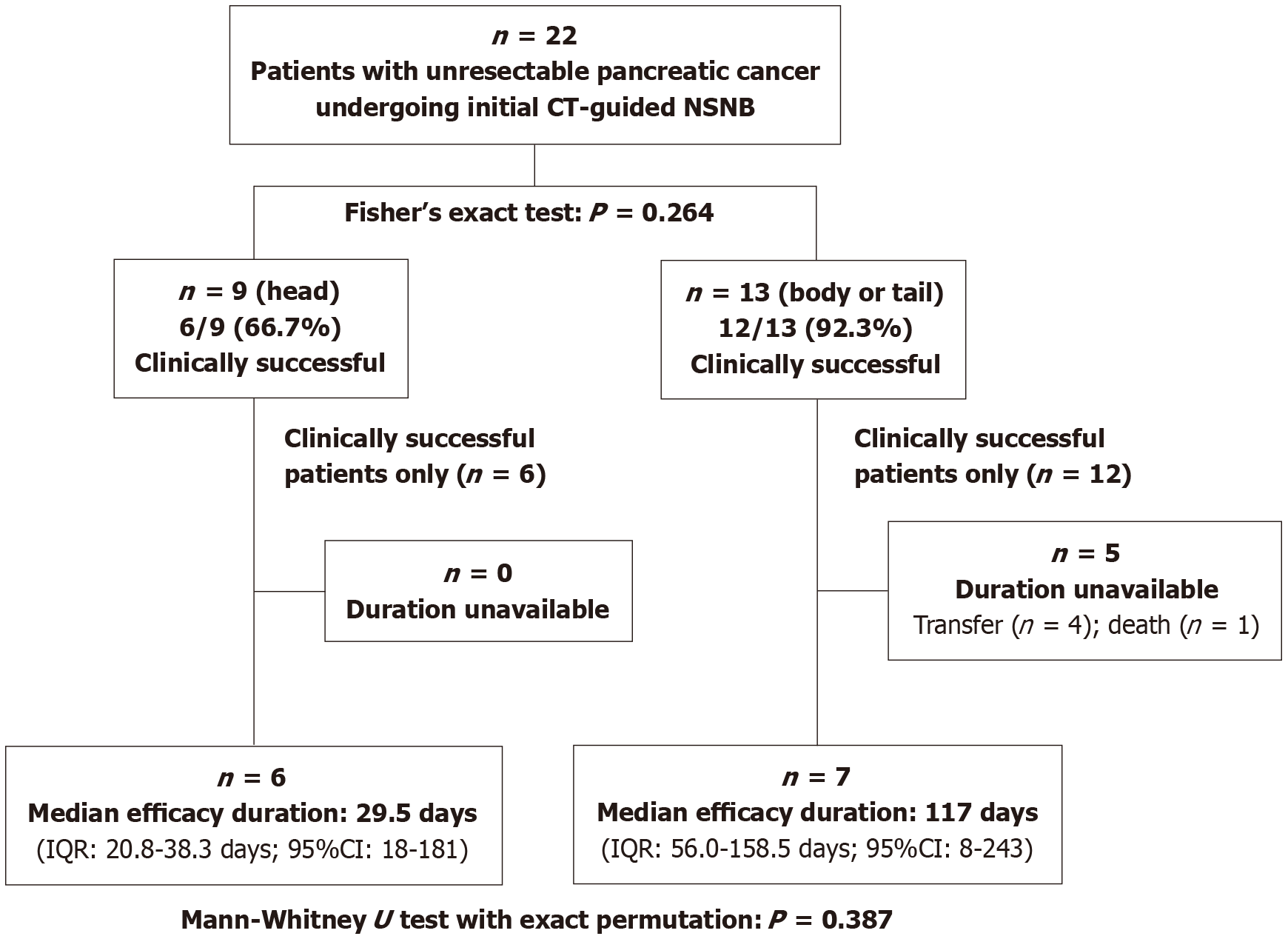
Figure 4 Clinical success and efficacy duration according to pancreatic tumor site after initial computed tomography-guided neurolytic splanchnic nerve block.
Clinical success occurred in 6/9 patients with pancreatic head tumors (66.7%) and 12/13 with body/tail tumors (92.3%; two-sided Fisher’s exact test, P = 0.264). Efficacy duration was evaluated only in clinically successful patients with available data: Six with head tumors and seven with body/tail tumors. Five durations were unavailable in the body/tail group after transfer (n = 4) or death (n = 1). Median efficacy duration was 29.5 and 117 days, respectively (two-sided Mann-Whitney U test with exact permutation, P = 0.387). Duration is presented as the median with the interquartile range and a distribution-free confidence interval providing at least 95% coverage. CT: Computed tomography; NSNB: Neurolytic splanchnic nerve block; IQR: Interquartile range; 95%CI: 95% confidence interval.
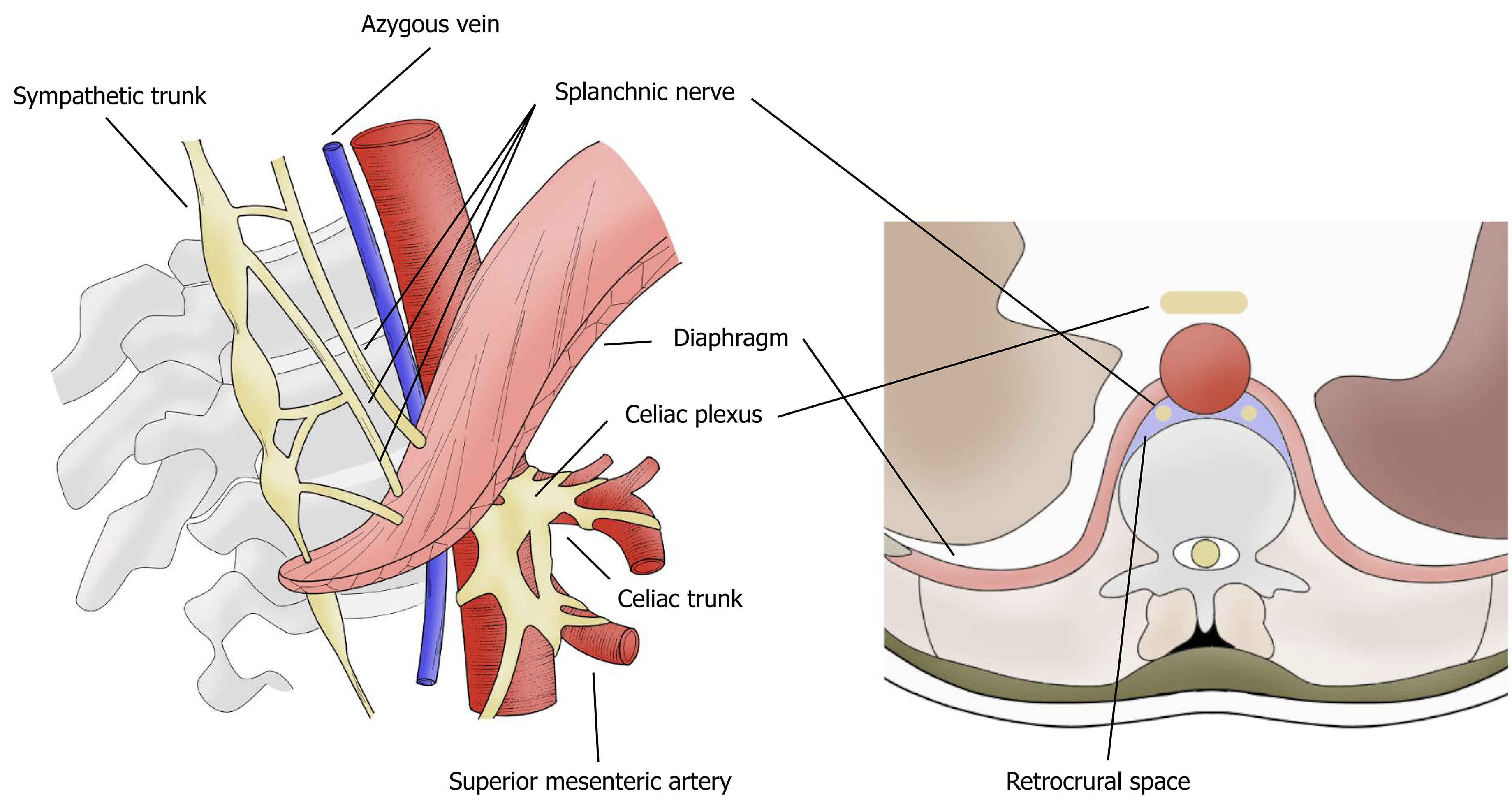
Figure 5 Schematic illustration of the anatomical differences between the splanchnic nerves and the celiac plexus.
The splanchnic nerves reside within a semi-enclosed retrocrural space, whereas the celiac plexus resides in a non-enclosed space as a loose nerve network.
- Citation: Baba H, Takaki H, Yamada Y, Nakayama T, Iwaki K, Fukuzawa K, Motomura M, Asayama Y. Computed tomography-guided splanchnic nerve neurolysis outcomes by tumor site in unresectable pancreatic cancer: A single-center retrospective cohort study. World J Radiol 2026; 18(10): 126066
- URL: https://www.wjgnet.com/1949-8470/full/v18/i10/126066.htm
- DOI: https://dx.doi.org/10.4329/wjr.126066