
















Copyright: ©Author(s) 2026.
World J Cardiol. Apr 26, 2026; 18(4): 118863
Published online Apr 26, 2026. doi: 10.4330/wjc.v18.i4.118863
Published online Apr 26, 2026. doi: 10.4330/wjc.v18.i4.118863
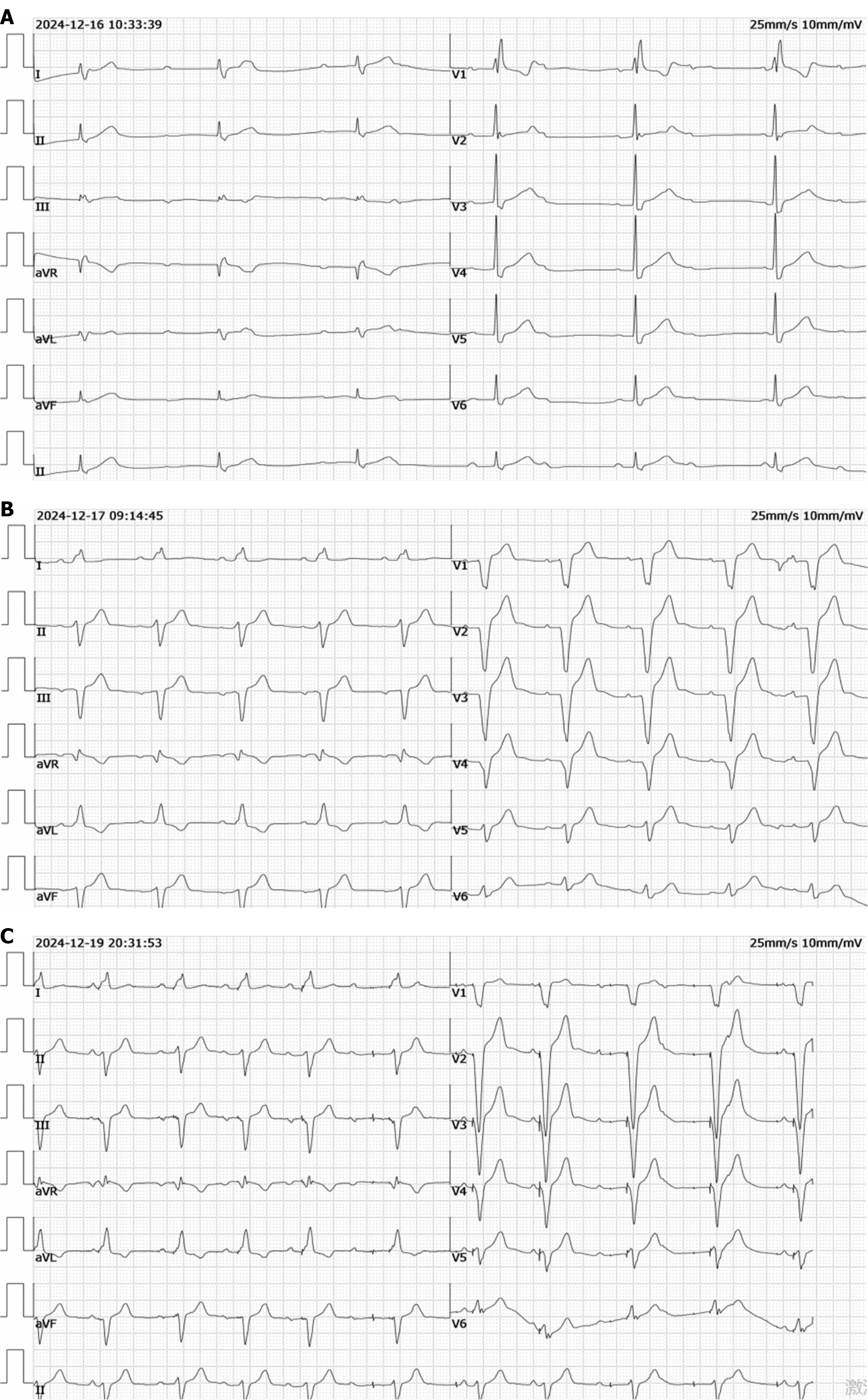
Figure 1 Changes in the electrocardiogram before and after pacemaker implantation.
A: Upon admission, the patient’s electrocardiogram (ECG) showed third-degree atrioventricular block; B: At the end of pacemaker implantation, the ECG showed a pacemaker operating mode of ventricular pacing with atrial sensing and ventricular triggering, indicating normal atrial sensing and ventricular pacing functions; C: On the third postoperative day, when diaphragmatic flutter occurred, the ECG showed a dual-chamber pacing, dual-chamber sensing, dual-response mode. Atrial sensing and pacing were impaired, whereas ventricular sensing and pacing remained normal. The QRS complexes of the 2nd-5th ventricular paced beats in the limb leads were all triggered by previously sensed intrinsic atrial waves. An inappropriate atrial pulse was delivered before the QRS complex of the 6th ventricular paced beat, suggesting abnormal sensing. No atrial wave followed the pulse, suggesting abnormal pacing.
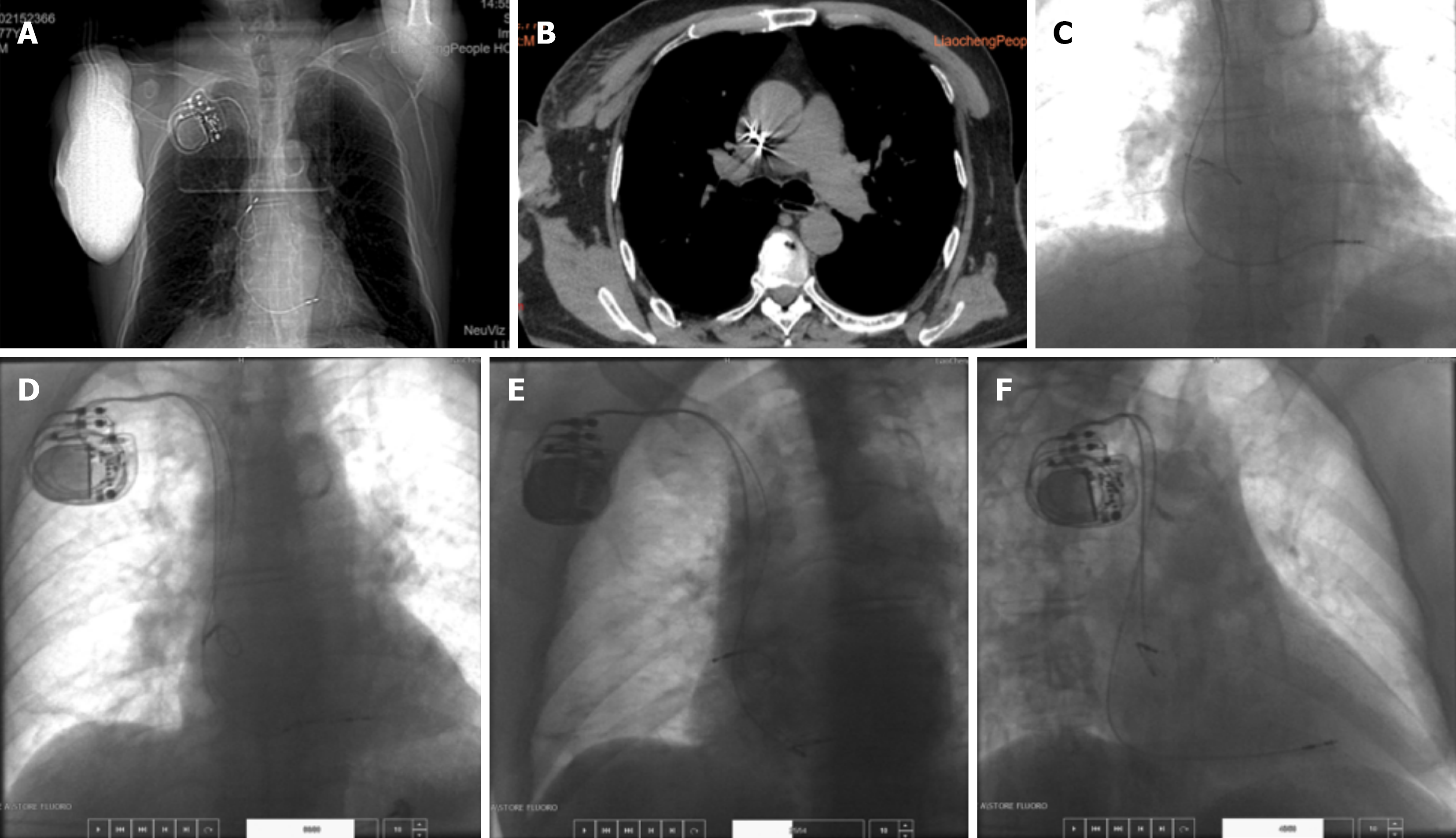
Figure 2 Changes in the position of the pacemaker lead.
A: Anteroposterior chest X-ray showing no obvious change in the ventricular lead compared with the previous image, while the atrial lead is directed leftward; B: Computed tomography scan. The arrow indicates the tip of the dislodged atrial lead, pointing toward the junction of the posterior atrial wall and the superior vena cava; C: Anteroposterior X-ray image after electrode placement and before lead fixation. The ventricular active lead is fixed at the mid-septum. The helix was unscrewed 13 turns, and the screw was fully unscrewed. The ventricular lead was well secured with appropriate slack. The atrial passive lead points toward the right atrial appendage; D: Anteroposterior view showing no obvious change in the position of the ventricular lead compared with Figure 2C. The atrial lead has rotated clockwise compared with Figure 2C, but the tip still points toward the right atrial appendage; E: Left anterior oblique view showing that the ventricular lead directed toward the septum, with the atrial lead tip pointing to the right atrial appendage; F: Right anterior oblique view showing that the atrial lead tip directed anteriorly and inferiorly.
- Citation: Zhang XS, Wang F, Qi XW, Shafii P, Cui XN, Wang YH. Phrenic nerve capture caused by atrial electrode dislodgement: A case report. World J Cardiol 2026; 18(4): 118863
- URL: https://www.wjgnet.com/1949-8462/full/v18/i4/118863.htm
- DOI: https://dx.doi.org/10.4330/wjc.v18.i4.118863