
















Copyright: ©Author(s) 2026.
World J Cardiol. Apr 26, 2026; 18(4): 118546
Published online Apr 26, 2026. doi: 10.4330/wjc.v18.i4.118546
Published online Apr 26, 2026. doi: 10.4330/wjc.v18.i4.118546
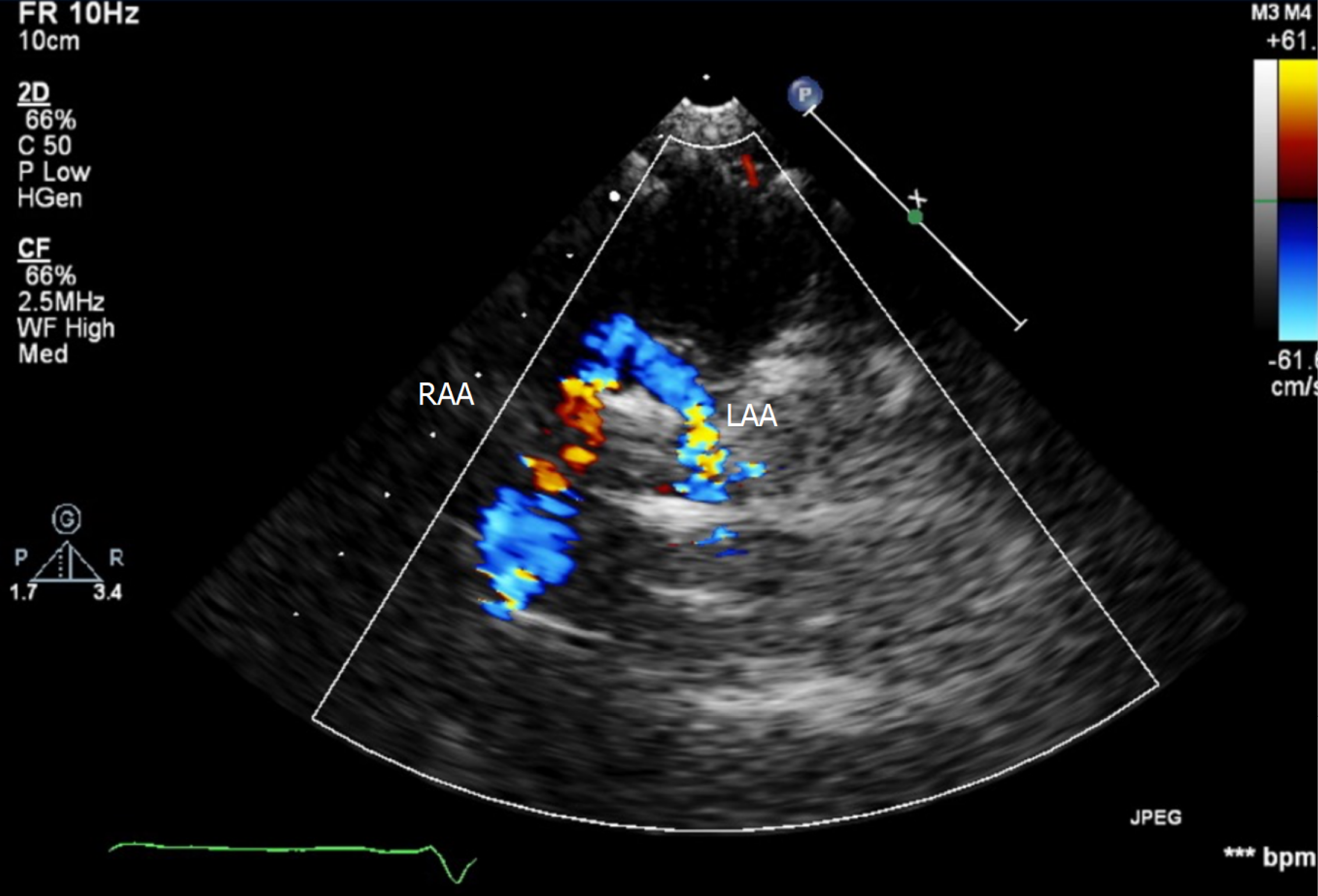
Figure 1 Transthoracic echocardiogram (suprasternal long-axis view) showing color Doppler flow through both the right and left aortic arches forming a complete vascular ring around the trachea and esophagus, consistent with double aortic arch.
RAA: Right aortic arch; LAA: Left aortic arch; FR: Frame rate; C: Compression; P: Persistence; CF: Color flow; WF: Wall filter.
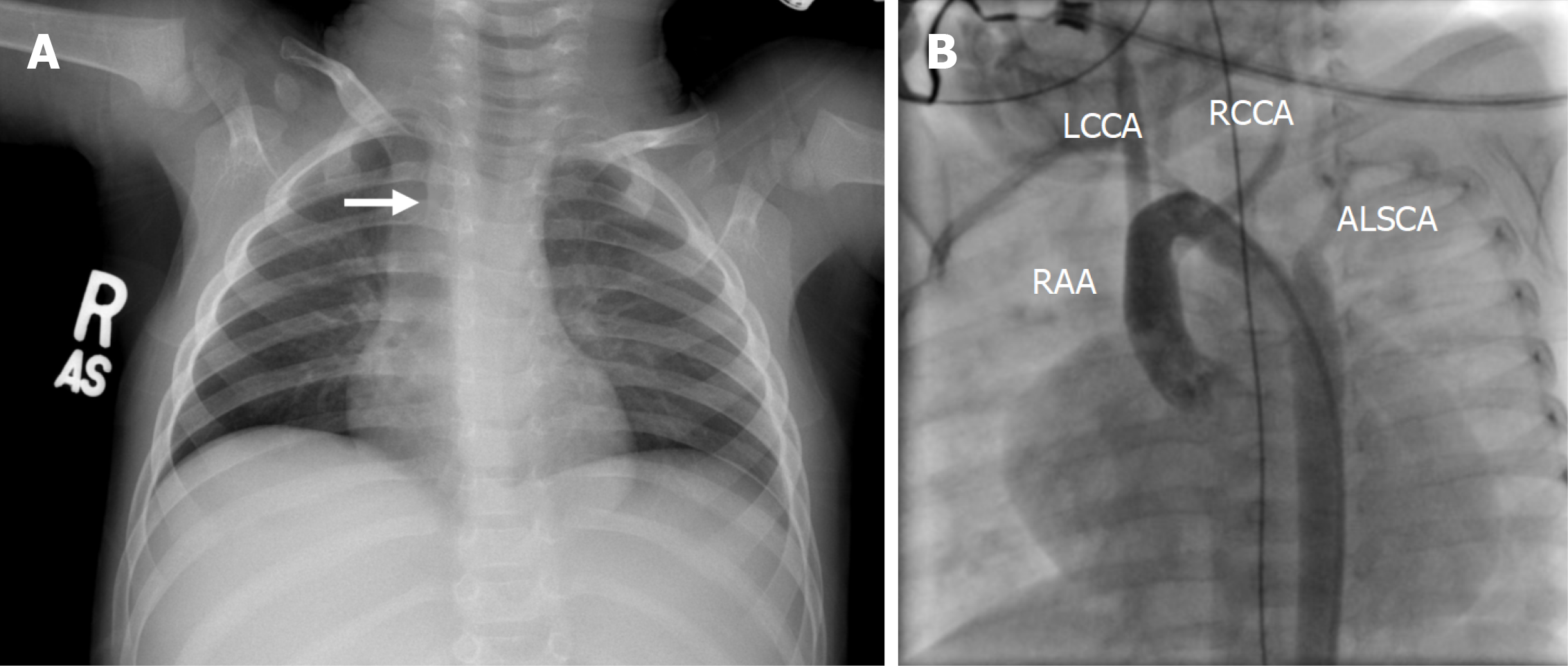
Figure 2 Chest radiograph in vascular rings.
A: Anteroposterior chest radiograph of a patient with double aortic arch demonstrating hyperinflated lungs and tracheal indentation. The patient was initially diagnosed with asthma and experienced recurrent respiratory tract infections requiring multiple hospitalizations. A normal or non-specific anteroposterior chest radiograph does not exclude a vascular ring; B: Selective aortogram (cardiac catheterization) of patient 2, showing a right aortic arch with an aberrant left subclavian artery arising from the descending aorta, confirming the diagnosis of vascular ring. RAS: Right anterosuperior; LCCA: Left common carotid artery, RCCA: Right common carotid artery; RAA: Right aortic arch; ALSCA: Aberrant left subclavian artery.
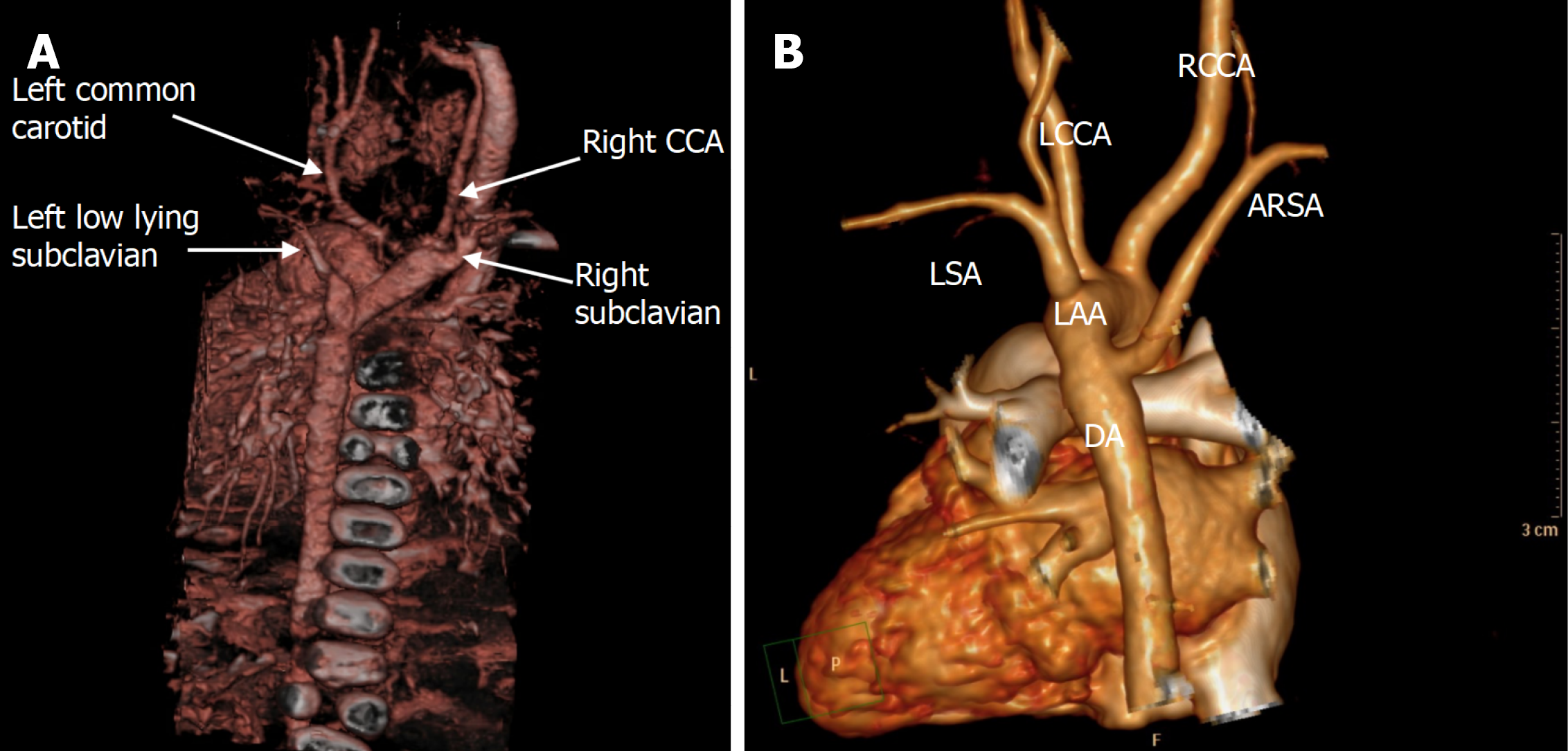
Figure 3 Computed tomography angiography in vascular rings.
A: Three-dimensional volume-rendered computed tomography (CT) angiography of patient 2, demonstrating a right aortic arch (RAA) with an aberrant left subclavian artery (LSA) arising from the descending aorta (DA) and coursing posterior to the esophagus. A left-sided retroesophageal ligamentum arteriosum completes the ring configuration, consistent with a complete vascular ring. In RAA with aberrant LSA from the DA, the retroesophageal course of the LSA plus a left-sided ligamentum arteriosum is the key combination that creates a complete ring; recognizing this on CT angiography (CTA) directly guides surgery toward division of the ligamentum; B: Three-dimensional volume-rendered CTA reconstruction demonstrating a left aortic arch with an aberrant right subclavian artery (ARSA) arising distally and coursing posterior to the esophagus, consistent with an incomplete vascular ring/symptomatic arch anomaly. The key diagnostic feature is the retroesophageal course of the ARSA, which can produce significant dysphagia and feeding/aspiration symptoms even without a complete ring, recognition on CTA helps guide management. CCA: Common carotid artery; LCCA: Left common carotid artery; RCCA: Right common carotid artery; ARSA: Aberrant right subclavian artery; LSA: Left subclavian artery; LAA: Left aortic arch; DA: Descending aorta.
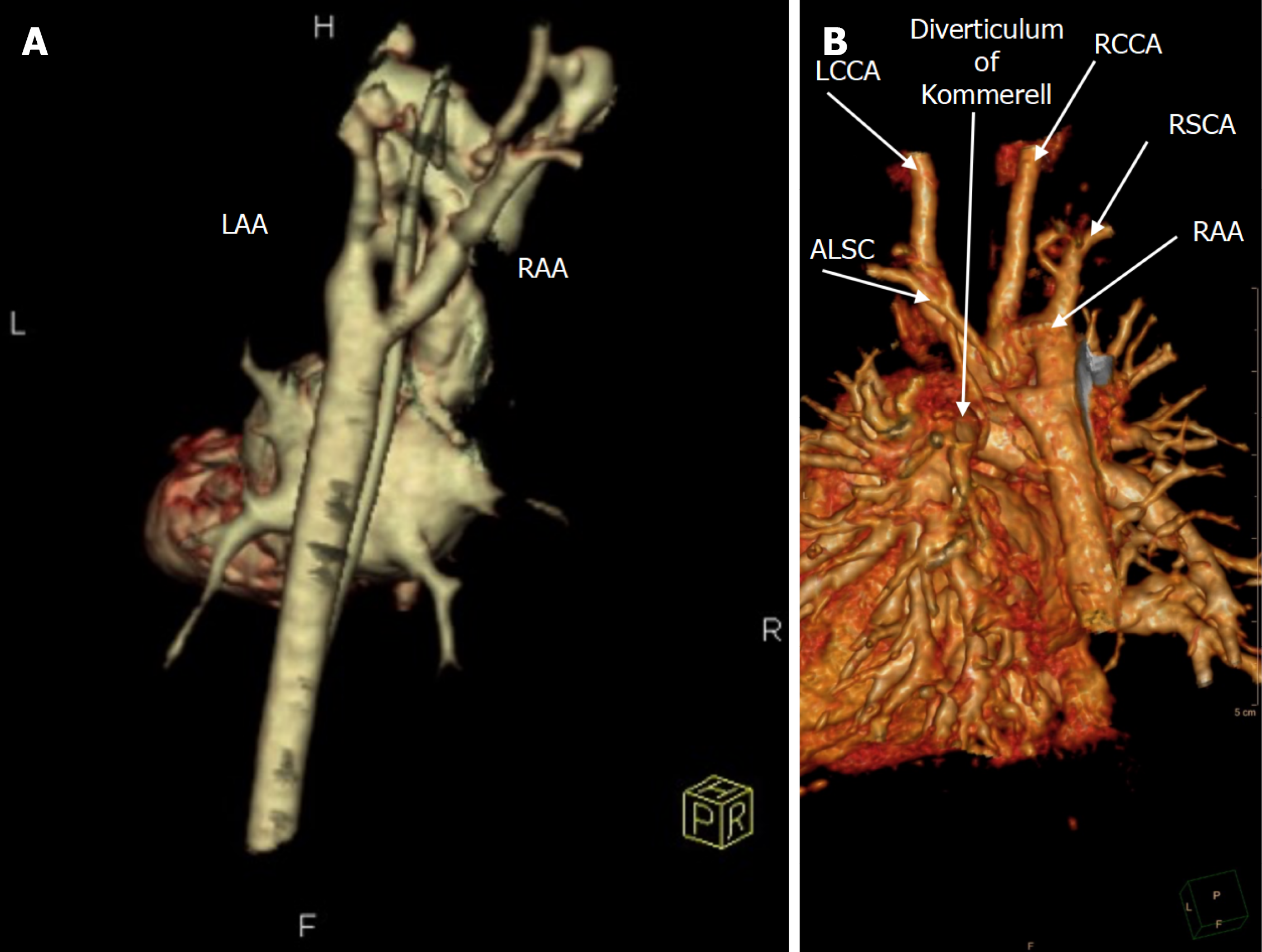
Figure 4 Three-dimensional computed tomography angiography of patient.
A: Three-dimensional computed tomography angiography (CTA) reconstruction of patient 5 demonstrating the vascular anatomy in a patient with double aortic arch, showing both arches encircling the trachea and esophagus. Double aortic arch is the most common complete vascular ring; identifying the dominant vs nondominant arch on CTA is essential because it determines which arch segment is divided during surgical repair; B: Three-dimensional volume-rendered CTA demonstrating a right aortic arch with an aberrant left subclavian artery (ALSA) arising from a Kommerell diverticulum, with labeled branch vessels and the diverticulum origin of the ALSA. In a right aortic arch, identifying an ALSA arising from a Kommerell diverticulum is crucial because the diverticulum and retroesophageal ALSA can be the dominant compressive components; recognizing this anatomy preoperatively guides whether simple ligamentum division is sufficient or whether diverticulum/subclavian-directed intervention may be needed to prevent persistent symptoms. LAA: Left aortic arch; RAA: Right aortic arch; LCCA: Left common carotid artery; RCCA: Right common carotid artery; RSCA: Right subclavian artery; ALSC: Aberrant left subclavian.
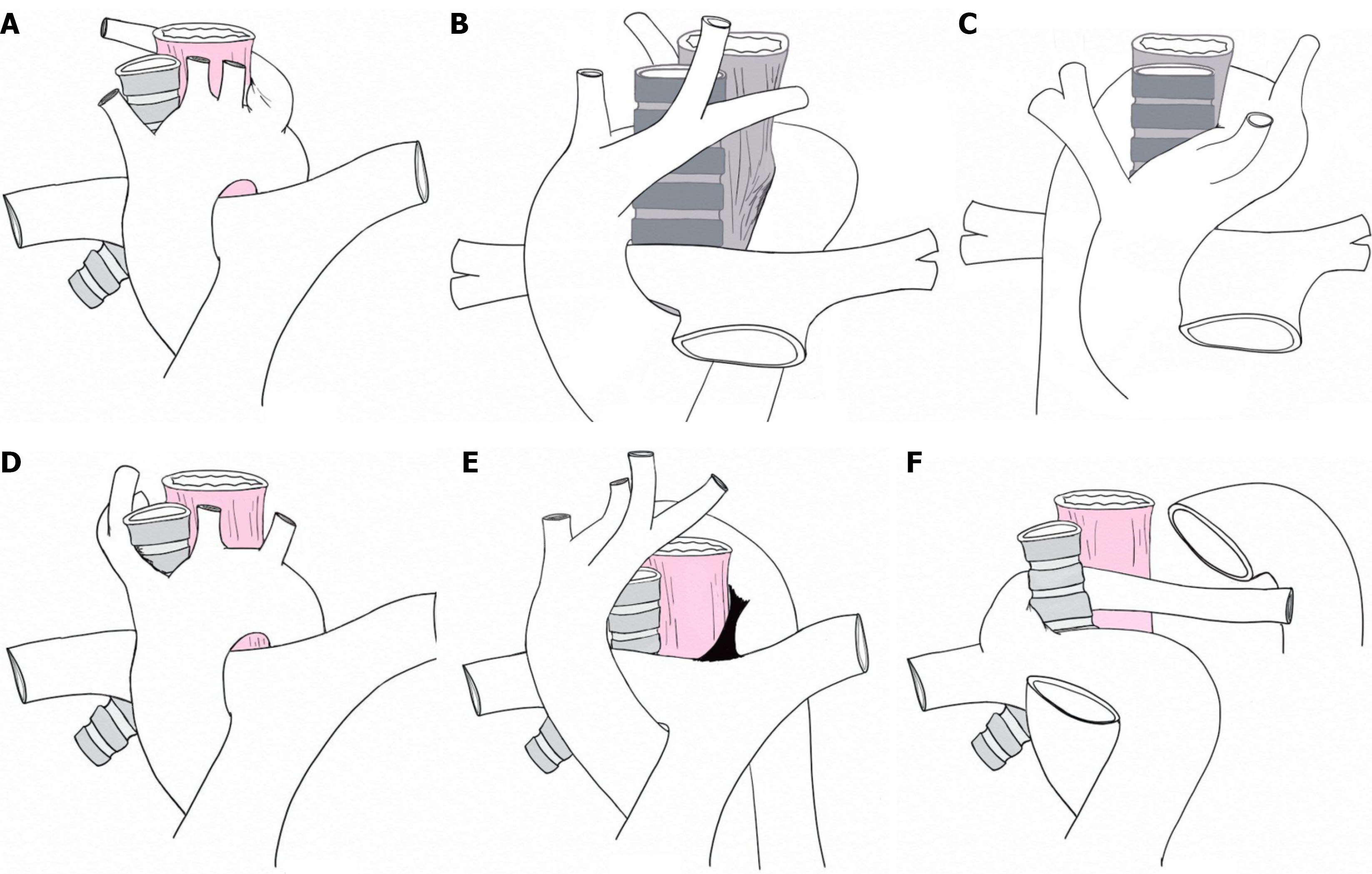
Figure 5 Anatomic variants of vascular rings.
A: Left aortic arch (LAA) with retro-esophageal aberrant right subclavian artery; B: Right aortic arch (RAA) with mirror-image branching and retroesophageal ligamentum arteriosum; C: LAA with right descending thoracic aorta and right ligamentum arteriosum; D: Left arch with an anomalous right brachiocephalic artery; E: RAA with left ligamentum arteriosum; F: Anomalous left pulmonary artery (pulmonary artery sling).
- Citation: Abdul Khalek J, Kanbar K, Zareef R, Alzein MH, El-Rassi I, Bitar FF, Arabi MT. Vascular rings in a tertiary care center: A retrospective review of clinical presentations and interventions. World J Cardiol 2026; 18(4): 118546
- URL: https://www.wjgnet.com/1949-8462/full/v18/i4/118546.htm
- DOI: https://dx.doi.org/10.4330/wjc.v18.i4.118546