















Copyright: ©Author(s) 2026.
World J Cardiol. Mar 26, 2026; 18(3): 116217
Published online Mar 26, 2026. doi: 10.4330/wjc.v18.i3.116217
Published online Mar 26, 2026. doi: 10.4330/wjc.v18.i3.116217
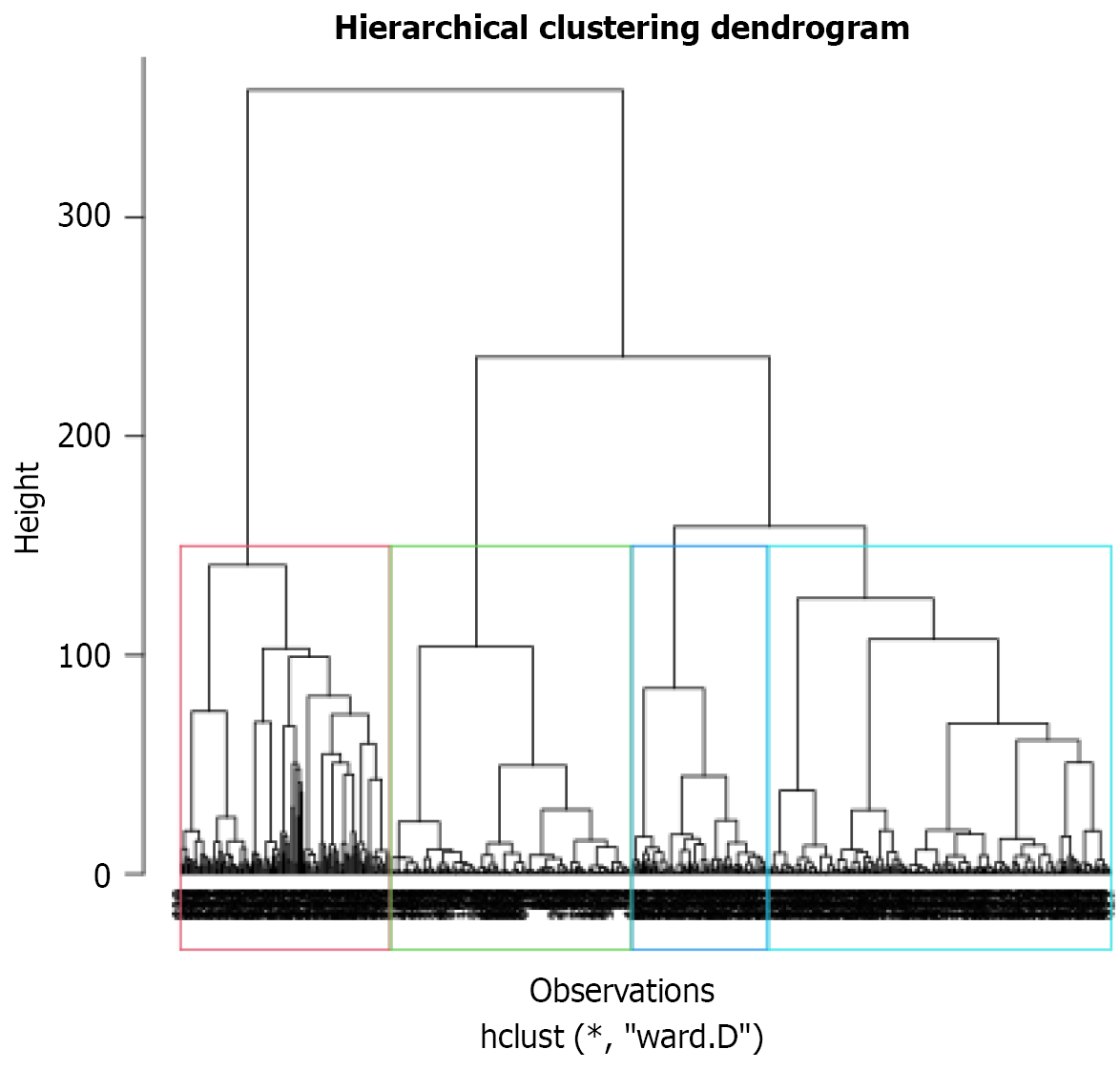
Figure 1 Phenotypic clusters identified by clinical profiling.
The plot illustrates the four distinct patient clusters derived from hierarchical clustering of clinical and demographic variables. Cluster 1 younger, predominantly healthy individuals. Cluster 2 older, predominantly healthy individuals. Clusters 3 and 4: Patients with significant comorbidities but divergent profiles.
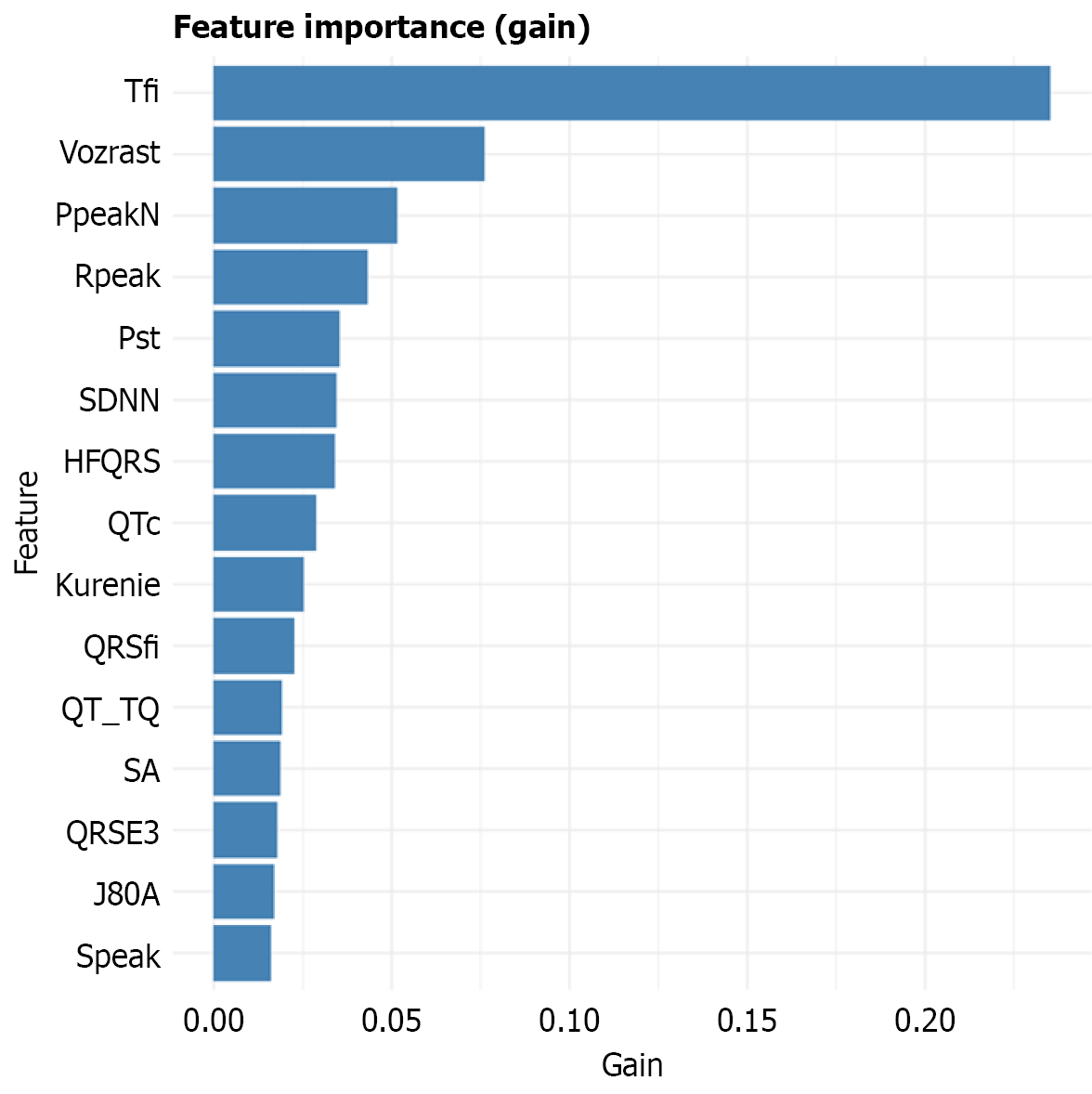
Figure 2 Top 15 features for predicting diabetes mellitus in cluster 4.
The feature importance plot from the gradient boosting machine model shows the relative contribution of each variable. Tfi: T-wave flatness index; PpeakN: Negative P-wave peak amplitude; Rpeak: R-wave amplitude; Pst: P-wave start time; SDNN: Standard deviation of normal-to-normal intervals; HFQRS: High-frequency QRS; QTc: Corrected QT; QRSfi: QRS complex morphology; SA: Amplitude of the S wave; QRSE3: To the ranges set by the frequency grid of 2-4-8-16-32 Hz; J80A: Amplitude at point J+80 milliseconds, μV.
- Citation: Karbovskaya AD, Marzoog BA, Stroeva A, Suvorov A, Chomakhidze P, Gognieva D, Kuznetsova N, Syrkin A, Fadeev VV, Ismailova SM, Poluboyarinova IV, Kopylov P. Machine learning-based detection of diabetes mellitus from single-lead electrocardiography: A phenotype-stratified approach. World J Cardiol 2026; 18(3): 116217
- URL: https://www.wjgnet.com/1949-8462/full/v18/i3/116217.htm
- DOI: https://dx.doi.org/10.4330/wjc.v18.i3.116217