
















©The Author(s) 2025.
World J Cardiol. Dec 26, 2025; 17(12): 110861
Published online Dec 26, 2025. doi: 10.4330/wjc.v17.i12.110861
Published online Dec 26, 2025. doi: 10.4330/wjc.v17.i12.110861
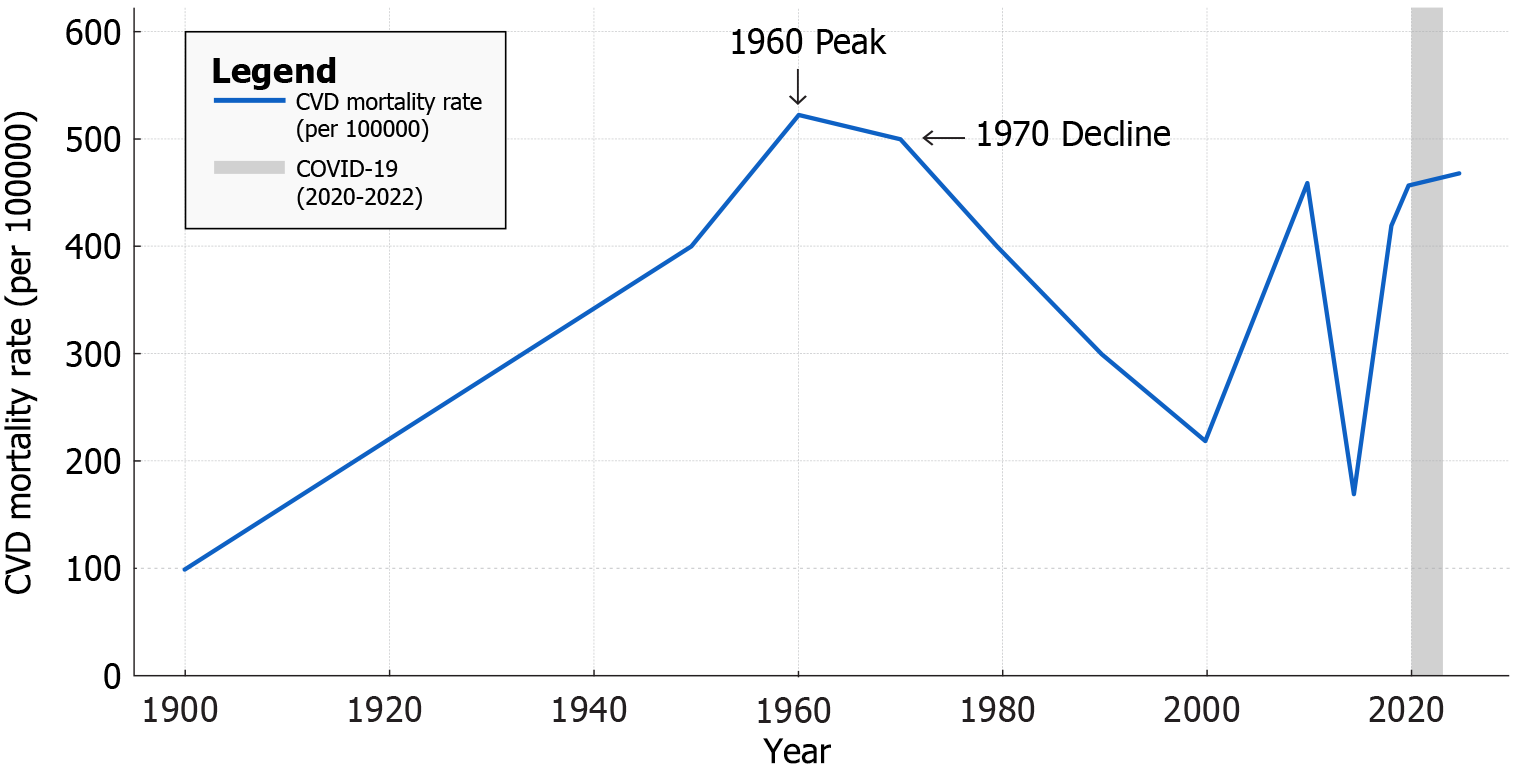
Figure 1 Age-adjusted cardiovascular disease mortality rate in the United States (1900-2024).
Age-adjusted cardiovascular mortality in the United States fell steeply after 1960 but rebounded during the coronavirus disease 2019 era, underscoring the persistent public-health burden of heart disease. COVID-19: Coronavirus disease 2019; CVD: Cardiovascular disease.
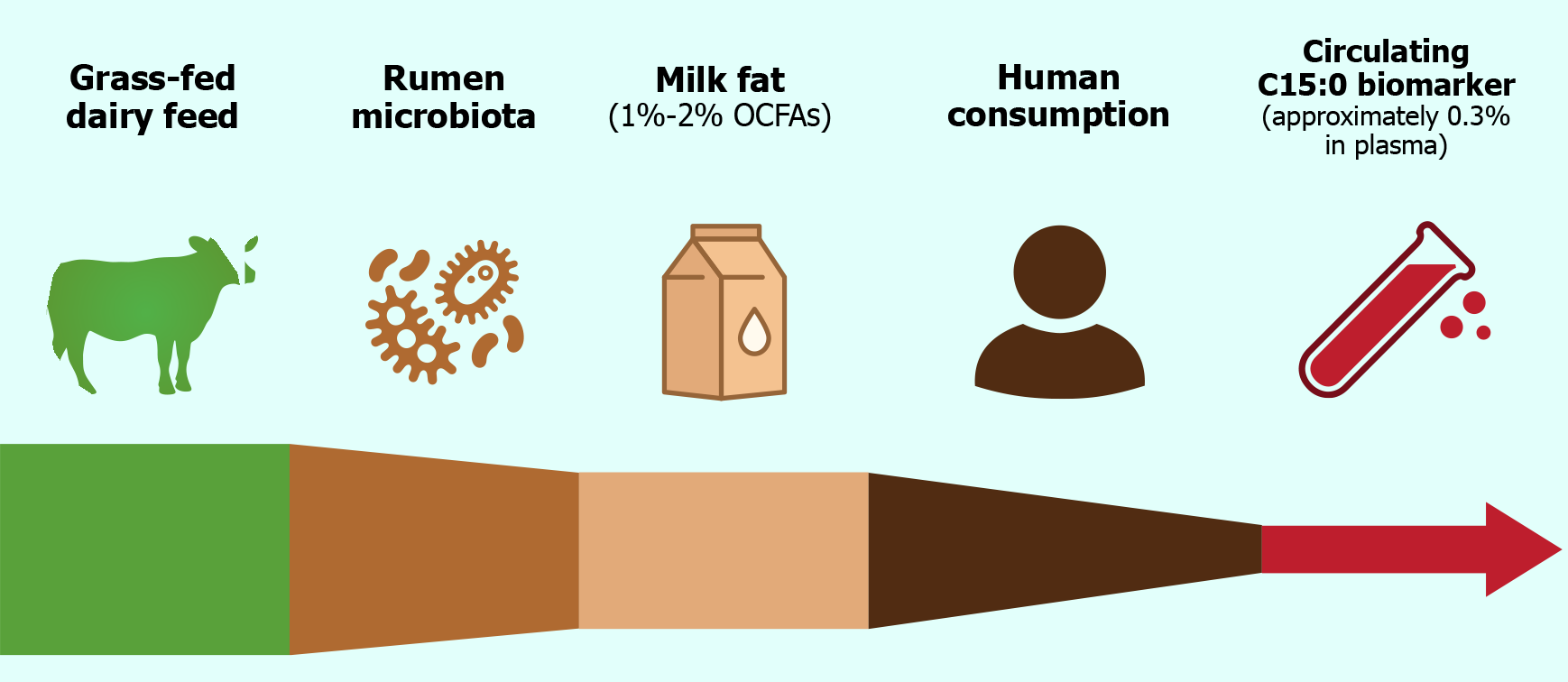
Figure 2 Dietary and metabolic flow of pentadecanoic acid (C15:0).
Major exogenous pathway for pentadecanoic acid: Microbial synthesis in ruminants yields C15:0-rich milk fat that, once ingested, produces characteristic circulating C15:0 signatures usable as objective dairy-intake biomarkers. OCSFAs: Odd-chain saturated fatty acids.
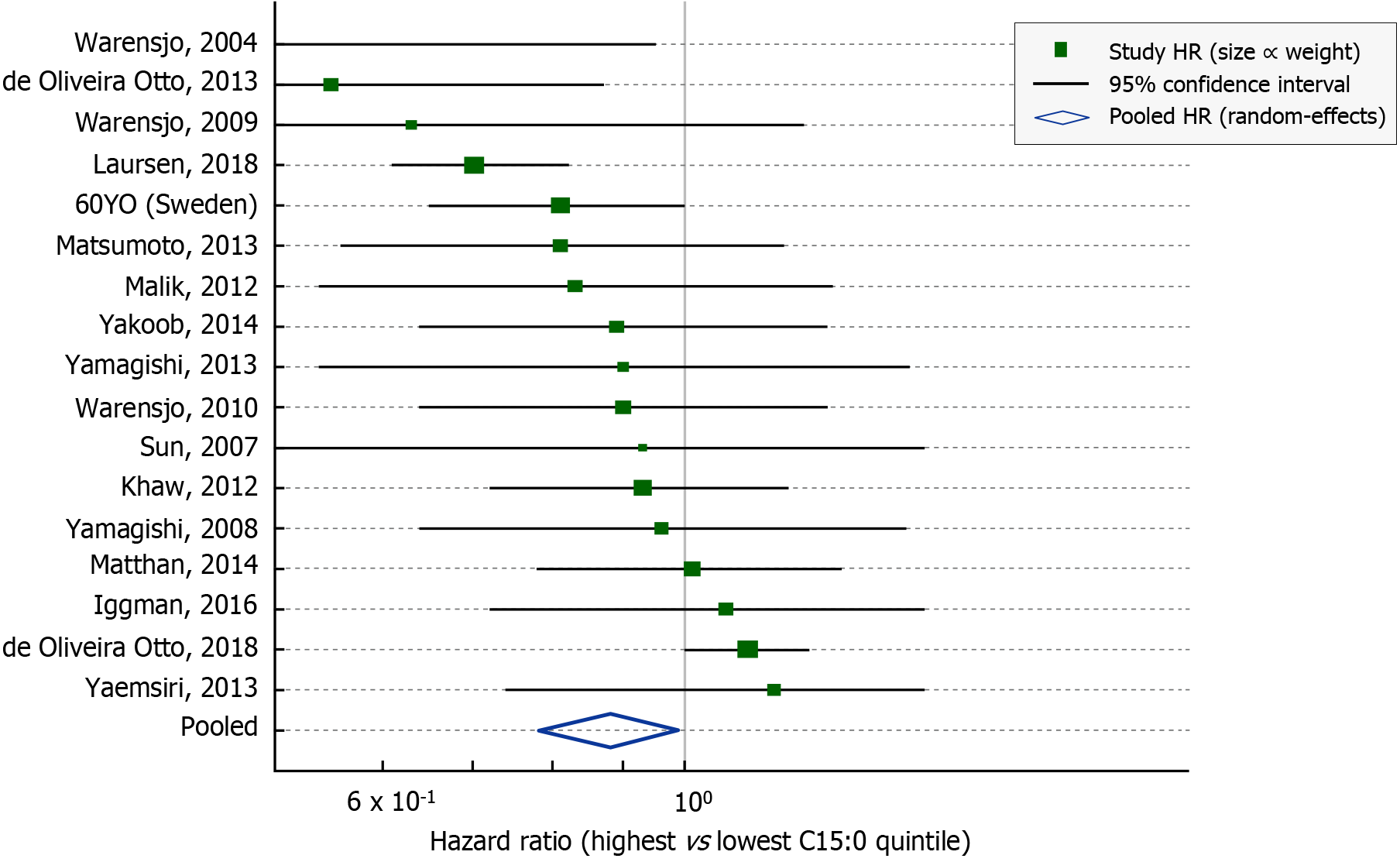
Figure 3 Prospective evidence linking circulating C15:0 to cardiovascular events.
Pooled analysis of 18 prospective cohorts shows a 12% lower risk of incident cardiovascular disease among participants in the highest quintile of circulating C15:0 compared with the lowest, with minimal between-study heterogeneity (I2 = 14%). HR: Hazard ratio.
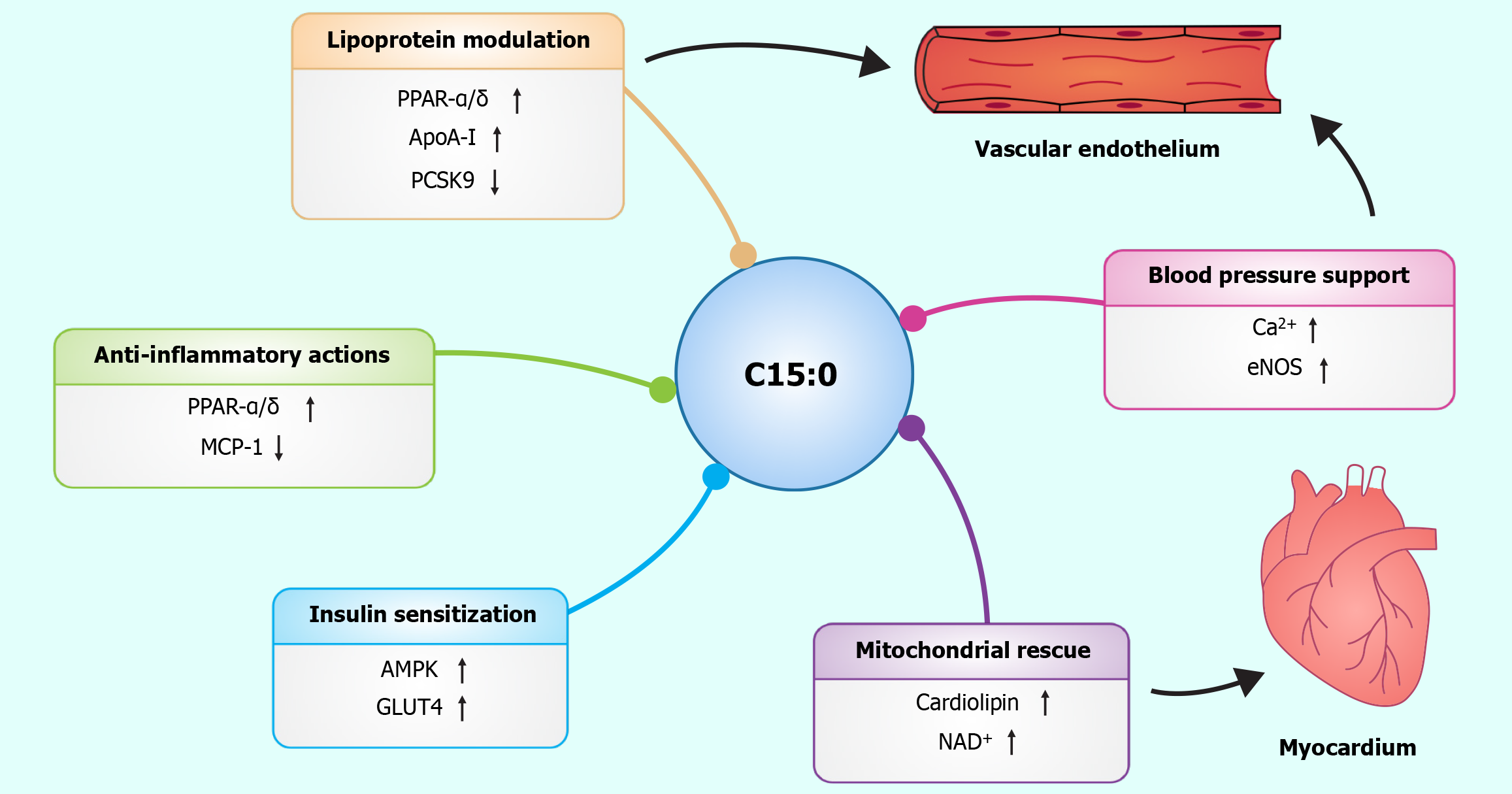
Figure 4 Integrated mechanistic map of C15:0 cardioprotection.
Pentadecanoic acid engages lipid, inflammatory, metabolic and mitochondrial pathways that collectively attenuate atherosclerosis and improve cardiometabolic health. AMPK: AMP-activated protein kinase; MCP-1: Monocyte chemoattractant protein-1; PPAR-α/δ: Peroxisome proliferator-activated receptors alpha and delta; GLUT4: Glucose transporter type 4.
- Citation: Mercola J. Pentadecanoic acid (C15:0) and cardiovascular disease: A narrative review. World J Cardiol 2025; 17(12): 110861
- URL: https://www.wjgnet.com/1949-8462/full/v17/i12/110861.htm
- DOI: https://dx.doi.org/10.4330/wjc.v17.i12.110861