
















Copyright: ©Author(s) 2026.
World J Biol Chem. Jun 5, 2026; 17(2): 113144
Published online Jun 5, 2026. doi: 10.4331/wjbc.v17.i2.113144
Published online Jun 5, 2026. doi: 10.4331/wjbc.v17.i2.113144

Figure 1 Standard graph of flavonoids, phenolic compounds and tannin.
A: Standard graph for flavonoids of the quercetin of the concentration range 200-1000 μg; B: Standard graph for phenolic compound of gallic acid of the concentration range of 200-1000 μg; C: Standard graph for tannins for tannic acid the concentration range of 200-1000 μg.
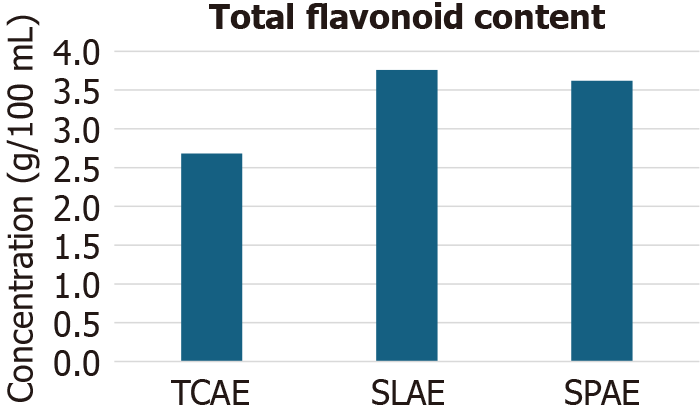
Figure 2 Estimation of total flavonoid content.
The above graph represents the concentration of total flavonoid compound present in the Tinospora cordifolia stem aqueous extract, Senna siamea leaf aqueous extract and Senna siamea pods aqueous extract. The highest flavonoid is found in Senna siamea leaf aqueous extract of 3.76 g/100 mL. TCAE: Tinospora cordifolia stem aqueous extract; SLAE: Senna siamea leaf aqueous extract; SPAE: Senna siamea pods aqueous extract.
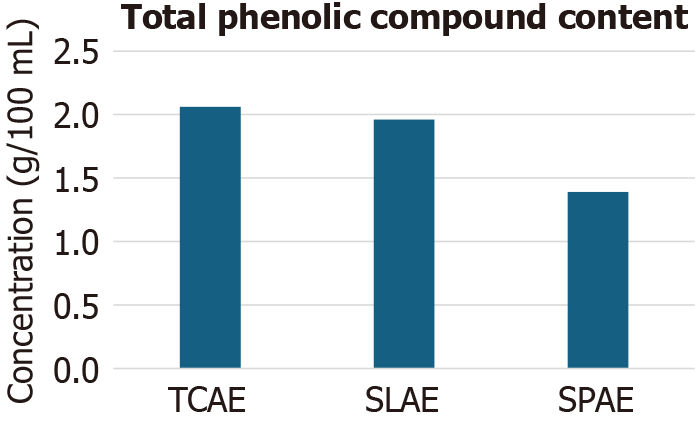
Figure 3 Estimation of total phenolic compound content.
The above graph represents the concentration of total phenolic content in the Tinospora cordifolia stem aqueous extract, Senna siamea leaf aqueous extract and Senna siamea pods aqueous extract. The highest phenolic compound is found in Tinospora cordifolia stem aqueous extract of 2.06 g/100 mL. TCAE: Tinospora cordifolia stem aqueous extract; SLAE: Senna siamea leaf aqueous extract; SPAE: Senna siamea pods aqueous extract.
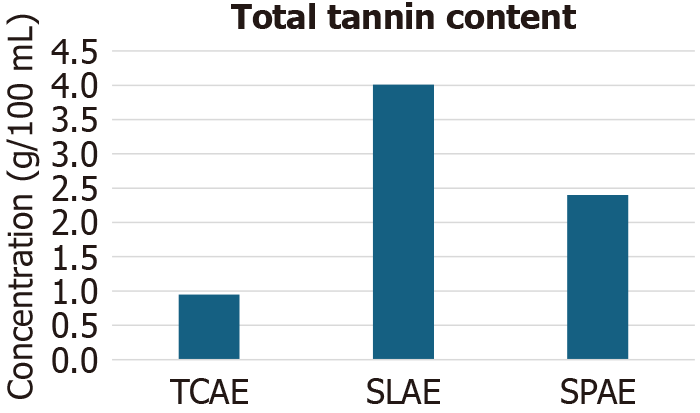
Figure 4 Estimation of total tannin content.
The above graph represents the concentration of total tannin content in the Tinospora cordifolia stem aqueous extract, Senna siamea leaf aqueous extract and Senna siamea pods aqueous extract. The highest tannin is found in Senna siamea leaf aqueous extract of 4.01 g/100 mL. TCAE: Tinospora cordifolia stem aqueous extract; SLAE: Senna siamea leaf aqueous extract; SPAE: Senna siamea pods aqueous extract.
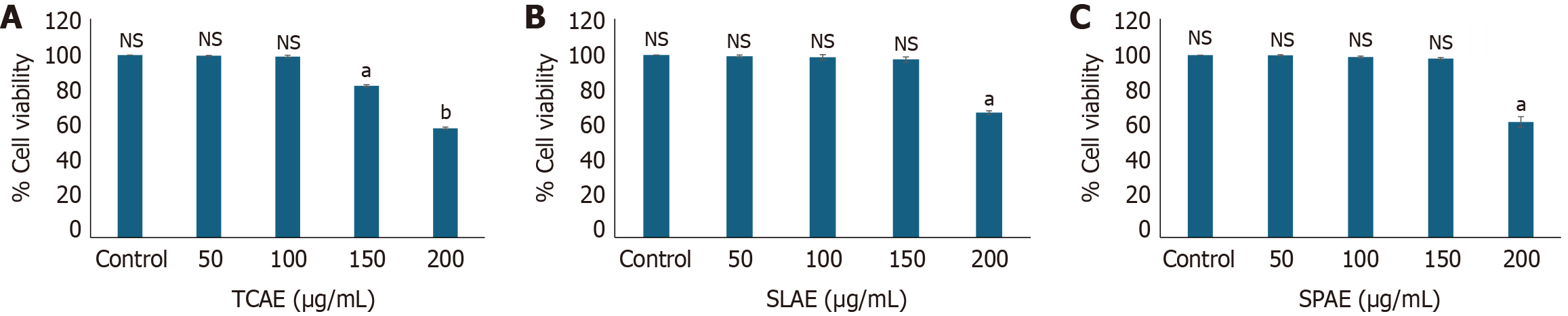
Figure 5 Cell viability in THP-1 cells treated with Tinospora cordifolia stem aqueous extract, Senna siamea leaf aqueous extract and Senna siamea pods aqueous extract.
A: The following graph shows cell viability after treatment with 50-200 μg Tinospora cordifolia stem aqueous extract (TCAE). The highest cell cytotoxicity is found in 200 μg TCAE treatment; B: The following graph shows cell viability after treatment with 50-200 μg Senna siamea leaf aqueous extract (SLAE). The highest cell cytotoxicity was found in the 200 μg SLAE treatment; C: Cell viability in THP-1 cells treated with Senna siamea pods aqueous extract (SPAE). The following graph shows the cell viability after treatment with SPAE of concentration ranging 50-200 μg. The highest cell cytotoxicity is found in TCAE treatment with 200 μg concentration. aP < 0.05 vs control group; bP < 0.01 vs control group; NS indicates not significant. TCAE: Tinospora cordifolia stem aqueous extract; SLAE: Senna siamea leaf aqueous extract; SPAE: Senna siamea pods aqueous extract.
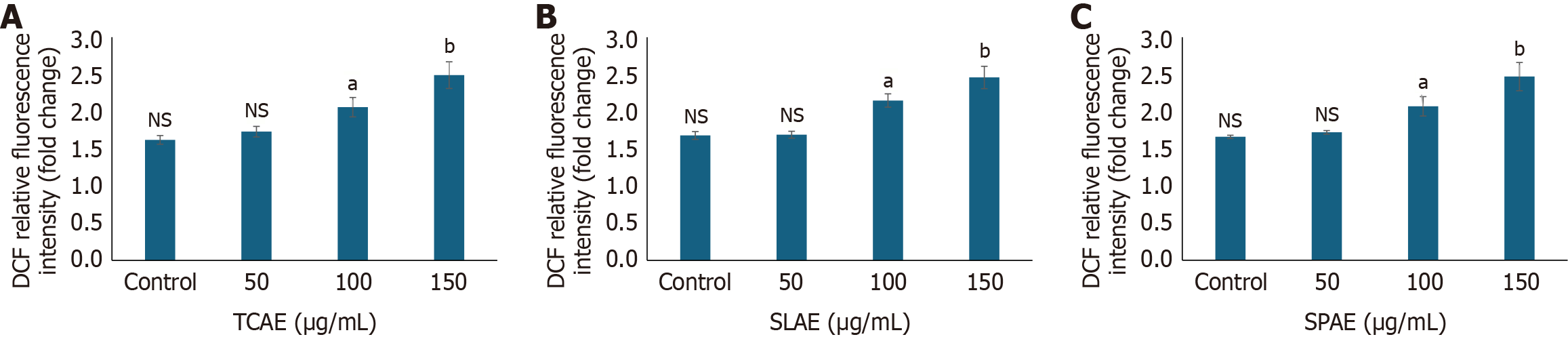
Figure 6 Reactive oxygen species assay in THP-1 cells treated with Tinospora cordifolia stem aqueous extract, Senna siamea leaf aqueous extract and Senna siamea pods aqueous extract.
A: The following graph shows the reactive oxygen species (ROS) activity in the THP-1 cells after treatment with Tinospora cordifolia stem aqueous extract (TCAE). Higher ROS activity is found in the TCAE 150 μg concentration treatment in the cells; B: The following graph shows the ROS activity in the THP-1 cells after treatment with Senna siamea leaf aqueous extract (SLAE). Higher ROS activity is found in the SLAE 150 μg concentration treatment in the cells; C: The following graph shows the ROS activity in the THP-1 cells after treatment with Senna siamea pods aqueous extract (SPAE). Higher ROS activity is found in the SPAE 150 μg concentration treatment in the cells. aP < 0.05 vs control group; bP < 0.01 vs control group; NS indicates not significant. TCAE: Tinospora cordifolia stem aqueous extract; SLAE: Senna siamea leaf aqueous extract; SPAE: Senna siamea pods aqueous extract.
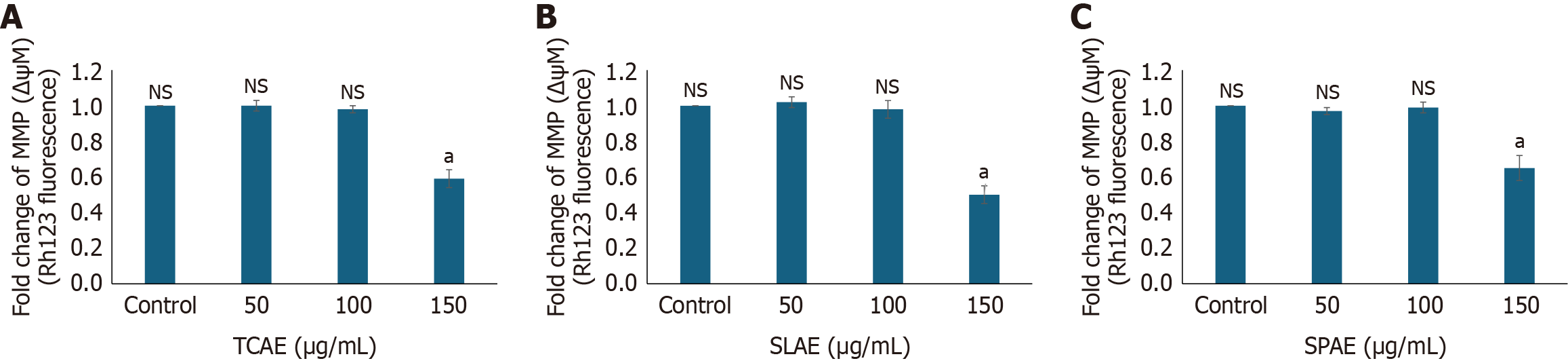
Figure 7 Mitochondrial membrane potential assay in THP-1 cells treated with Tinospora cordifolia stem aqueous extract, Senna siamea leaf aqueous extract and Senna siamea pods aqueous extract.
A: The following graph shows the mitochondrial membrane potential (MMP) activity in the THP-1 cells after treatment with Tinospora cordifolia stem aqueous extract (TCAE). The MMP activity is found to decrease with increase in the TCAE concentration. MMP is found to be decreased highly in 150 μg TCAE concentration treatment in the cells; B: The following graph shows the MMP activity in the THP-1 cells after treatment with Senna siamea leaf aqueous extract (SLAE). The MMP activity is found to decrease with increase in the SLAE concentration. MMP is found to be decreased highly in 150 μg SLAE concentration treatment in the cells; C: The following graph shows the MMP activity in the THP-1 cells after treatment with Senna siamea pods aqueous extract (SPAE). The MPP activity is found to decrease with increase in the SPAE concentration. MMP is found to be decreased highly in 150 μg SPAE concentration treatment in the cells. aP < 0.05 vs control group; NS indicates not significant. TCAE: Tinospora cordifolia stem aqueous extract; SLAE: Senna siamea leaf aqueous extract; SPAE: Senna siamea pods aqueous extract.
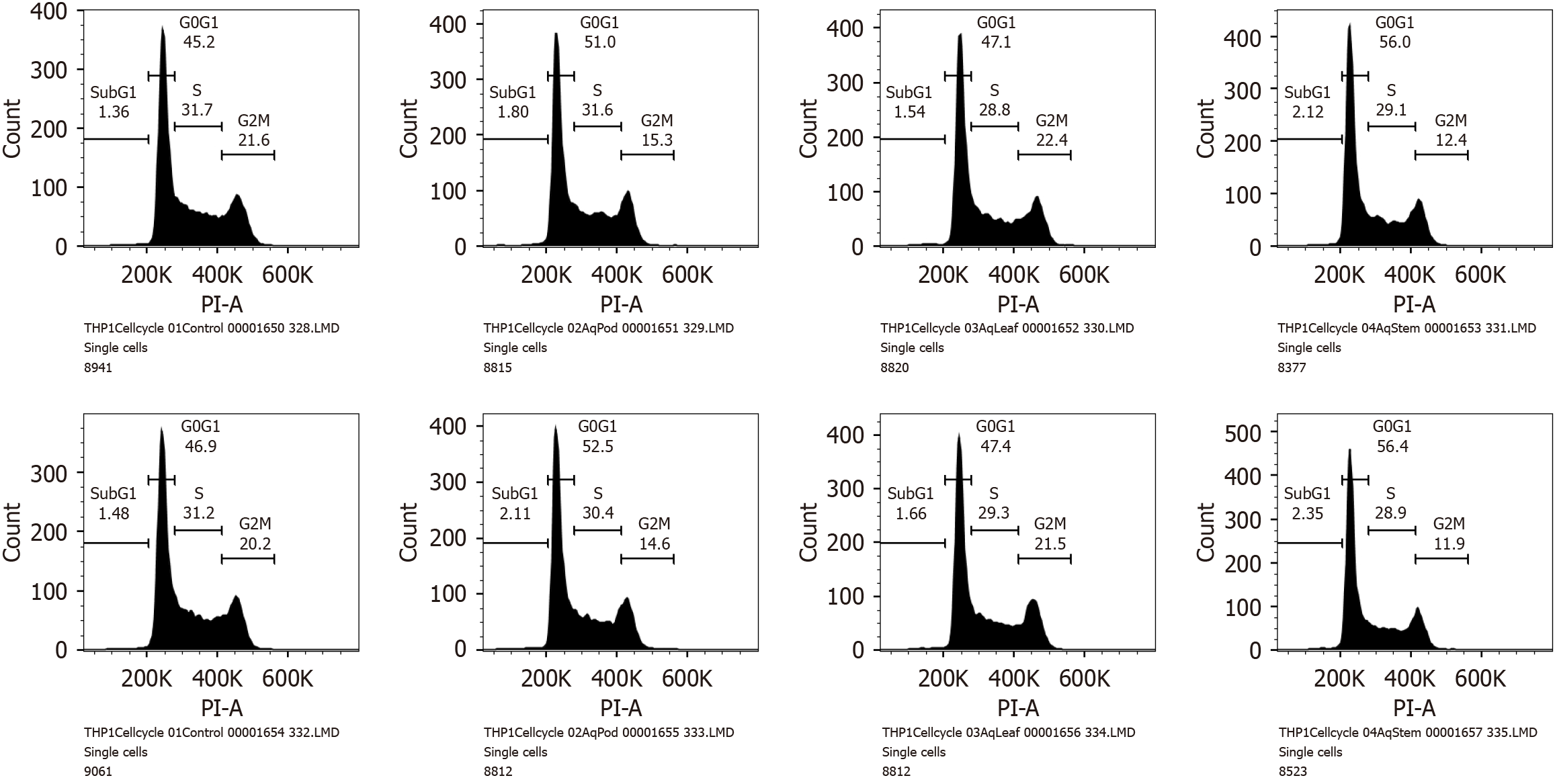
Figure 8 Cell cycle assay in THP-1 in the cells treated with Tinospora cordifolia stem aqueous extract, Senna siamea leaf aqueous extract and Senna siamea pods aqueous extract.
The following figure shows the treatment of THP-1 cells with Tinospora cordifolia stem aqueous extract (TCAE), Senna siamea leaf aqueous extract (SLAE) and Senna siamea pods aqueous extract (SPAE) individually in the cells. The cells are arrested in the G0/G1 stage. A high number of cells are arrested upon treatment with TCAE, followed by SPAE and SLAE in flow cytometric analysis.
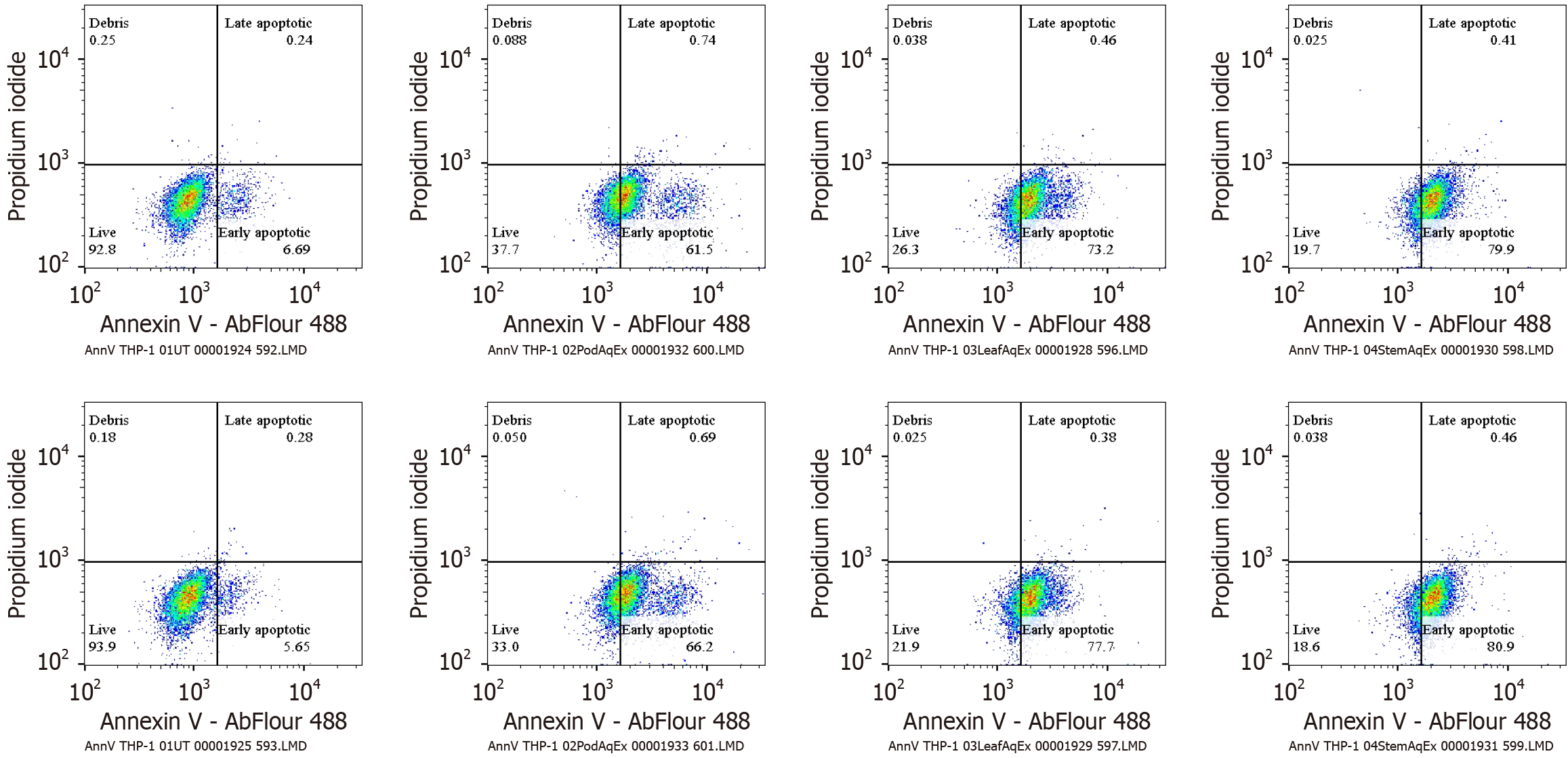
Figure 9 Apoptosis assay in cells treated with Tinospora cordifolia stem aqueous extract, Senna siamea leaf aqueous extract and Senna siamea pods aqueous extract.
The following figure shows the induction of apoptosis with treatment of Tinospora cordifolia stem aqueous extract, Senna siamea leaf aqueous extract and Senna siamea pods aqueous in the THP-1 cells. Treatment with the extracts resulted in entry of the cells into early apoptosis in flow cytometric analysis.
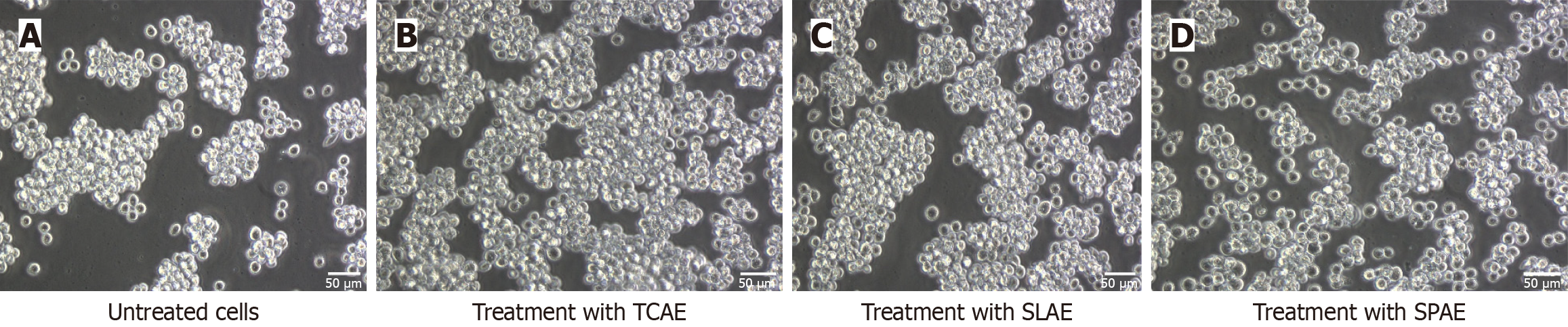
Figure 10 Cells treated with Tinospora cordifolia stem aqueous extract, Senna siamea leaf aqueous extract and Senna siamea pods aqueous extract and untreated cells.
A: The untreated THP-1 cells; B: The THP-1 cells treated with Tinospora cordifolia stem aqueous extract; C: The THP-1 cells treated with Senna siamea leaf aqueous extract; D: The THP-1 cells treated with Senna siamea pods aqueous extract. TCAE: Tinospora cordifolia stem aqueous extract; SLAE: Senna siamea leaf aqueous extract; SPAE: Senna siamea pods aqueous extract.
- Citation: Boro A, Jothi Dheivasikamani A, Prabhu Jeyabal Philomenathan A, Manivannan J, Krishnaswamy S, Palanisamy S, Arumugam VA. Study of Tinospora cordifolia stem and Senna siamea leaf and pods: An in vitro therapeutic approach for leukemia. World J Biol Chem 2026; 17(2): 113144
- URL: https://www.wjgnet.com/1949-8454/full/v17/i2/113144.htm
- DOI: https://dx.doi.org/10.4331/wjbc.v17.i2.113144