
















Copyright: ©Author(s) 2026.
World J Gastrointest Surg. Mar 27, 2026; 18(3): 115191
Published online Mar 27, 2026. doi: 10.4240/wjgs.v18.i3.115191
Published online Mar 27, 2026. doi: 10.4240/wjgs.v18.i3.115191
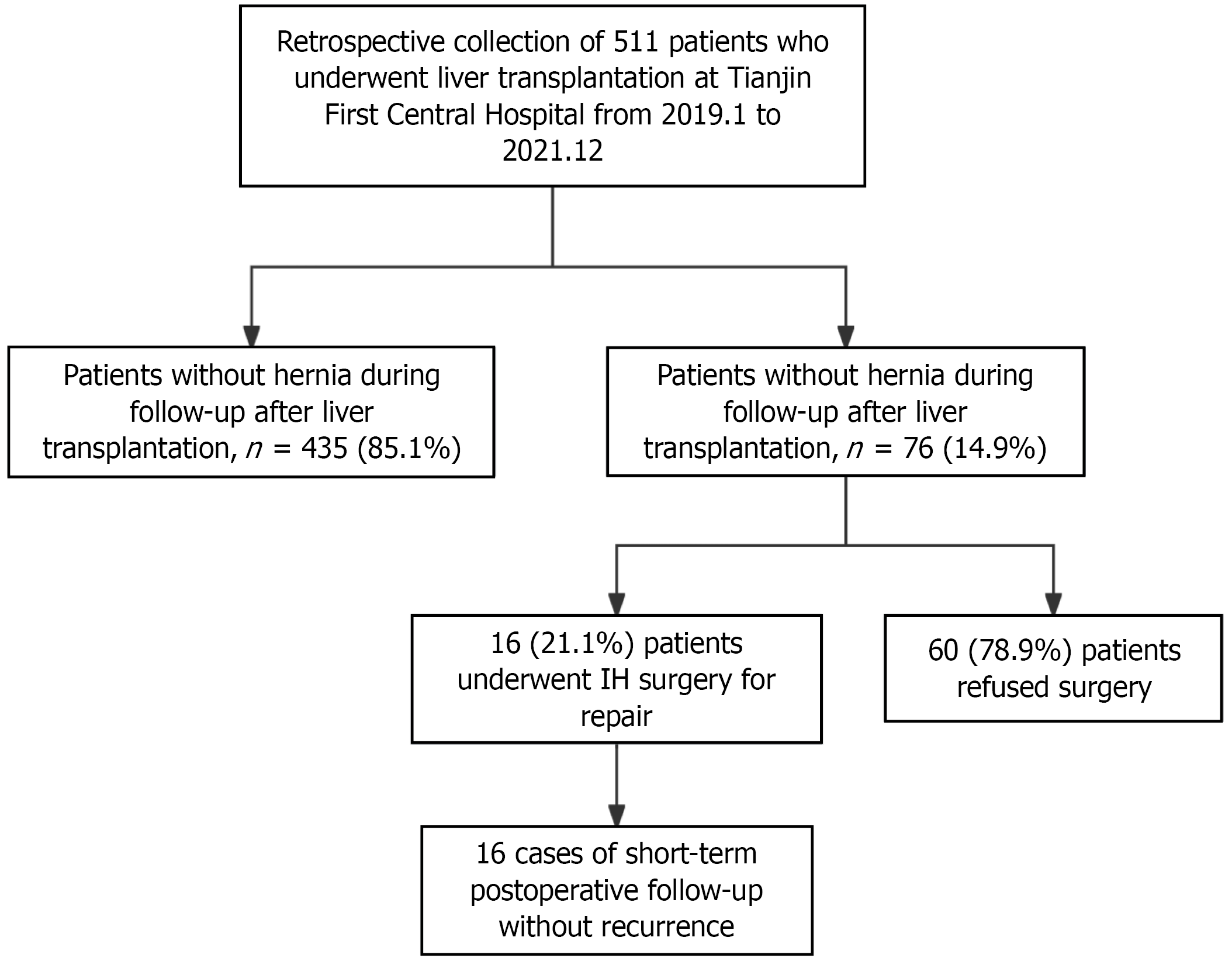
Figure 1 Flowchart of patient selection for incisional hernia after liver transplantation.
IH: Incisional hernia.
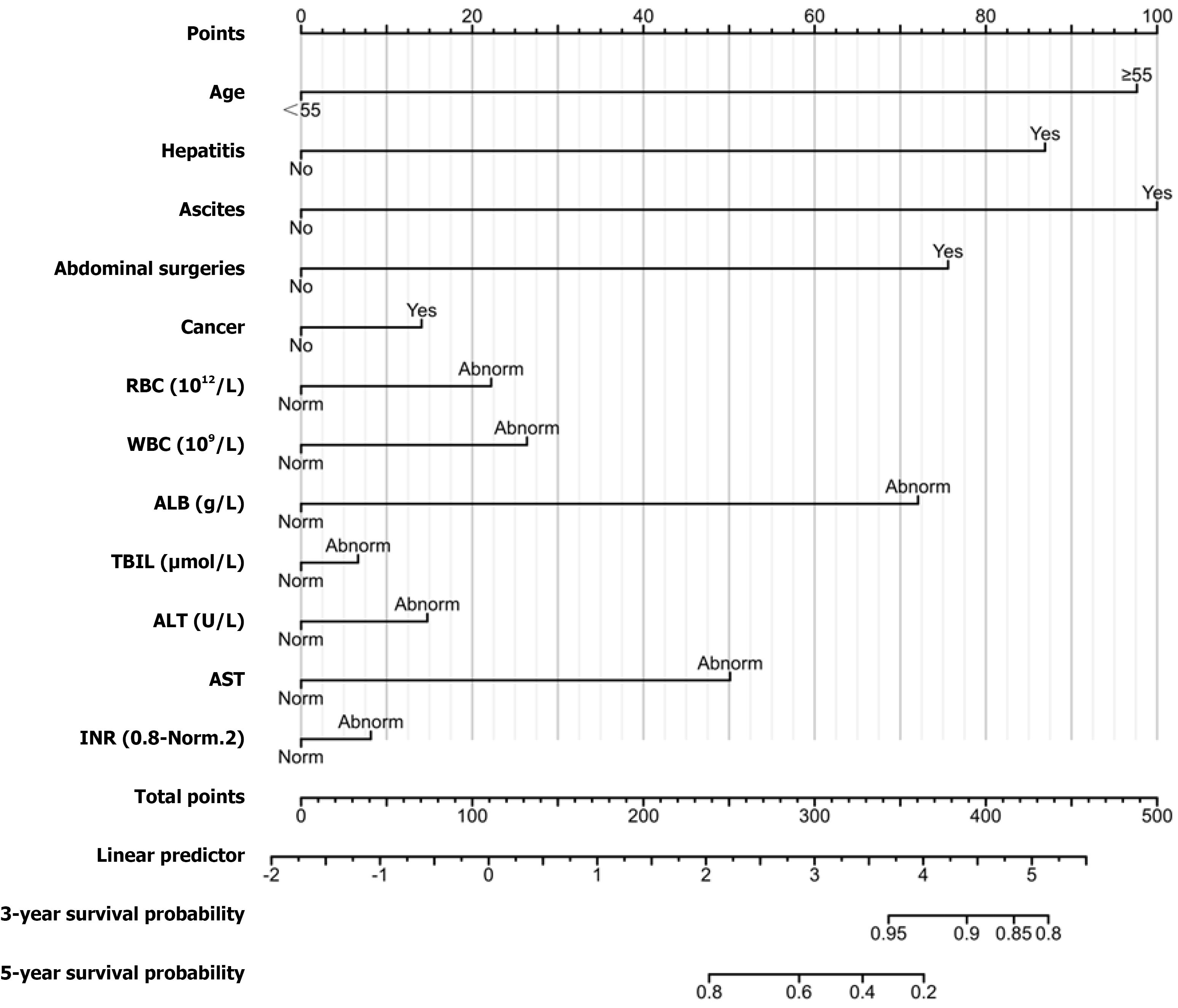
Figure 2 Nomogram for predicting the 3- and 5-year risk of postoperative incisional hernia after liver transplantation.
The nomogram integrates significant variables identified from multivariate Cox regression analysis, including age, hepatitis, ascites, serum albumin, alanine aminotransferase, aspartate aminotransferase, and prothrombin time. Each variable corresponds to a score on the top axis; the total score indicates the predicted probability of incisional hernia occurrence. RBC: Red blood cell; WBC: White blood cell; ALB: Albumin; TBIL: Total bilirubin; ALT: Alanine aminotransferase; AST: Aspartate aminotransferase; INR: International normalized ratio.
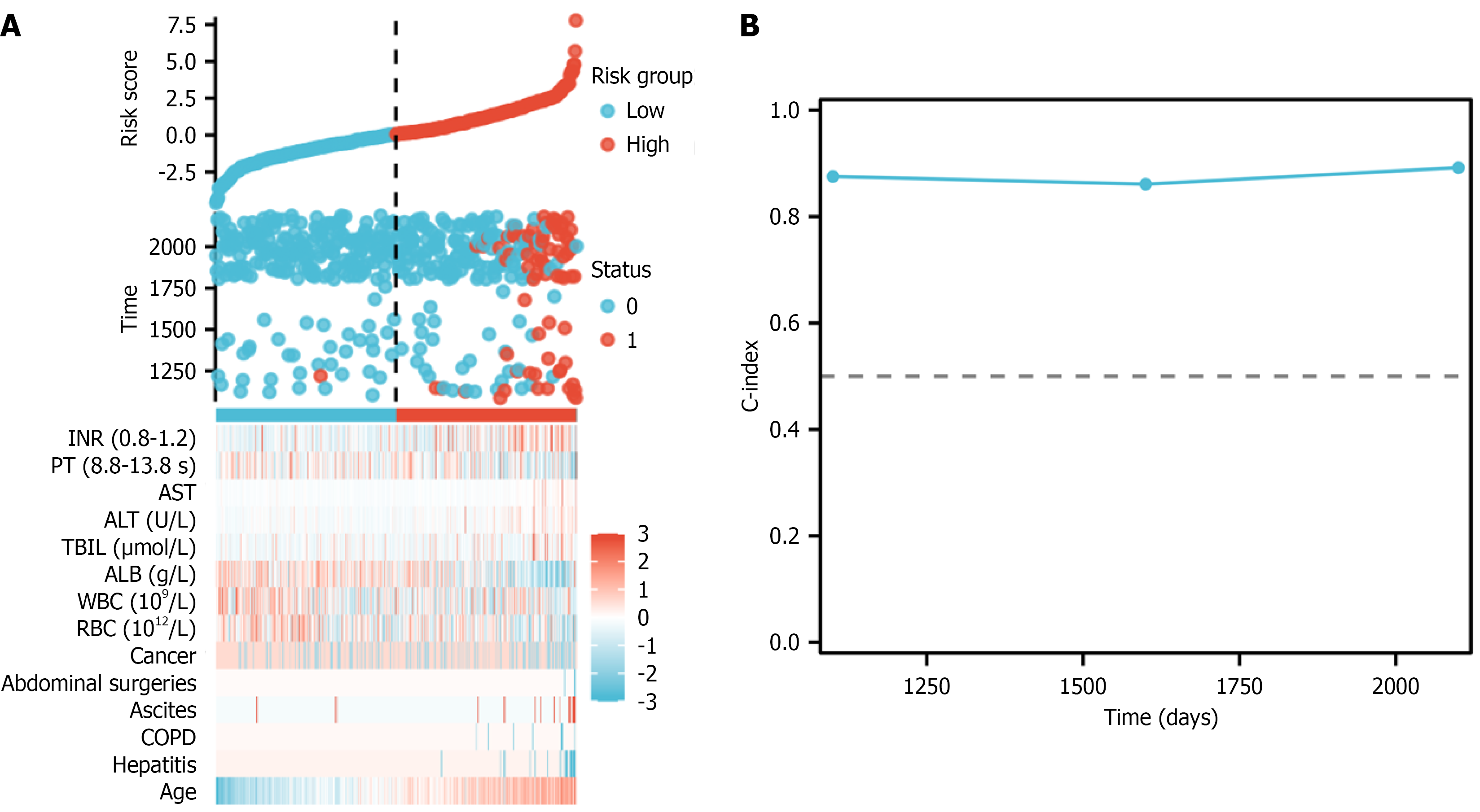
Figure 3 Nomogram construction and predictive model performance.
A: Heatmap showing the correlation between clinical variables and risk of incisional hernia following liver transplantation; B: Higher risk scores correspond to patients with advanced age, presence of ascites, hepatitis, and lower serum albumin levels. INR: International normalized ratio; PT: Prothrombin time; AST: Aspartate aminotransferase; ALT: Alanine aminotransferase; TBIL: Total bilirubin; ALB: Albumin; RBC: Red blood cell; WBC: White blood cell; COPD: Chronic obstructive pulmonary disease; C-index: Concordance index.
- Citation: Liu SY, Xie XY, Zhang KN, Ma YQ, Ababakri A, Hao HZ, Zhang L, Guo QJ, Yu XH, Xie Y, Jiang WT. Risk factors and nomogram prediction of postoperative incisional hernia following liver transplantation: A retrospective cohort study. World J Gastrointest Surg 2026; 18(3): 115191
- URL: https://www.wjgnet.com/1948-9366/full/v18/i3/115191.htm
- DOI: https://dx.doi.org/10.4240/wjgs.v18.i3.115191