
















©Author(s) (or their employer(s)) 2026.
World J Gastrointest Surg. Feb 27, 2026; 18(2): 114286
Published online Feb 27, 2026. doi: 10.4240/wjgs.v18.i2.114286
Published online Feb 27, 2026. doi: 10.4240/wjgs.v18.i2.114286
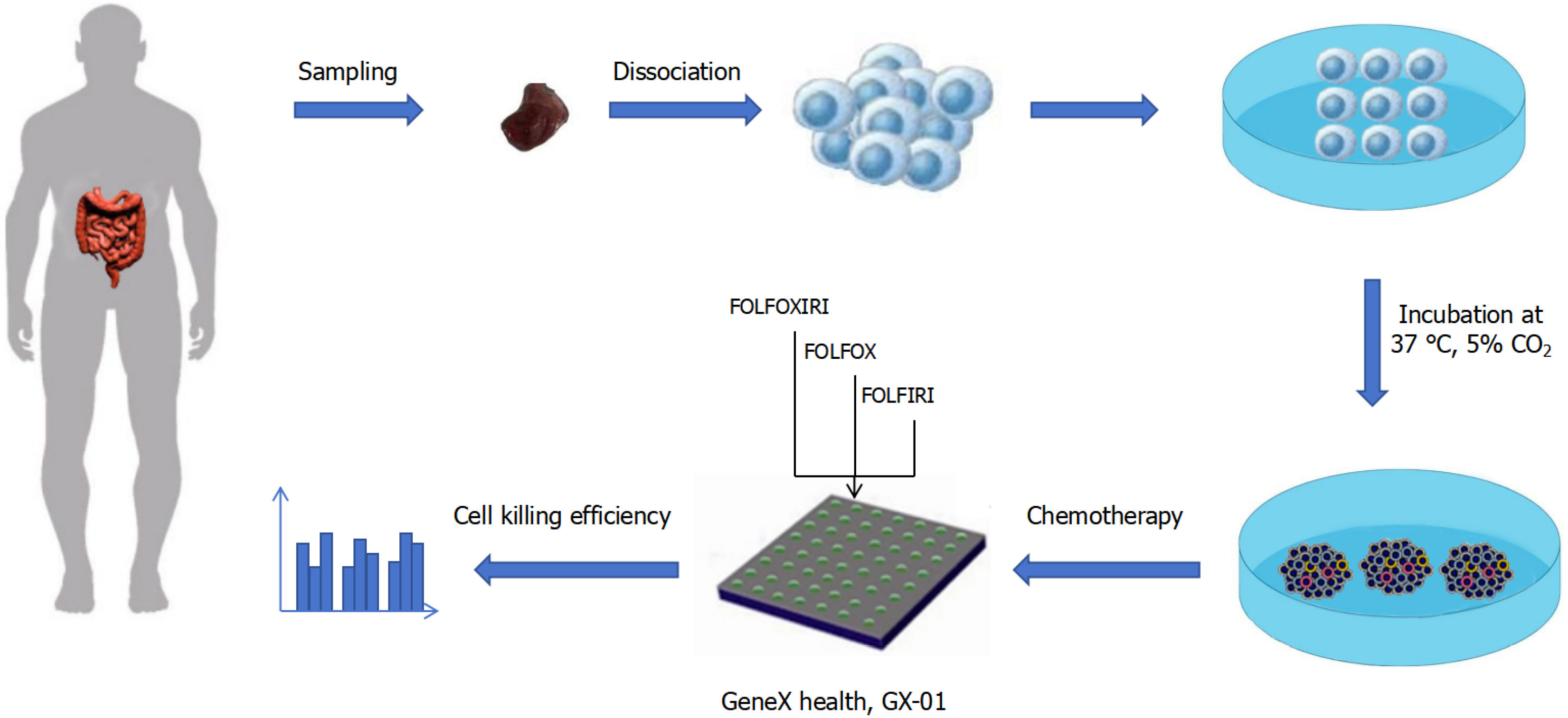
Figure 1 The whole process of personalized chemotherapy for colorectal cancer patients based on patient-derived tumor-like cell clusters.
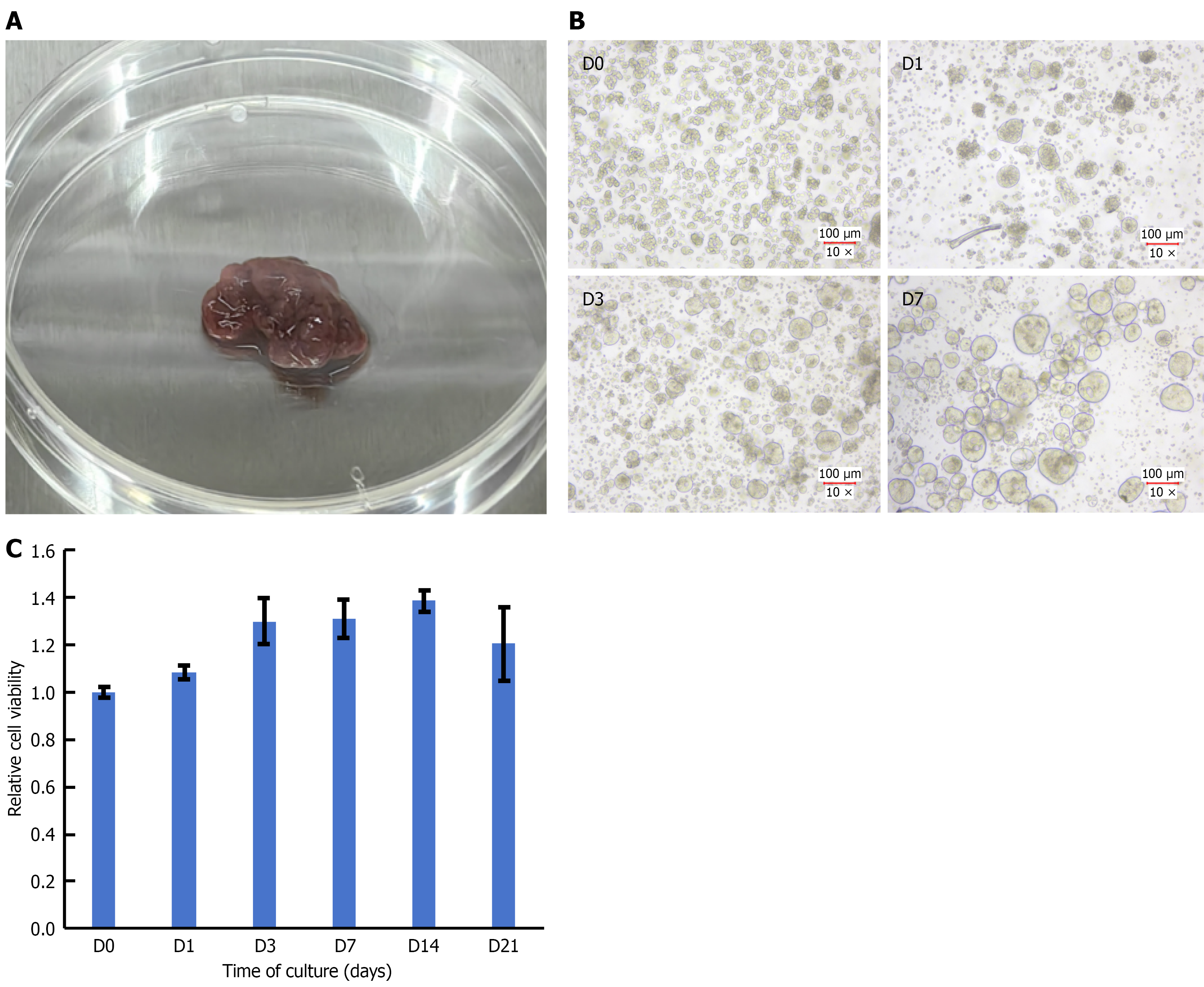
Figure 2 Dynamic culture process of patient-derived tumor-like cell clusters.
A: Tumor tissues derived from colorectal cancer patients; B: D0, D1, D3 and D7 show self-assembly of dissociated cells into patient-derived tumor-like cell clusters; C: Cell viability during dynamic culture, Dn represents days of culture.
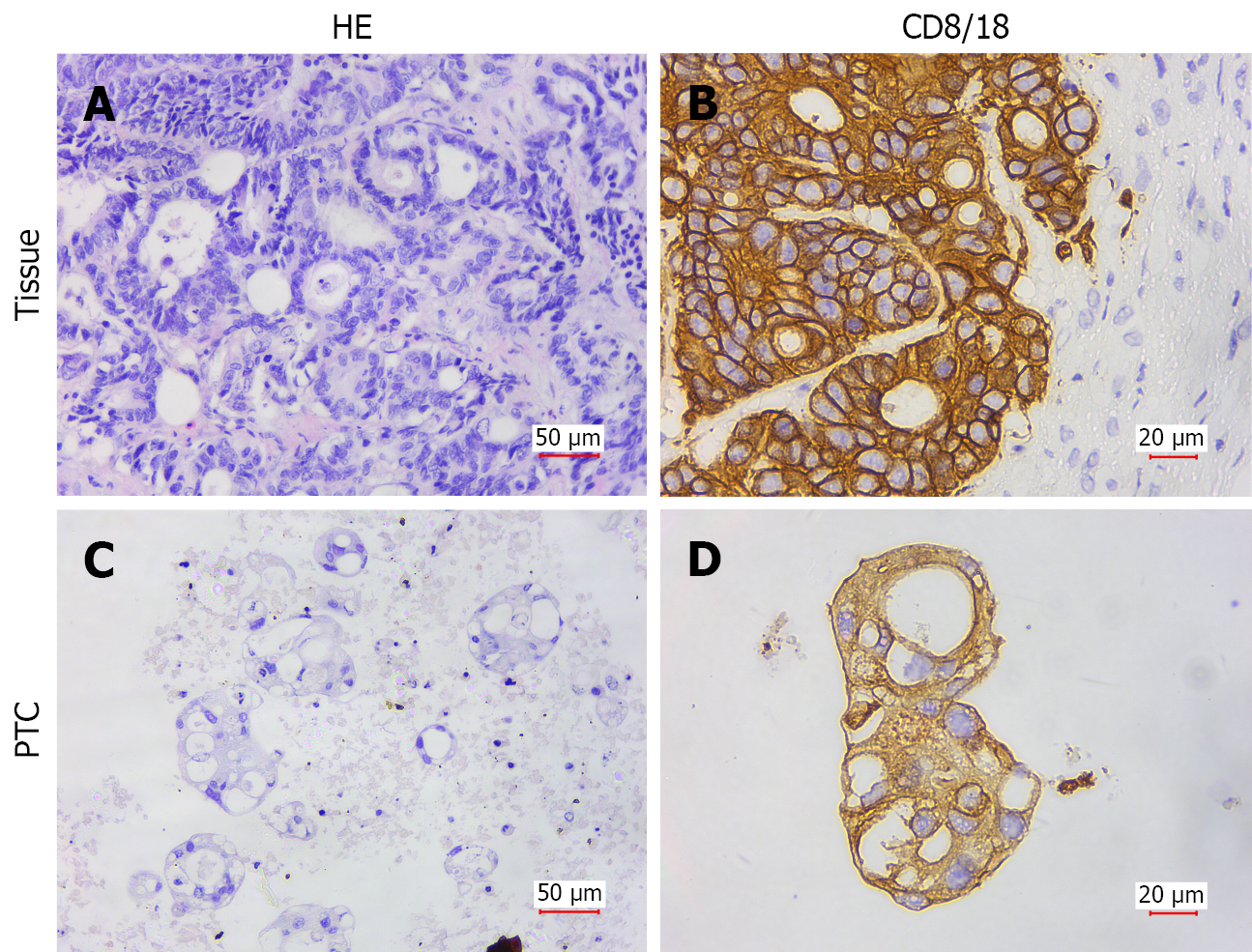
Figure 3 Comparative histological and immunohistochemical images of colorectal cancer patient-derived tumor-like cell clusters and their matching patient tissues.
A: Hematoxylin and eosin (HE) staining of tissue; B: Immunohistochemical images of CK8/18 in tissue; C: HE of patient-derived tumor-like cell clusters (PTC); D: Immunohistochemical images of CK8/18 in PTC. PTC: Patient-derived tumor-like cell clusters; HE: Hematoxylin and eosin.
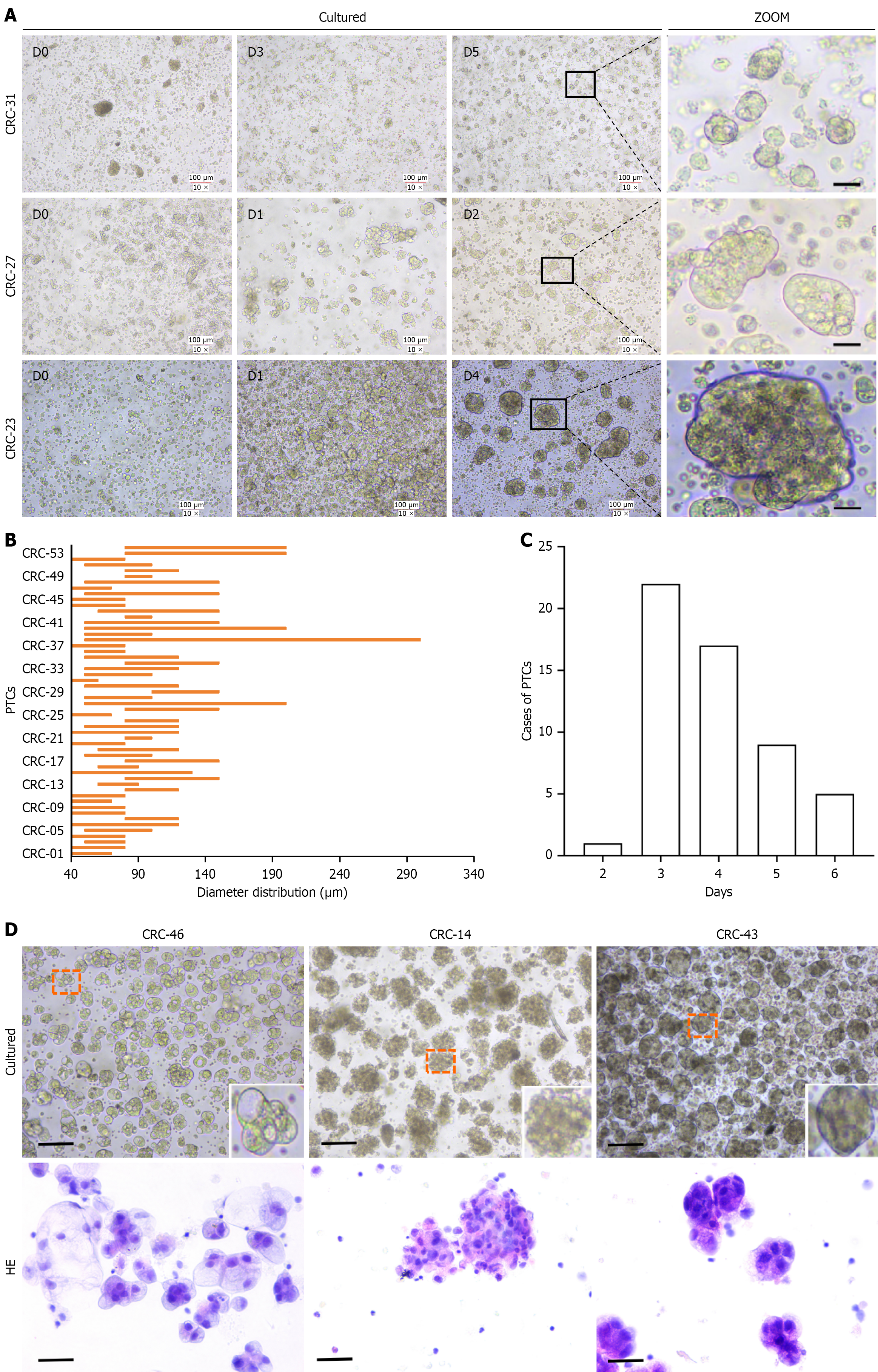
Figure 4 Diversity and histological characterization of colorectal cancer patient-derived tumor-like cell clusters.
A: Patient-derived tumor-like cell clusters (PTCs) showed different growth rates. Colorectal cancer (CRC)-31, CRC-27, and CRC-23 were treated with drugs on day 5, day 2, and day 4, respectively. At the stationary phase, CRC-31 microspheres were 40-60 μm in diameter, CRC-23 microspheres were 50-120 μm in diameter. Scale bar, 100 μm; B: Diameter distribution of 54 PTC models; C: Culture time required and the corresponding cases of PTC models at stationary phase; D: The comparison of PTCs’ morphology through microscopic images and hematoxylin and eosin (HE) staining. HE staining of CRC-46 showed acinus, CRC-14 showed non-dense morphology with poor cell cohesion, CRC-43 showed dense and strong cohesion relatively. Scale bar, 100 μm (up), 20 μm (down). CRC: Colorectal cancer.
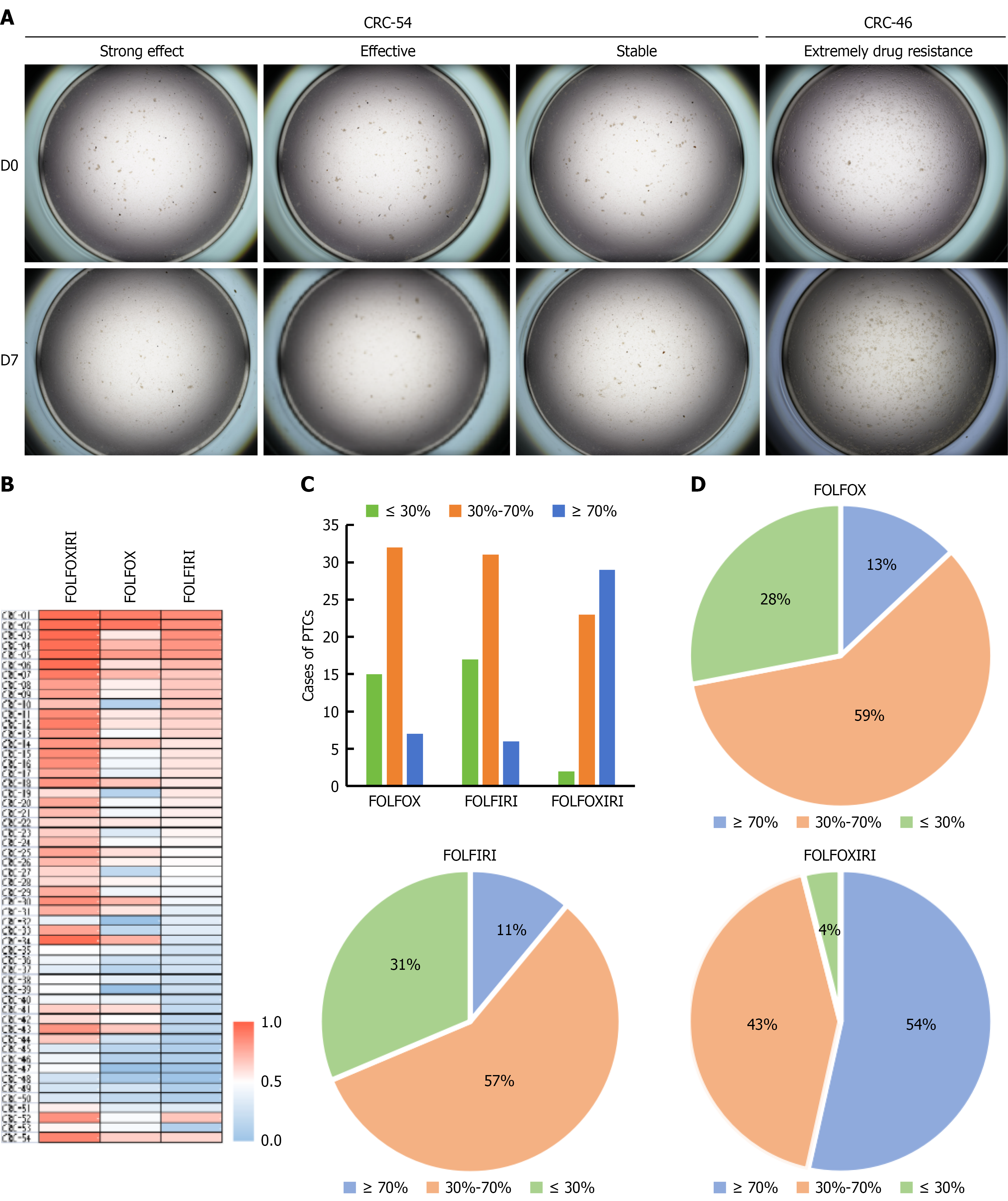
Figure 5 Sensitivity of patient-derived tumor-like cell clusters to FOLFOX, FOLFIRI and FOLFOXIRI.
A: Microscopic images of drug killing effects on patient-derived tumor-like cell clusters (PTCs); B: Inhibitory effects of FOLFOX, FOLFIRI and FOLFOXIRI on 54 PTCs. From top to bottom, the samples are represented sequentially from colorectal cancer (CRC)-1 to CRC-54. 0 represented PA = 0 (blue), 1.0 represented PA = 1.0 (red); C: The cases of strong killing, effective killing and ineffective killing on PTC models; D: The percentage of strong killing, effective killing and ineffective killing on PTC models. CRC: Colorectal cancer; PTC: Patient-derived tumor-like cell cluster.
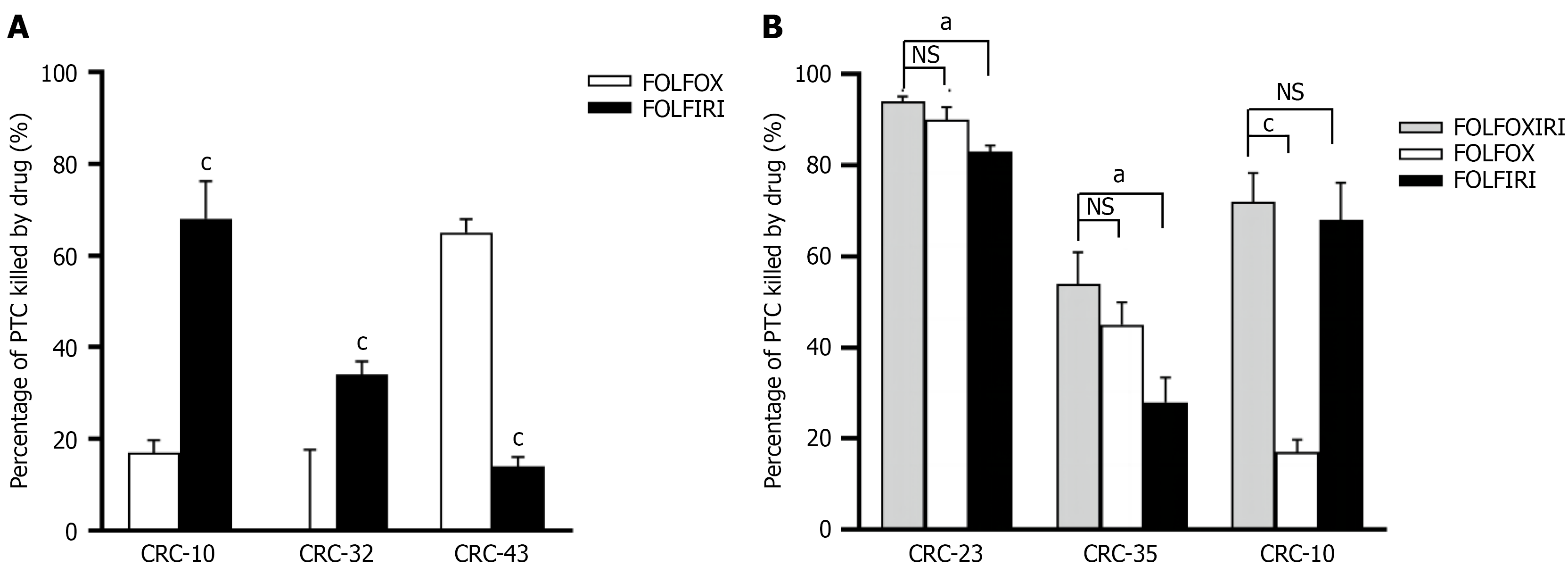
Figure 6 Comparison the sensitivity of patient-derived tumor-like cell clusters to different drug regimens within individuals.
A: Sensitivity of colorectal cancer (CRC)-10, CRC-32 and CRC-43 to FOLFOX and FOXFIRI; B: Sensitivity of CRC-02, CRC-35 and CRC-10 to FOLFOX, FOXFIRI and FOLFOXIRI. aP < 0.05, cP < 0.001. CRC: Colorectal cancer.
- Citation: Lin FL, Zhou LM, Ye YJ, Luo XL, Ji XL, Chen SQ, Xie JG, Jin BF, Liu ZD. Individual chemotherapy for patients colorectal cancer based on patient-derived tumor-like cell clusters. World J Gastrointest Surg 2026; 18(2): 114286
- URL: https://www.wjgnet.com/1948-9366/full/v18/i2/114286.htm
- DOI: https://dx.doi.org/10.4240/wjgs.v18.i2.114286