
















©Author(s) (or their employer(s)) 2026.
World J Gastrointest Surg. Feb 27, 2026; 18(2): 113530
Published online Feb 27, 2026. doi: 10.4240/wjgs.v18.i2.113530
Published online Feb 27, 2026. doi: 10.4240/wjgs.v18.i2.113530
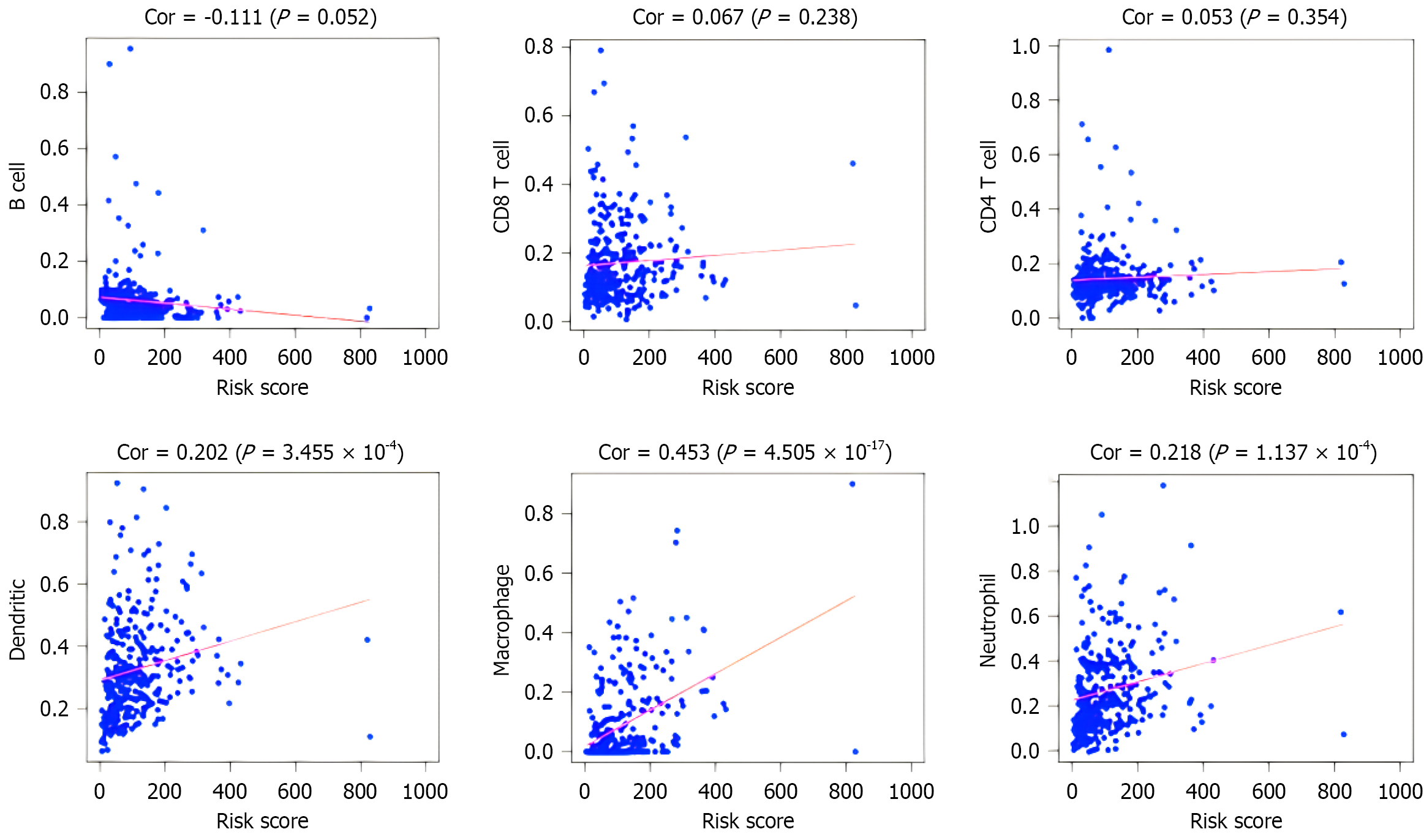
Figure 1 High-risk and low-risk groups and immune infiltration of various immune cells.
Correlation analysis between risk score and immune cell infiltration levels. Scatter plots displaying the correlations between risk score (X-axis) and the abundance of six immune cell types (Y-axis). CD8+ T cells (correlation coefficient = 0.411, P = 3.052 × 10⁻¹⁸); CD4+ T cells (correlation coefficient = 0.587, P = 6.238 × 10-40), cancer-associated fibroblasts (correlation coefficient = 0.683, P = 3.354 × 10-58), dendritic cells (correlation coefficient = 0.302, P = 3.455 × 10⁻¹⁰), tumor-associated macrophages (correlation coefficient = 0.453, P = 5.05 × 10⁻²²), and neutrophils (correlation coefficient = 0.218, P = × 10-5). All immune cell types showed significant positive correlations with risk score, with cancer-associated fibroblasts demonstrating the strongest correlation. Each dot represents an individual sample, and the gray shaded area indicates the 95% confidence interval of the regression line. Cor: Correlation coefficient.
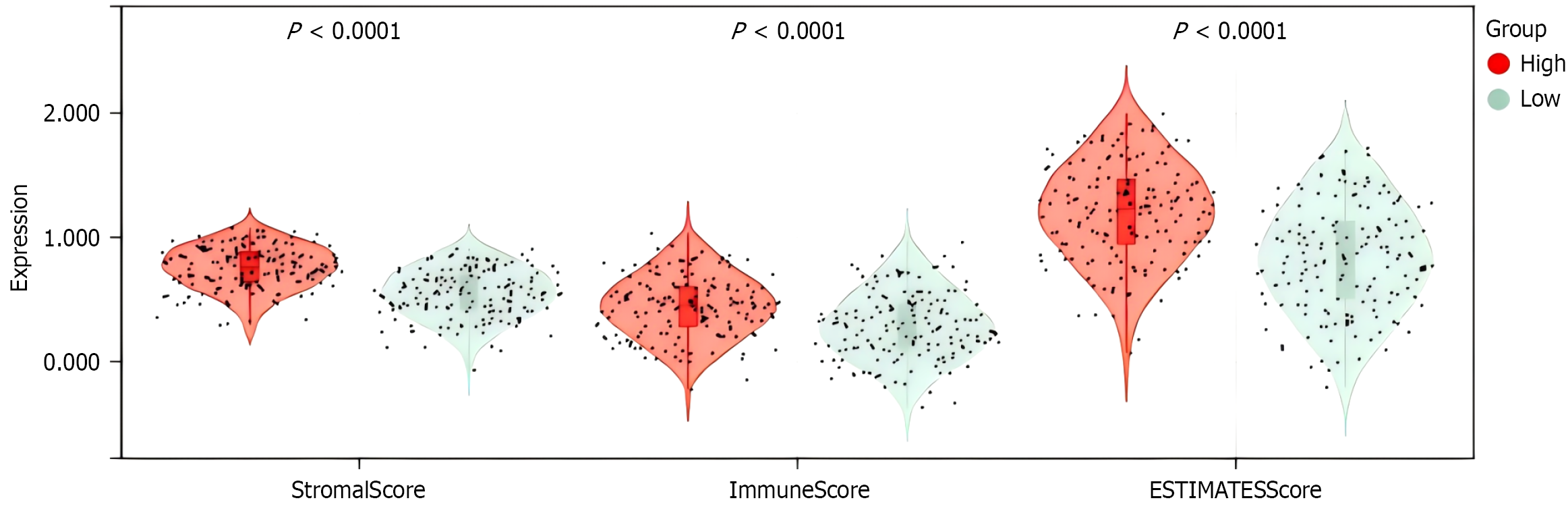
Figure 2 High-risk and low-risk groups and immune infiltration of various immune cells.
Comparison of tumor microenvironment scores between high-risk and low-risk groups. Violin plots showing the distribution differences between the high-risk group (red) and low-risk group (green) across three scoring metrics: StromalScore, ImmuneScore, and ESTIMATEScore. All three scores showed statistically significant differences between the two groups (P < 0.0001), with the high-risk group exhibiting significantly higher stromal infiltration, immune infiltration, and overall tumor microenvironment scores compared to the low-risk group. The violin shapes display the distribution density of the data, with internal scatter points representing the actual score values for individual samples.
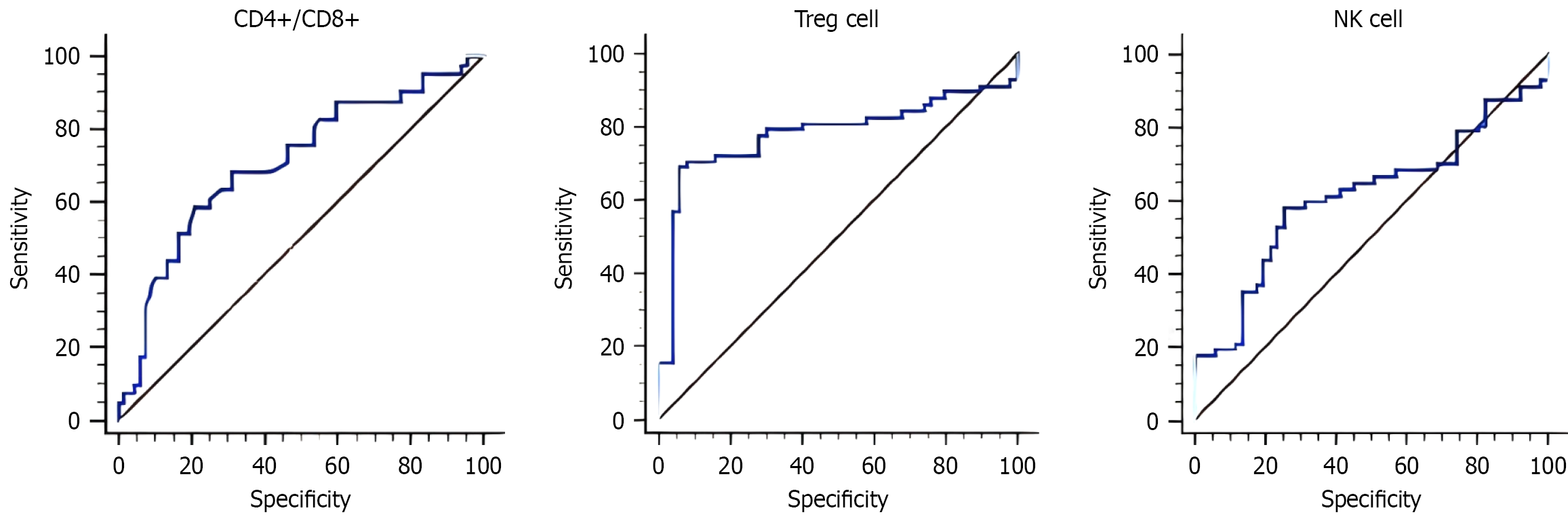
Figure 3 Receiver operating characteristic curve analysis of immune indicators and overall survival.
Receiver operating characteristic curves evaluating the predictive performance of immune cell infiltration levels. Three receiver operating characteristic curves are shown for CD4+/CD8+ T cell ratio, Treg cells, and natural killer cells in predicting patient outcomes or risk stratification. The diagonal reference line represents random chance (area under the curve = 0.5). The curves demonstrate the sensitivity (true positive rate, Y-axis) vs specificity (false positive rate, X-axis) across different threshold values. The deviation of each curve from the diagonal line indicates the discriminatory power of the respective immune cell marker in the prediction model. NK: Natural killer.
- Citation: Yang HJ, Liu B. Spatial immune cell architecture after gastric cancer surgery predicts prognosis. World J Gastrointest Surg 2026; 18(2): 113530
- URL: https://www.wjgnet.com/1948-9366/full/v18/i2/113530.htm
- DOI: https://dx.doi.org/10.4240/wjgs.v18.i2.113530