
















©The Author(s) 2026.
World J Gastrointest Surg. Jan 27, 2026; 18(1): 114227
Published online Jan 27, 2026. doi: 10.4240/wjgs.v18.i1.114227
Published online Jan 27, 2026. doi: 10.4240/wjgs.v18.i1.114227
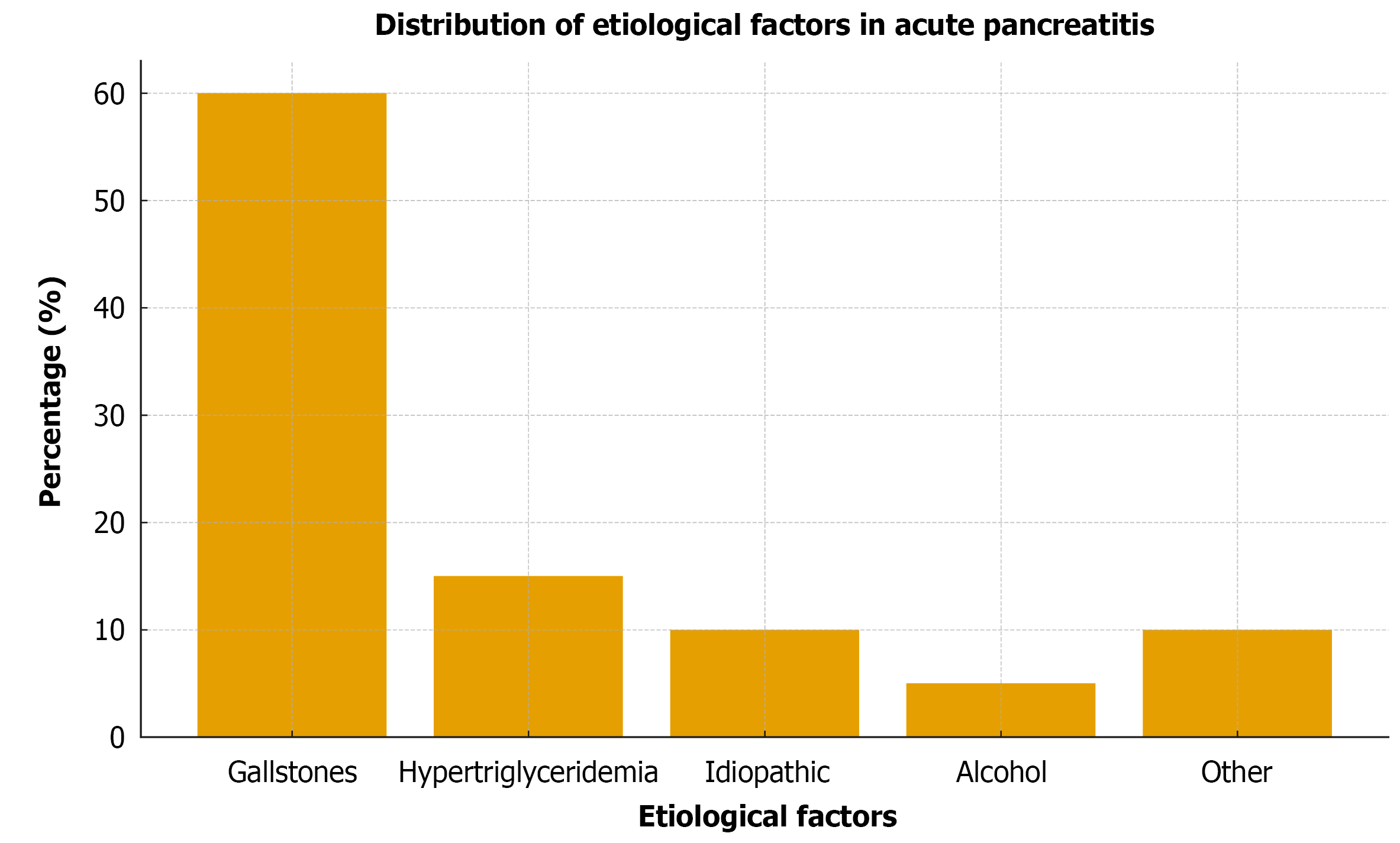
Figure 1 Distribution of etiological factors in acute pancreatitis.
Gallstones were the most common etiology (60%), followed by hypertriglyceridemia (15%), idiopathic causes (10%), other causes (10%), and alcohol-related acute pancreatitis (5%).
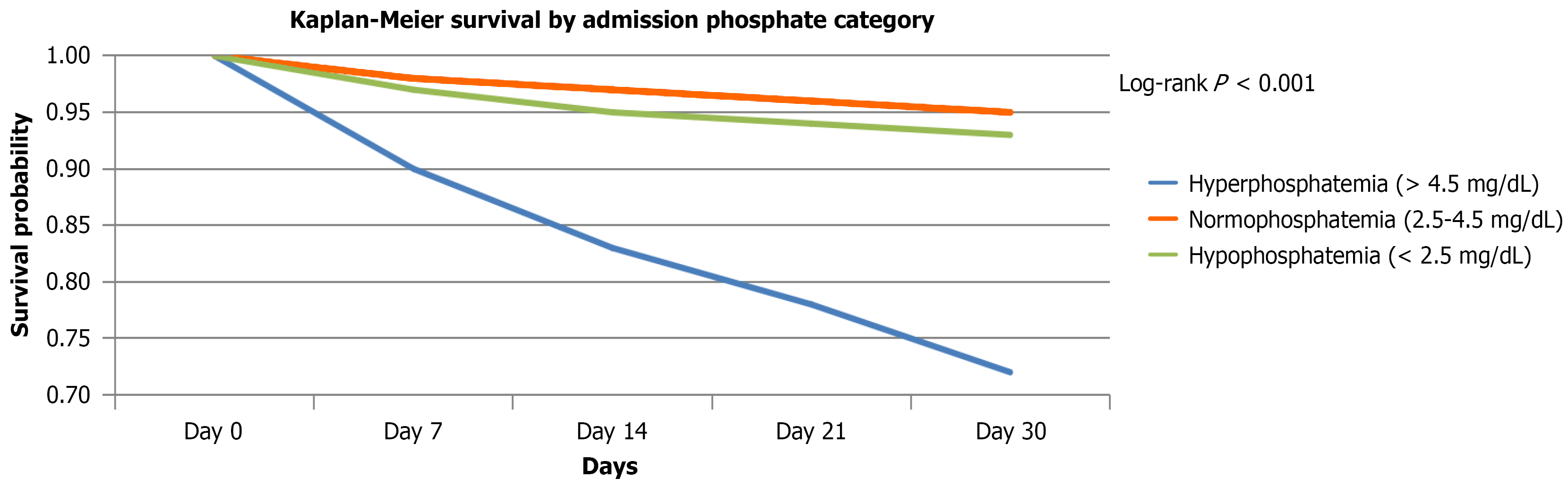
Figure 2 Kaplan-Meier survival analysis showing 30-day mortality according to admission serum phosphate category.
Patients with hyperphosphatemia showed a markedly lower survival probability throughout the 30-day follow-up compared with those with normophosphatemia or hypophosphatemia. The survival curves diverged early and continued to widen over time, indicating a sustained and clinically meaningful separation between groups. The difference in survival across phosphate categories was statistically significant (log-rank P < 0.001), supporting the strong prognostic value of admission hyperphosphatemia in acute pancreatitis.
- Citation: Özden Y, Buyukberber NM. Admission hyperphosphatemia as a predictor of severity and mortality in acute pancreatitis: A 1000-patient cohort study. World J Gastrointest Surg 2026; 18(1): 114227
- URL: https://www.wjgnet.com/1948-9366/full/v18/i1/114227.htm
- DOI: https://dx.doi.org/10.4240/wjgs.v18.i1.114227