
















Copyright: ©Author(s) 2026.
World J Diabetes. Mar 15, 2026; 17(3): 115465
Published online Mar 15, 2026. doi: 10.4239/wjd.v17.i3.115465
Published online Mar 15, 2026. doi: 10.4239/wjd.v17.i3.115465
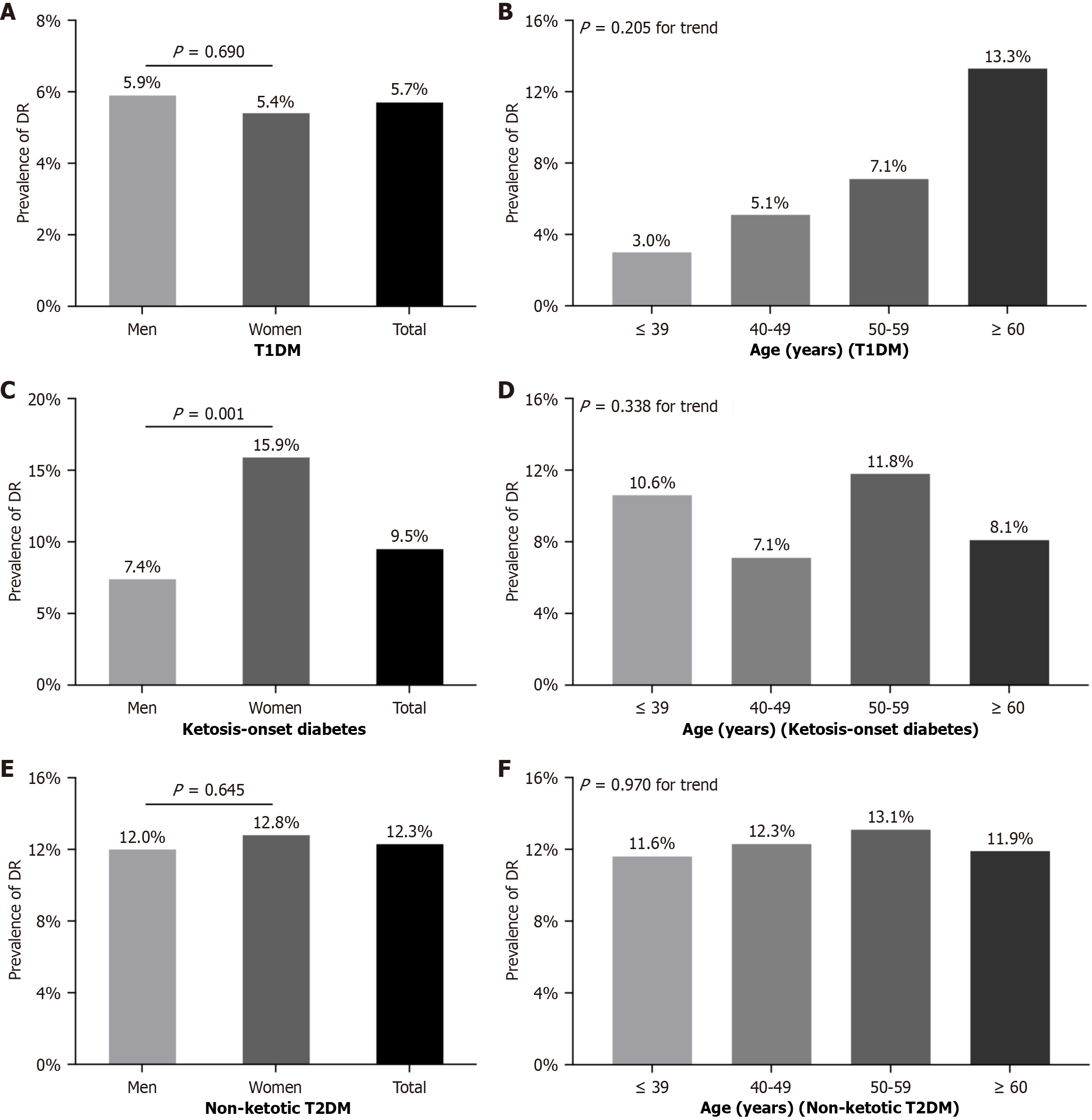
Figure 1 Diabetic retinopathy prevalence stratified by age and gender in each diabetic group.
A: Comparison of diabetic retinopathy (DR) prevalence between men and women patients with type 1 diabetes mellitus (T1DM) after adjusting for age (P = 0.690); B: Comparison of DR prevalence stratified by age after adjusting for gender in patients with T1DM (P = 0.205 for trend); C: Comparison of DR prevalence between men and women patients with ketosis-onset diabetes after adjusting for age (P = 0.001); D: Comparison of DR prevalence stratified by age after adjusting for gender in patients with ketosis-onset diabetes (P = 0.338 for trend); E: Comparison of DR prevalence between men and women patients with non-ketotic T2DM after adjusting for age (P = 0.645); F: Comparison of DR prevalence stratified by age after adjusting for gender in patients with non-ketotic T2DM (P = 0.970 for trend). DR: Diabetic retinopathy; T1DM: Type 1 diabetes mellitus; T2DM: Type 2 diabetes mellitus.
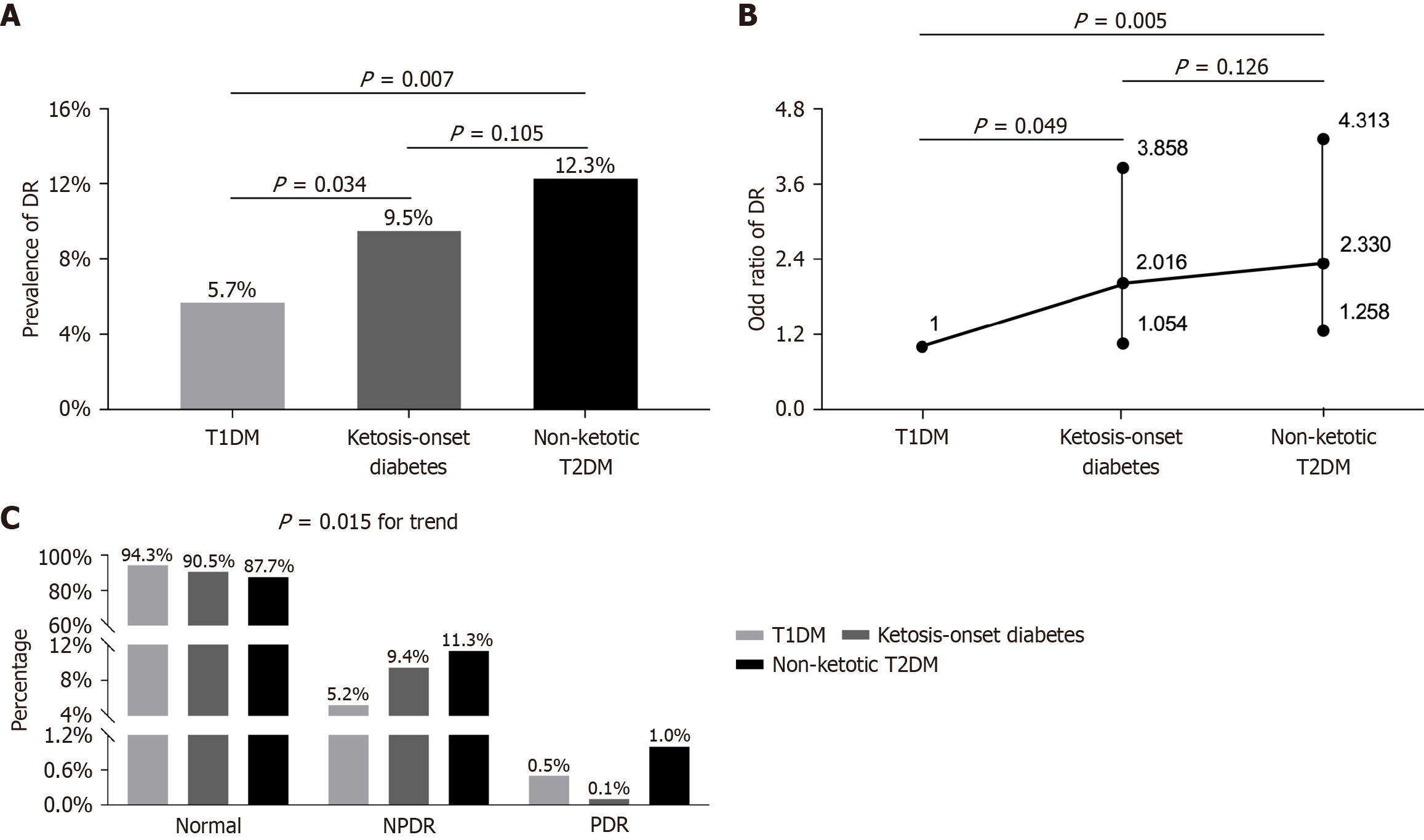
Figure 2 Comparison of diabetic retinopathy across three groups.
A: Comparison of the prevalence of diabetic retinopathy (DR) across type 1 diabetes mellitus (T1DM), ketosis-onset diabetes and non-ketotic T2DM after adjusting for gender and age (T1DM vs ketosis-onset diabetes: P = 0.034; ketosis-onset diabetes vs non-ketotic T2DM: P = 0.105; T1DM vs non-ketotic T2DM: P = 0.007); B: Odds ratio with 95% confidence interval of DR for the ketosis-onset diabetes and the non-ketotic T2DM, with T1DM as reference (ketosis-onset diabetes vs T1DM P = 0.049; non-ketotic T2DM vs T1DM P = 0.005; ketosis-onset diabetes vs non-ketotic T2DM P = 0.126); C: Comparison the prevalence of normal, non-proliferative DR and proliferative DR patients across T1DM, ketosis-onset diabetes and non-ketotic T2DM subjects after adjusting for gender and age (P = 0.015 for trend). DR: Diabetic retinopathy; T1DM: Type 1 diabetes mellitus; NPDR: Non-proliferative diabetic retinopathy; PDR: Proliferative diabetic retinopathy.
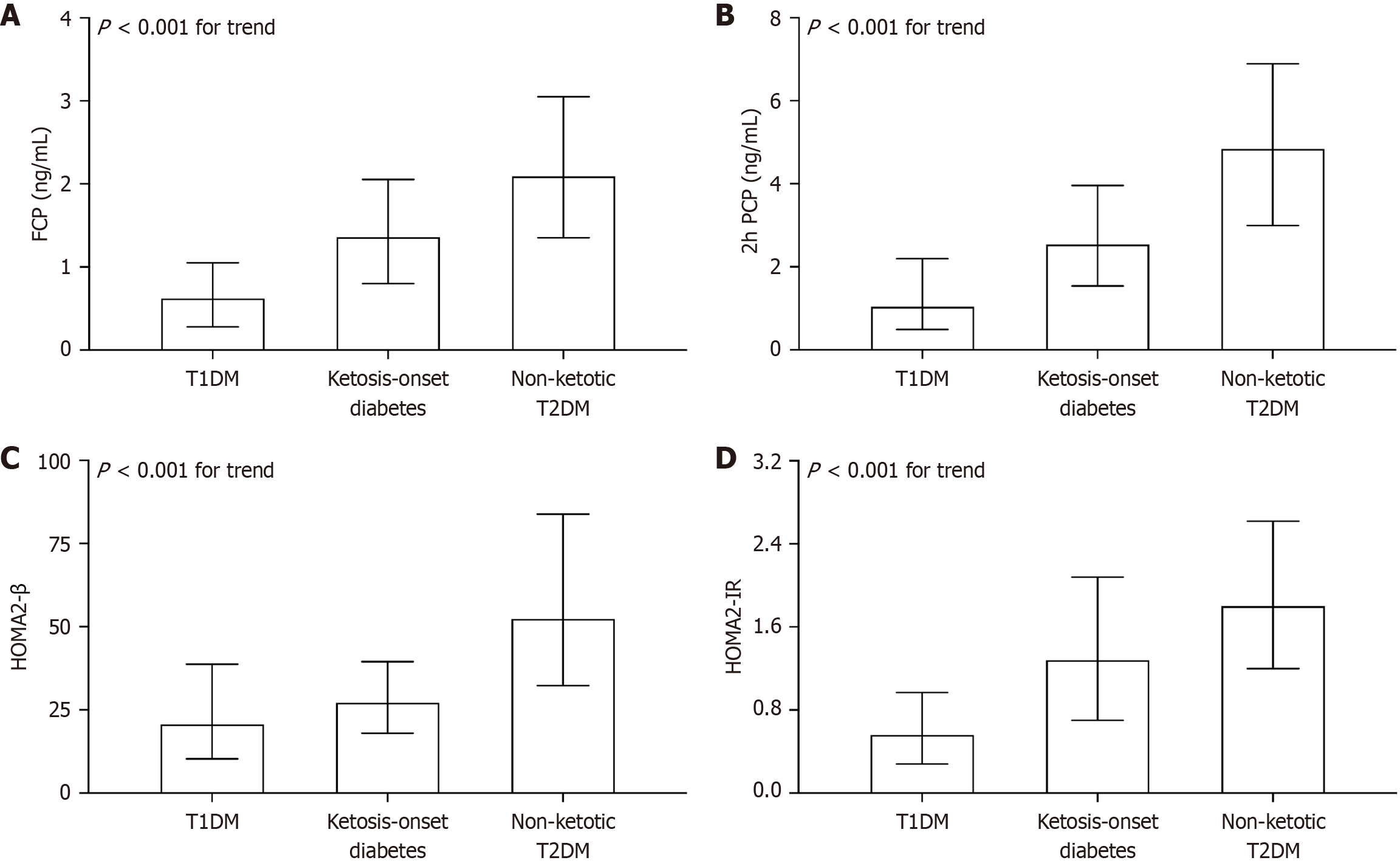
Figure 3 Comparison of islet function-related parameters.
A: Comparison of serum fasting C-peptide levels among patients with type 1 diabetes mellitus (T1DM), ketosis-onset diabetes and non-ketotic T2DM after adjusting for gender and age (P < 0.001 for trend); B: Comparison of serum 2-hour postprandial C-peptide levels among patients with T1DM, ketosis-onset diabetes and non-ketotic T2DM after adjusting for gender and age (P < 0.001 for trend); C: Comparison of homeostasis model assessment index of β-cell function levels among patients with T1DM, ketosis-onset diabetes and non-ketotic T2DM after adjusting for gender and age (P < 0.001 for trend); D: Comparison of homeostasis model assessment index of insulin resistance levels among patients with T1DM, ketosis-onset diabetes and non-ketotic T2DM after adjusting for gender and age (P < 0.001 for trend). FCP: Fasting C-peptide; 2h PCP: 2-hour postprandial C-peptide; T1DM: Type 1 diabetes mellitus; T2DM: Type 2 diabetes mellitus; HOMA2-β: Homeostasis model assessment index of β-cell function; HOMA2-IR: Homeostasis model assessment index of insulin resistance.
- Citation: Xu MR, Li MH, Wang JW, Zhang YW, Lu JX, Ke JF, Li LX. Prevalence and clinical characteristics of diabetic retinopathy in patients newly diagnosed with ketosis-onset diabetes: A real-world study. World J Diabetes 2026; 17(3): 115465
- URL: https://www.wjgnet.com/1948-9358/full/v17/i3/115465.htm
- DOI: https://dx.doi.org/10.4239/wjd.v17.i3.115465