
















Copyright: ©Author(s) 2026.
World J Diabetes. Mar 15, 2026; 17(3): 114603
Published online Mar 15, 2026. doi: 10.4239/wjd.v17.i3.114603
Published online Mar 15, 2026. doi: 10.4239/wjd.v17.i3.114603
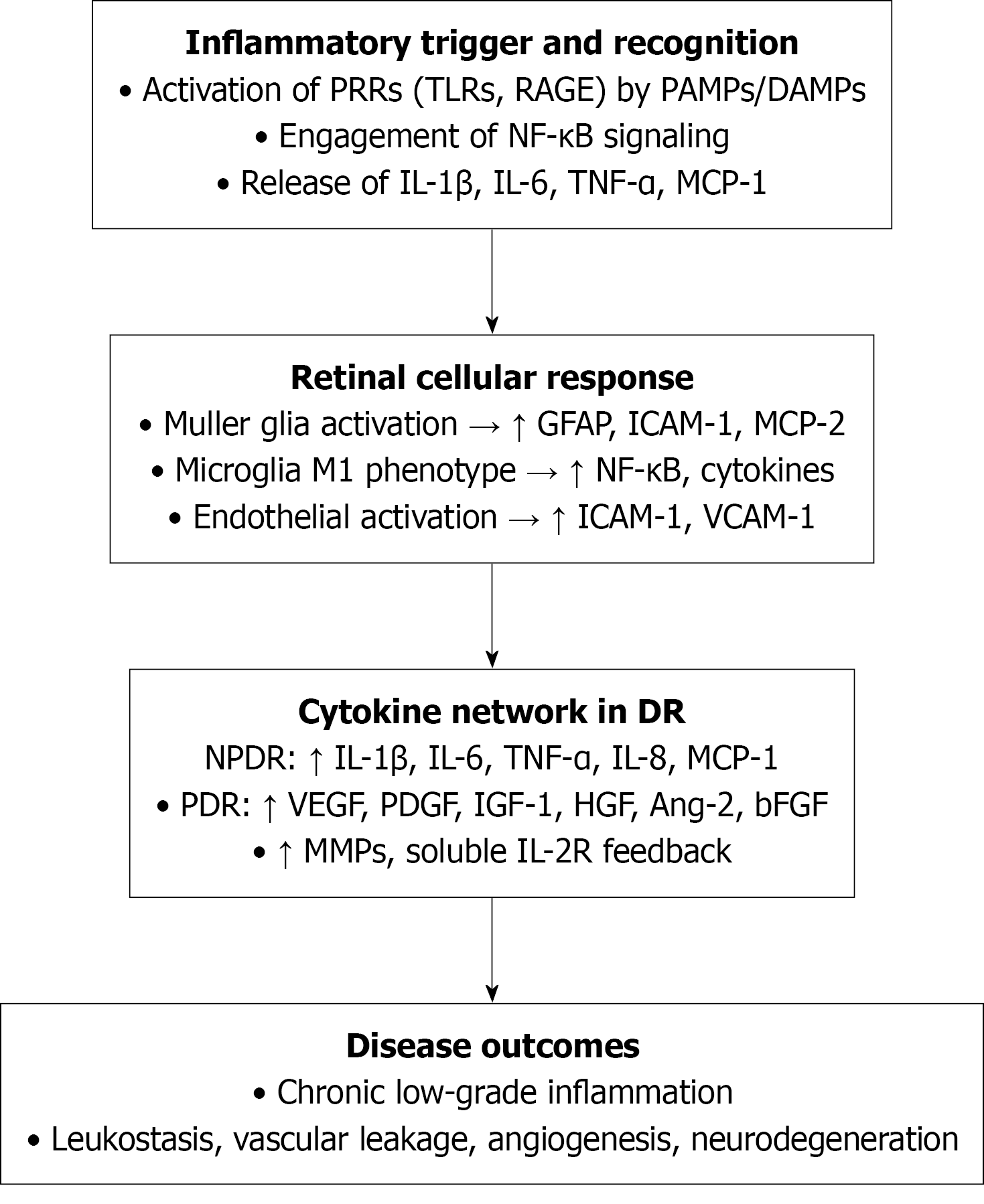
Figure 1 The figure illustrates how, in diabetic retinopathy, chronic inflammation bridges metabolic stress to retinal vascular and neu
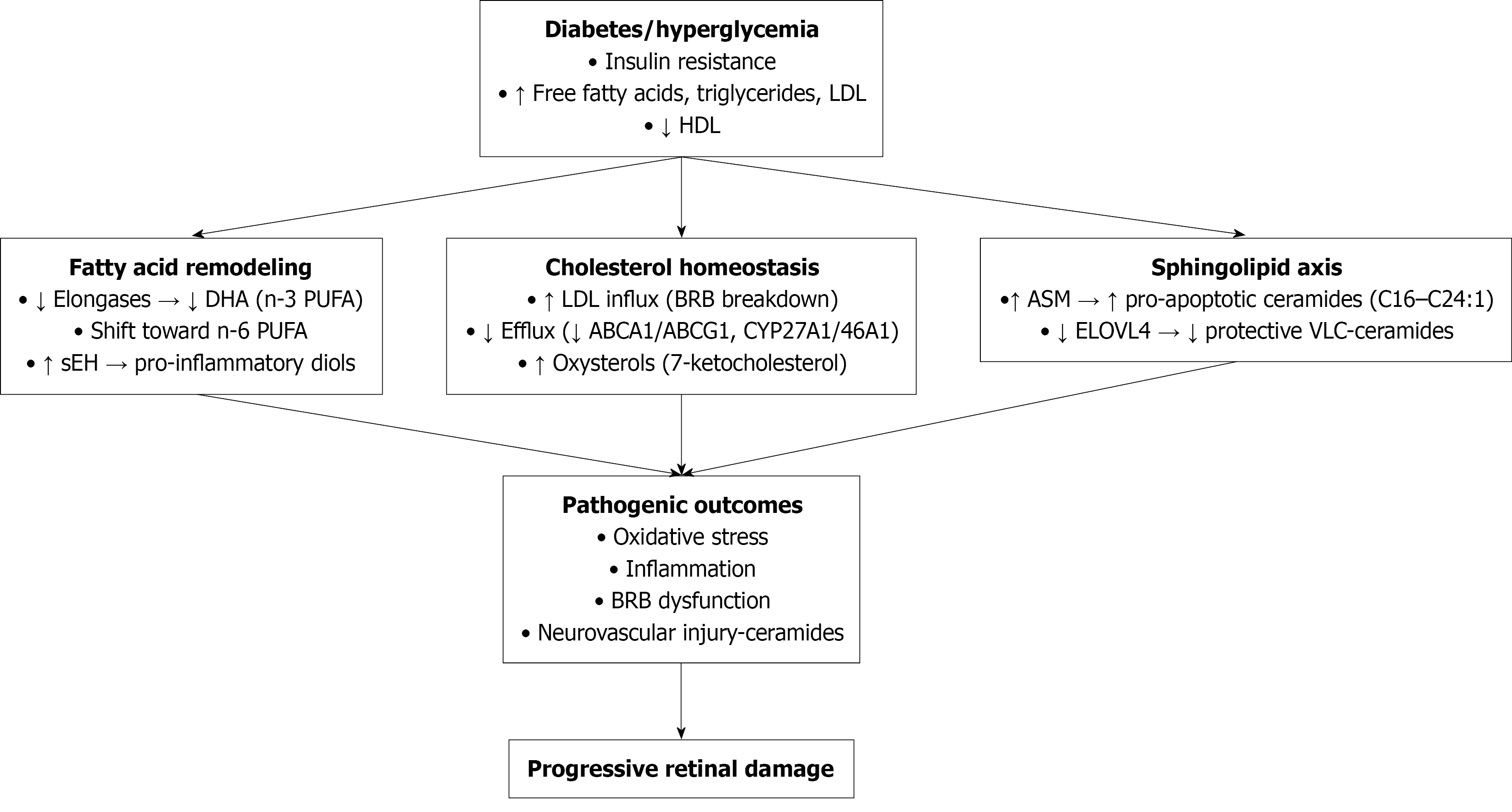
Figure 2 The figure illustrates how diabetes alters systemic and retinal lipid pathways, fatty acid remodeling, cholesterol turnover, and sphingolipid balance, driving oxidative stress, inflammation, and barrier breakdown.
LDL: Low-density lipoprotein; HDL: High-density lipoprotein; DHA: Docosahexaenoic acid; PUFA: Polyunsaturated fatty acids; sEH: Soluble epoxide hydrolase; BRB: Blood-retinal barrier; ABCA1/ABCG1: ATP-binding cassette transporter A1/G1; CYP27A1/46A1: Cytochrome P450 27A1/46A1; ASM: Acid sphingomyelinase; ELOVL4: Elongases-VL4; VLC: Very long chain.
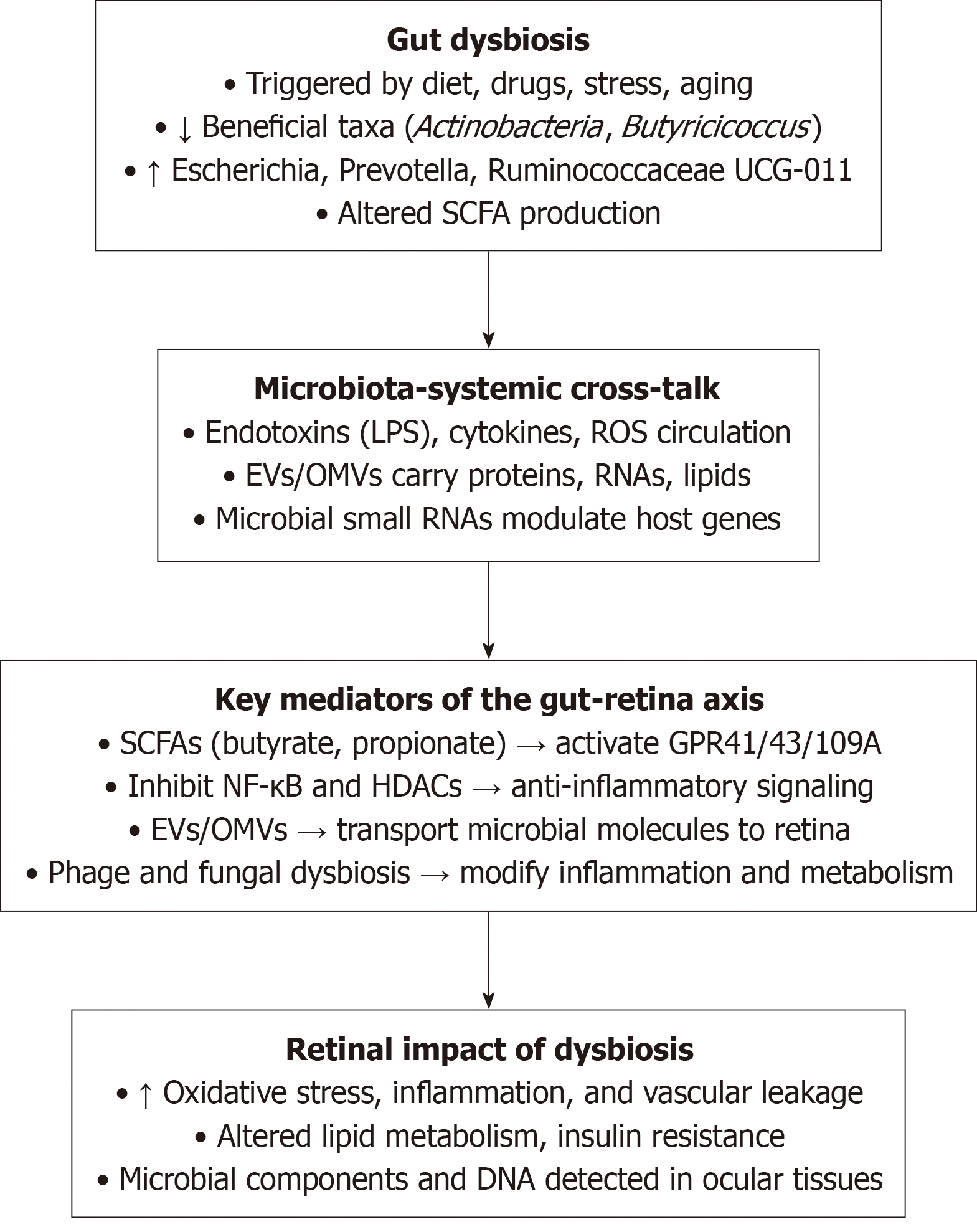
Figure 3 The figure illustrates how gut dysbiosis disrupts intestinal and systemic homeostasis, leading to inflammatory and metabolic signals that reach the retina and promote neurovascular damage.
SCFA: Short chain fatty acids; LPS: Lipopolysaccharide; ROS: Reactive oxygen species; EVs: Extracellular vesicles; OMVs: Outer membrane vesicles; GPR: G-protein coupled receptors; HDAC: Histone deacetylases; NF-κB: Nuclear factor kappa B.
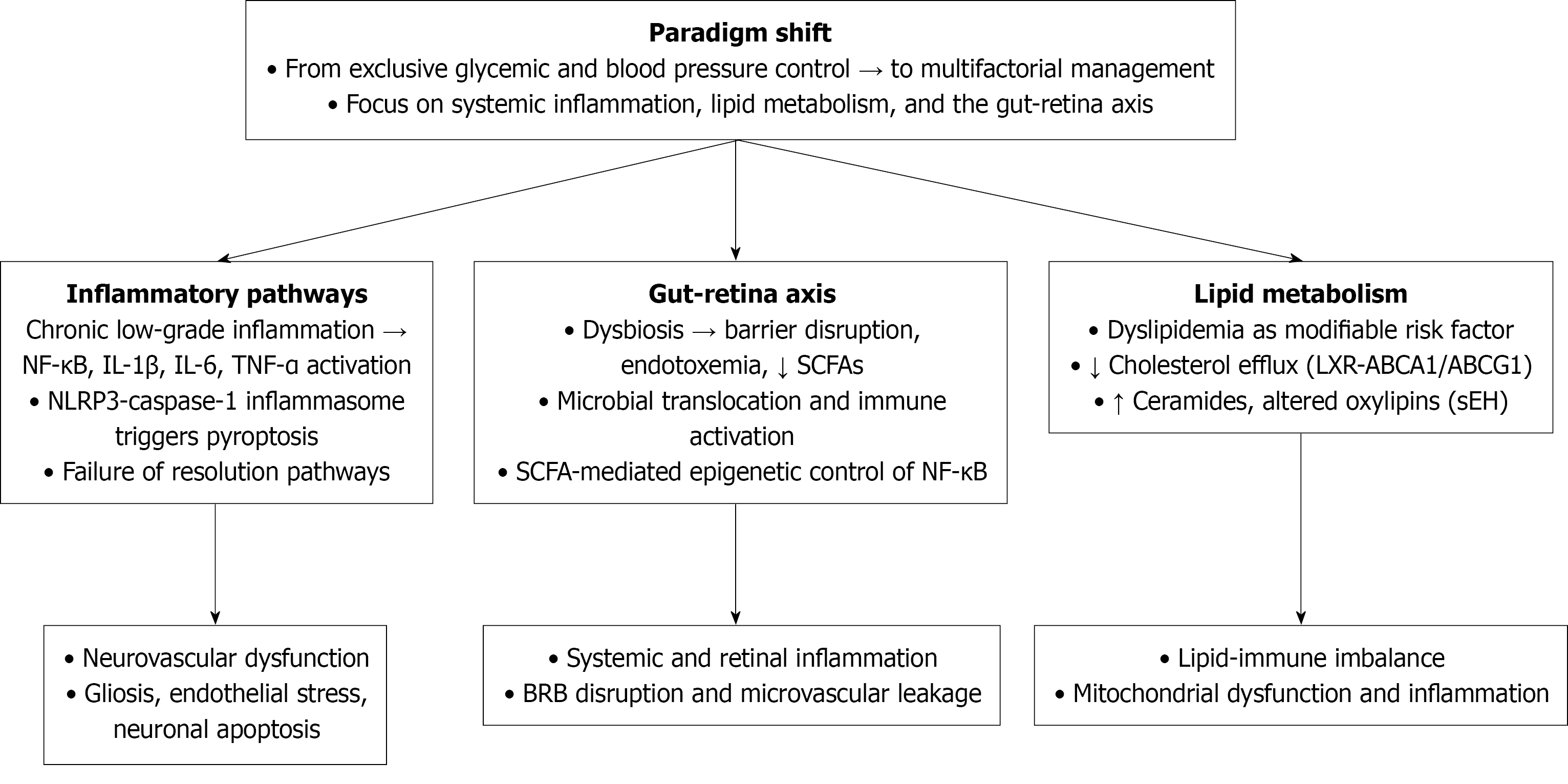
Figure 4 The figure outlines the shift toward a multifactorial view of diabetic retinopathy, where inflammation, lipid imbalance, and gut dysbiosis interact to drive neurovascular dysfunction.
These interconnected pathways link metabolic stress to retinal inflammation, barrier disruption, and neuronal injury, redefining diabetic retinopathy as a systemic immune-metabolic disease beyond hyperglycemia. NF-κB: Nuclear factor kappa B; IL: Interleukin; TNF-α: Tumor necrosis factor-alpha; NLRP3: NLR family pyrin domain-containing 3; SCFA: Short chain fatty acids; BRB: Blood-retinal barrier; LXR: Liver X receptors; ABCA1/ABCG1: ATP-binding cassette transporter A1/G1; sEH: Soluble epoxide hydrolase.
- Citation: Zeppieri M, Drigo A, Capobianco M, Visalli F, Cappellani F, Musa M, Giglio R, Tognetto D, Khouyyi M, Gagliano C, D’Esposito F, Inferrera L. Beyond glycemia: The influence of systemic inflammation, lipids, and the gut-retina axis in diabetic retinopathy. World J Diabetes 2026; 17(3): 114603
- URL: https://www.wjgnet.com/1948-9358/full/v17/i3/114603.htm
- DOI: https://dx.doi.org/10.4239/wjd.v17.i3.114603