
















Copyright: ©Author(s) 2026.
World J Diabetes. Mar 15, 2026; 17(3): 113843
Published online Mar 15, 2026. doi: 10.4239/wjd.v17.i3.113843
Published online Mar 15, 2026. doi: 10.4239/wjd.v17.i3.113843
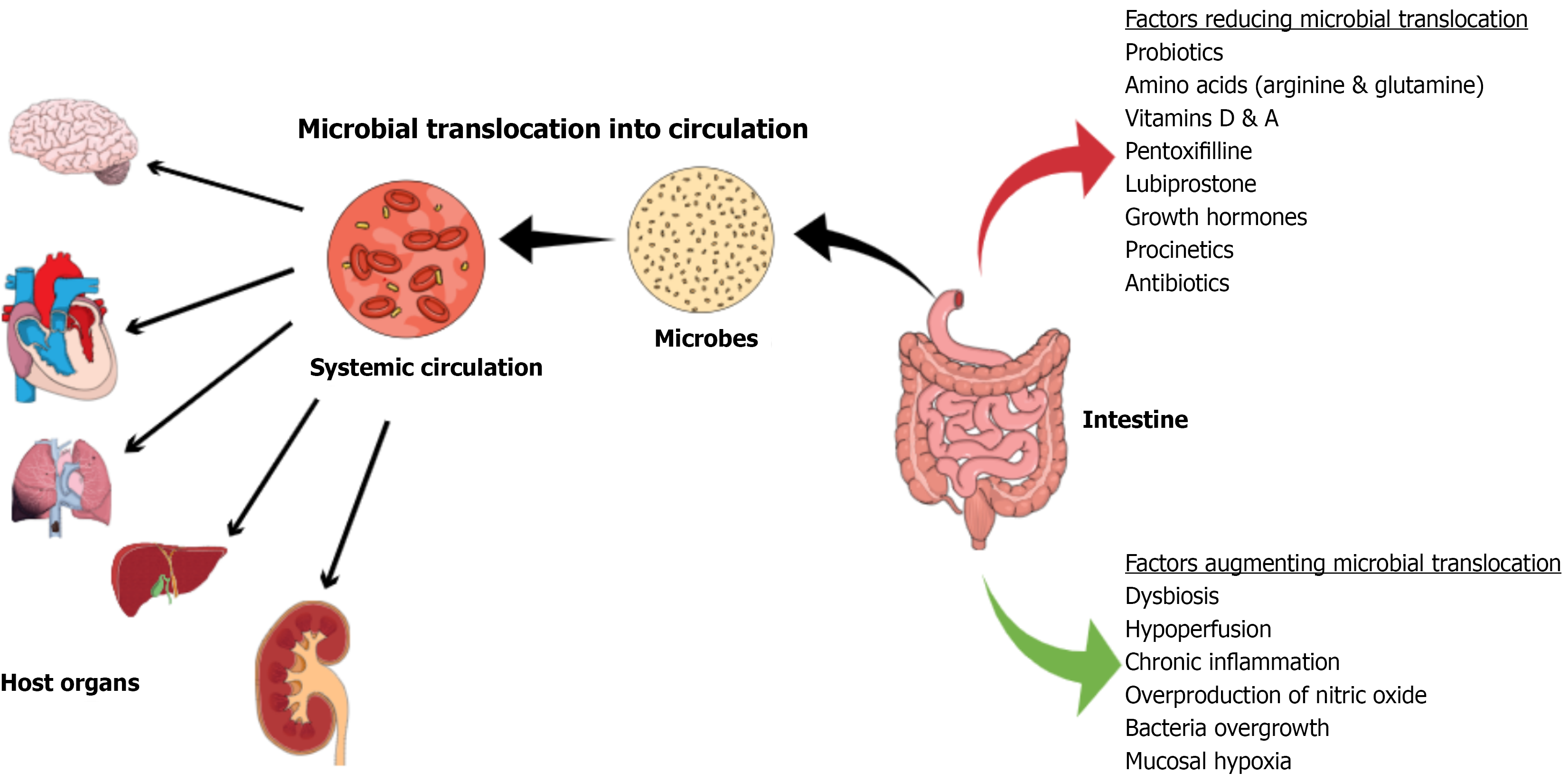
Figure 1 Factors influencing bacterial translocation.
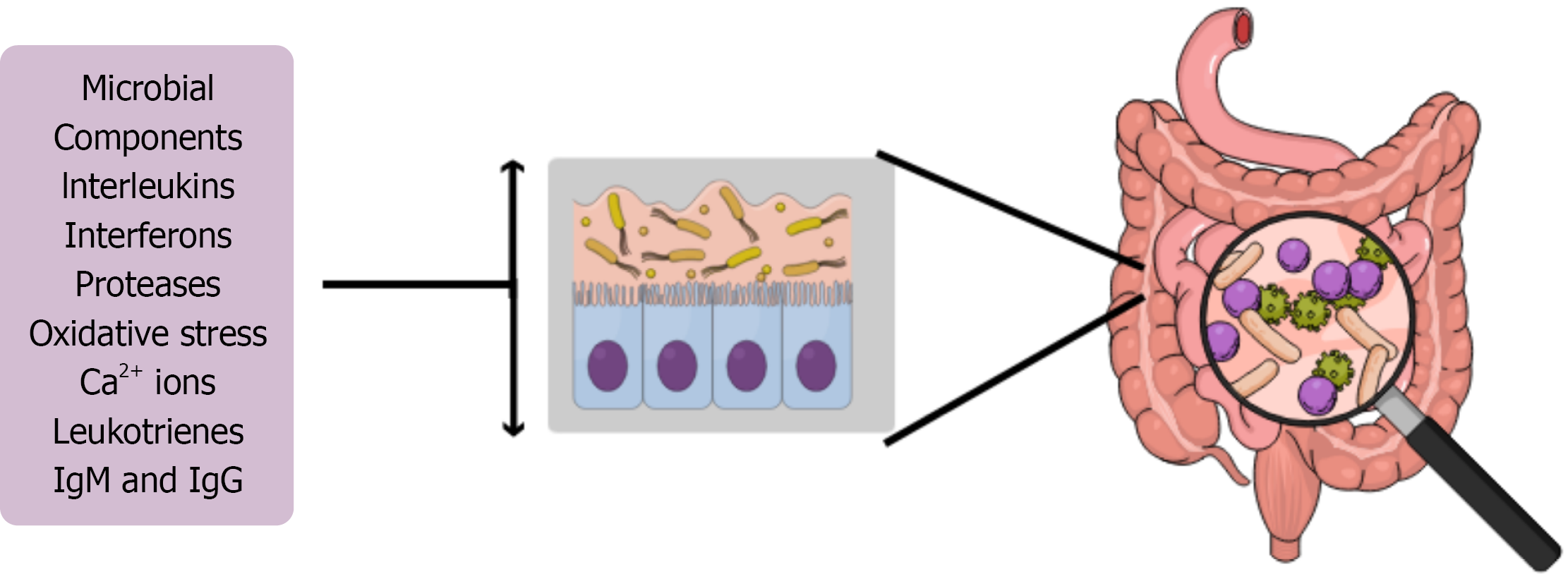
Figure 2 Factors with regulatory action on the mucosal intestinal barrier through paracellular permeability.
Ca2+: Calcium ion.
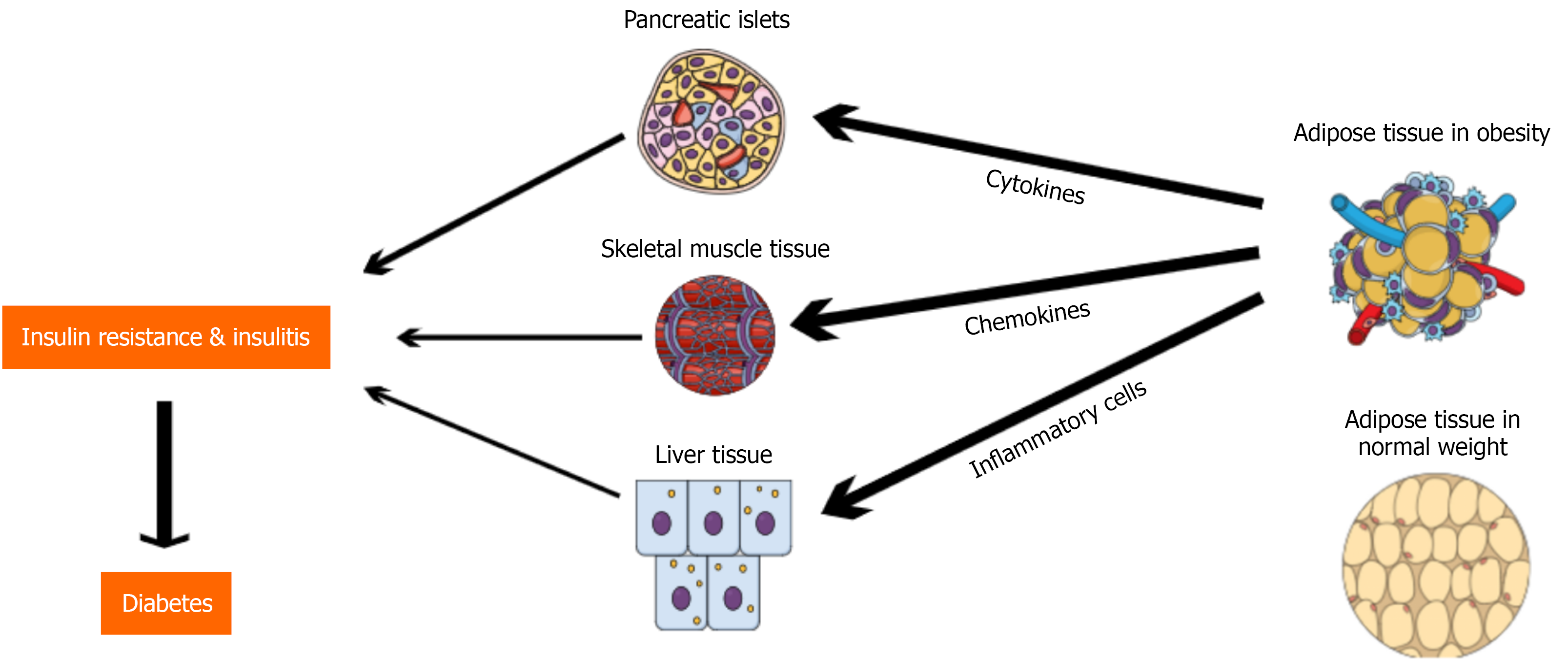
Figure 3 A schematic representation of the concept of metaflammation.
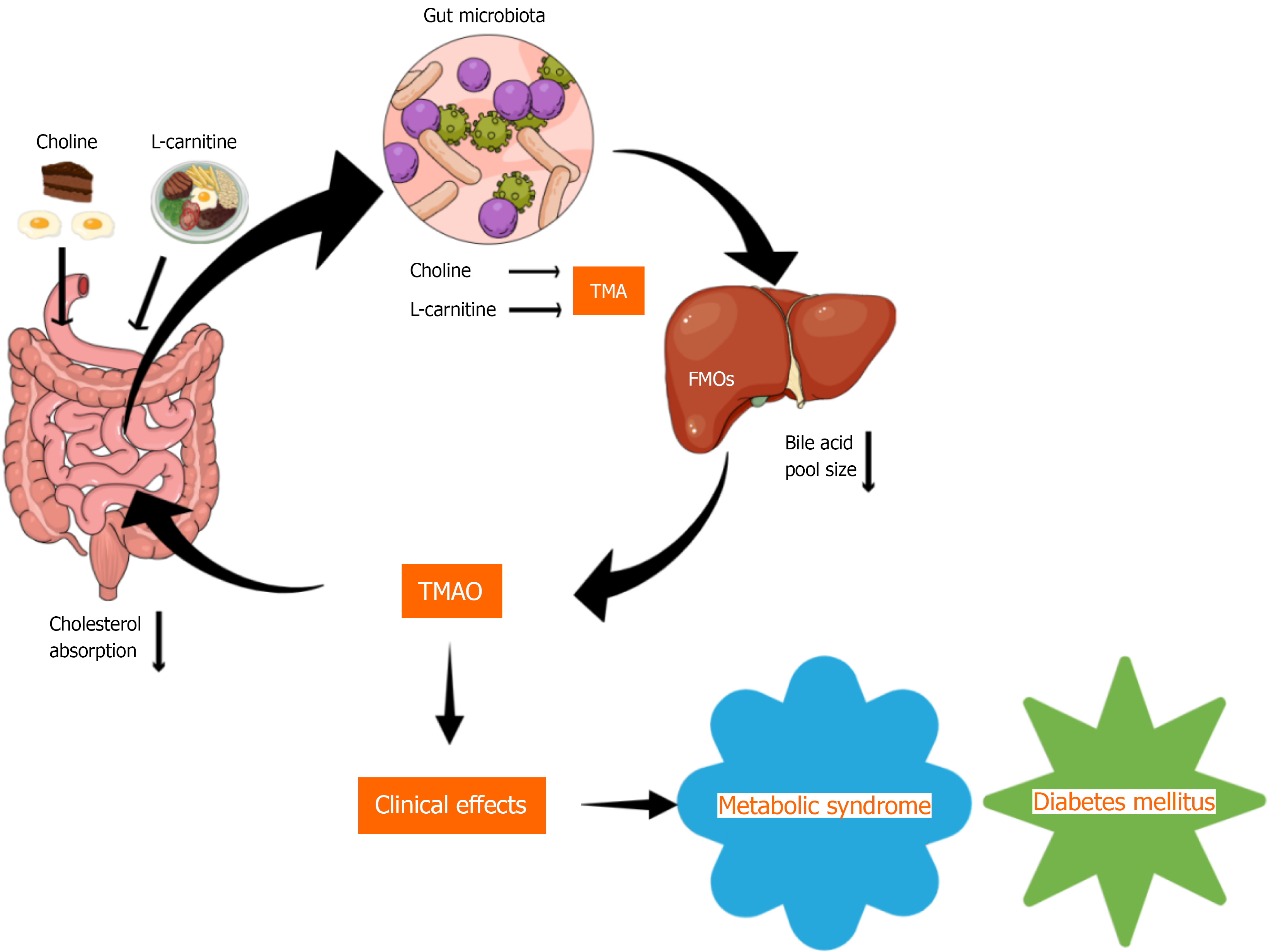
Figure 4 Schematic representation of the link between diet, gut microbiota, trimethylamine-N-oxide and the clinical manifestations of type II diabetes mellitus.
TMAO: Trimethylamine-N-oxide; TMA: Trimethylamine.
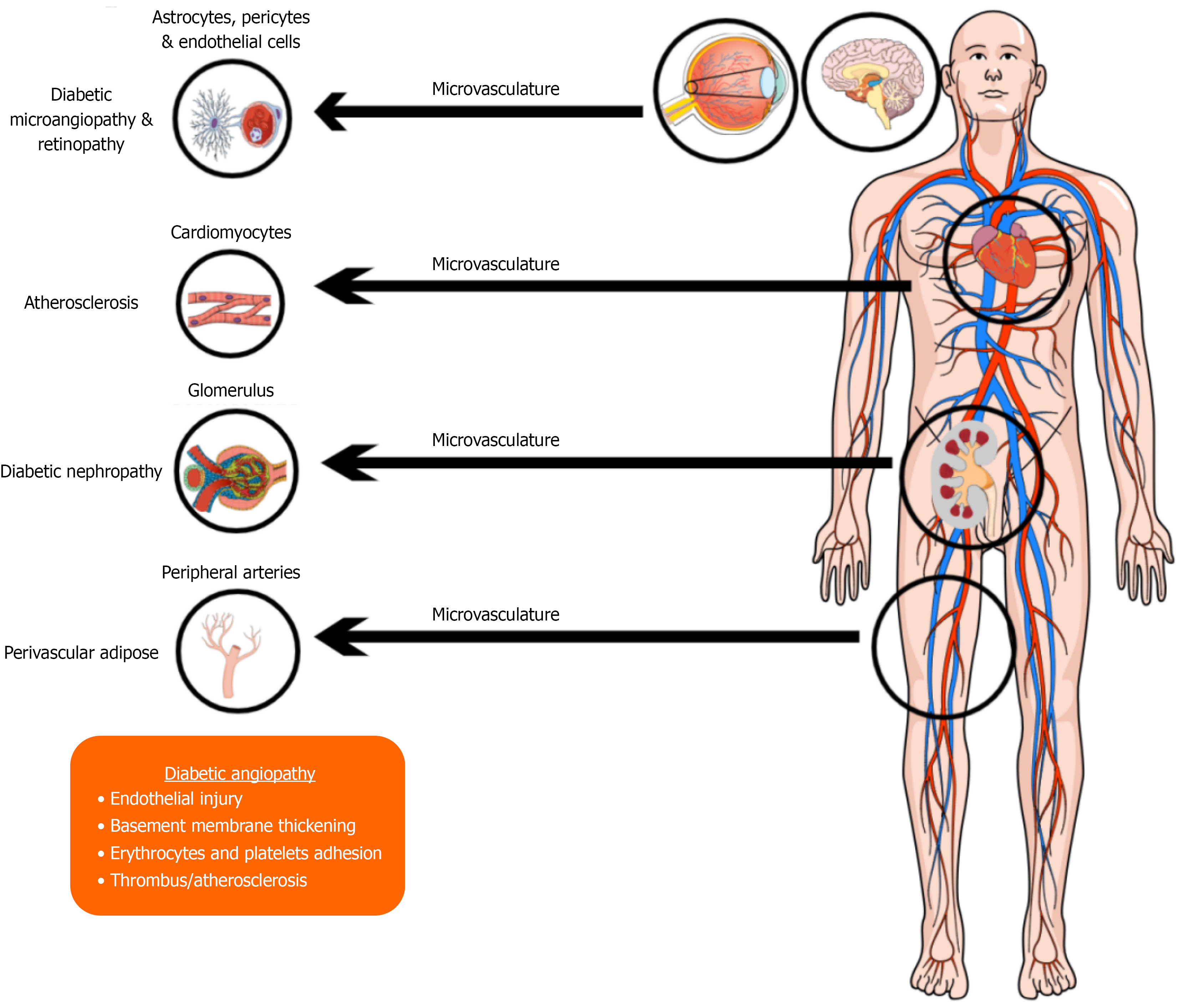
Figure 5 Schematic overview of vasculopathy in diabetes mellitus.
Diabetic vasculopathy involves the cerebral, ophthalmic, cardiac, renal, and peripheral systems.
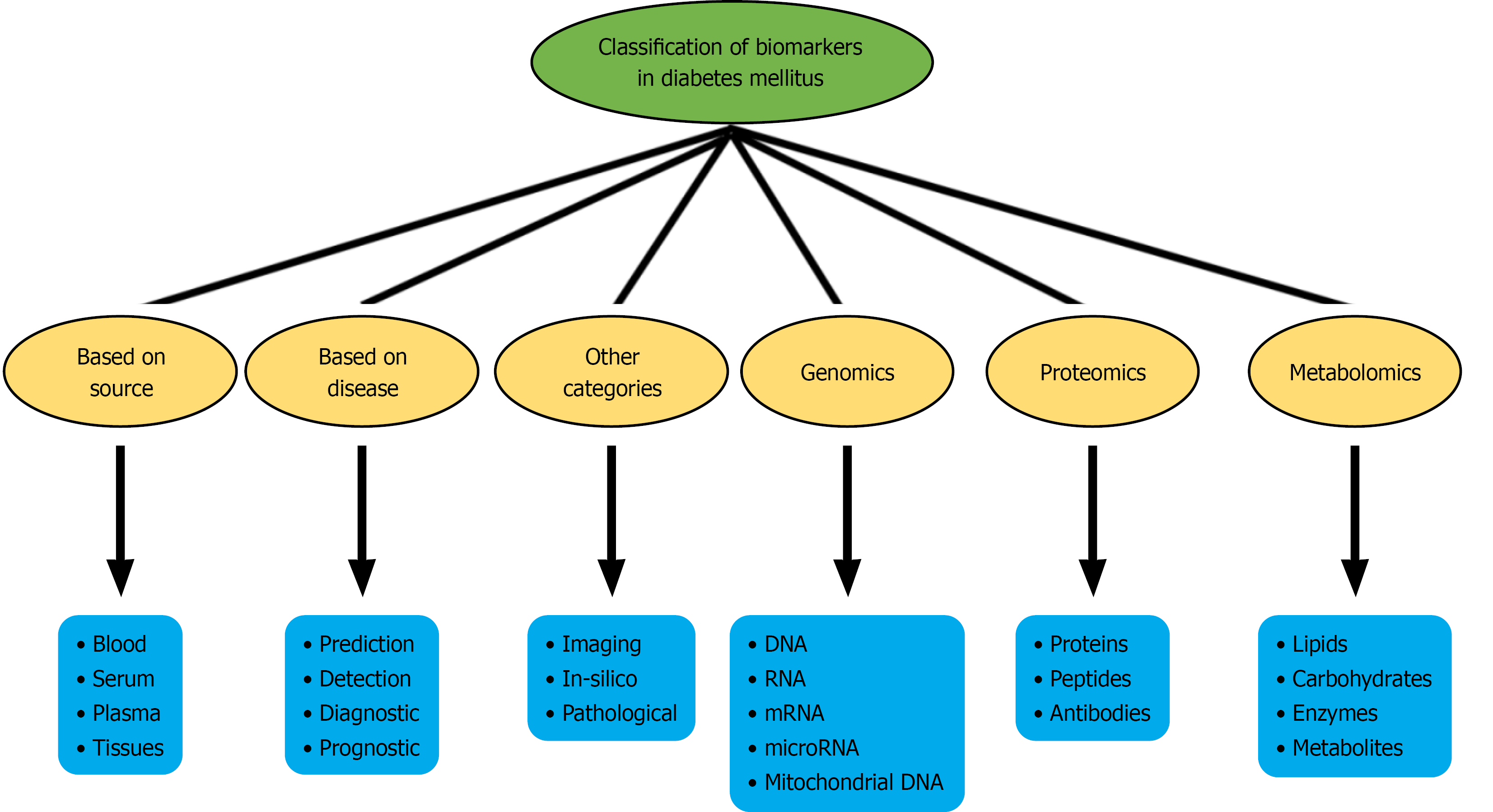
Figure 6 Classification of various biomarkers implicated in diabetes.
mRNA: Messenger RNA.
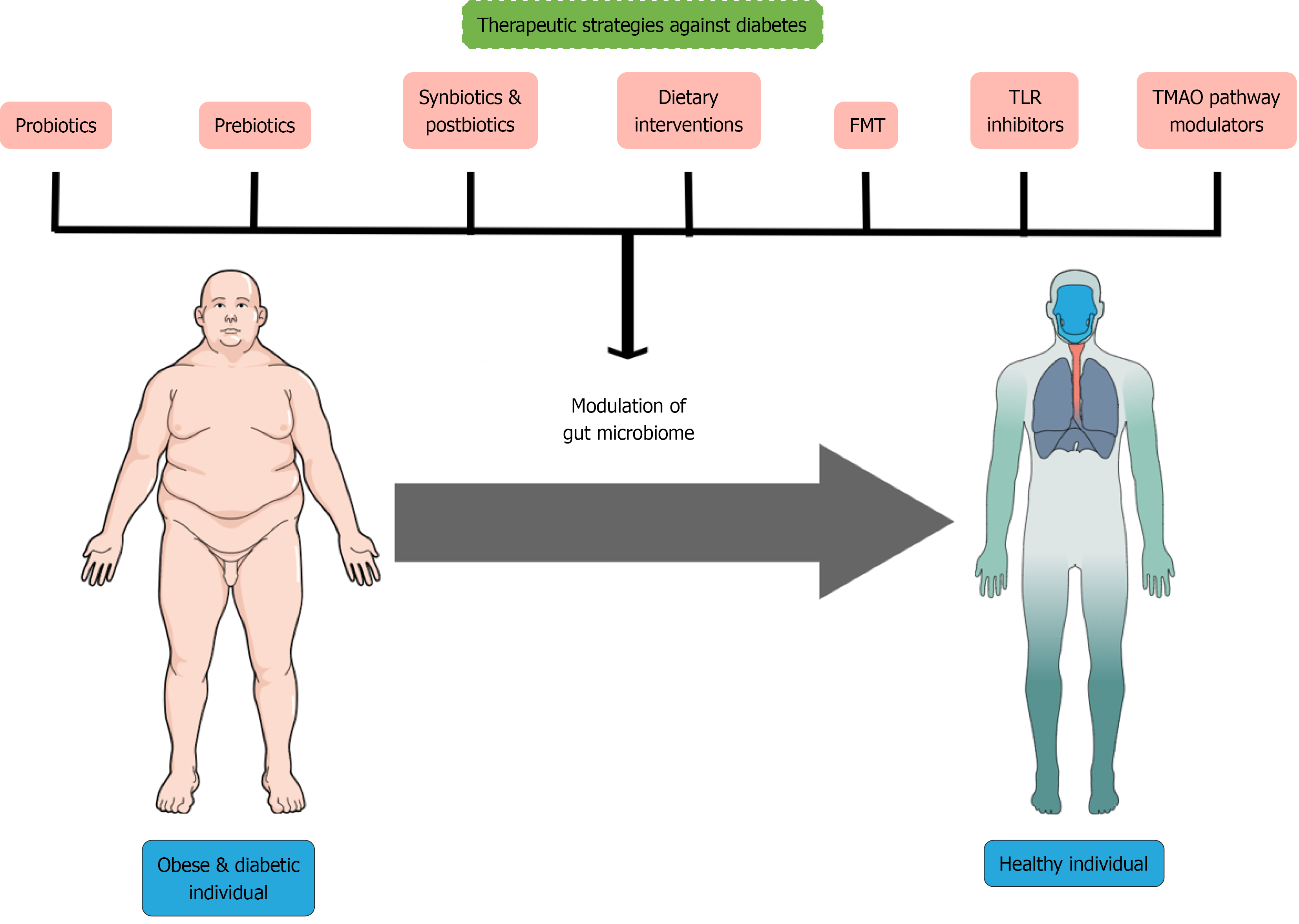
Figure 7 Using gut microbiota modulation as a precision strategy against type II diabetes mellitus.
FMT: Fecal microbiota transplantation; TLR: Toll-like receptor; TMAO: Trimethylamine-N-oxide.
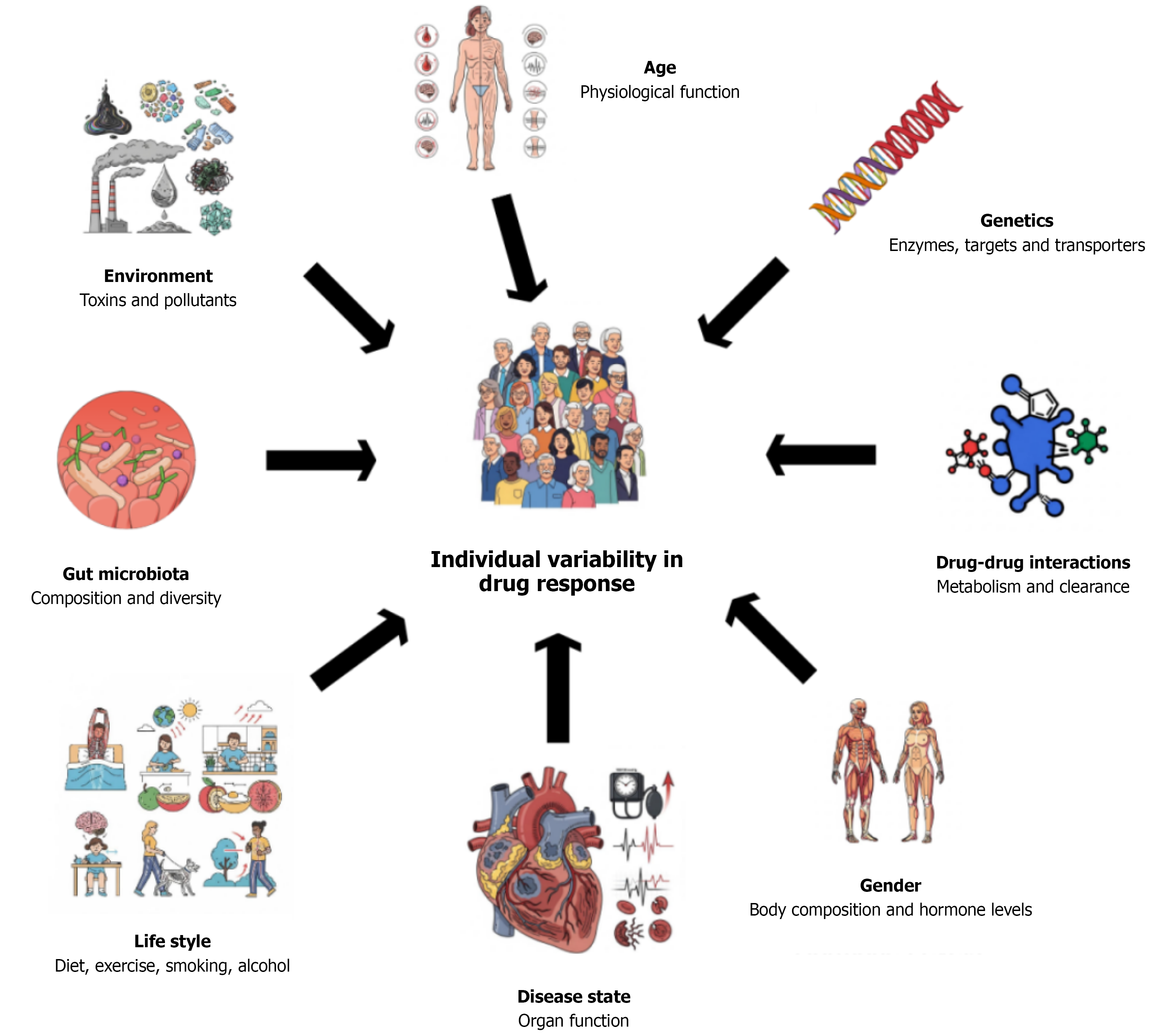
Figure 8 Causes of the individual variability in drug response.
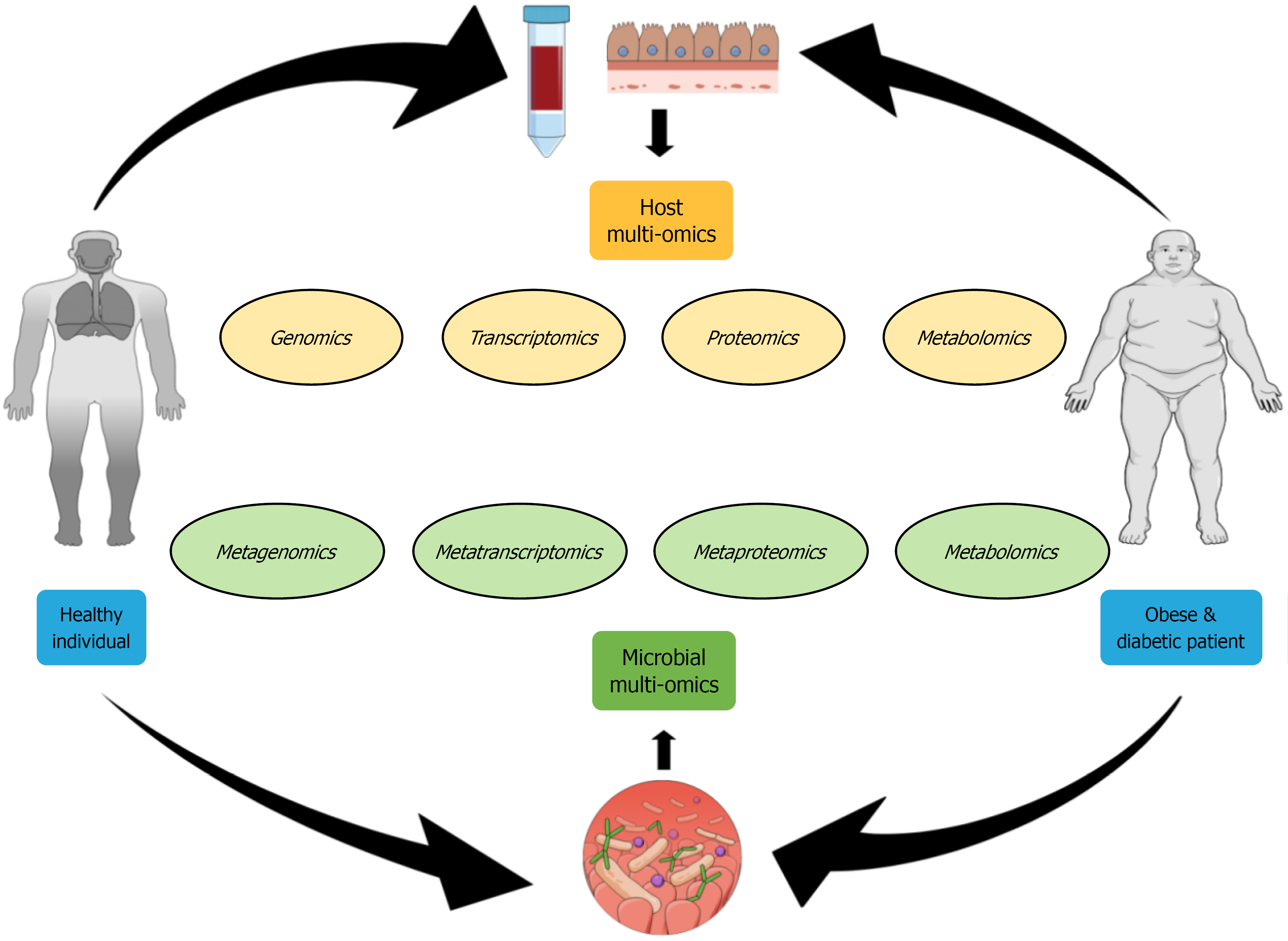
Figure 9 Integrating multi-omics to unravel host-microbiome interactions in type II diabetes mellitus.
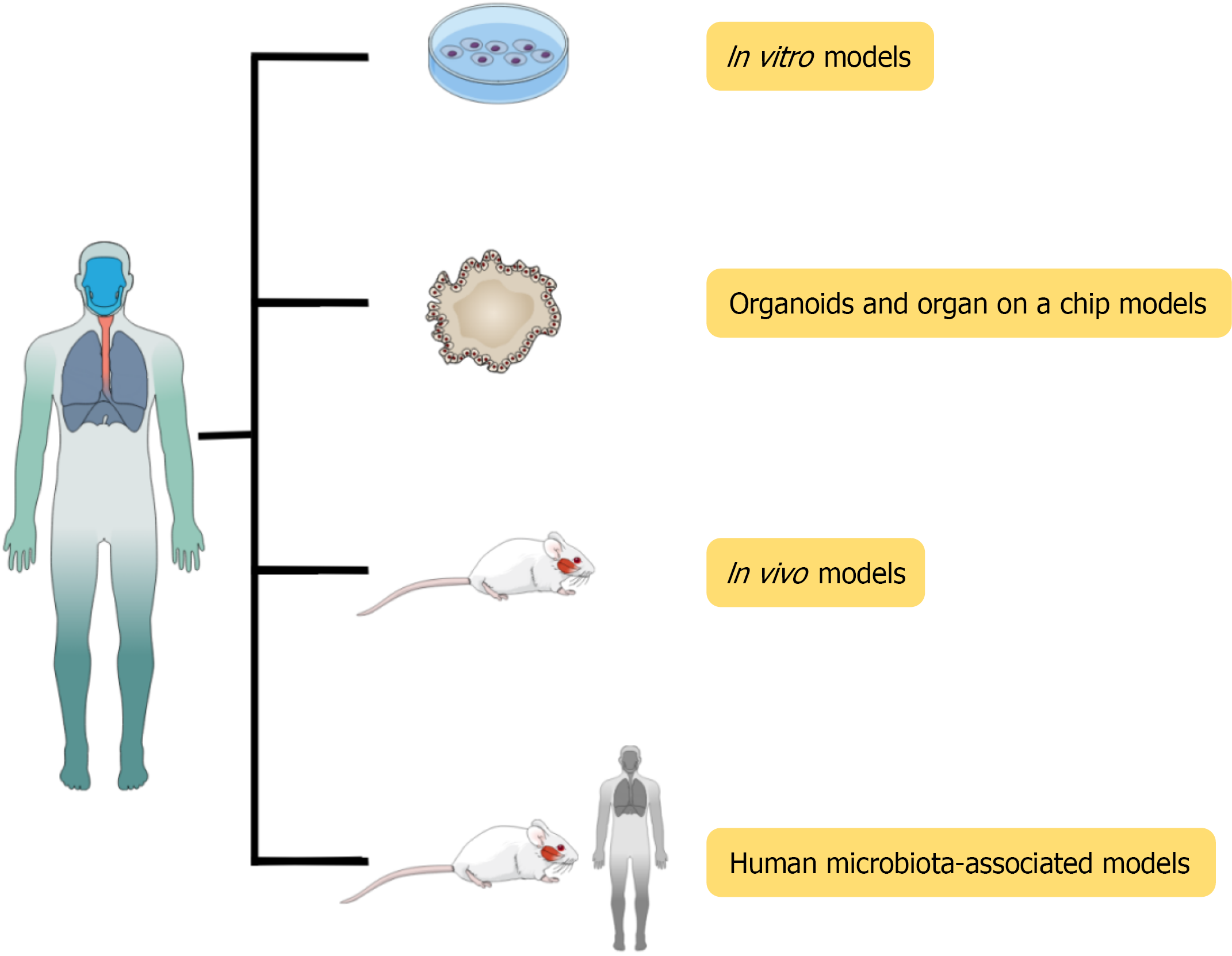
Figure 10 Summary of various microbiome model types.
Model types include in vitro models, in vivo models, organoid and organ-on-a-chip models and human microbiota-associated models.
- Citation: Vasudevan D. Circulating microbiome and its clinical implications in diabetes mellitus: Mechanistic insights and therapeutic perspectives. World J Diabetes 2026; 17(3): 113843
- URL: https://www.wjgnet.com/1948-9358/full/v17/i3/113843.htm
- DOI: https://dx.doi.org/10.4239/wjd.v17.i3.113843