
















©The Author(s) 2026.
World J Diabetes. Feb 15, 2026; 17(2): 113221
Published online Feb 15, 2026. doi: 10.4239/wjd.v17.i2.113221
Published online Feb 15, 2026. doi: 10.4239/wjd.v17.i2.113221
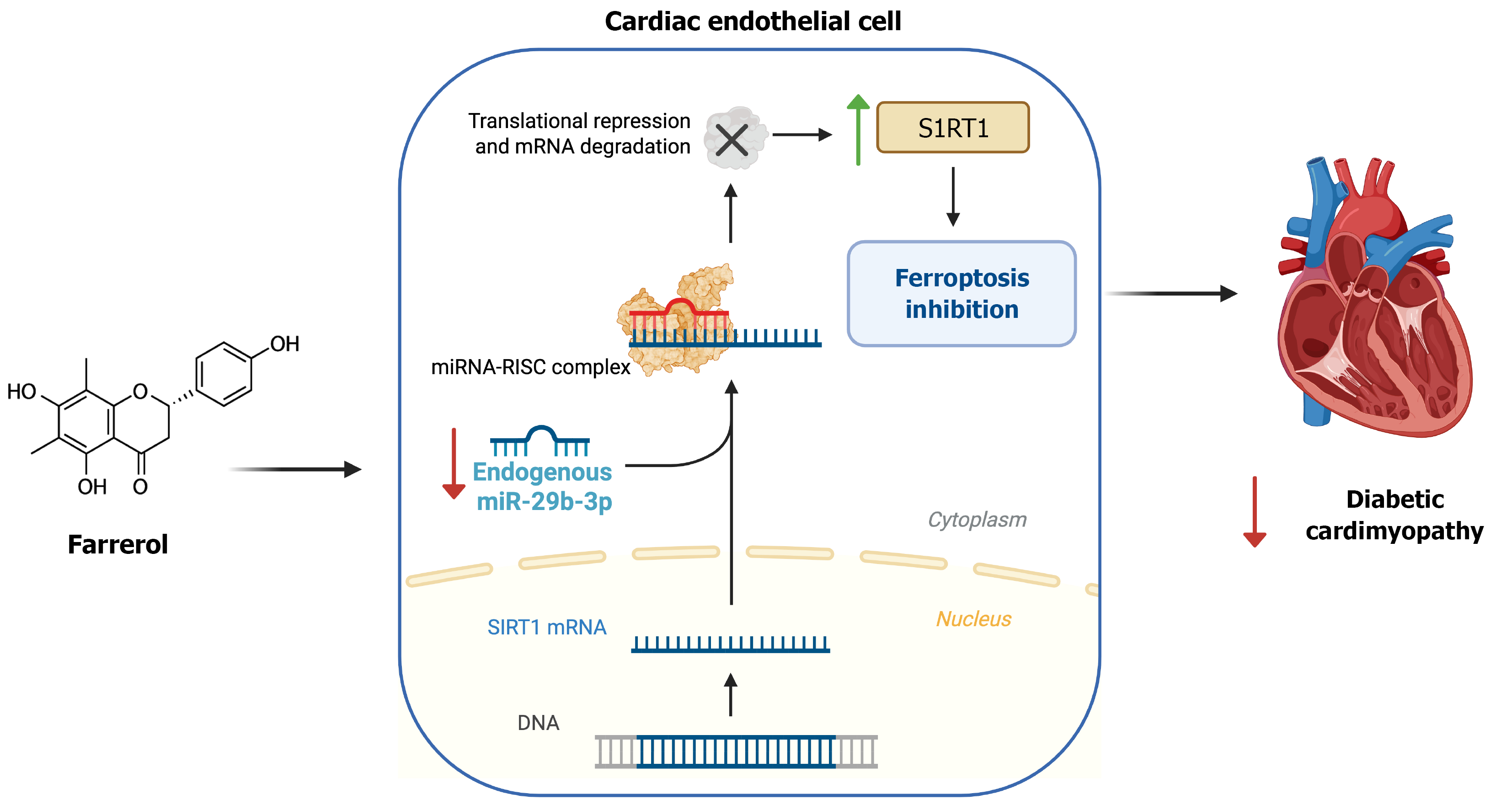
Figure 1 Proposed mechanism by which farrerol protects cardiac endothelial cells from ferroptosis in diabetic cardiomyopathy.
In diabetic conditions, hyperglycemia-induced oxidative stress increases miR-29b-3p expression in cardiac endothelial cells. Elevated miR-29b-3p binds to the sirtuin 1 (SIRT1) mRNA, promoting translational repression and mRNA degradation. The resulting decrease in SIRT1 impairs antioxidant defenses and enhances susceptibility to ferroptosis, contributing to endothelial dysfunction and progression of diabetic cardiomyopathy. Treatment with farrerol downregulates miR-29b-3p expression, restoring SIRT1 protein levels and thereby inhibiting ferroptosis. SIRT1: Sirtuin 1.
- Citation: Donate-Correa J, Martínez-Alberto CE. Farrerol and the miR-29b-3p/sirtuin 1 pathway: A mechanistic breakthrough in protecting the diabetic heart. World J Diabetes 2026; 17(2): 113221
- URL: https://www.wjgnet.com/1948-9358/full/v17/i2/113221.htm
- DOI: https://dx.doi.org/10.4239/wjd.v17.i2.113221