
















©The Author(s) 2026.
World J Diabetes. Jan 15, 2026; 17(1): 114535
Published online Jan 15, 2026. doi: 10.4239/wjd.v17.i1.114535
Published online Jan 15, 2026. doi: 10.4239/wjd.v17.i1.114535
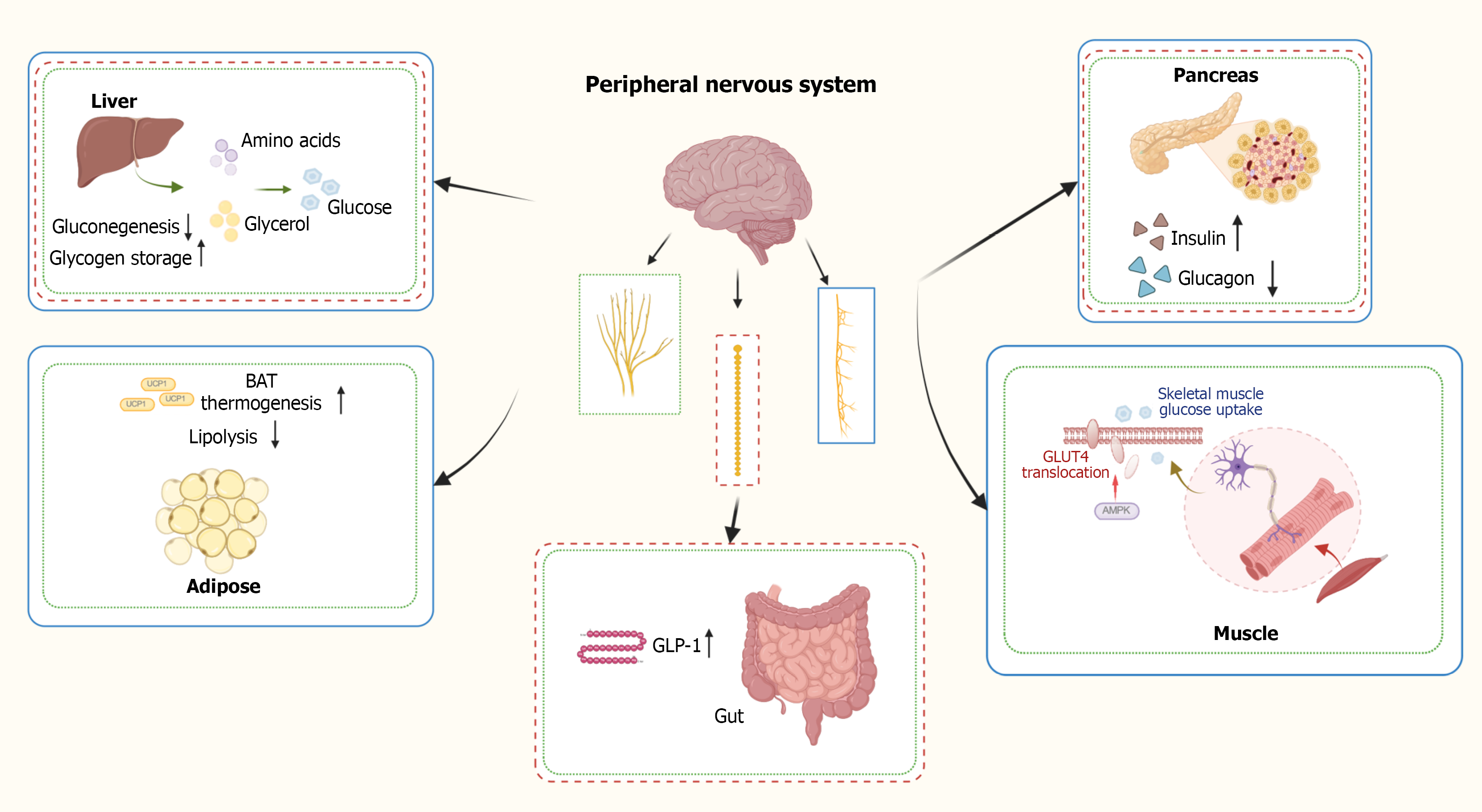
Figure 1 Peripheral nerve-targeted neuromodulation for glucose control.
The peripheral nervous system regulates multiple metabolic organs, including the liver, adipose tissue, pancreas, skeletal muscle, and gut, to maintain glucose homeostasis. Key actions include inhibiting hepatic gluconeogenesis and enhancing glycogen synthesis; modulating lipolysis and brown adipose tissue thermogenesis; regulating insulin secretion from β-cells and glucagon release from α-cells; promoting glucose uptake and utilization in skeletal muscle; and enhancing gut hormone (e.g., GLP-1) secretion to improve glucose metabolism. This mechanism provides potential therapeutic targets for neuromodulation in metabolic disorders such as diabetes. BAT: Brown adipose tissue. Created in BioRender (Supplementary material).
- Citation: Wang SY, Liu X, Li ZM, Deng CX, Chen KR, Zhuang SY, Xu B, Xu TC. Peripheral nerve-mediated glucose lowering: Mechanisms, translational strategies, and future perspectives. World J Diabetes 2026; 17(1): 114535
- URL: https://www.wjgnet.com/1948-9358/full/v17/i1/114535.htm
- DOI: https://dx.doi.org/10.4239/wjd.v17.i1.114535