















©The Author(s) 2026.
World J Diabetes. Jan 15, 2026; 17(1): 113821
Published online Jan 15, 2026. doi: 10.4239/wjd.v17.i1.113821
Published online Jan 15, 2026. doi: 10.4239/wjd.v17.i1.113821
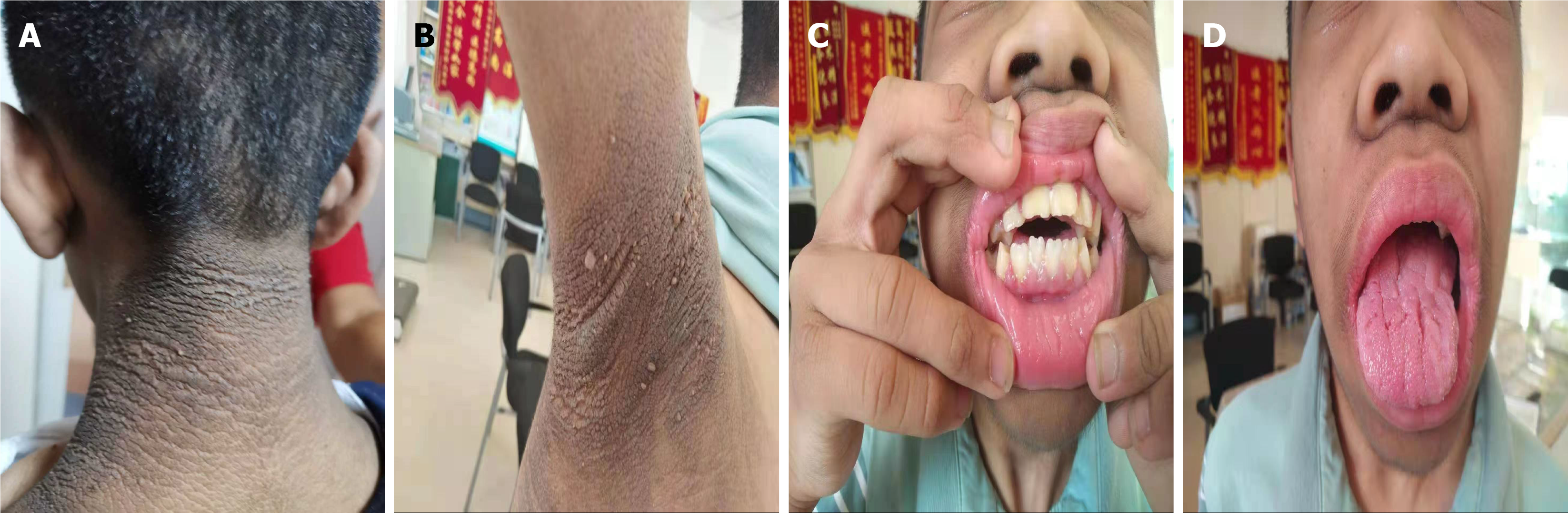
Figure 1
Clinical imaging.
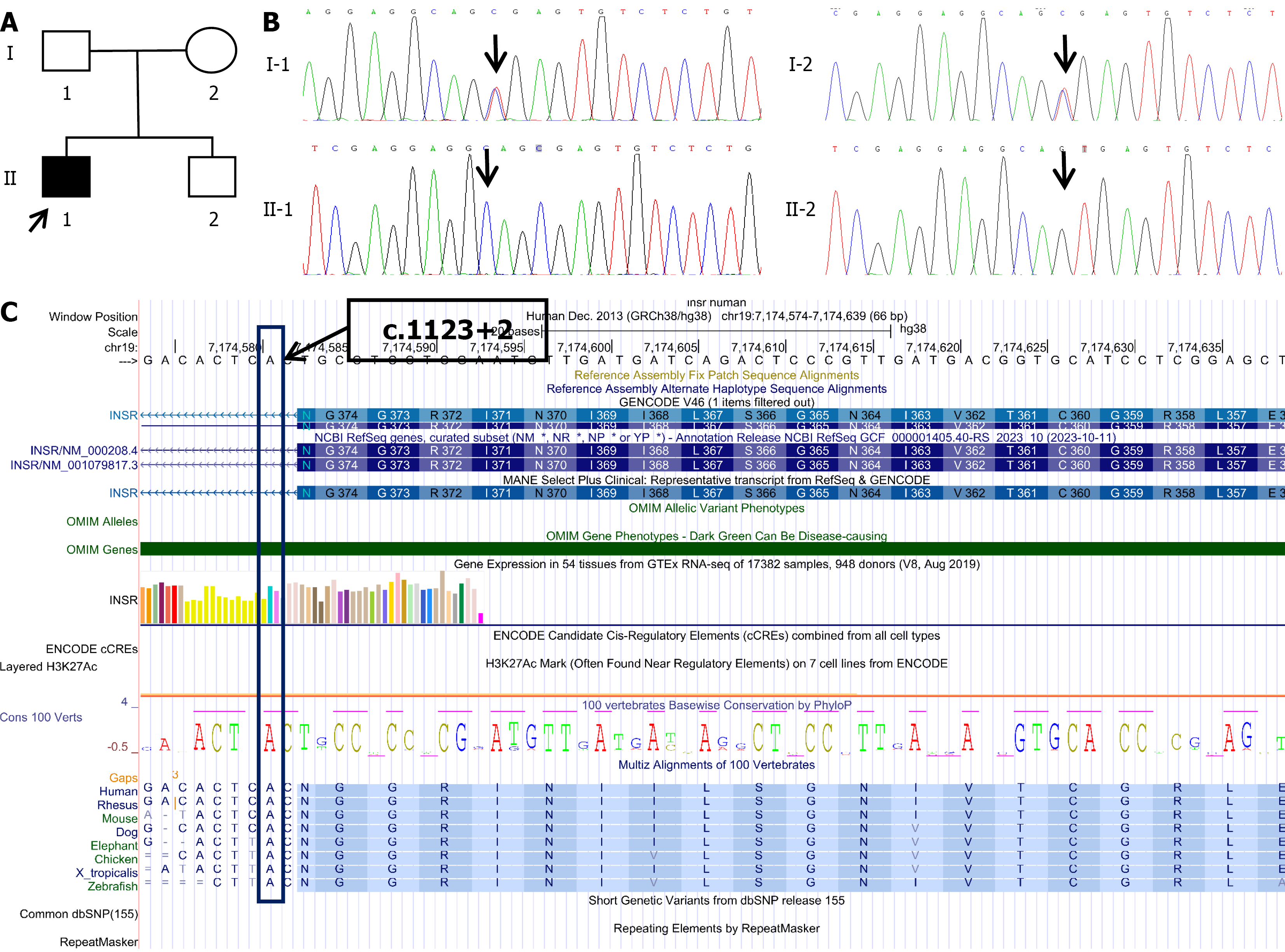
Figure 2 Pedigree and Sanger sequencing of the family.
A: Pedigree of the Rabson-Mendenhall syndrome family; B: Sanger sequencing; C: Conservation analysis of mutation site insulin receptor c.1123+2.
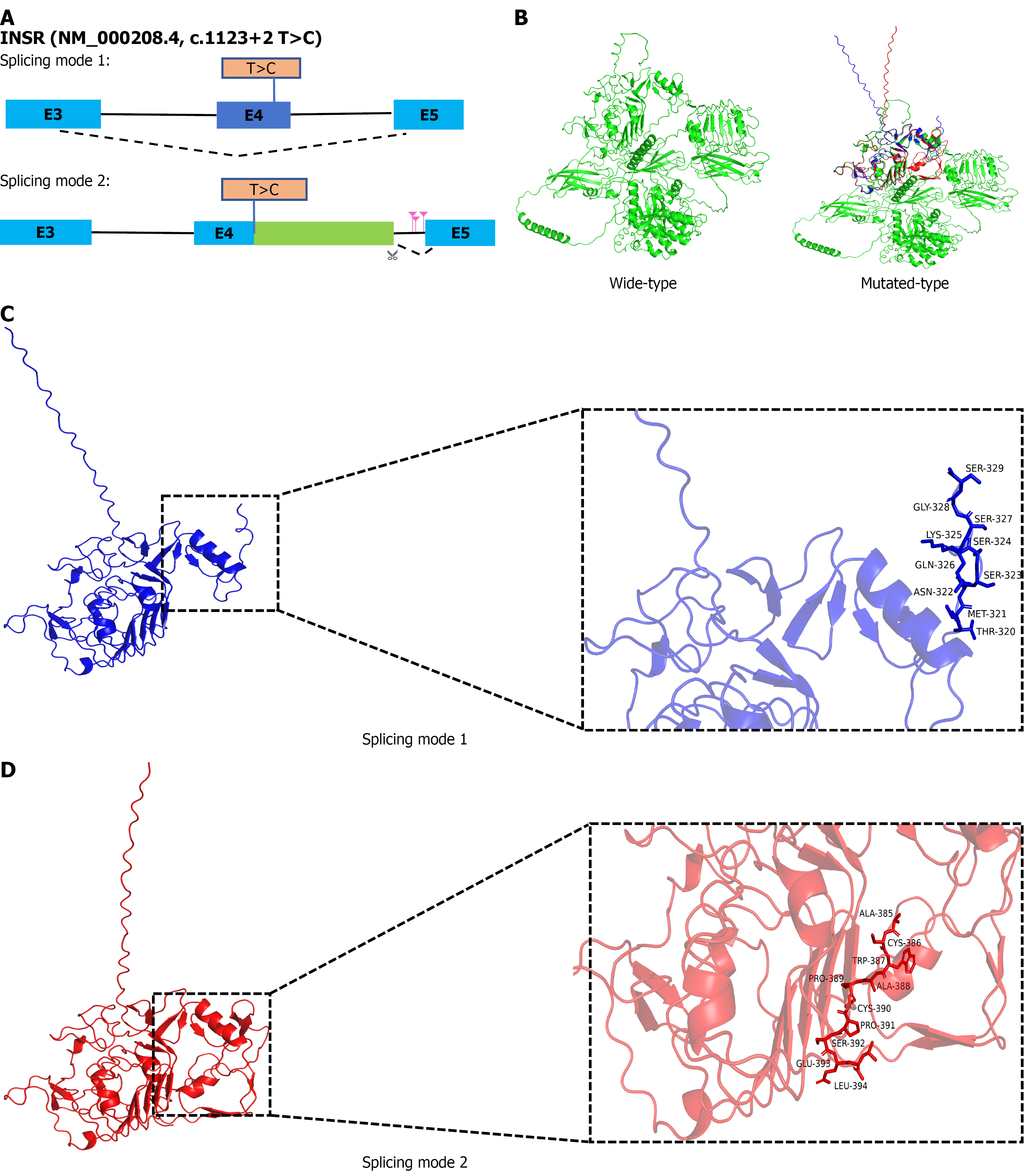
Figure 3 Rare Disease Data Center tool prediction and abnormal structure analysis of possible RNA splicing results.
A: Splicing mode 1: Splicing at a new splicing position on the exon of RNA leads to deletion of the exon sequence. Splicing mode 2: The original splicing recognition site was disrupted, using potential alternative splicing positions in introns, ultimately resulting in partial inclusion of intron sequences. The possible splicing sites are c.1123+930, c.1123+1038, c.1124-819; B: The protein structure of wild-type and mutant insulin receptor; C: Predicting insulin receptor protein structure through splicing mode 1; D: Predicting insulin receptor protein structure through splicing mode 2. INSR: Insulin receptor.
- Citation: Wang K, Zheng J, Gu LC, Li RR, Su XD, Bai J, Liao L. Rabson-Mendenhall syndrome caused by a novel splice-site mutation (c.1123+2 T>C) of insulin receptor: A case report and review of literature. World J Diabetes 2026; 17(1): 113821
- URL: https://www.wjgnet.com/1948-9358/full/v17/i1/113821.htm
- DOI: https://dx.doi.org/10.4239/wjd.v17.i1.113821