
















©The Author(s) 2026.
World J Diabetes. Jan 15, 2026; 17(1): 110108
Published online Jan 15, 2026. doi: 10.4239/wjd.v17.i1.110108
Published online Jan 15, 2026. doi: 10.4239/wjd.v17.i1.110108
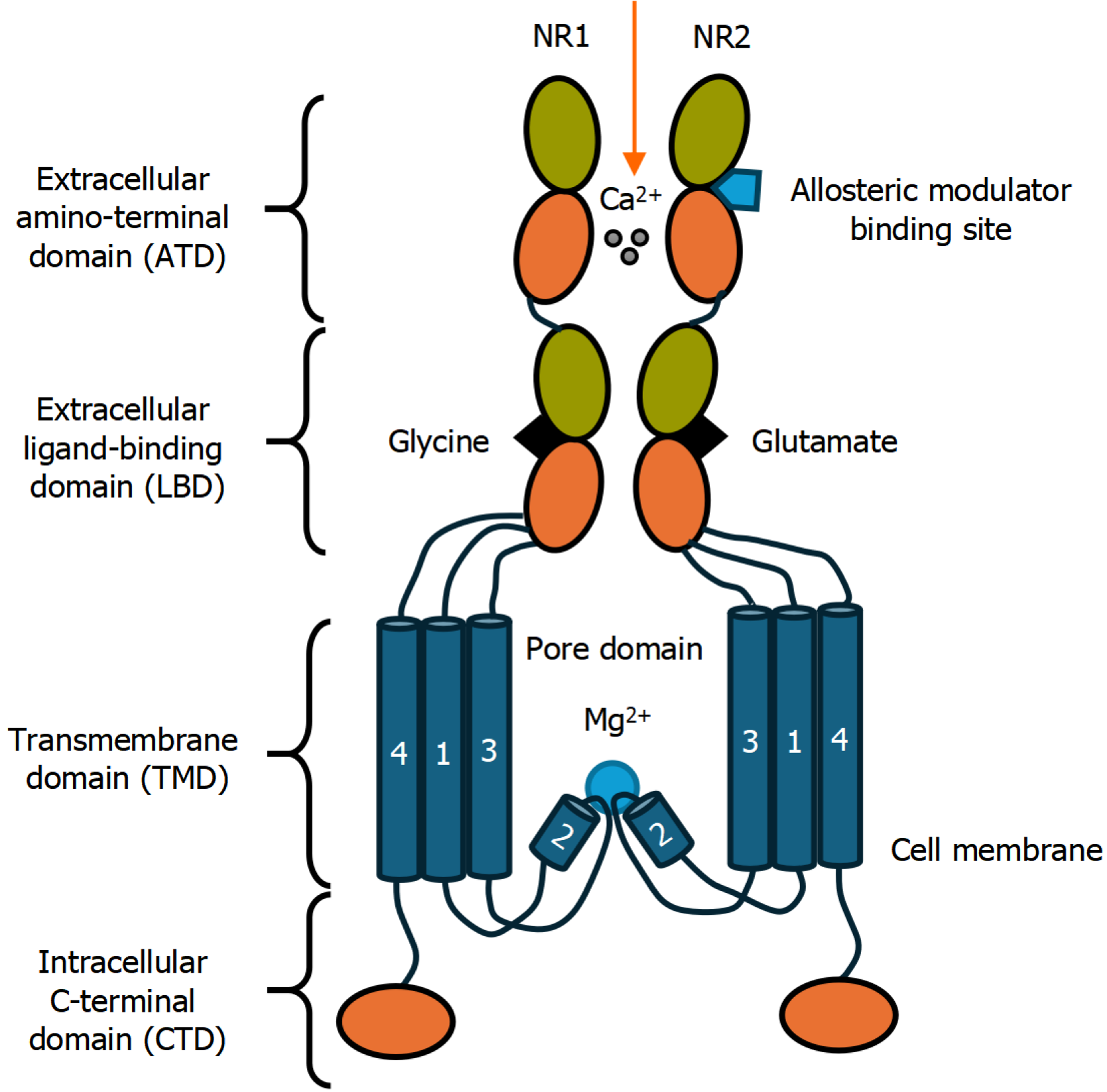
Figure 1 Schematic representation of an N-methyl-D-aspartate receptor-2B structure and its pharmacological regulation sites.
An N-methyl-D-aspartate receptor-2B consists of four subunits with three transmembrane domains (M1, M3, and M4) and a pore (M2) that allows ion influx. The receptor is also characterised by an extracellular amino-terminal, an extracellular ligand-binding, four transmembrane, and an intracellular C-terminal domains. ATD: Amino-terminal domain; Ca2+: Calcium ion; CTD: C-terminal domain; LBD: Ligand-binding domain; Mg2+: Magnesium ion; TMD: Transmembrane domain. Adapted from Gallo et al[14] (Supplementary material).
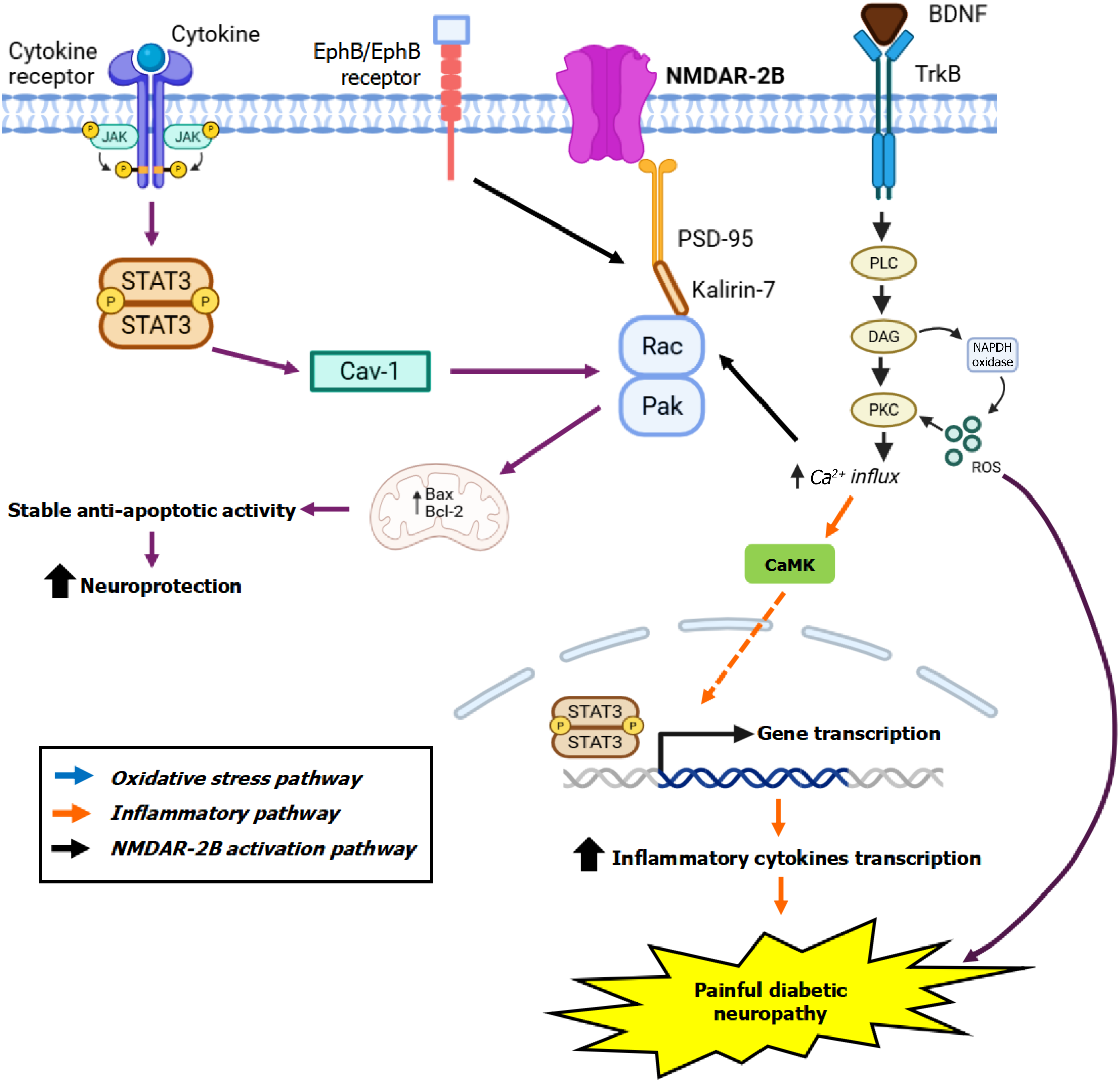
Figure 2 Possible mechanisms leading to N-methyl-D-aspartate receptor-2B activation in diabetic peripheral neuropathy.
Hyperglycaemia leads to the accumulation of glycolytic precursor diacylglycerol. The glycolytic precursor stimulates advanced glycation end product and reactive oxygen species formation by activating protein kinase C (PKC) and nicotinamide adenine dinucleotide phosphate (NADPH) oxidase. The activated PKC then stimulates N-methyl-D-aspartate receptor-2B (NMDAR-2B) activation and central sensitisation. Brain-derived neurotrophic factor (BDNF) may also activate NMDAR-2B through tyrosine kinase B (TrkB) receptor binding, which activates various phospholipase C (PLC)/diacylglycerol (DAG)/PKC and calmodulin-dependent protein kinase (CaMK) signaling pathways, leading to the development of neuropathy and transcription of various pro-nociceptive mediators, enhancing NMDAR-2B activation, resulting in central sensitisation and chronic pain. BAX: B-cell lymphoma-2 associated X protein; Bcl-2: B-cell lymphoma-2; Ca2+: Calcium ion; CAV-1: Caveolin-1; EphB: Ephrin B; JAK: Janus kinase; PaK: P21-activated kinase; PSD-95: Postsynaptic density protein 95; ROS: Reactive oxygen species; STAT3: Signal transducer and activator of transcription 3.
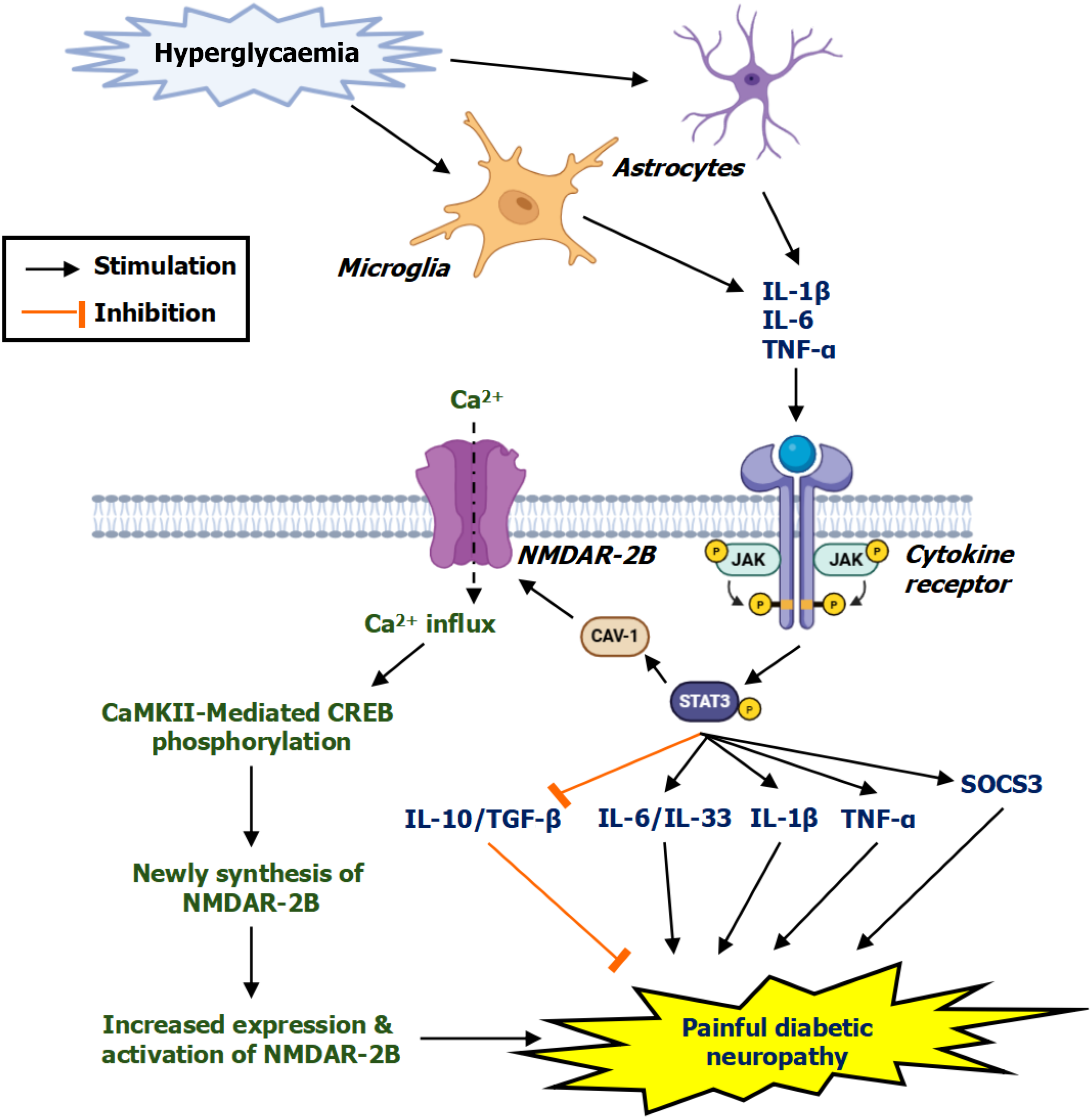
Figure 3 Potential increased release of inflammatory markers from activated glial cells due to prolonged hyperglycaemia.
The binding of mediators to their receptors activates Janus kinase 2 (JAK2) and phosphorylates signal transducer and activator of transcription 3 (STAT3). The processes upregulate caveolin-1 (CAV-1) expression and promote N-methyl-D-aspartate receptor-2B (NMDAR-2B) trafficking and activation, increasing calcium ion (Ca2+) influx, central sensitisation, and aberrant pain signaling pathway, which leads to the development of diabetic peripheral neuropathy. CaMKII: Calcium-calmodulin-dependent protein kinase II; CREB: Cyclic adenosine monophosphate response element binding protein; IL: Interleukin; SOCS3: Suppressor of cytokine signaling 3; TGF-β: Transforming growth factor beta; TNF-α: Tumor necrosis factor alpha.
- Citation: Khalid N, Shafin N, Long I, Hasim H, Ismail CAN. Targeting N-methyl-D-aspartate 2B receptor in painful diabetic neuropathy – mechanisms, challenges, and emerging therapeutics. World J Diabetes 2026; 17(1): 110108
- URL: https://www.wjgnet.com/1948-9358/full/v17/i1/110108.htm
- DOI: https://dx.doi.org/10.4239/wjd.v17.i1.110108