
















©The Author(s) 2025.
World J Diabetes. Dec 15, 2025; 16(12): 111771
Published online Dec 15, 2025. doi: 10.4239/wjd.v16.i12.111771
Published online Dec 15, 2025. doi: 10.4239/wjd.v16.i12.111771
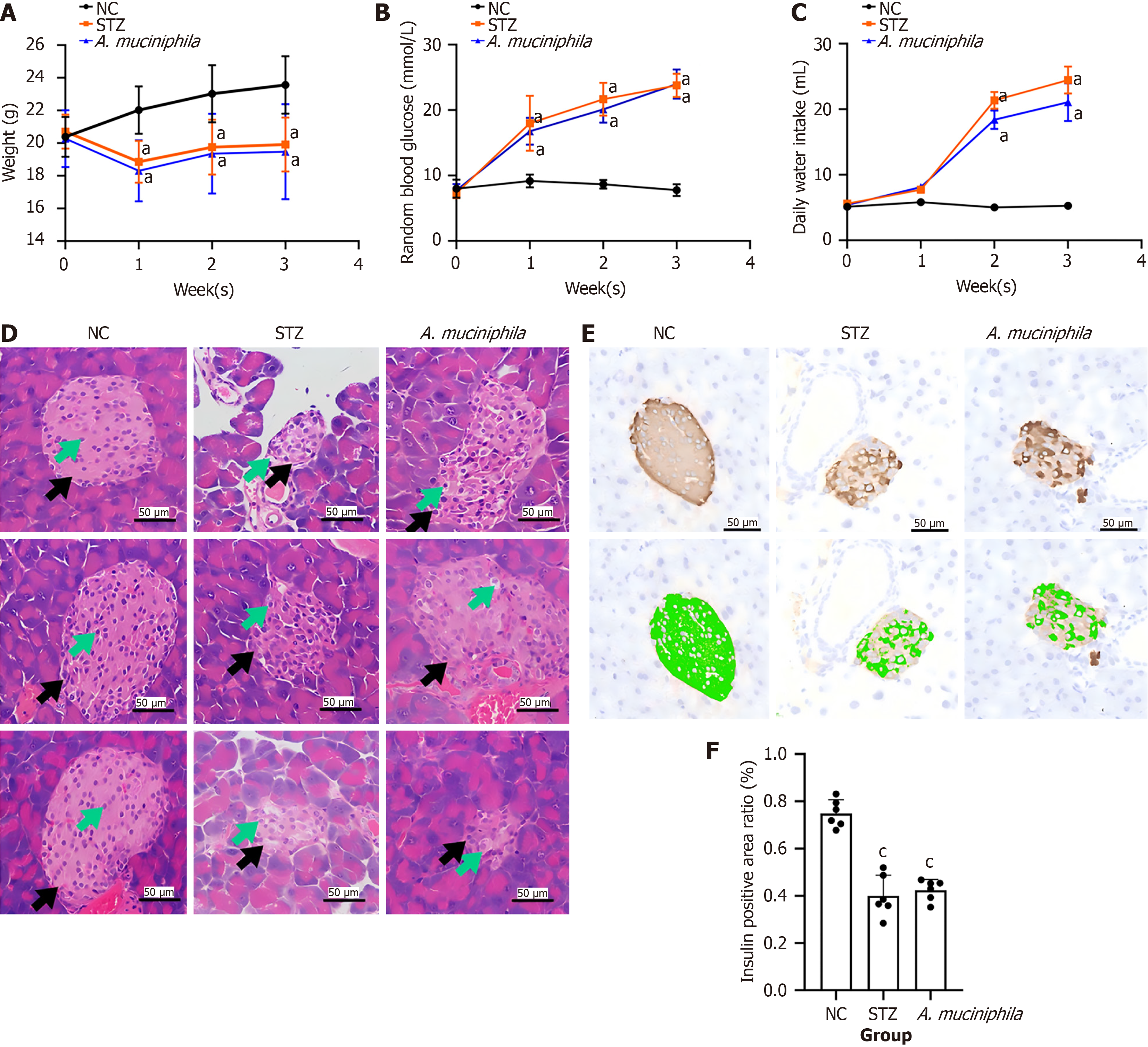
Figure 1 Physiological and pathological changes in the mice in each group (400 times).
A: Body weight line chart of the mice in each group (n = 10); B: Random blood glucose line chart for each group of mice (n = 10); C: Break-line diagram of the daily water intake of the mice in each group (n = 3); D: Hematoxylin-eosin staining changes in islet pathology in each group (400 times, n = 4); E: Changes in insulin immunohistochemical staining in each group (400 times, n = 6); F: Statistical analysis of the insulin-positive area ratio in each group (n = 6). 1-3 are three pairs of pathological hematoxylin-eosin changes from each group. aP < 0.05 vs negative control group. cP < 0.001 vs negative control group. NC group: Negative control group; STZ group: Streptozotocin-induced type 1 diabetes mellitus group; A. muciniphila group: Akkermansia muciniphila intervention group.
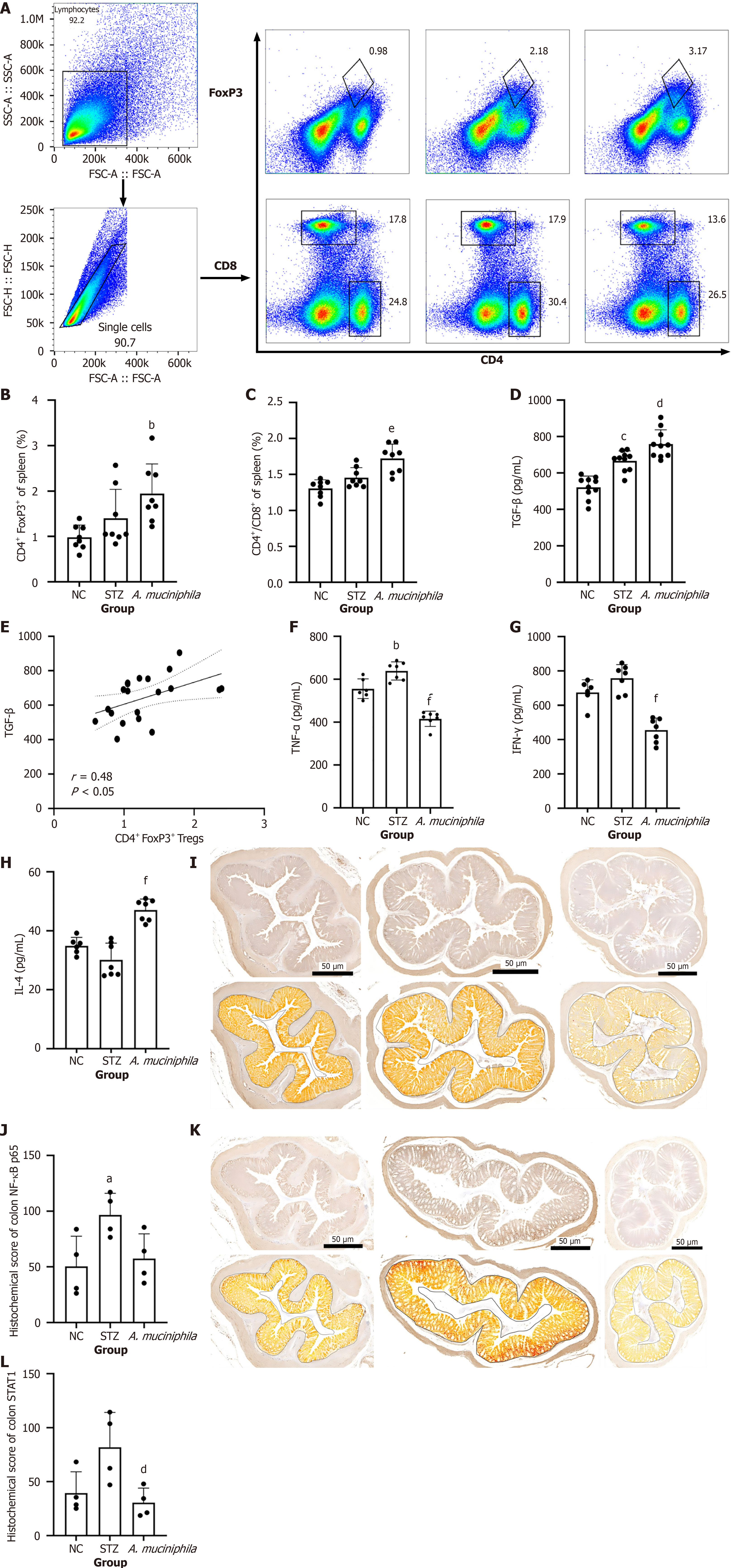
Figure 2 Analysis of the regulatory T cells phenotype, spleen cytokine profile and intestinal mucosa immunohistochemistry (30-fold) in each group of mice.
A: Flow gating strategy; B: Columnar diagram of cluster of differentiation (CD) 4+ forkhead box P3 (FoxP3+) regulatory T (Treg) cells expression in the spleens of the mice in each group (n = 8); C: Spleen CD4+/CD8+ cell ratio histogram for each group (n = 8); D: Histogram of transforming growth factor-beta (TGF-β) expression in the spleens of the mice in each group (n = 10); E: Correlation analysis between CD4+ FoxP3+ Tregs and TGF-β (n = 20); F: Columnar diagram of tumor necrosis factor-alpha expression in the spleens of the mice in each group (n = 6-7); G: Spleen interferon-gamma expression histogram for each group of mice (n = 6-7); H: Histogram of interleukin-4 expression in the spleens of the mice in each group (n = 6-7); I: Nuclear factor kappa-B (NF-κB) p65 positive expression score for the mouse colon (30 times); J: Histogram of NF-κB p65 comprehensive positive intensity histochemistry score for the colon in each group (n = 4); K: Signal transducer and activator of transcription 1 positive expression score in the mouse colon (30 times); L: Histochemical score of colon signal transducer and activator of transcription. aP < 0.05 vs negative control group. bP < 0.01 vs negative control group. cP < 0.001 vs negative control group. dP < 0.05 vs streptozotocin-induced type 1 diabetes mellitus group. eP < 0.01 vs streptozotocin-induced type 1 diabetes mellitus group. fP < 0.001 vs streptozotocin-induced type 1 diabetes mellitus group. NC group: Negative control group; STZ group: Streptozotocin-induced type 1 diabetes mellitus group; A. muciniphila group: Akkermansia muciniphila intervention group; FSC-A: Forward scatter area; SSC-A: Side scatter area; FSC-H: Forward scatter height; CD: Cluster of differentiation; FoxP3: Forkhead box P3; Treg: Regulatory T; TGF-β: Transforming growth factor-beta; TNF-α: Tumor necrosis factor-alpha; IFN-γ: Interferon-gamma; IL-4: Interleukin-4; NF-κB: Nuclear factor kappa-B; STAT1: Signal transducer and activator of transcription 1.
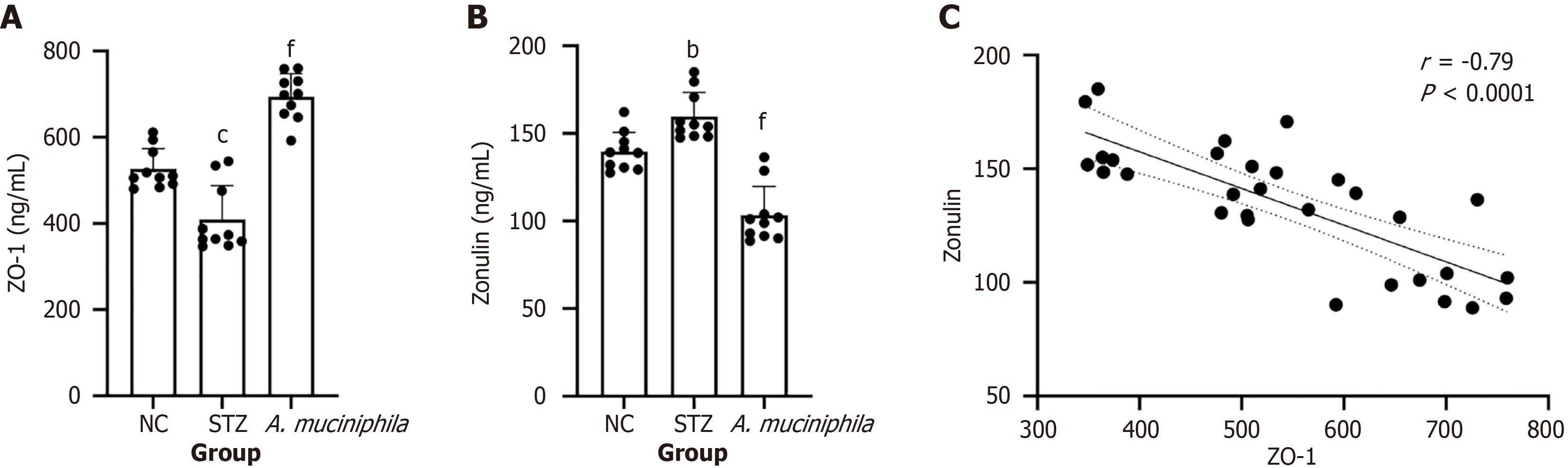
Figure 3 Comparison of zonulin and zonula occludens-1 expression in the colons of the mice in each group.
A: Colonic zonula occludens-1 (ZO-1) expression histogram for the mice in each group (n = 10); B: Colonic zonulin expression histogram for the mice in each group (n = 10); C: Correlation analysis between ZO-1 and zonulin in the colon (n = 30). bP < 0.01 vs negative control group. cP < 0.001 vs negative control group. fP < 0.001 vs streptozotocin-induced type 1 diabetes mellitus group. NC group: Negative control group; STZ group: Streptozotocin-induced type 1 diabetes mellitus group; A. muciniphila group: Akkermansia muciniphila intervention group; ZO-1: Zonula occludens-1.
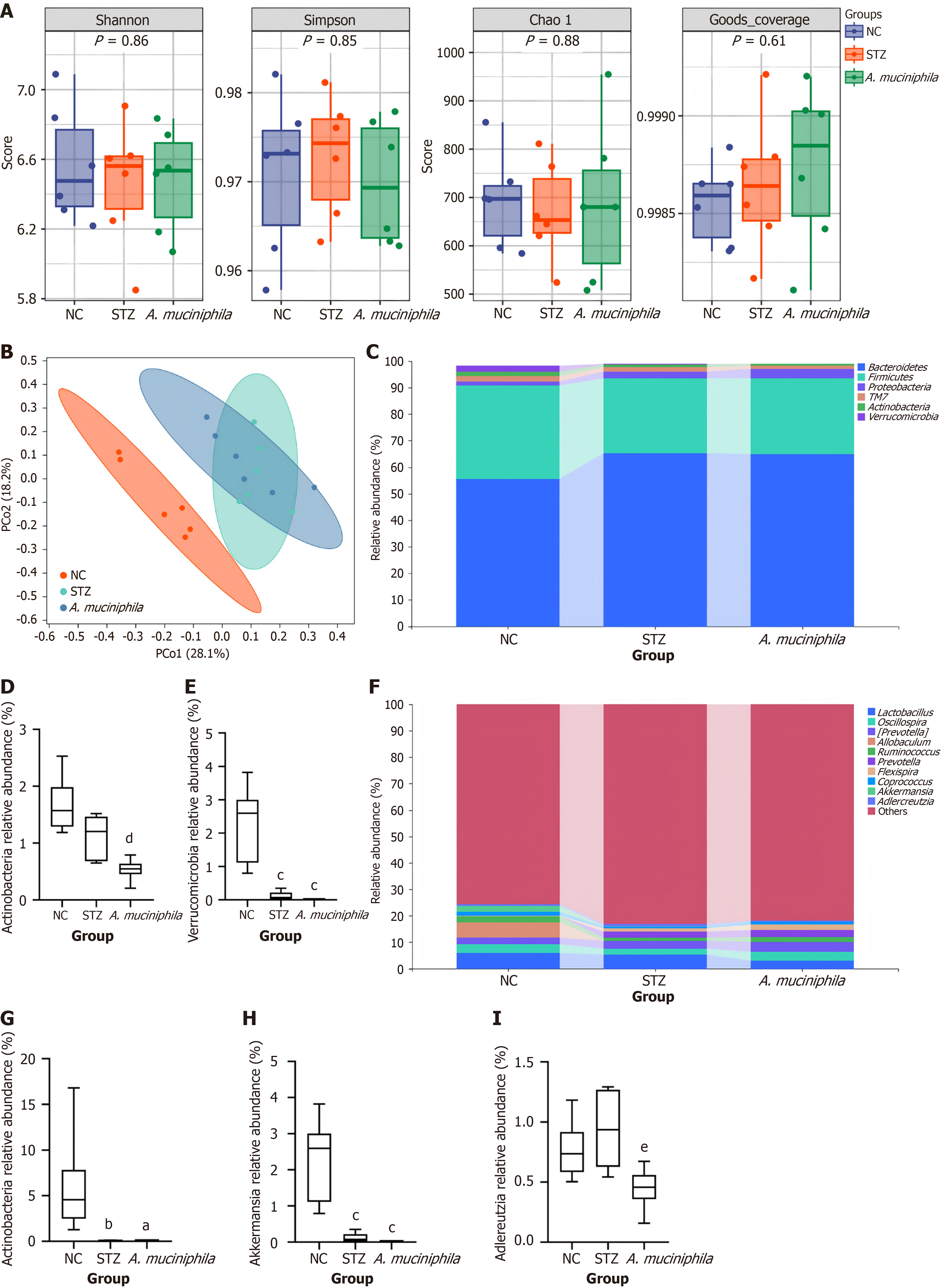
Figure 4 Alpha diversity analysis, principal component analysis and phylum-level abundance changes in the intestinal flora of the mice in each group during different periods.
A: Box plot of the alpha diversity analysis of the mice in each group; B: Principal component analysis of species differences at the baseline level among the different groups of mice; C: Relative abundance of phylum-level flora in each group of mice; D: Column diagram of the relative abundance of Actinobacteria in the mice in each group (n = 6); E: Verrucomicrobia relative abundance histogram for the mice in each group (n = 6); F: Relative abundance of genus-level flora in the mice in each group; G: Histogram of the relative abundance of Allobaculum in the mice in each group (n = 6); H: Histogram of the relative abundance of Akkermansia in the mice in each group (n = 6); I: Histogram of the relative abundance of Adlercreutzia in the mice in each group (n = 6). aP < 0.05 vs negative control group. bP < 0.01 vs negative control group. cP < 0.001 vs negative control group. dP < 0.05 vs streptozotocin-induced type 1 diabetes mellitus group. eP < 0.01 vs streptozotocin-induced type 1 diabetes mellitus group. PCo1: First principal component; PCo2: Second principal component; NC group: Negative control group; STZ group: Streptozotocin-induced type 1 diabetes mellitus group; A. muciniphila group: Akkermansia muciniphila intervention group.
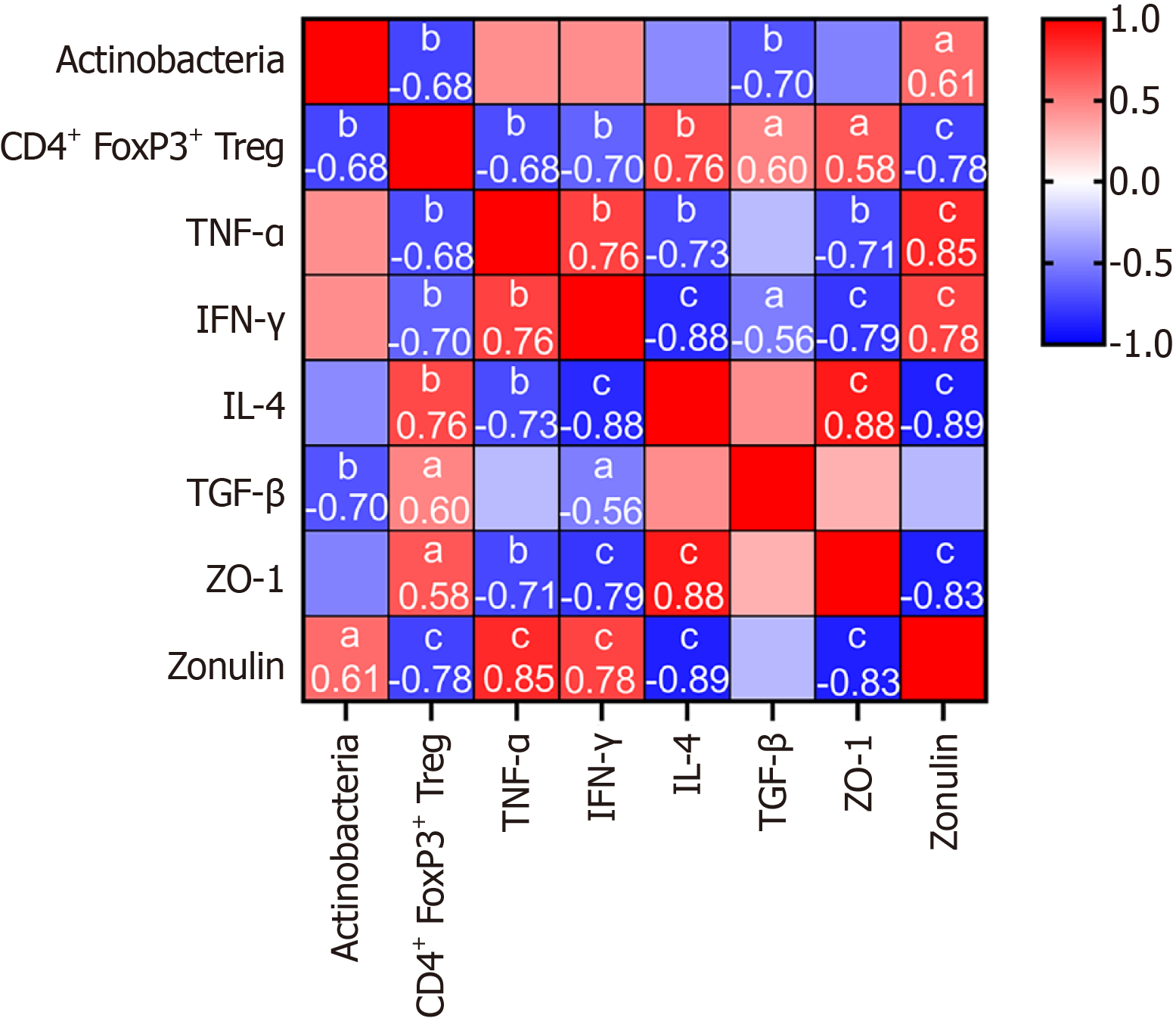
Figure 5 Correlation analysis heatmap.
aP < 0.05. bP < 0.01. cP < 0.001. CD: Cluster of differentiation; FoxP3: Forkhead box P3; Treg: Regulatory T; TGF-β: Transforming growth factor-beta; TNF-α: Tumor necrosis factor-alpha; IFN-γ: Interferon-gamma; IL-4: Interleukin-4; ZO-1: Zonula occludens-1.
- Citation: Huang BJ, Guo S, Lin XY, Li YH, Ma HM, Zhang J, Chen QL. Oral Akkermansia muciniphila may ameliorates immune dysregulation in a murine model of streptozotocin-induced type 1 diabetes. World J Diabetes 2025; 16(12): 111771
- URL: https://www.wjgnet.com/1948-9358/full/v16/i12/111771.htm
- DOI: https://dx.doi.org/10.4239/wjd.v16.i12.111771