
















Copyright: ©Author(s) 2026.
World J Gastrointest Oncol. Jul 15, 2026; 18(7): 118050
Published online Jul 15, 2026. doi: 10.4251/wjgo.v18.i7.118050
Published online Jul 15, 2026. doi: 10.4251/wjgo.v18.i7.118050
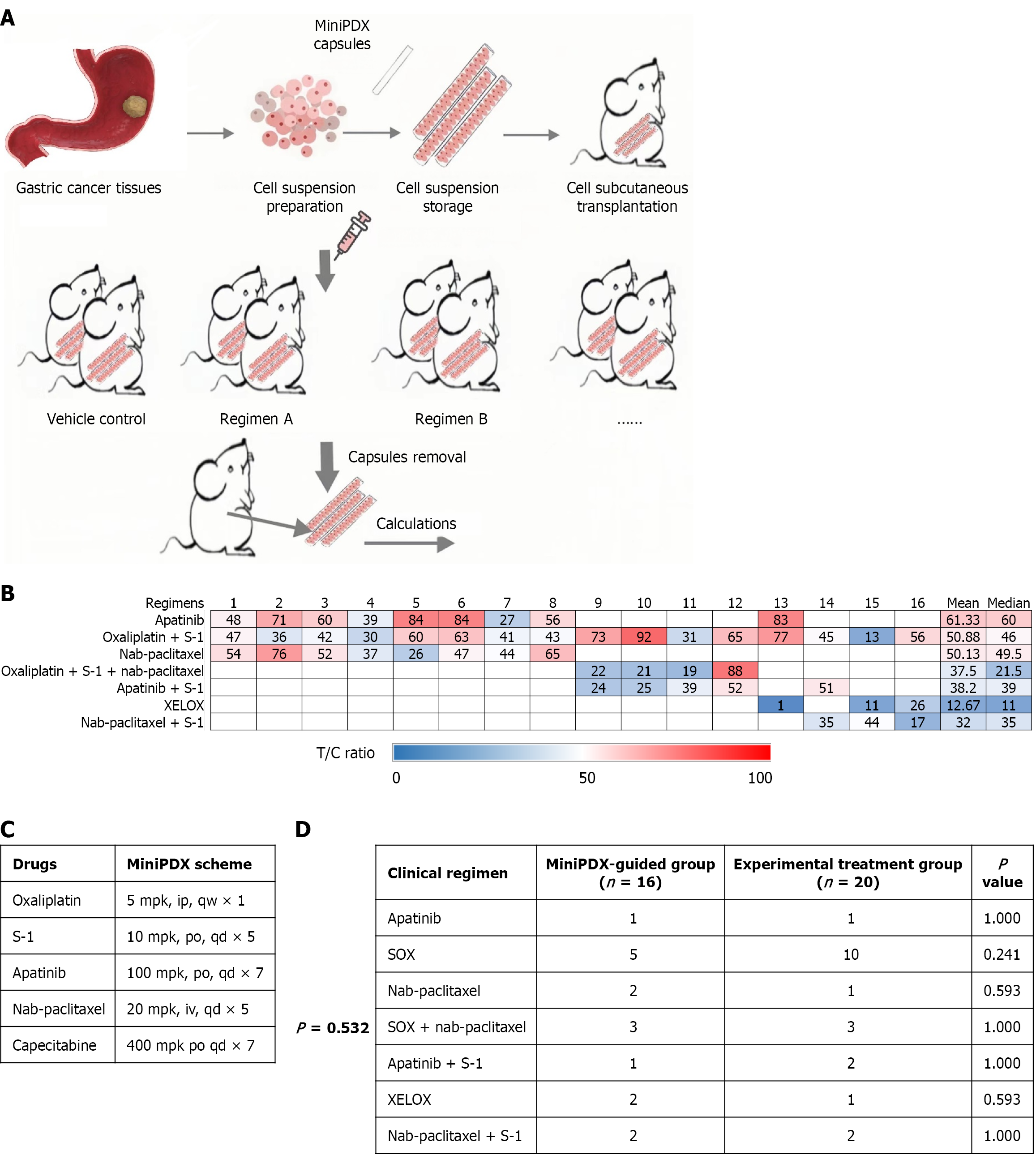
Figure 1 OncoVee™-mini patient-derived xenograft flow diagram and the drug regimen of the mini patient-derived xenograft test.
A: The OncoVee™-mini patient-derived xenograft (MiniPDX) flow is as follows: Tumor cells digested from fresh surgical samples were placed into six capsules and subcutaneously implanted into two 4-week-old BALB/c nude mice. Seven days after administration, the capsules were collected and drug sensitivity was assessed using cell viability tests. Based on the results of the MiniPDX, the best regimen is selected for personalized chemotherapy; B: Results of MiniPDX test (treated-to-control ratio); C: The specific dose, routes of administration, and cycle used in MiniPDX testing; D: Assessment of the regimens of the two groups to evaluate the influence of the MiniPDX test on regimen selection in clinical practice (Fisher’s exact test). MiniPDX: Mini patient-derived xenograft.
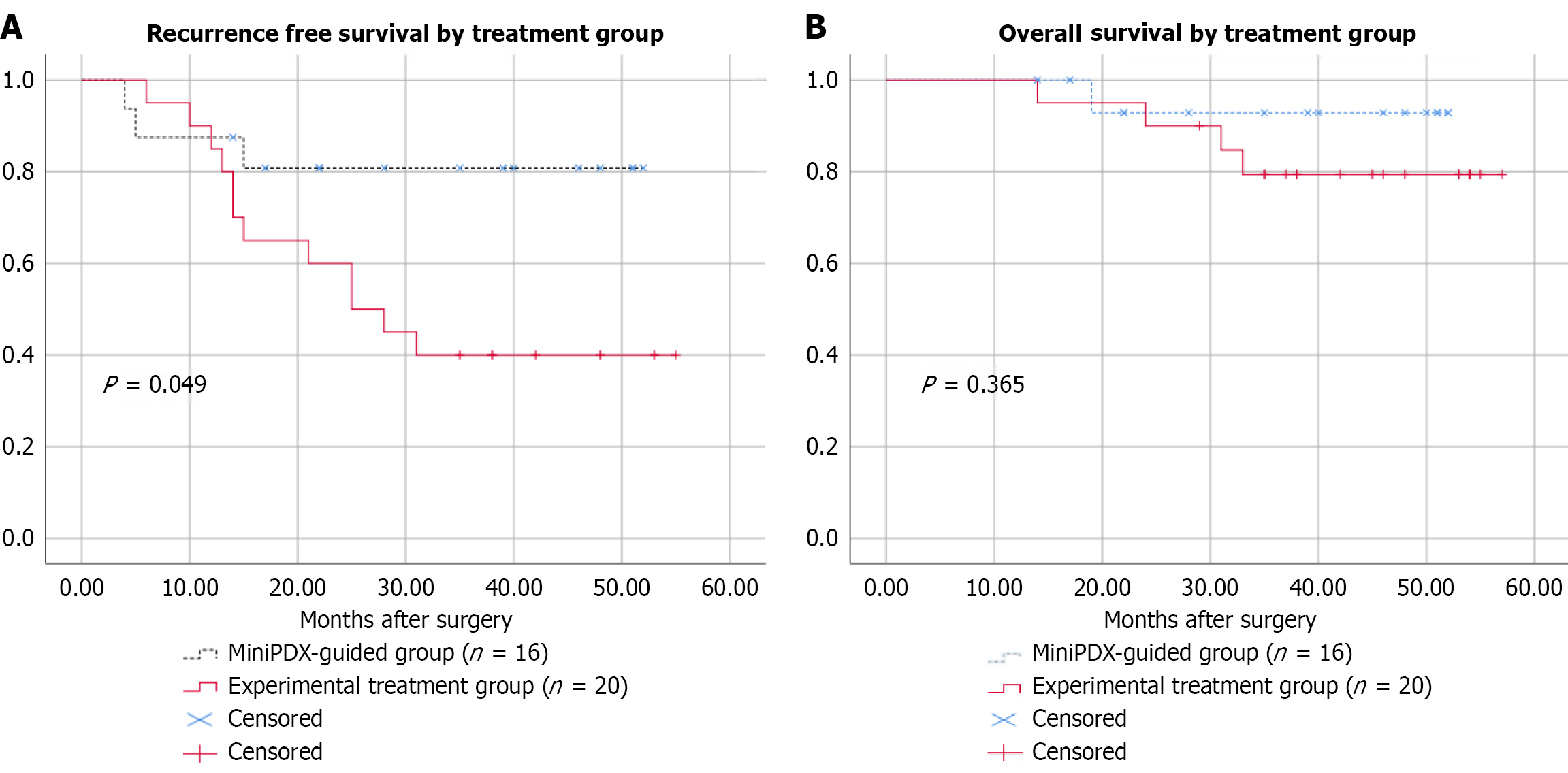
Figure 2 Recurrence-free survival and overall survival results of this study.
A: Gastric cancer patients who received treatment based on mini patient-derived xenograft results had better recurrence-free survival compared to those in experimental treatment group; B: Gastric cancer patients who received treatment based on mini patient-derived xenograft results had better overall survival compared to those in experimental treatment group.
- Citation: Qiu YX, Jian KY, Xu QR, Lu X, Jia BL, Jiang L, Liang F. OncoVee™-mini-patient-derived xenograft guided adjuvant chemotherapy treatment for resectable gastric cancer. World J Gastrointest Oncol 2026; 18(7): 118050
- URL: https://www.wjgnet.com/1948-5204/full/v18/i7/118050.htm
- DOI: https://dx.doi.org/10.4251/wjgo.v18.i7.118050