
















Copyright: ©Author(s) 2026.
World J Gastrointest Oncol. Jun 15, 2026; 18(6): 117057
Published online Jun 15, 2026. doi: 10.4251/wjgo.v18.i6.117057
Published online Jun 15, 2026. doi: 10.4251/wjgo.v18.i6.117057
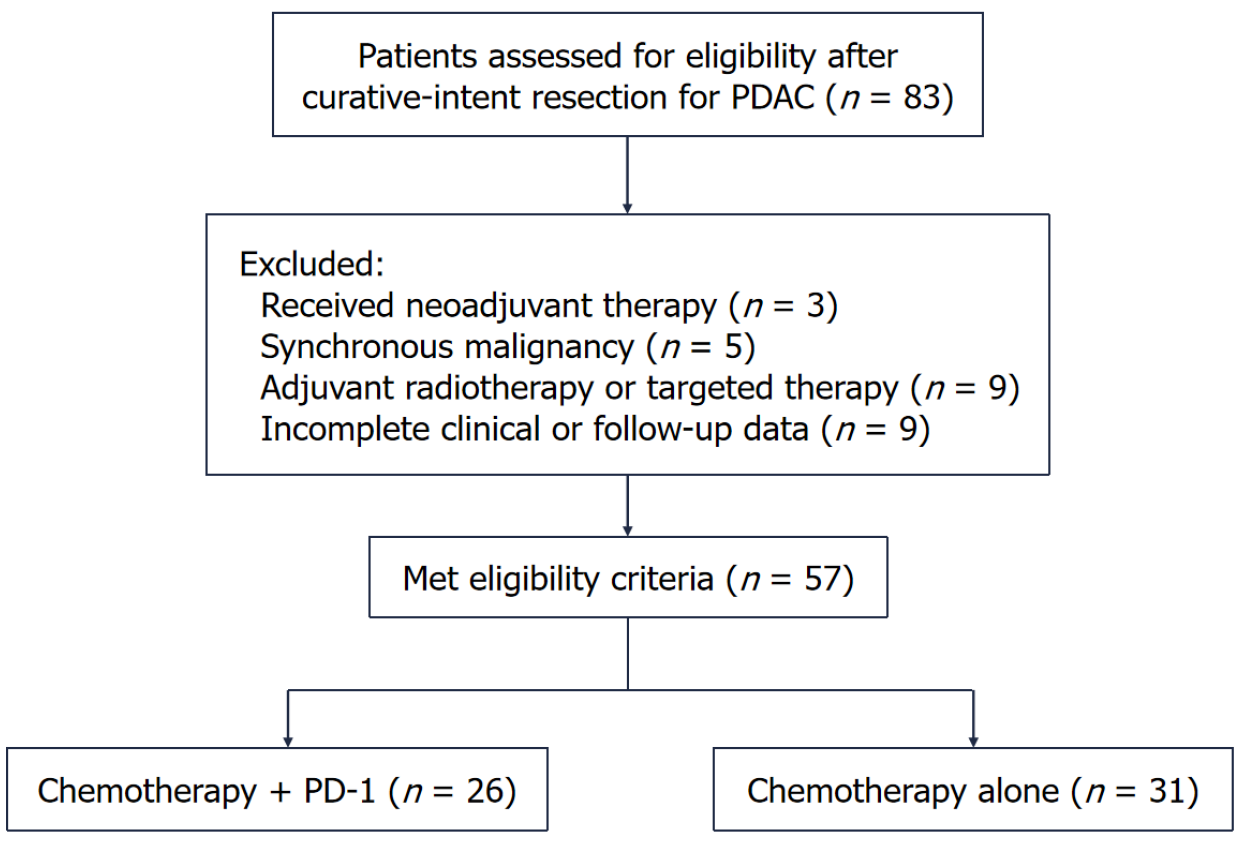
Figure 1 Flowchart of patient selection and cohort allocation.
Among 83 patients who underwent surgical resection for pancreatic cancer between January 2021 and December 2023, 26 were excluded due to prior neoadjuvant therapy, synchronous malignancies, receipt of adjuvant radiotherapy or targeted agents, or incomplete data. The final cohort comprised 57 patients with histologically confirmed pancreatic ductal adenocarcinoma and R0/R1 resection. Of these, 26 received adjuvant chemotherapy plus programmed death-1 inhibitors and 31 received chemotherapy alone. PD-1: Programmed death-1; PDAC: Pancreatic ductal adenocarcinoma.
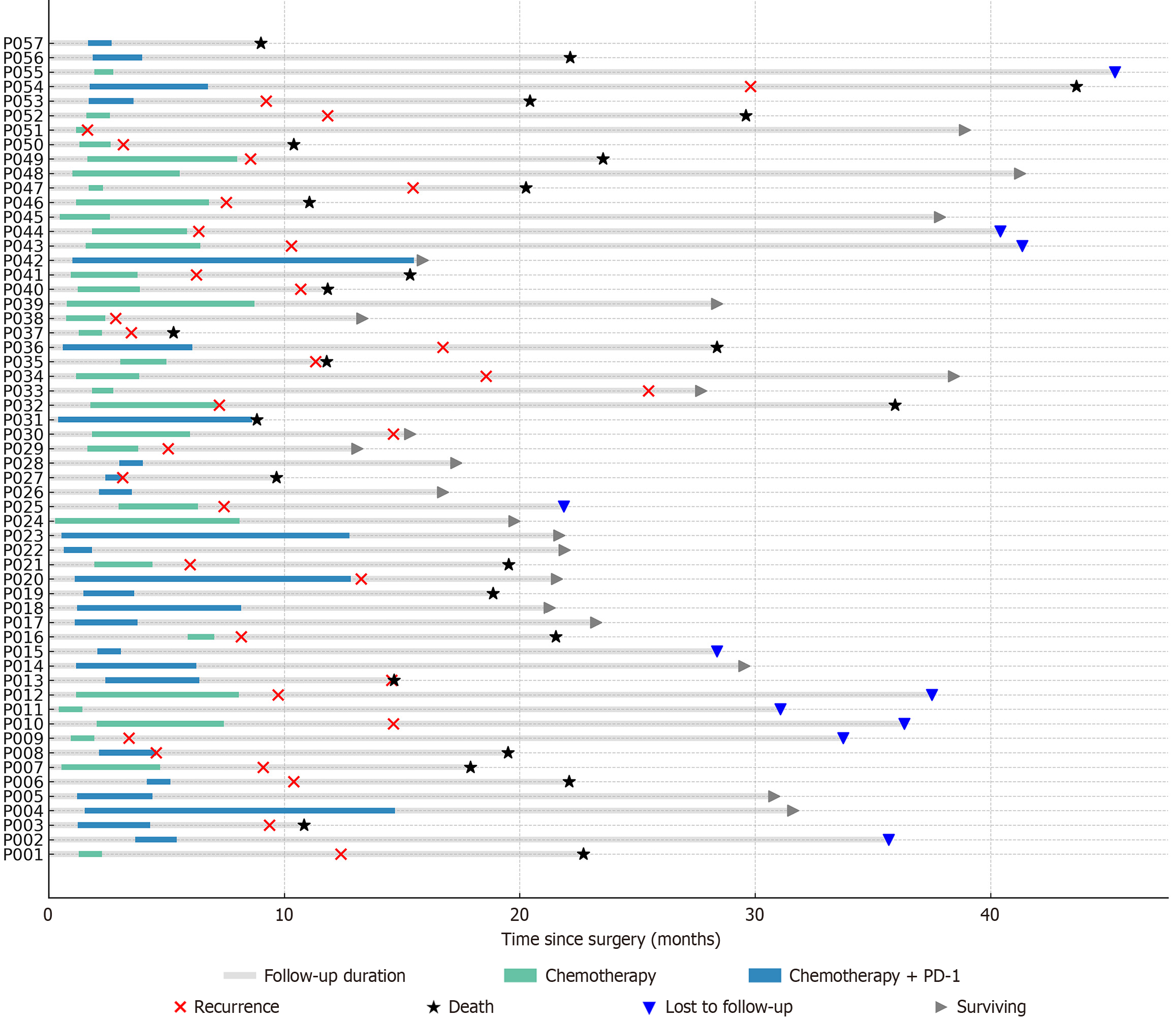
Figure 2 Swimmer plot depicting individual treatment courses and outcomes.
Each horizontal bar represents one patient’s clinical course. Gray bars indicate total follow-up duration; green segments represent chemotherapy alone; blue segments denote chemo-immunotherapy. Red crosses (x) indicate recurrence, black stars (★) indicate death, gray arrows (►) indicate survival at last follow-up, and downward blue triangles (▼) indicate loss to follow-up. The X-axis reflects months from surgery. PD-1: Programmed death-1.
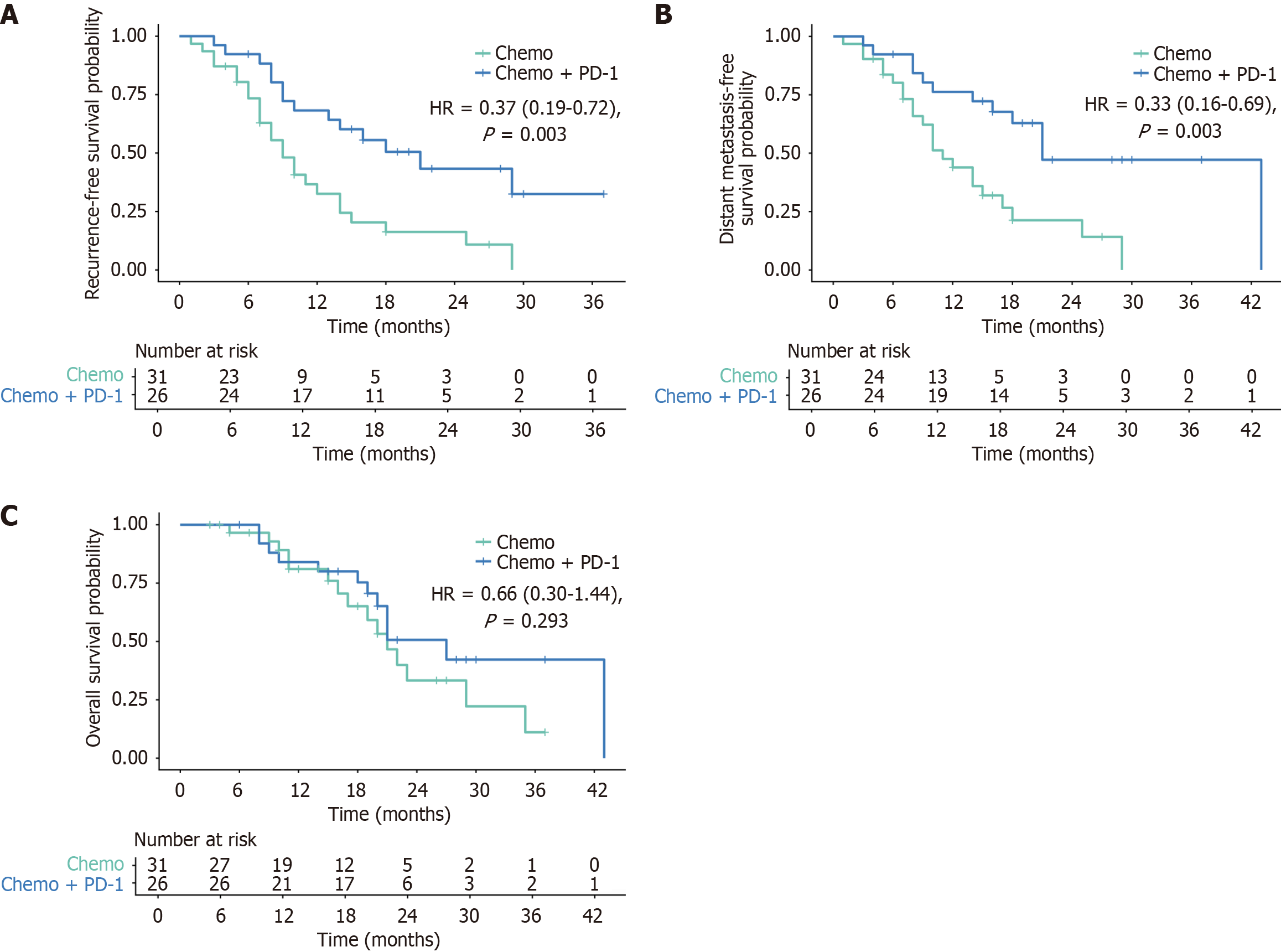
Figure 3 Kaplan-Meier survival curves comparing adjuvant treatment groups.
A: Recurrence-free survival was significantly longer in the Chemo + programmed death-1 (PD-1) group [hazard ratio (HR) = 0.37, 95% confidence interval (CI): 0.19-0.72; P = 0.003]; B: Distant metastasis-free survival was significantly prolonged in the Chemo + PD-1 group (HR = 0.33, 95%CI: 0.16-0.69; P = 0.003); C: Overall survival favored the Chemo + PD-1 group but was not statistically significant (HR = 0.66, 95%CI: 0.30-1.44; P = 0.293). The number of patients at risk is shown below each curve. PD-1: Programmed death-1; HR: Hazard ratio.
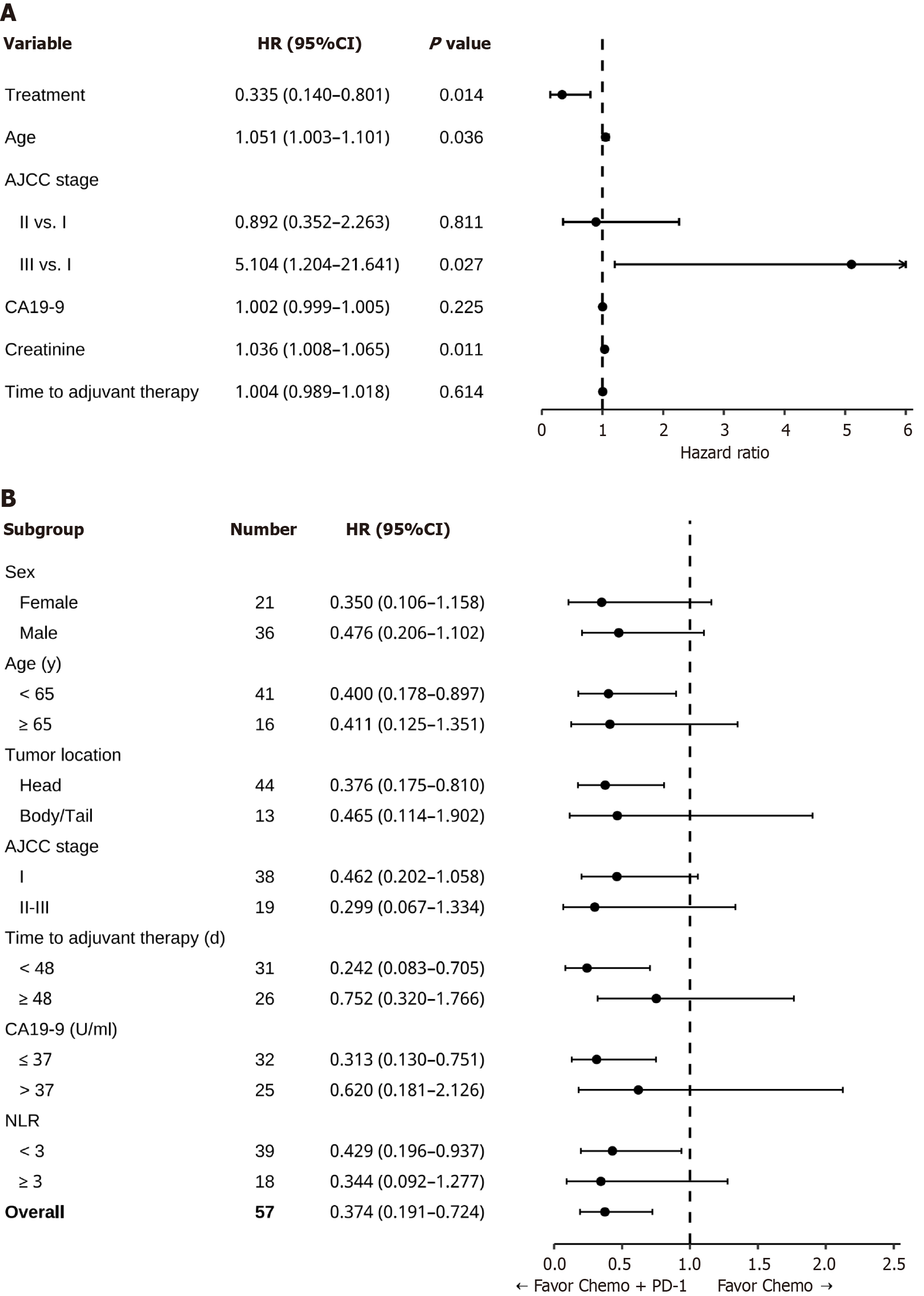
Figure 4 Forest plot of multivariable Cox regression analysis for recurrence-free survival and forest plot of subgroup analyses for recurrence-free survival.
A: Independent predictors of recurrence-free survival included programmed death-1 (PD-1) treatment, younger age, advanced American Joint Committee on Cancer (AJCC) stage, and elevated baseline serum creatinine. Hazard ratio (HR) and 95% confidence interval are displayed. HR < 1 indicates a lower risk of recurrence; B: Subgroups included sex, age, tumor location, AJCC stage, interval from surgery to adjuvant therapy, baseline carbohydrate antigen 19-9, and neutrophil-to-lymphocyte ratio. Hazard ratios across subgroups consistently favored the Chemo + PD-1 group. No significant interaction effects were observed. AJCC: American Joint Committee on Cancer; CA19-9: Carbohydrate antigen 19-9; HR: Hazard ratio; CI: Confidence interval; NLR: Neutrophil-to-lymphocyte ratio.
- Citation: Cao T, Deng XL, Xiao J, Tao XH, Xiang XL, Qiu M, Liang XY. Adjuvant programmed death-1 inhibition combined with chemotherapy in resected pancreatic cancer: A real-world cohort study. World J Gastrointest Oncol 2026; 18(6): 117057
- URL: https://www.wjgnet.com/1948-5204/full/v18/i6/117057.htm
- DOI: https://dx.doi.org/10.4251/wjgo.v18.i6.117057