
















Copyright: ©Author(s) 2026.
World J Gastrointest Oncol. Jun 15, 2026; 18(6): 116624
Published online Jun 15, 2026. doi: 10.4251/wjgo.v18.i6.116624
Published online Jun 15, 2026. doi: 10.4251/wjgo.v18.i6.116624
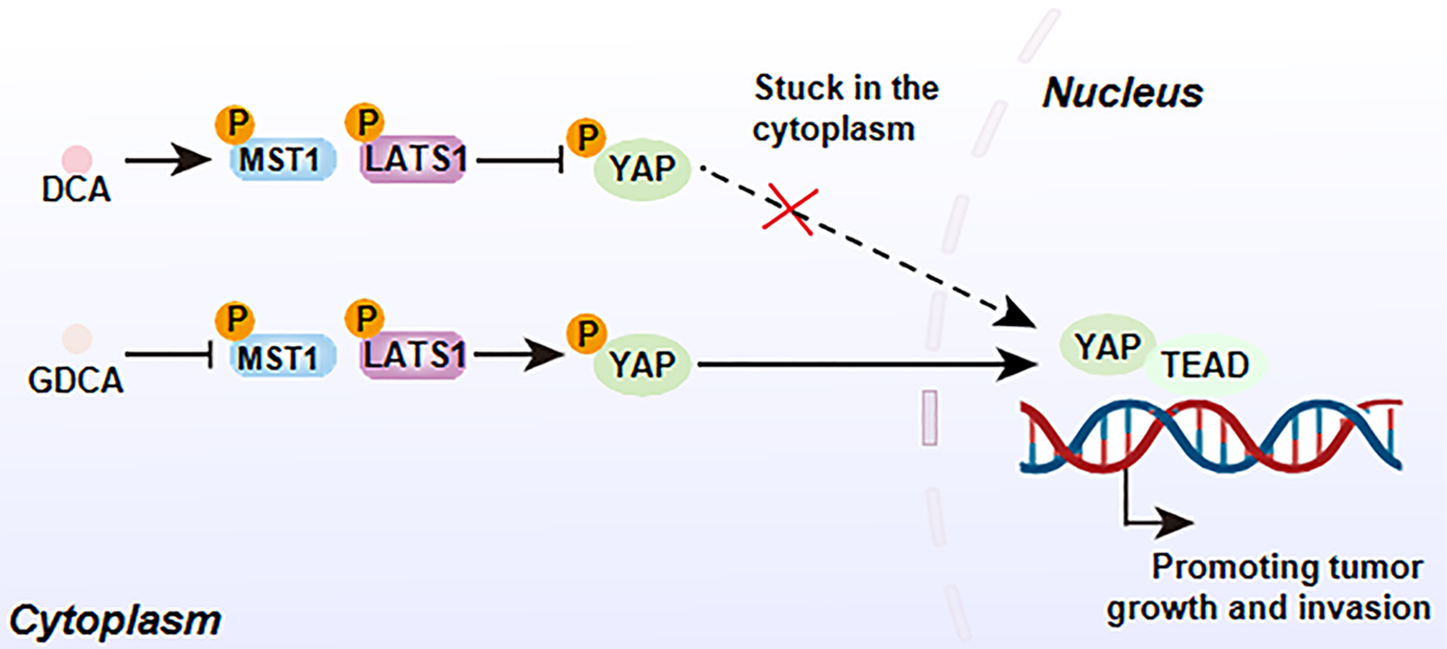
Figure 1 Glycodeoxycholic acid and deoxycholic acid exert opposing effects on yes-associated protein activation via the mammalian STE20-like protein kinase 1/large tumor suppressor kinase 1 axis.
Glycodeoxycholic acid inhibits the phosphorylation of mammalian STE20-like protein kinase 1 and large tumor suppressor kinase 1, thereby promoting yes-associated protein phosphorylation and nuclear translocation, which subsequently activates the expression of genes associated with tumor migration and invasion. In contrast, deoxycholic acid exerts the opposite regulatory effect. GDCA: Glycodeoxycholic acid; DCA: Deoxycholic acid; MST1: Mammalian STE20-like protein kinase 1; LATS1: Large tumor suppressor kinase 1; YAP: Yes-associated protein; TEAD: Transcriptional enhanced associate domain.
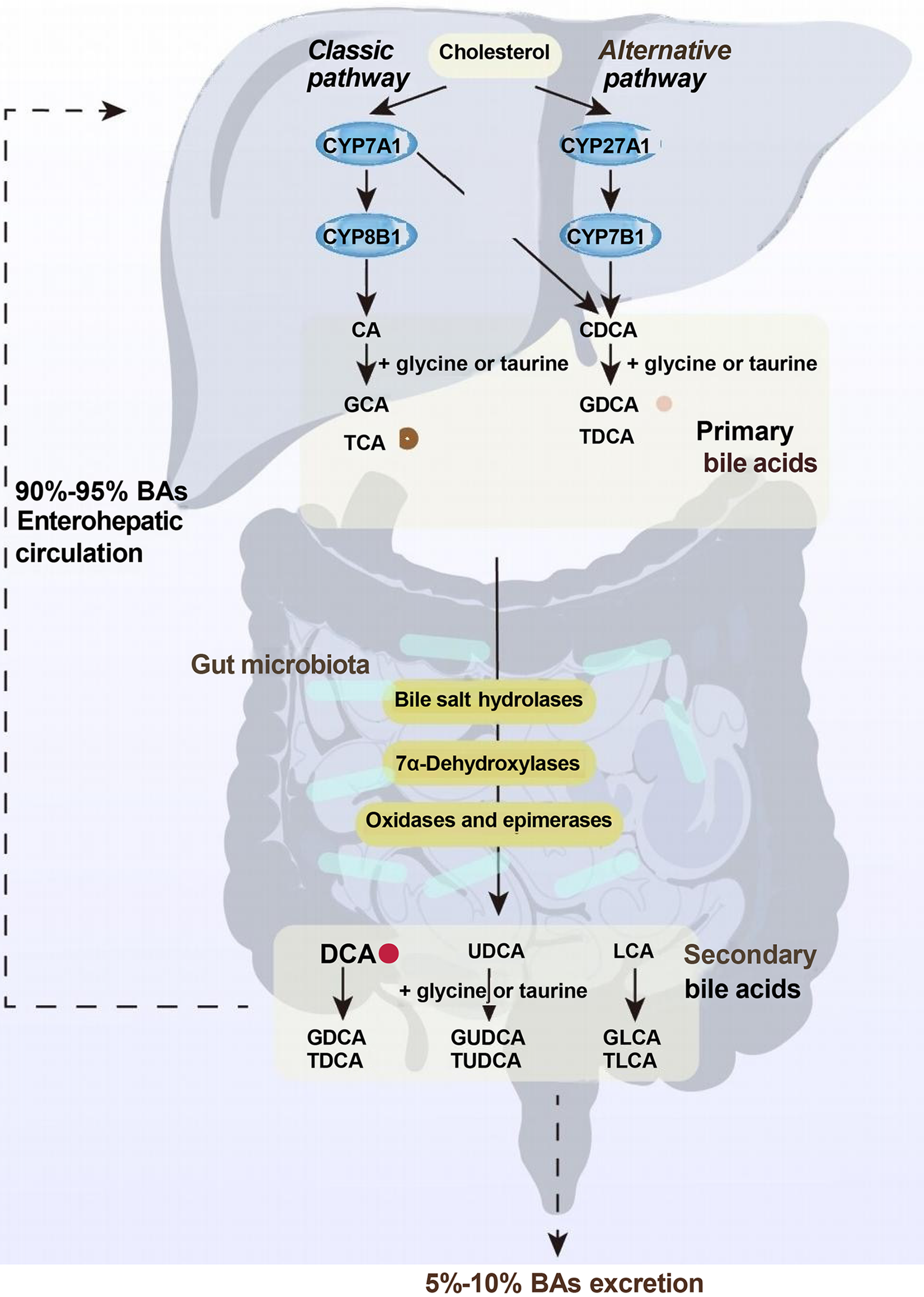
Figure 2 Primary bile acids are synthesized in the liver from cholesterol via the classical or alternative pathway.
Upon entering the intestine, they are metabolized by gut microbiota into secondary bile acids. Approximately 90%-95% of these are reabsorbed in the terminal ileum and recycled by the liver through enterohepatic circulation. BA: Bile acid; CA: Cholic acid; GCA: Glycocholic acid; TCA: Taurocholic acid; CDCA: Chenodeoxycholic acid; GDCA: Glycodeoxycholic acid; TDCA: Taurodeoxycholic acid; DCA: Deoxycholic acid; UDCA: Ursodeoxycholic acid; GUDCA: Glycoursodeoxycholic acid; TUDCA: Tauroursodeoxycholic acid; LCA: Lithocholic acid; GLCA: Glycolithocholic acid; TLCA: Taurolithocholic acid.
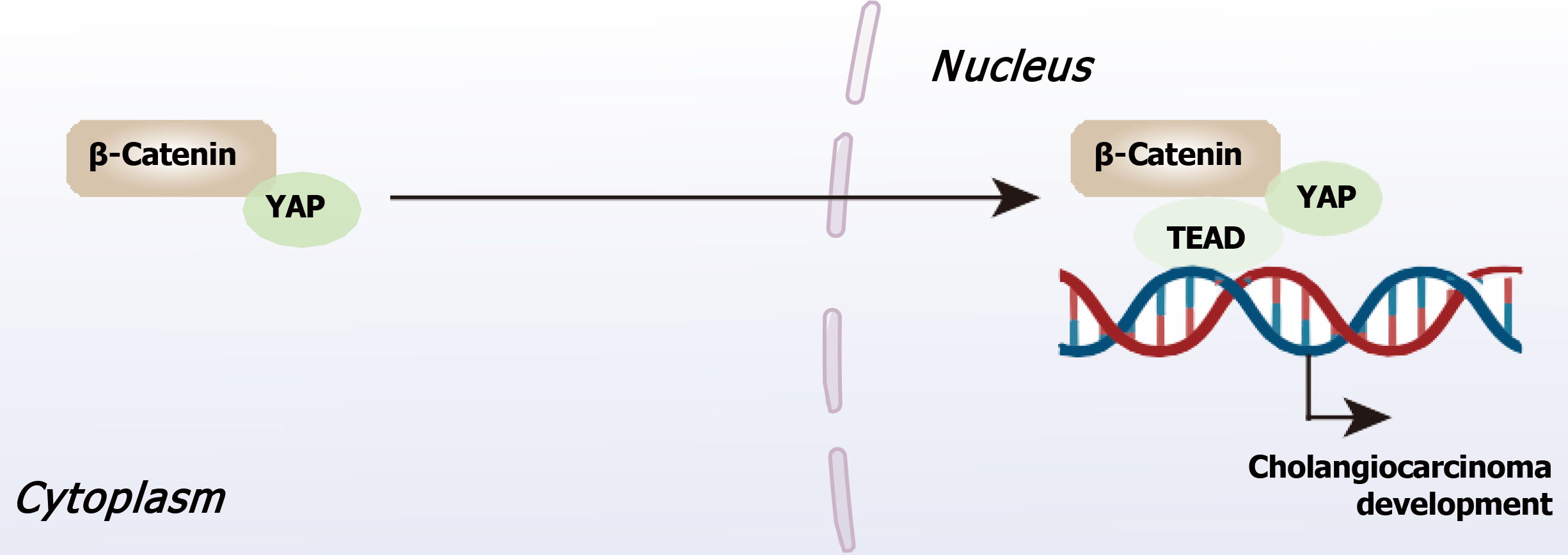
Figure 3 Yes-associated protein/β-catenin-transcriptional enhanced associate domain complex drives oncogenic transcription.
Yes-associated protein interacts with β-catenin to form a potent transcriptionally active yes-associated protein-transcriptional enhanced associate domain-β-catenin ternary complex, which drives the expression of pro-oncogenic genes. YAP: Yes-associated protein; TEAD: Transcriptional enhanced associate domain.
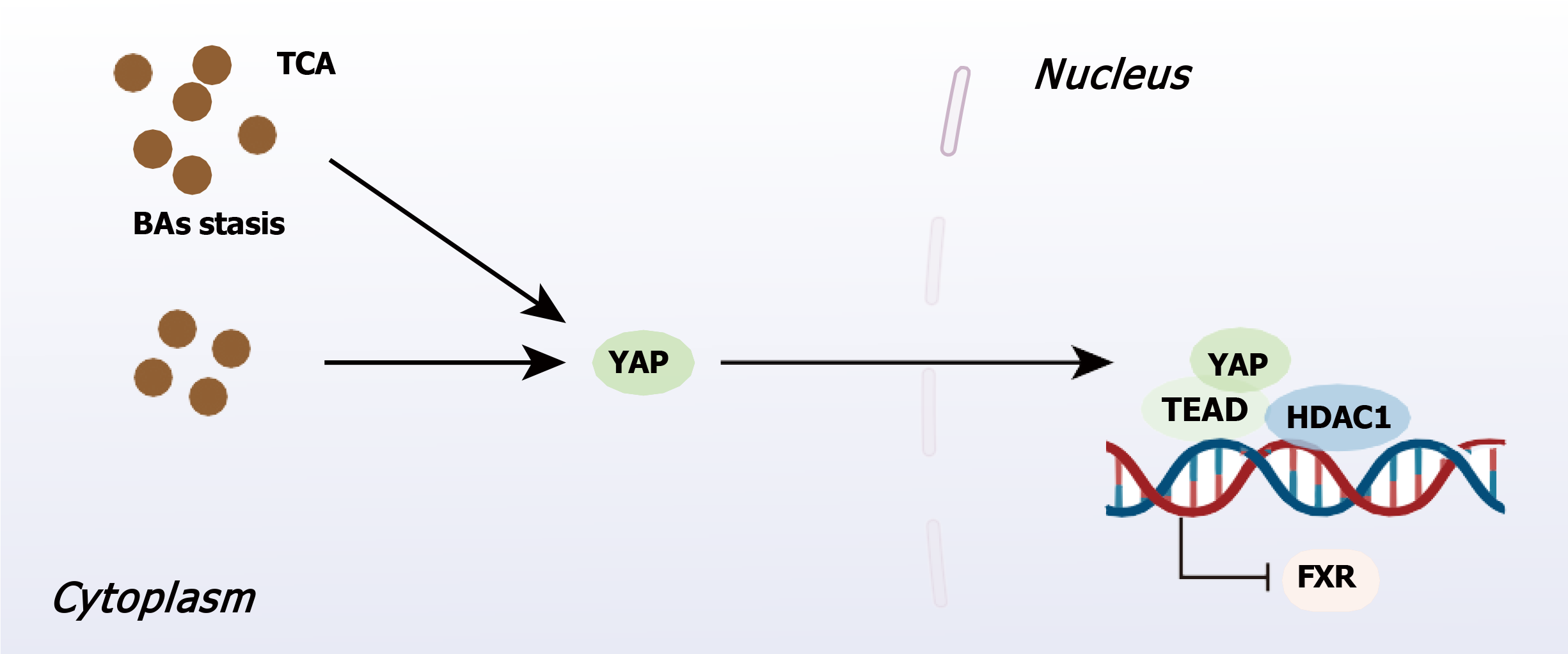
Figure 4 Yes-associated protein-mediated transcription inhibition and feedback activation of farnesoid X receptor by taurocholate.
Yes-associated protein (YAP) activated by taurocholic acid recruits histone deacetylase 1 through the YAP-transcriptional enhanced associate domain complex, thereby suppressing the transcriptional activity of farnesoid X receptor. Concurrently, accumulated taurocholic acid further activates YAP through a feedback mechanism involving receptors such as sphingosine 1-phosphate receptor 2. YAP: Yes-associated protein; TEAD: Transcriptional enhanced associate domain; HDAC: Histone deacetylase; FXR: Farnesoid X receptor; TCA: Taurocholic acid; BA: Bile acid.
- Citation: Wu KL, Guo D, Yang L, Li YQ, Wu YX, Zhou CF, Tang JF. Letter to the Editor: Bile acids in cholangiocarcinoma: Dual regulation via the hippo-yes-associated protein pathway and model limitations. World J Gastrointest Oncol 2026; 18(6): 116624
- URL: https://www.wjgnet.com/1948-5204/full/v18/i6/116624.htm
- DOI: https://dx.doi.org/10.4251/wjgo.v18.i6.116624