
















Copyright: ©Author(s) 2026.
World J Gastrointest Oncol. Apr 15, 2026; 18(4): 115511
Published online Apr 15, 2026. doi: 10.4251/wjgo.v18.i4.115511
Published online Apr 15, 2026. doi: 10.4251/wjgo.v18.i4.115511
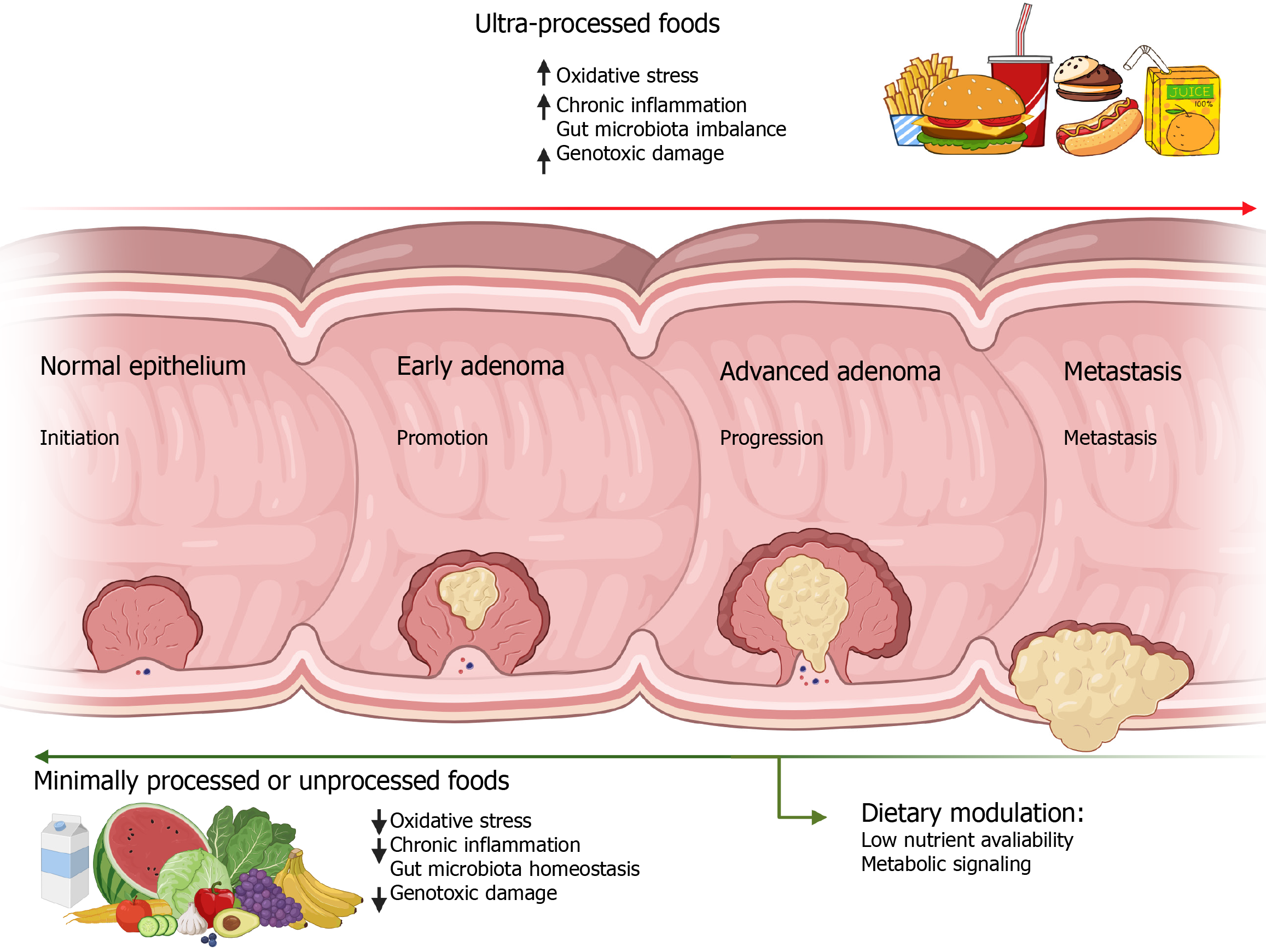
Figure 1 Diet as a bidirectional modulator of colorectal carcinogenesis and metabolic signaling.
Schematic representation of the adenoma-carcinoma sequence aligned with the biological stages of carcinogenesis. Ultra-processed food-rich dietary patterns may exacerbate oxidative stress, chronic inflammation, gut microbiota imbalance, and genotoxic damage, thereby promoting tumor initiation and progression. In contrast, minimally processed or unprocessed foods, as well as metabolically targeted dietary modulation, may support colorectal health by reducing these processes through limited nutrient availability and altered metabolic signaling, potentially influencing colorectal cancer development across different stages and molecular contexts. Created in BioRender (Supplementary material).
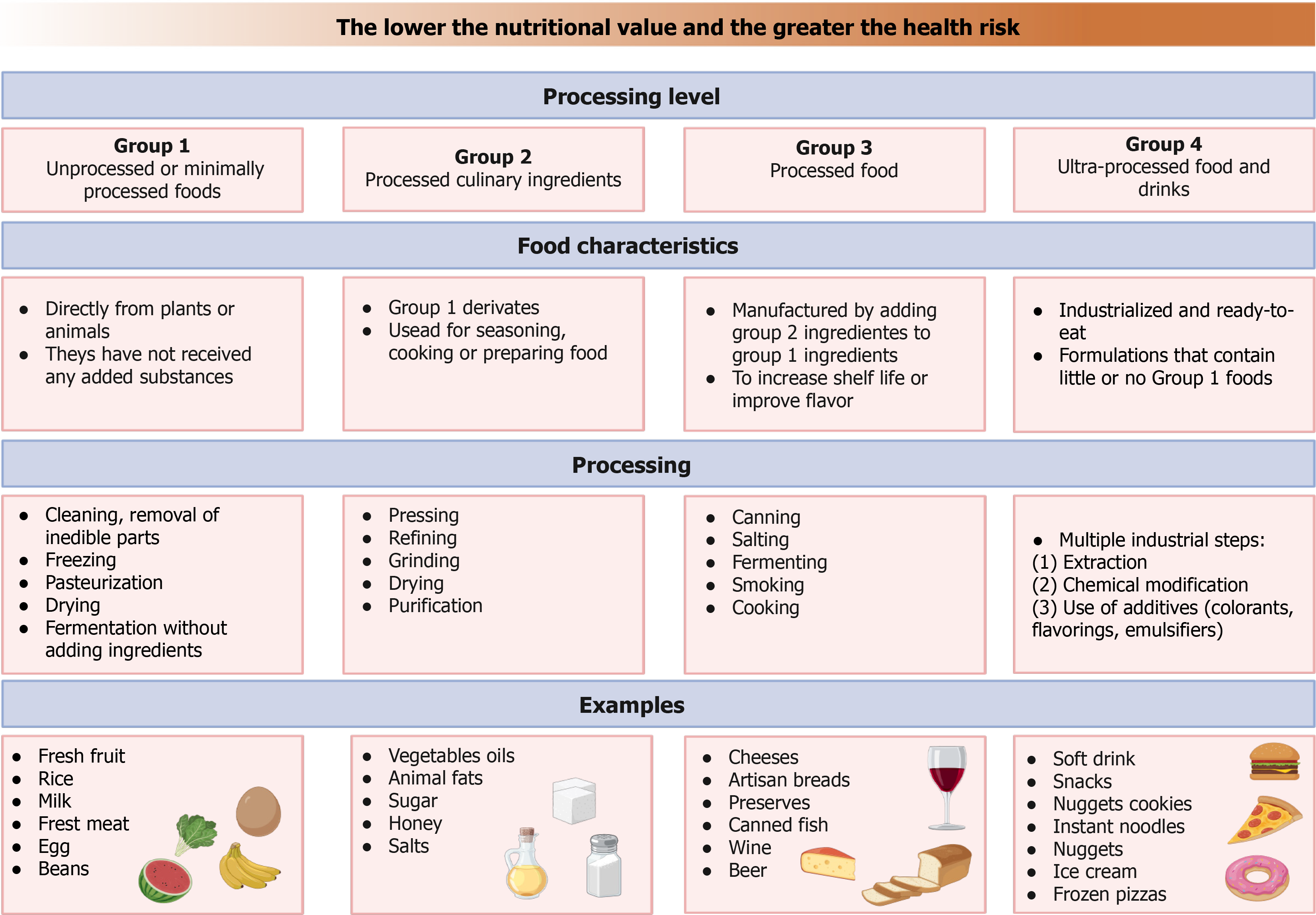
Figure 2 Classification of foods according to the degree of processing (NOVA system).
Foods are classified into four groups according to the NOVA system, based on the extent and purpose of industrial processing. Group 1: Unprocessed or minimally processed foods: Obtained directly from plants or animals, such as fruits, vegetables, meats, milk, and eggs, which undergo minimal processing like cleaning, removal of inedible parts, or pasteurization. Group 2: Processed culinary ingredients: Substances extracted from group 1 foods (e.g., oils, butter, sugar, and salt) used to season, cook, or prepare dishes. Group 3: Processed foods: Products manufactured by adding ingredients from group 2 to group 1 foods to enhance flavor or preservation, such as cheeses, breads, and canned vegetables. Group 4: Ultra-processed foods: Industrial formulations made mostly or entirely from substances derived from foods and additives, with little or no intact group 1 ingredients, including soft drinks, snacks, instant noodles, and frozen meals. Recommendation: Prioritize foods from groups 1 and 2, consume those from group 3 in moderation, and avoid those from group 4. Created in BioRender (Supplementary material).
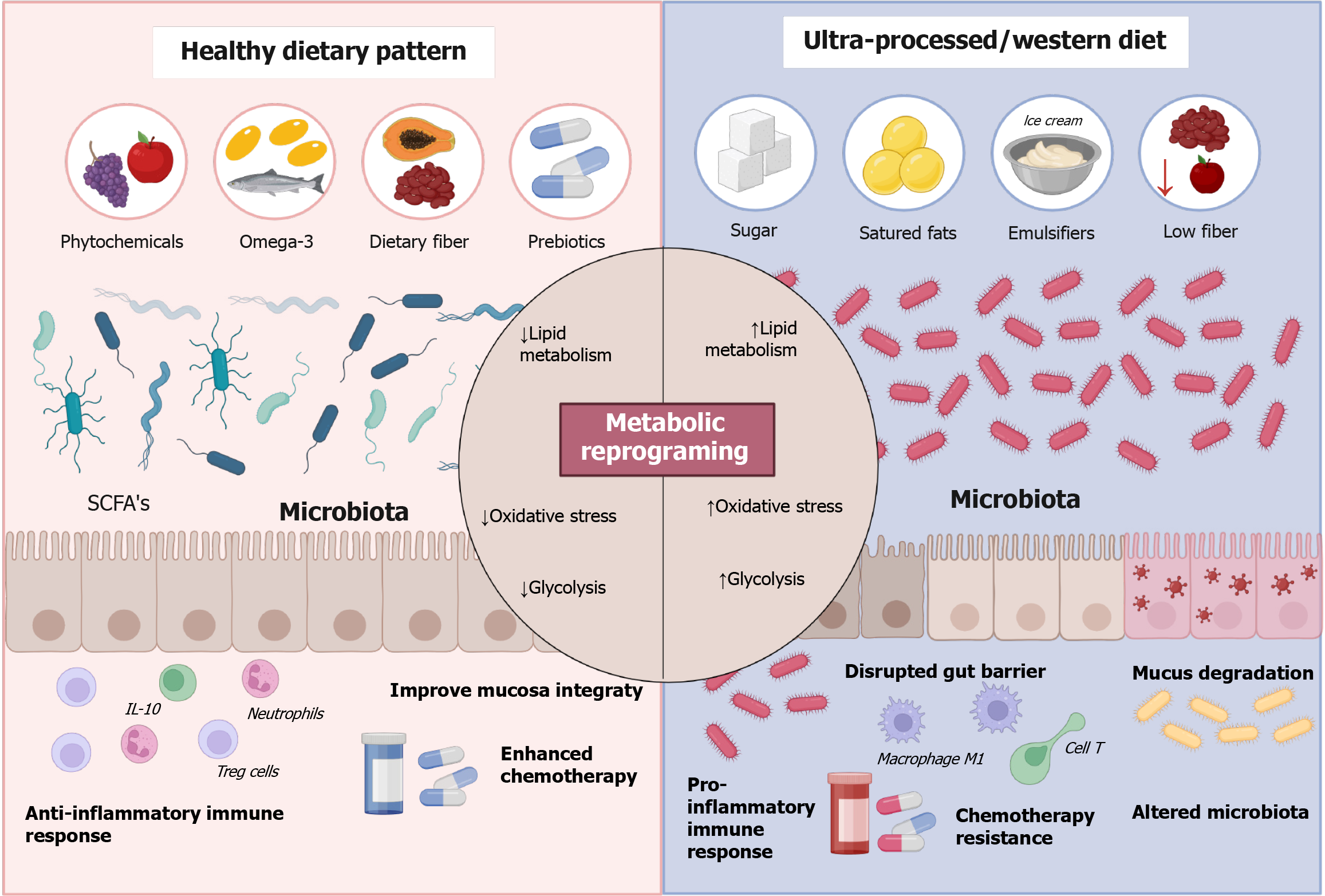
Figure 3 Effects of dietary patterns on metabolic reprogramming, gut integrity, and colorectal cancer risk and progression.
A healthy dietary pattern, characterized by a higher intake of phytochemicals, omega-3 fatty acids, dietary fiber, and prebiotics, promotes a balanced microbiota, increased production of short-chain fatty acids, improved mucosal integrity, and an anti-inflammatory immune response, thereby enhancing chemotherapy efficacy. In contrast, an ultra-processed or Western diet, rich in sugars, saturated fats, emulsifiers, and low in fiber, leads to dysbiosis, mucus degradation, and gut barrier disruption, resulting in a pro-inflammatory immune response, metabolic reprogramming (increased glycolysis and lipid metabolism), oxidative stress, and chemotherapy resistance. Created in BioRender (Supplementary material). SCFA: Short-chain fatty acid; IL-10: Interleukin-10.
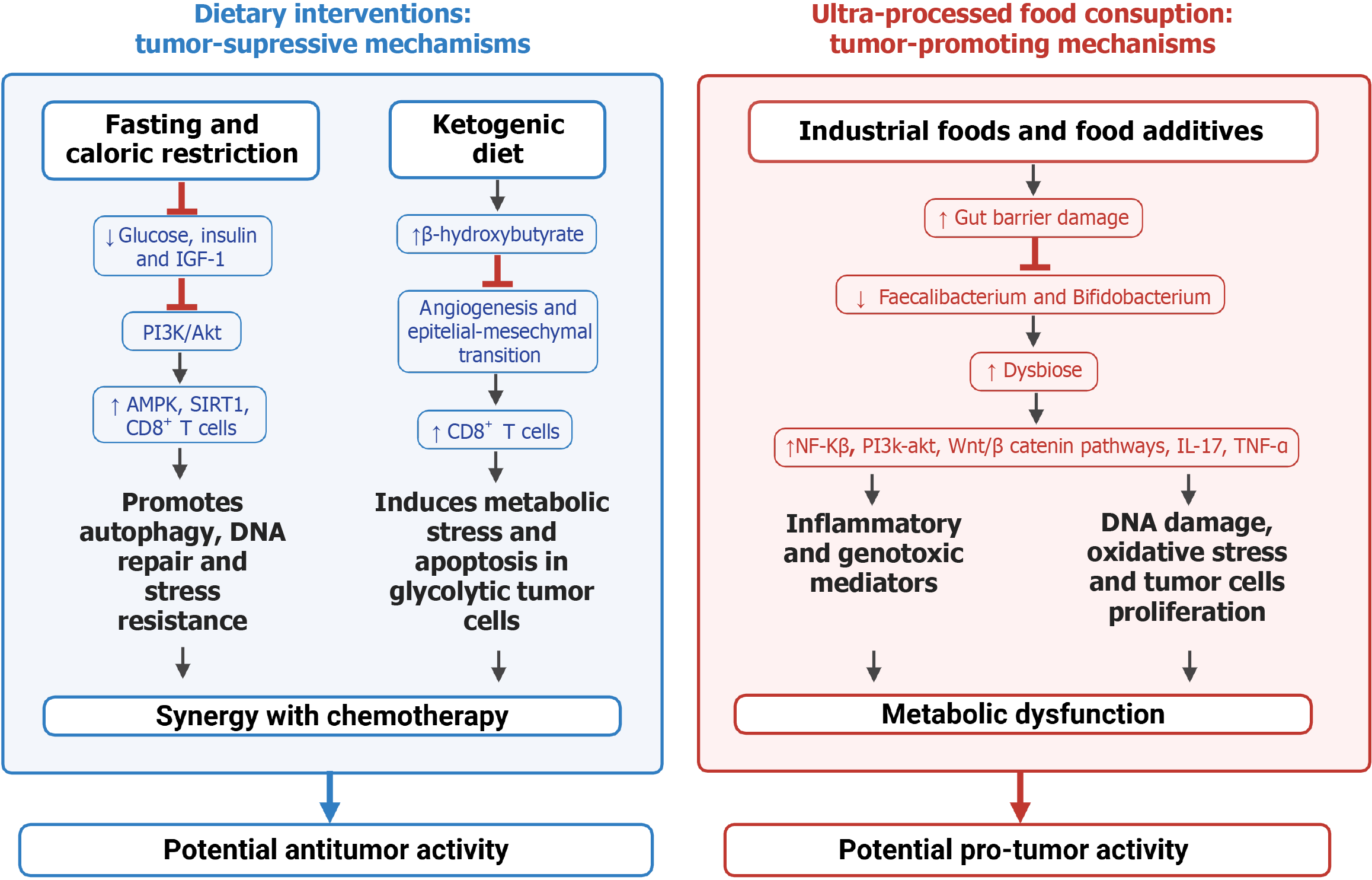
Figure 4 Contrasting mechanisms between dietary interventions and ultra-processed food consumption in tumor modulation.
Dietary interventions such as caloric restriction, fasting, and ketogenic diets exert tumor-suppressive effects by modulating metabolism and immune function. These strategies reduce glucose, insulin, and IGF-1 levels; inhibit the PI3K-Akt-mTOR pathway; promote autophagy, DNA repair, and stress resistance; and enhance antitumor immunity (↑ CD8+ T cells and NK cells, ↓ Tregs and myeloid-derived suppressor cells). Ketogenic diets further increase βHB production, induce apoptosis in glycolytic tumor cells, reduce angiogenesis and epithelial-mesenchymal transition, and act synergistically with chemotherapy. In contrast, ultra-processed food consumption promotes tumor development through multiple mechanisms. Industrial foods and additives (e.g., emulsifiers, colorants, sweeteners) contribute to gut dysbiosis, reducing beneficial bacteria (e.g., Faecalibacterium, Bifidobacterium) and increasing pro-tumor species (Fusobacterium nucleatum, Bacteroides fragilis). This results in gut barrier impairment, inflammation, and activation of oncogenic pathways (NF-κB, PI3K-Akt, Wnt/β-catenin), leading to oxidative stress, DNA damage, and tumor proliferation. Highlighted processes: Metabolic reprogramming, immune activation, tumor suppression, inflammation, oxidative stress, DNA damage, and tumor growth. Created in BioRender (Supplementary material). IL-17: Interleukin-17.
- Citation: Lima RSP, Sousa JDS, Neres MSO, de Sousa DJM, Martins JA, Pereira IC, da Silva ACA, Severo JS, Torres-Leal FL, da Silva MTB. Colorectal cancer therapy and nutrition: From ultra-processed consumption to metabolic reprogramming. World J Gastrointest Oncol 2026; 18(4): 115511
- URL: https://www.wjgnet.com/1948-5204/full/v18/i4/115511.htm
- DOI: https://dx.doi.org/10.4251/wjgo.v18.i4.115511