
















Copyright: ©Author(s) 2026.
World J Gastrointest Oncol. Mar 15, 2026; 18(3): 116567
Published online Mar 15, 2026. doi: 10.4251/wjgo.v18.i3.116567
Published online Mar 15, 2026. doi: 10.4251/wjgo.v18.i3.116567
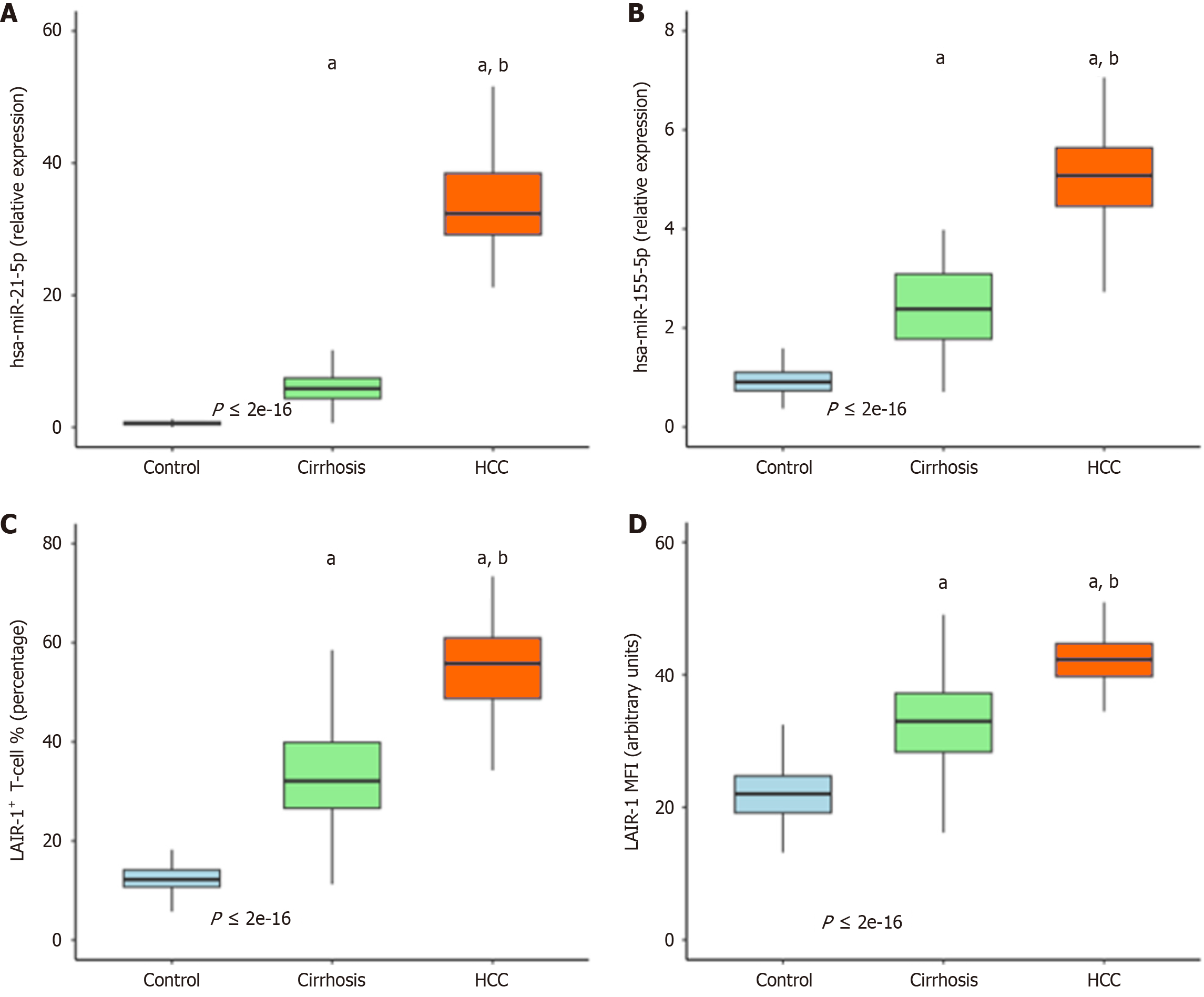
Figure 1 Plasma microRNA and leukocyte-associated immunoglobulin-like receptor-1 mean fluorescence intensity expression levels across study groups.
A: Hsa-miR-21-5p; B: Hsa-miR-155-5p; C: The percentage of leukocyte-associated immunoglobulin-like receptor-1 (LAIR-1)+ T cells (LAIR-1+ TC %); D: LAIR-1 mean fluorescence intensity in healthy controls (n = 81), patients with cirrhosis (n = 60), and patients with hepatocellular carcinoma (HCC, n = 70). The box represents the interquartile range, the line inside the box is the median, and the whiskers extend to the minimum and maximum values. P < 0.001 for Kruskal-Wallis test for all biomarkers; post hoc analysis with Bonferroni correction confirmed that these differences were statistically significant for all pairwise comparisons (HCC vs cirrhosis, HCC vs control, cirrhosis vs control) for all biomarkers (adjusted P < 0.01 for all comparisons). aP < 0.01 vs control. bP < 0.01 vs cirrhosis group. LAIR-1: Leukocyte-associated immunoglobulin-like receptor-1.
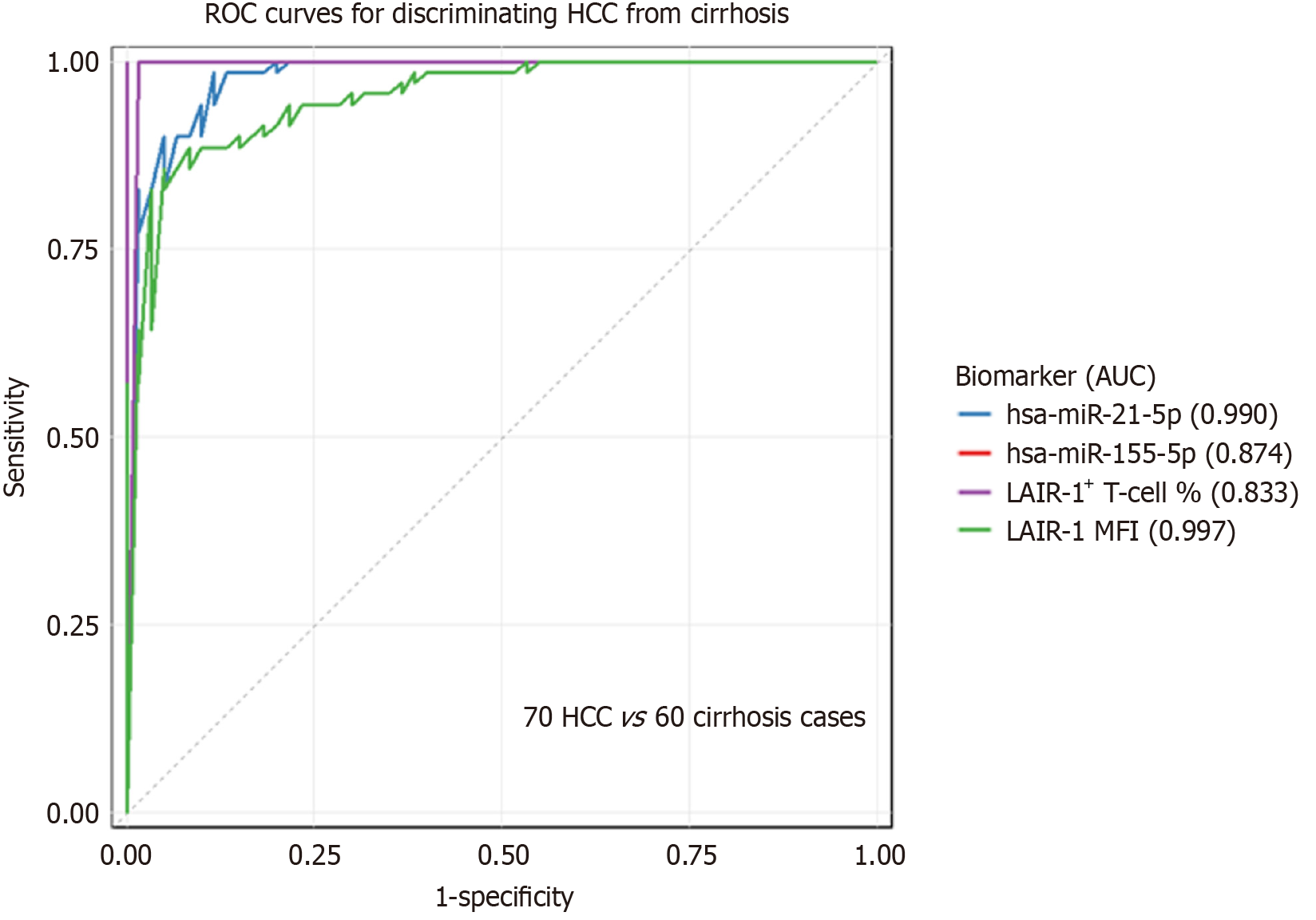
Figure 2 Receiver operating characteristic curves for discriminating hepatocellular carcinoma from cirrhosis.
Receiver operating characteristic (ROC) curves illustrate the diagnostic performance of plasma hsa-miR-21-5p, hsa-miR-155-5p, leukocyte-associated immunoglobulin-like receptor-1 (LAIR-1)+ T cell %, and LAIR-1 mean fluorescence intensity (MFI). The dashed diagonal line represents the line of no discrimination (area under the curve [AUC] = 0.5). The corresponding AUC values with 95% confidence intervals are provided in the inset. Analysis was based on 70 hepatocellular carcinoma (HCC) cases vs 60 cirrhosis cases.
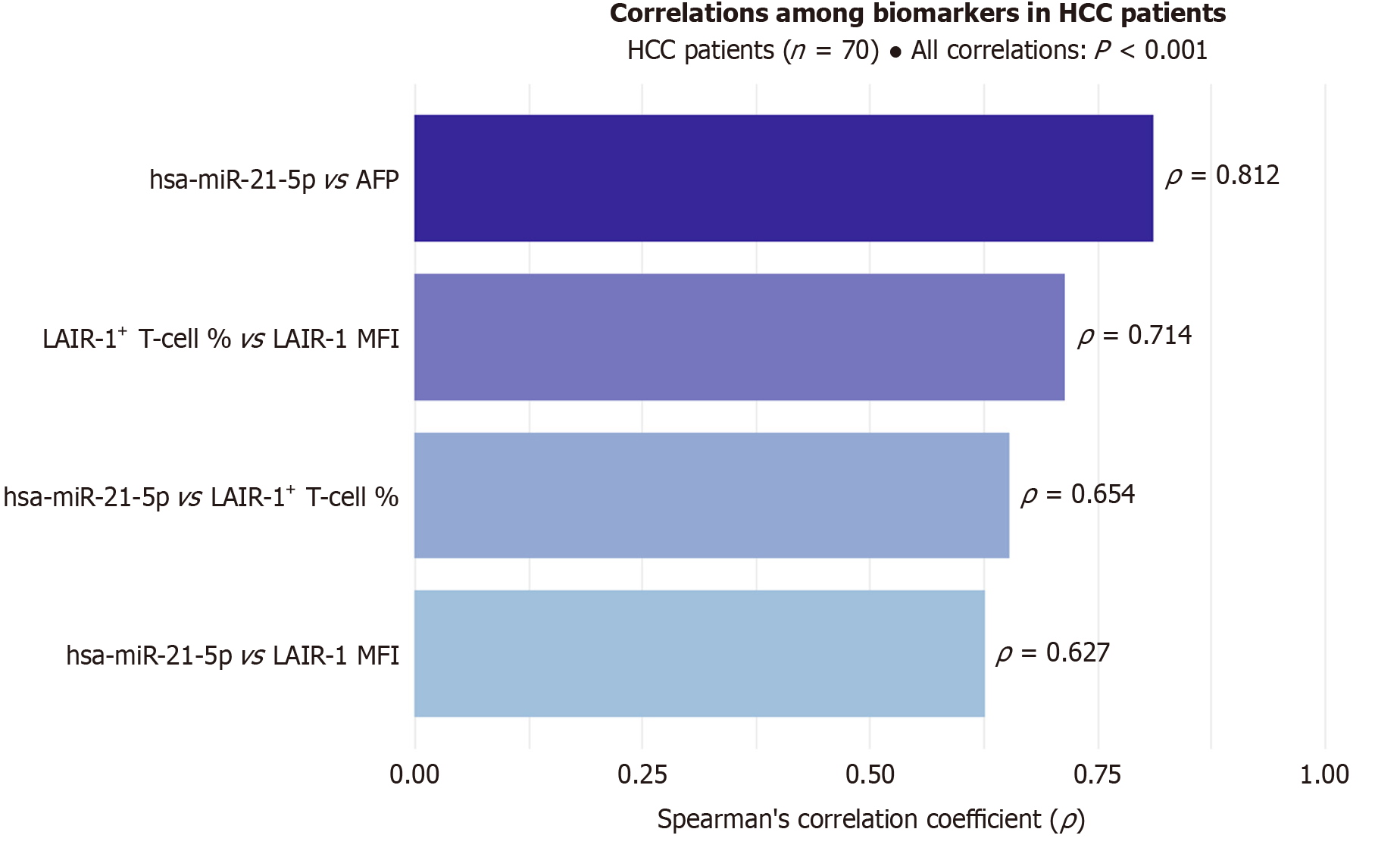
Figure 3 Correlation matrix of biomarkers in the hepatocellular carcinoma cohort.
Spearman’s rank correlation coefficients (ρ) among hsa-miR-21-5p, hsa-miR-155-5p, leukocyte-associated immunoglobulin-like receptor-1 (LAIR-1)+ T cell % and mean fluorescence intensity (MFI), and alpha-fetoprotein (AFP) in patients with hepatocellular carcinoma (HCC) (n = 70). The color intensity and size of the circles are proportional to the strength of the correlation with blue indicating positive correlations. Statistical significance for all shown correlations was P < 0.001.
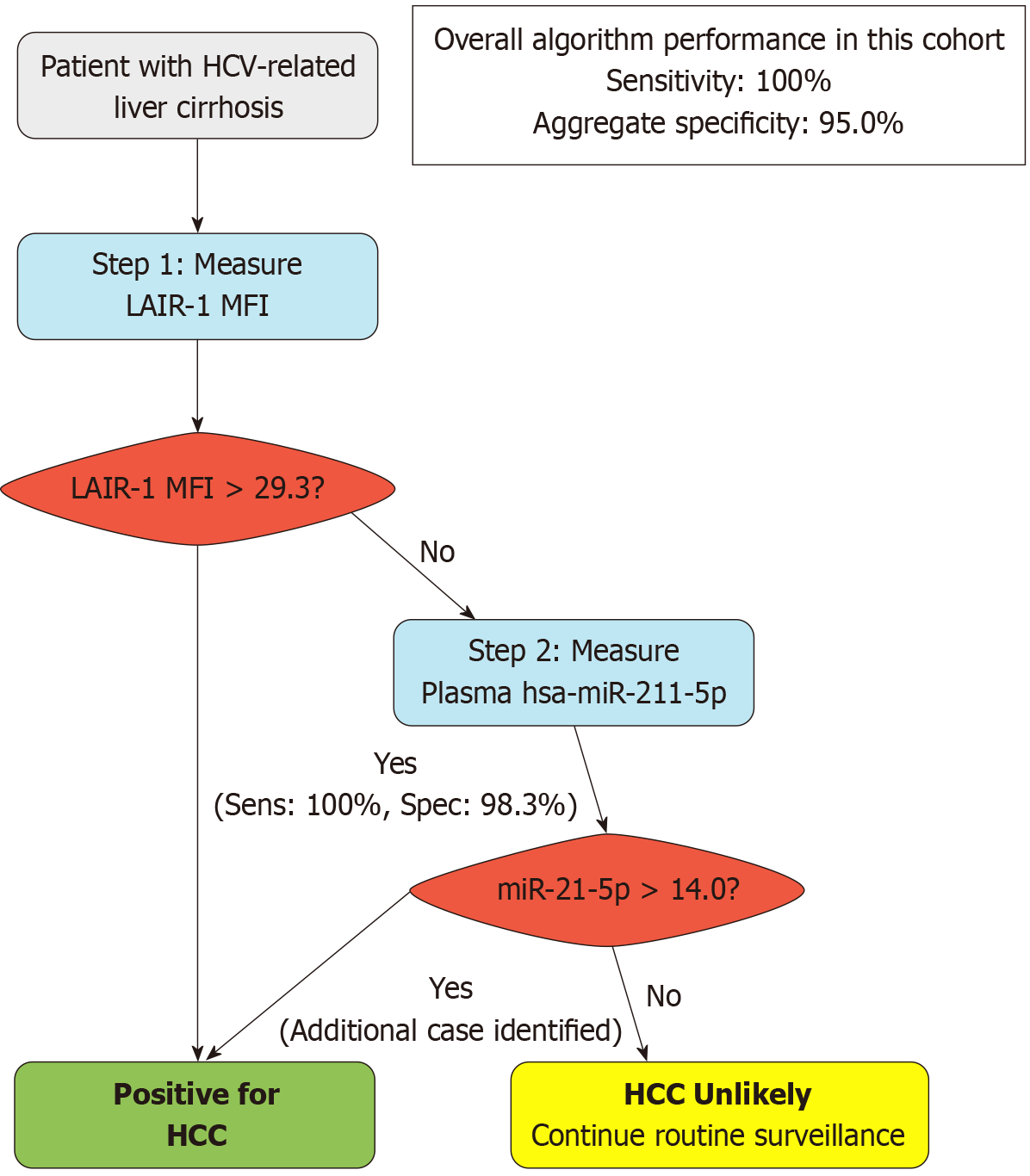
Figure 4 Proposed sequential diagnostic algorithm for hepatocellular carcinoma detection in patients with cirrhosis.
The clinical workflow leverages the complementary strengths of immune and molecular biomarkers. Step 1 employs T cell leukocyte-associated immunoglobulin-like receptor-1 (LAIR-1) with perfect sensitivity (100%); values exceeding the 293 threshold trigger immediate diagnostic imaging. Step 2 applies plasma hsa-miR-21-5p quantification to individuals negative for LAIR-1 mean fluorescence intensity (MFI), capturing residual hepatocellular carcinoma (HCC) cases. In this cohort the integrated algorithm achieved 100% sensitivity with 95.0% aggregate specificity for distinguishing HCC from cirrhosis, representing a robust strategy for improving surveillance accuracy. HCV: Hepatitis C virus.
- Citation: Sherief DE, Shehata HH, Nosair N, Othman AAA, Sadaka E, Elgamal R. Dual-parameter liquid biopsy using plasma miR-21-5p and T cell LAIR-1 mean fluorescence intensity for hepatocellular carcinoma diagnosis in a high-risk Egyptian cohort. World J Gastrointest Oncol 2026; 18(3): 116567
- URL: https://www.wjgnet.com/1948-5204/full/v18/i3/116567.htm
- DOI: https://dx.doi.org/10.4251/wjgo.v18.i3.116567