
















Copyright: ©Author(s) 2026.
World J Gastrointest Oncol. Mar 15, 2026; 18(3): 115028
Published online Mar 15, 2026. doi: 10.4251/wjgo.v18.i3.115028
Published online Mar 15, 2026. doi: 10.4251/wjgo.v18.i3.115028
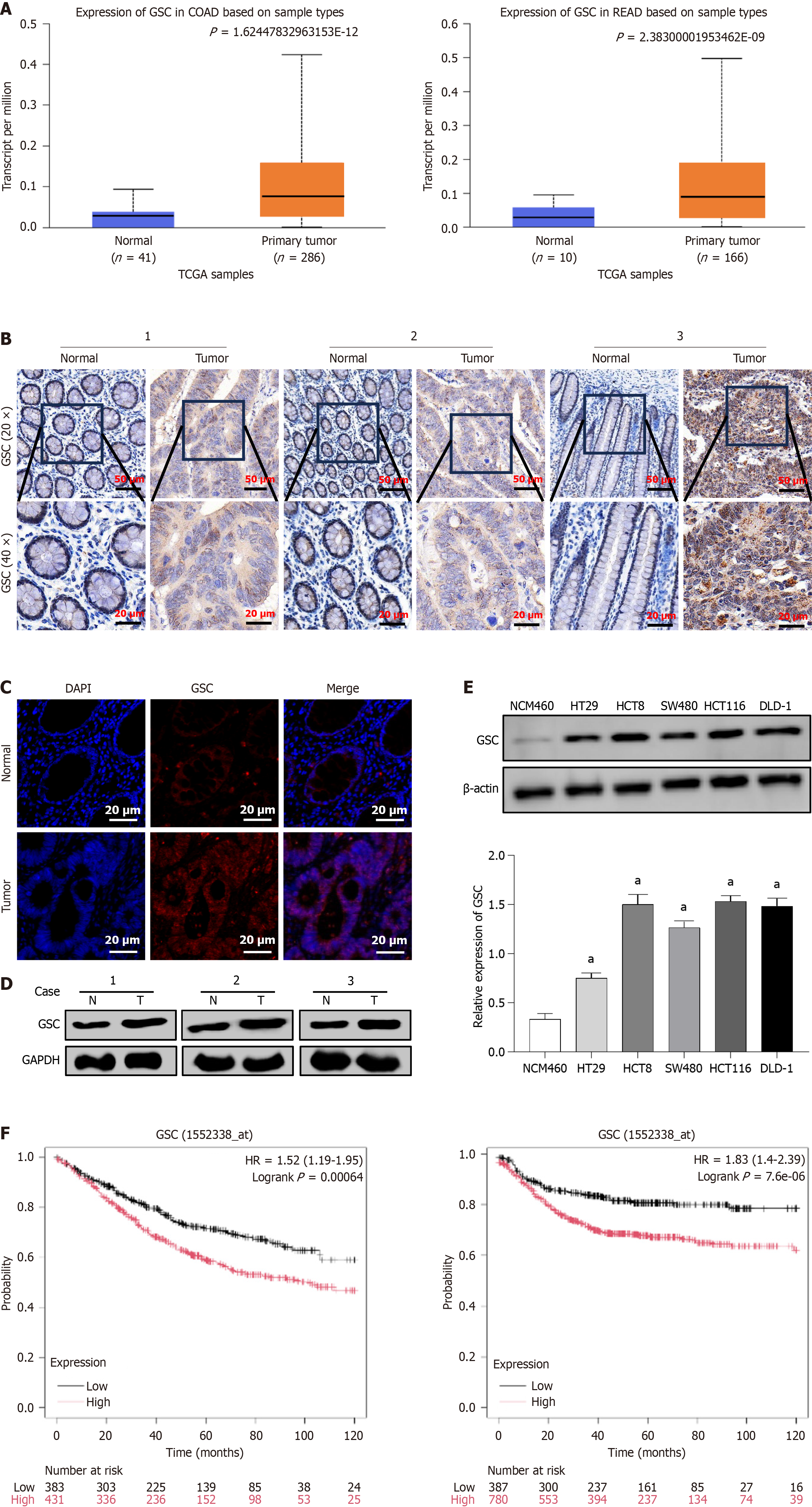
Figure 1 Prognostic significance and differential expression of goosecoid in colorectal cancer.
A: UALCAN database analysis showed that goosecoid (GSC) protein was significantly upregulated in colorectal cancer (CRC); B: Immunohistochemical staining revealing GSC expression in CRC specimens compared to matched non-cancerous tissues. Scale bar: 50 μm (20 ×); scale bar: 20 μm (40 ×); C: Immunofluorescence revealing GSC expression patterns and subcellular distribution in CRC tissues. Scale bar: 20 μm (40 ×); D: Immunoblot analysis of GSC protein levels in three paired CRC/normal tissue samples; E: GSC expression profiles across CRC cell lines (HCT29, HCT8, SW480, HCT116, and DLD-1) and normal colonic NCM460 cells; F: Kaplan-Meier curves demonstrating correlation between elevated GSC expression and reduced 10-year overall and recurrence-free survival. All data are the mean ± SD from three independent experiments. aP < 0.05. COAD: Colon adenocarcinoma; CRC: Colorectal cancer; GSC: Goosecoid; READ: Rectal adenocarcinoma; TCGA: The Cancer Genome Atlas.
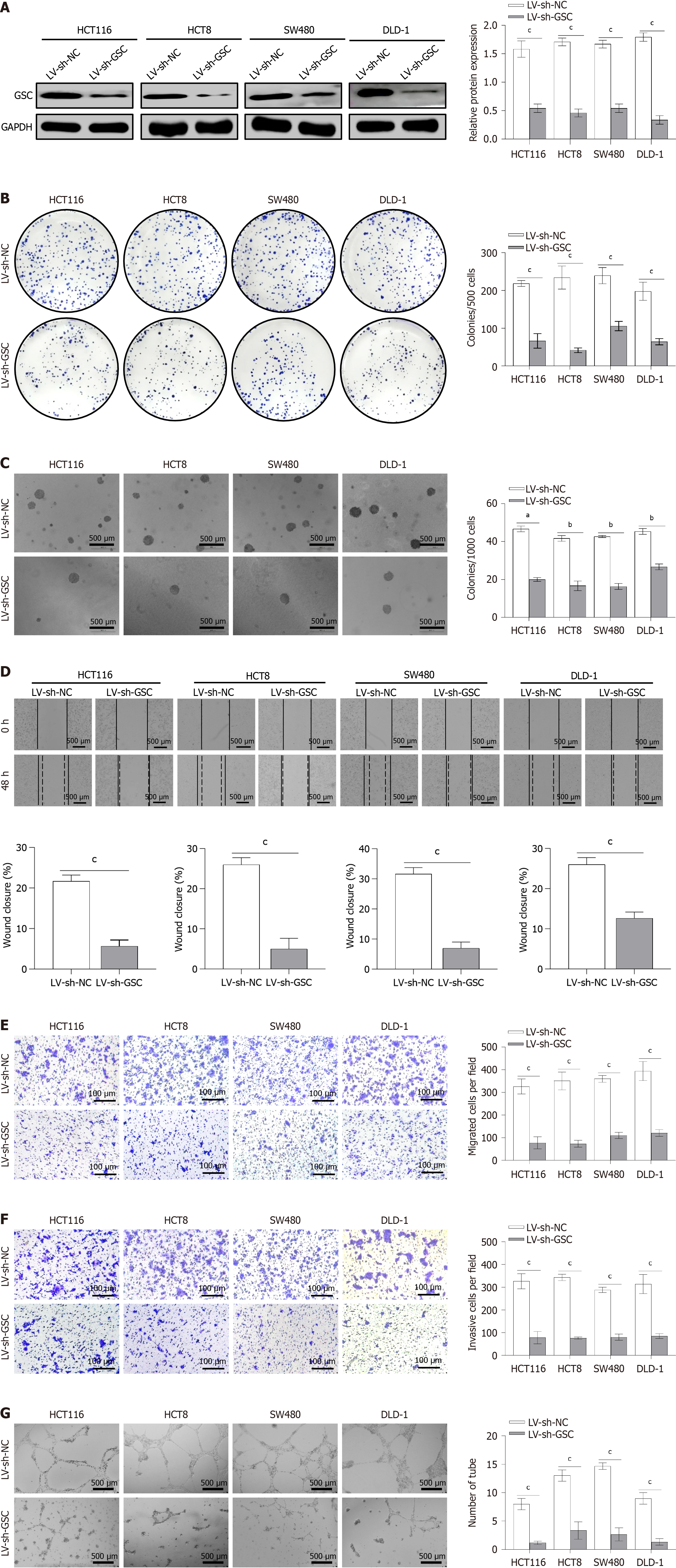
Figure 2 Goosecoid knockdown suppresses malignant phenotypes in colorectal cancer cells.
A: Western blotting analysis of goosecoid (GSC) expression in control and GSC-knockdown HCT116, HCT8, SW480, and DLD-1 cells; B and C: Colony formation and soft agar assays demonstrating the inhibitory effect of GSC knockdown on proliferative capacity; D: Wound healing assay showing impaired cell migration after GSC silencing. Images were acquired at 0 hour and 48 hours postscratching. Scale bar: 500 μm; E and F: Transwell migration and invasion assays illustrating the suppression of migratory and invasive properties upon GSC knockdown. Scale bar: 100 μm; G: Tube formation assay using HUVECs cultured in conditioned medium from control or GSC-knockdown colorectal cancer cells. Scale bar: 500 μm. All data are the mean ± SD from three independent experiments. aP < 0.05, bP < 0.01, cP < 0.001. GSC: Goosecoid.
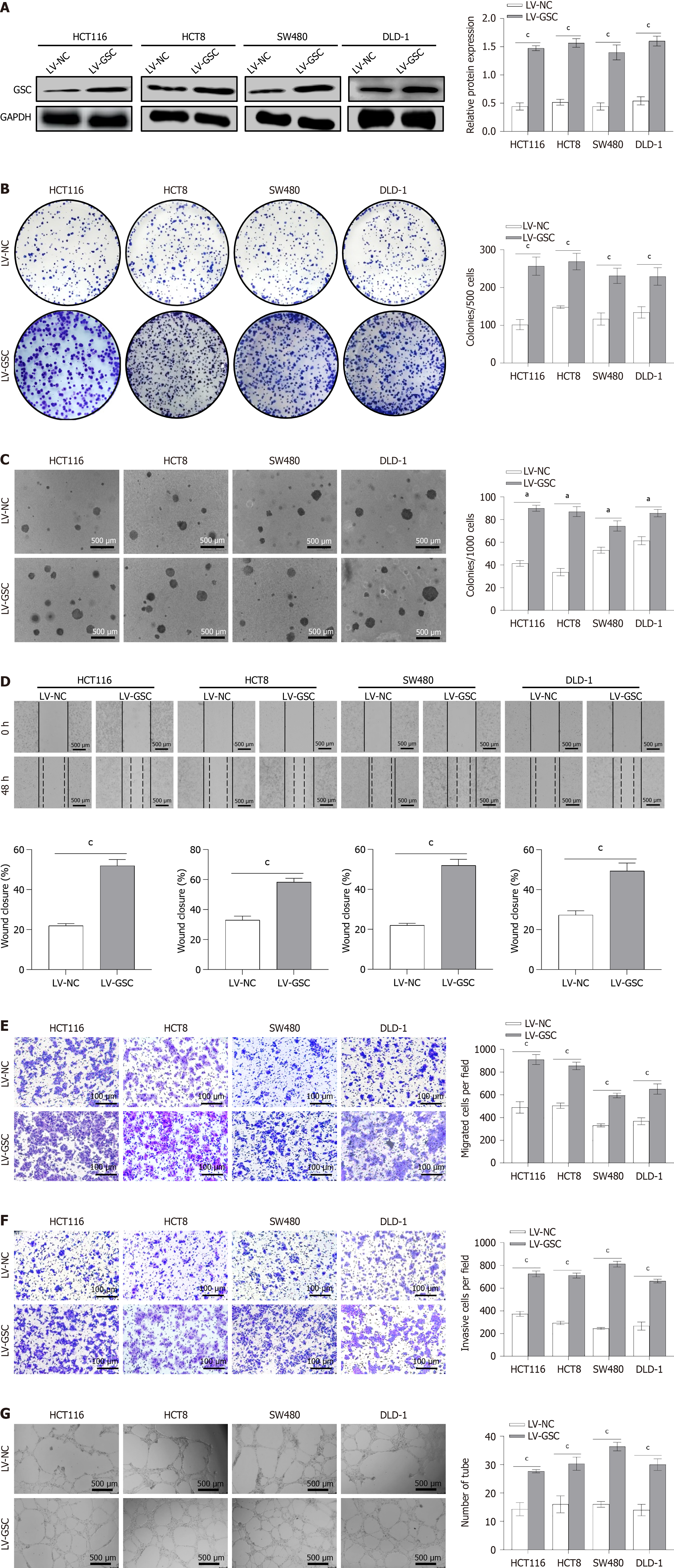
Figure 3 Goosecoid overexpression enhances malignant phenotypes in colorectal cancer cells.
A: Western blotting analysis confirming transduction efficiency of control and goosecoid (GSC)-overexpressing lentiviral vectors in HCT116, HCT8, SW480, and DLD-1 cells; B and C: Colony formation and soft agar assays assessing the proliferative advantage conferred by GSC overexpression; D: Wound healing assay demonstrating accelerated migration in GSC-overexpressing cells. Images of wound closure were taken at the indicated times (0 hour and 48 hours) after scratching. Scale bar, 500 μm; E and F: Transwell migration and invasion assays illustrating the promigratory and pro-invasive effects of GSC overexpression. Scale bar, 100 μm; G: Tube formation assay in HUVECs cultured with conditioned medium from control or GSC-overexpressing colorectal cancer cells. Scale bar, 500 μm. All data represent the mean ± SD from three independent experiments. aP < 0.05, cP < 0.001. GSC: Goosecoid.
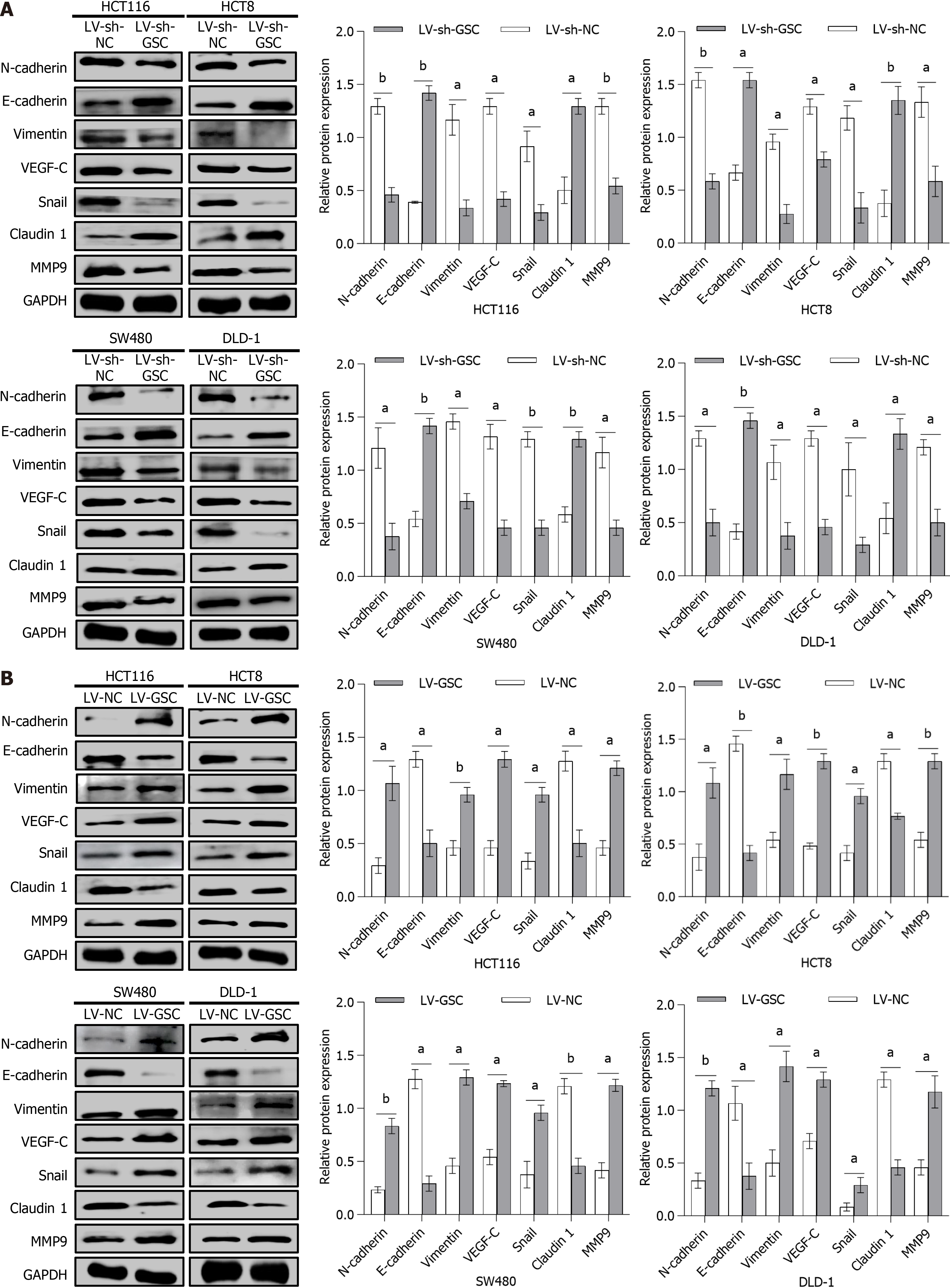
Figure 4 Goosecoid modulates epithelial-mesenchymal transition in colorectal cancer cells.
A: Western blotting analysis of epithelial-mesenchymal transition-related protein expression following goosecoid knockdown in HCT116, HCT8, SW480, and DLD-1 cells; B: Western blotting analysis of epithelial-mesenchymal transition marker expression after goosecoid overexpression in colorectal cancer cells. All data represent the mean ± SD from three independent experiments. aP < 0.05, bP < 0.01. GSC: Goosecoid.
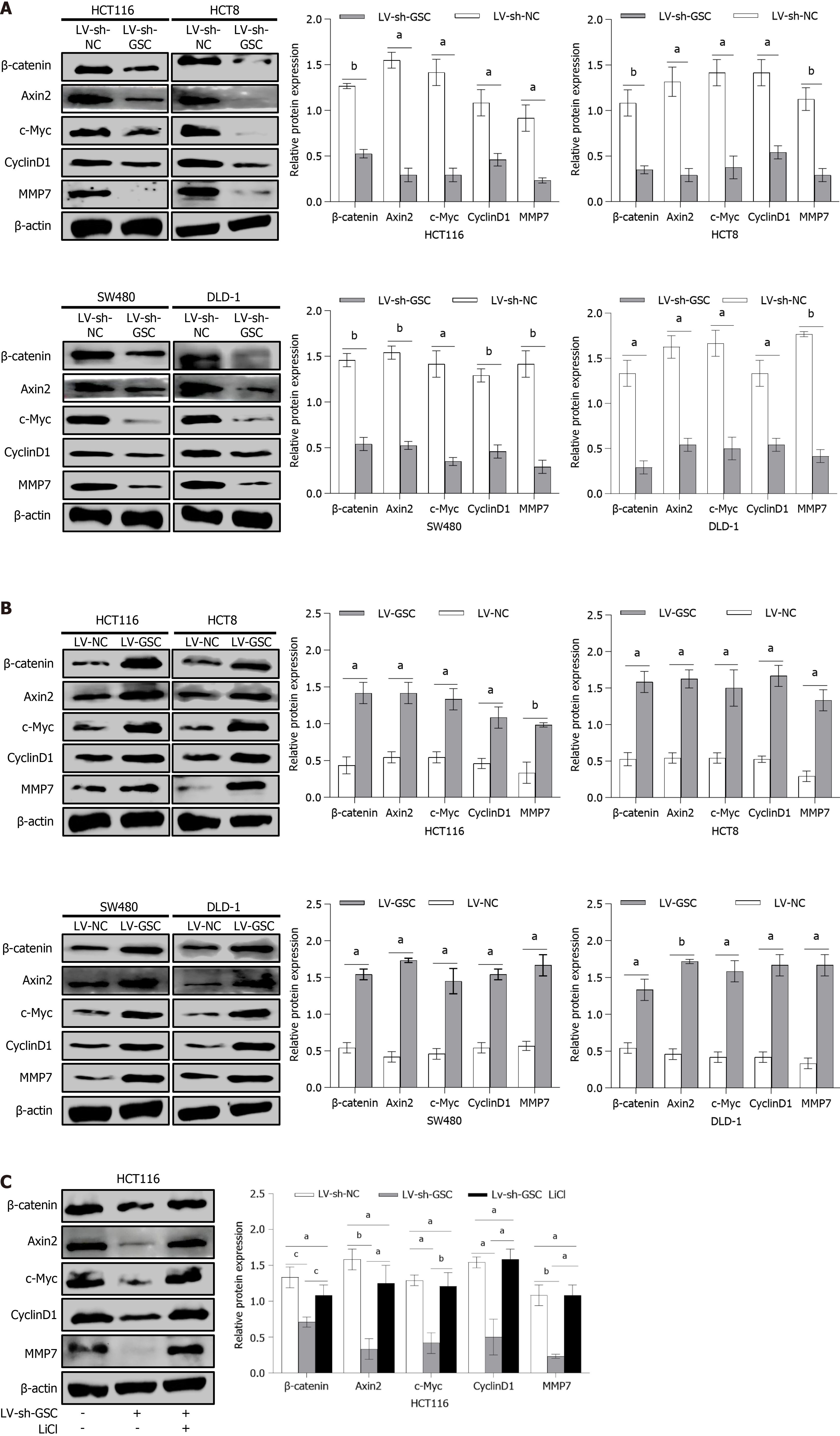
Figure 5 Goosecoid may promote the onset and progression of colorectal cancer via the Wnt/β-catenin signaling pathway.
A: Wnt/β-catenin signaling target gene expression was reduced in goosecoid (GSC)-knockdown cells; B: Wnt/β-catenin signaling target gene expression was elevated in GSC-overexpressing cells; C: Lithium chloride treatment restored the expression of Wnt/β-catenin target genes in GSC-knockdown cells. Data are presented as the mean ± SD of three independent experiments. aP < 0.05, bP < 0.01, cP < 0.001. GSC: Goosecoid.
- Citation: Li BC, Wang BZ, Han L, Zhang ZW, Wang Y, Zhang YJ, Zhang JN. Goosecoid drives colorectal cancer progression by inducing epithelial-mesenchymal transition. World J Gastrointest Oncol 2026; 18(3): 115028
- URL: https://www.wjgnet.com/1948-5204/full/v18/i3/115028.htm
- DOI: https://dx.doi.org/10.4251/wjgo.v18.i3.115028