
















©The Author(s) 2026.
World J Gastrointest Oncol. Feb 15, 2026; 18(2): 115974
Published online Feb 15, 2026. doi: 10.4251/wjgo.v18.i2.115974
Published online Feb 15, 2026. doi: 10.4251/wjgo.v18.i2.115974
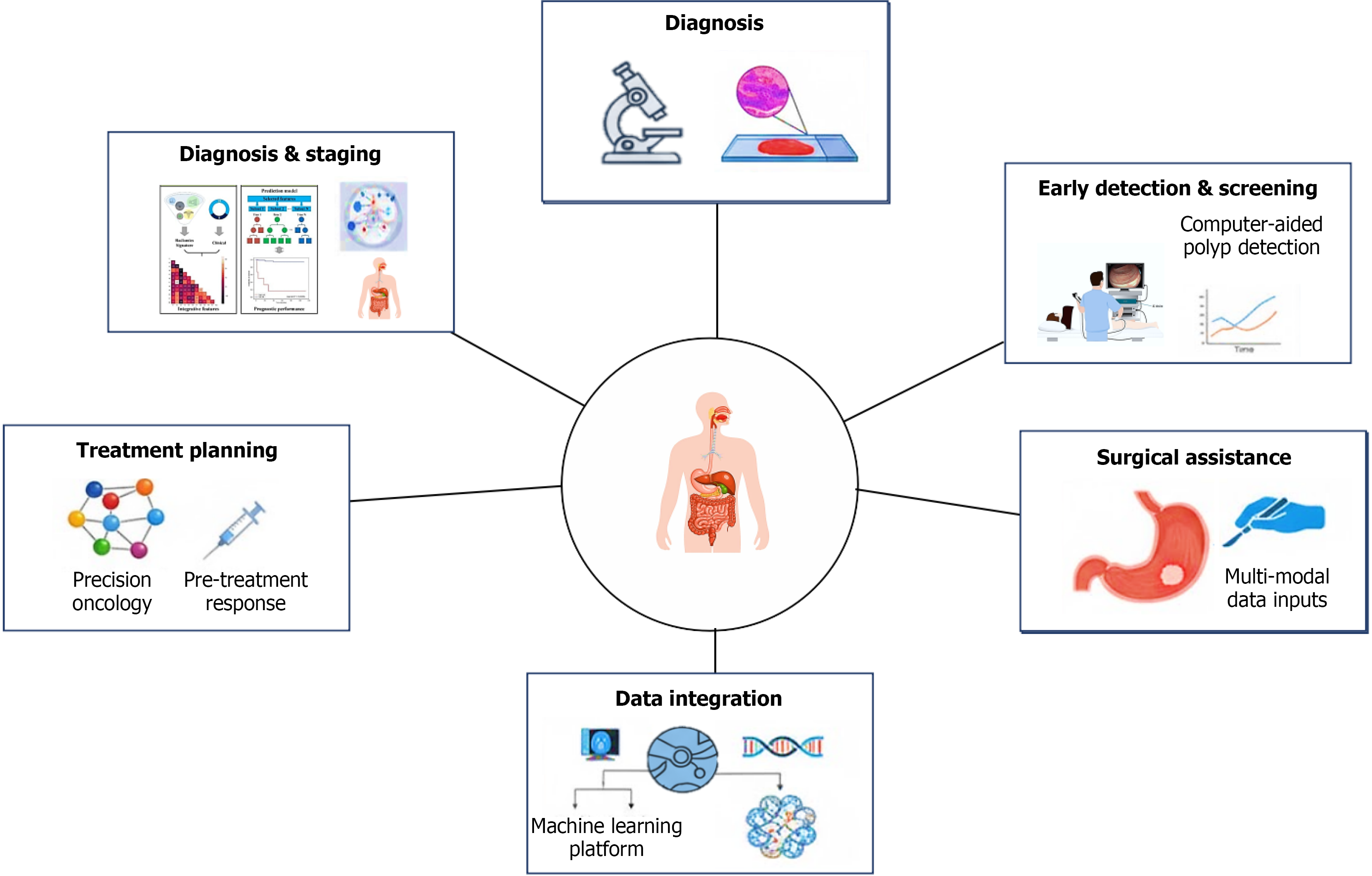
Figure 1 Role and application of artificial intelligence in gastrointestinal cancer.
This figure outlines the comprehensive scope of artificial intelligence in the management of gastrointestinal tumors, illustrating its applications across seven critical domains: Screening for early detection; definitive diagnosis of lesions; tumor staging (tumor node metastasis) for extent of disease; biomarker prediction (tumor mutation burden/microsatellite instability) to guide personalized therapy; assistance in surgical interventions; forecasting prognosis and treatment response; and in-depth analysis of the tumor microenvironment.
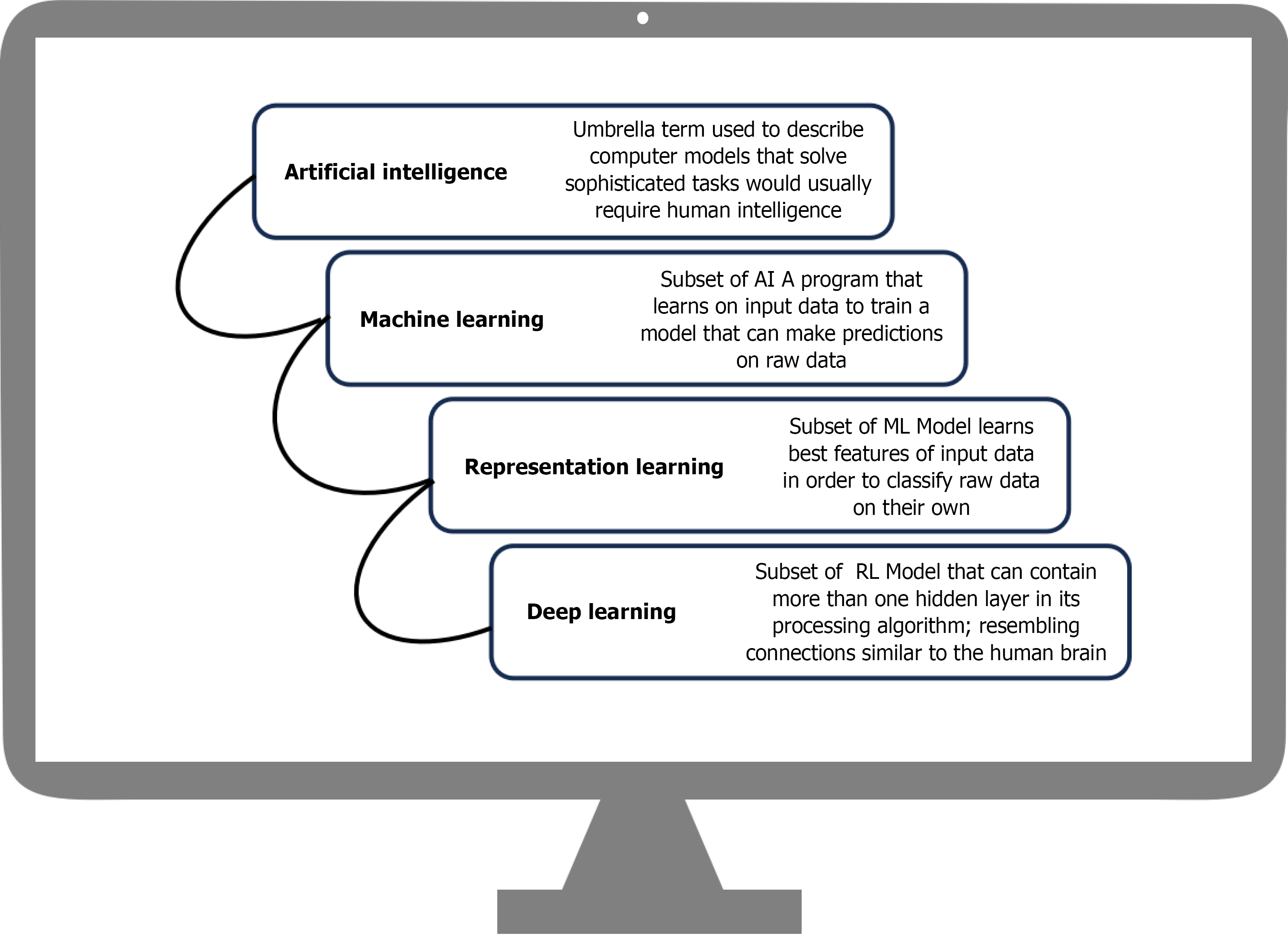
Figure 2 Hierarchical relationship of artificial intelligence subfields.
This diagram illustrates the nested structure of modern artificial intelligence technologies in which artificial intelligence is the broadest concept of creating intelligent machines. Machine learning is a subset of artificial intelligence that focuses on systems learning from data to improve autonomously. Representation learning is a key subfield within machine learning used to automatically transform complex raw data into simpler, more meaningful features for processing. The innermost, most specialized subset is deep learning, which uses multilayered neural networks to perform feature extraction (representation learning) directly from raw data, offering a core advantage over traditional machine learning methods. AI: Artificial intelligence; DL: Deep learning; ML: Machine learning; RL: Representation learning.
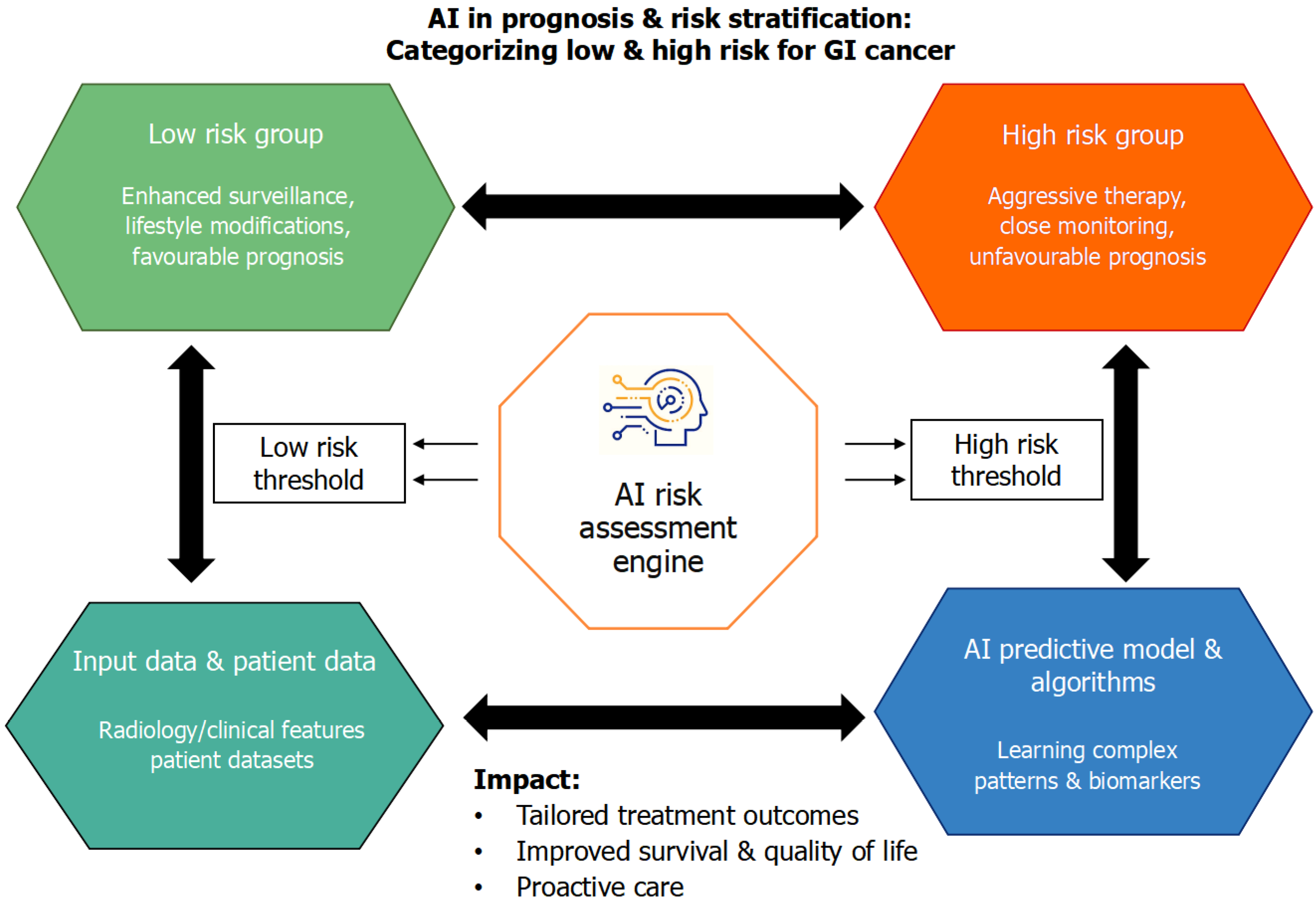
Figure 3 Artificial intelligence-driven risk stratification for gastrointestinal cancer management.
This schematic outlines the process of the artificial intelligence (AI) Risk Assessment Engine integrating multiple data streams to classify patients into distinct risk groups for gastrointestinal cancer. The engine processes clinical and patient data (including electronic health records, demographics, and medical history) through AI predictive models and algorithms (such as machine learning classifiers). The output is a clear risk stratification, separating individuals into a high-risk group and a low-risk group based on predefined high-risk thresholds and low-risk thresholds. This precise stratification informs patient management and leads to improved clinical outcomes, including improved survival, quality of life, and targeted, proactive care (e.g., personalized screening or surveillance protocols). GI: Gastrointestinal; AI: Artificial intelligence.
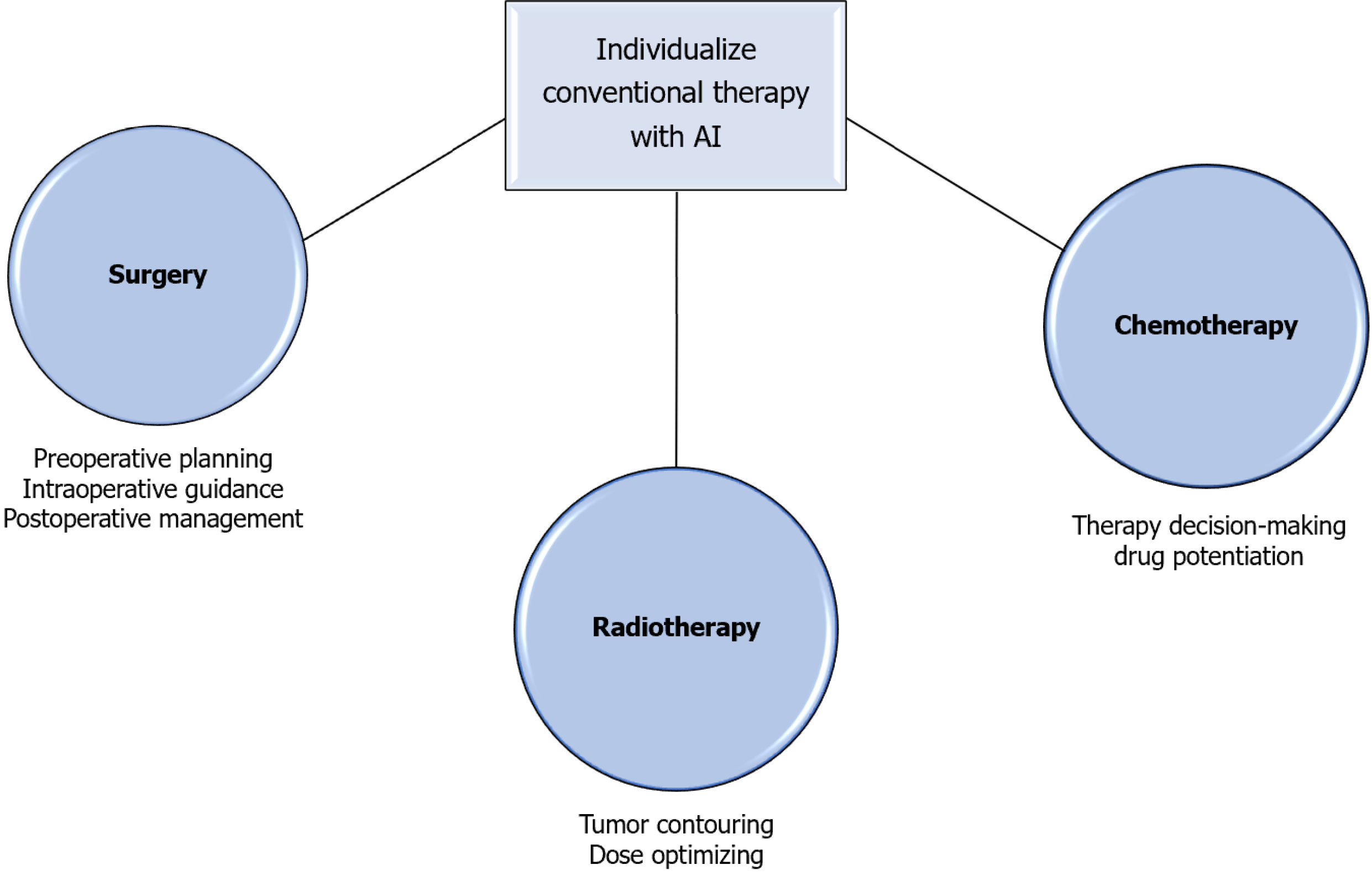
Figure 4 Individualizing conventional cancer therapies with artificial intelligence.
The central artificial intelligence component symbolizes its function in driving precision for all three core treatment pillars. Artificial intelligence (AI) is applied to: Surgery, which utilizes AI for enhanced preoperative planning, intraoperative guidance (e.g., workflow analysis and safety), and postoperative management; radiotherapy, which benefits from AI in optimizing tumor contouring and dose delivery; and chemotherapy, which leverages AI for refined therapy decision-making (e.g., predicting response/mutations like BRAF/KRAS) and drug potentiation. This integration maximizes therapeutic effectiveness within precision medicine, enhancing patient outcomes while minimizing side effects. AI: Artificial intelligence.
- Citation: Sehgal T, Joshi T, Chowdhary R, Goyal O, Kalra S, Goyal R, Taranikanti V, Vuthaluru AR, Goyal MK. Deep learning in lower gastrointestinal cancer detection: Advances in endoscopic, radiologic, and histopathologic diagnostics. World J Gastrointest Oncol 2026; 18(2): 115974
- URL: https://www.wjgnet.com/1948-5204/full/v18/i2/115974.htm
- DOI: https://dx.doi.org/10.4251/wjgo.v18.i2.115974