
















©The Author(s) 2026.
World J Gastrointest Oncol. Feb 15, 2026; 18(2): 114351
Published online Feb 15, 2026. doi: 10.4251/wjgo.v18.i2.114351
Published online Feb 15, 2026. doi: 10.4251/wjgo.v18.i2.114351
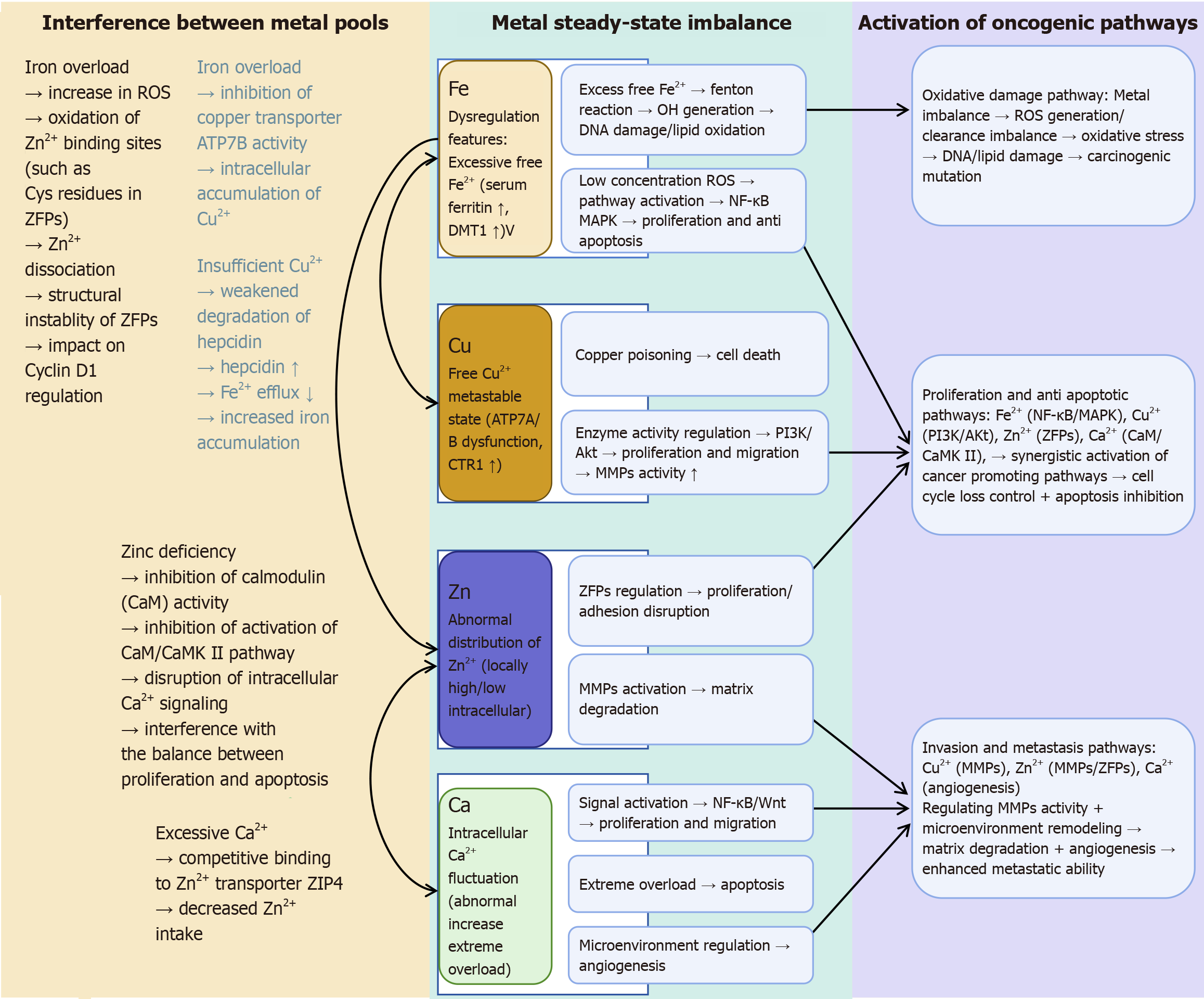
Figure 1 The core mechanism and correlation diagram of metal elements in gastric cancer.
It is divided into three modules: (1) Interference between metal pools; (2) Metal steady-state imbalance; and (3) Activation of oncogenic pathways. The models present the pathways and potential associations of individual metals. The image was created using BioRender.com. Akt: Protein kinase B; ATP7α: ATPase copper transporting alpha; ATP7β: ATPase copper transporting beta; CaM: Calmodulin; CaMKII: Ca2+/calmodulin-dependent protein kinase II; CTR1: Copper transporter 1; Cys: Cysteine; DMT1: Divalent metal transporter 1; MAPK: Mitogen-activated protein kinase; MMPs: Matrix metalloproteinases; NF-κB: Nuclear factor-kappa B; ∙OH: Hydroxyl radical; PI3K: Phosphoinositide 3-kinase; ROS: Reactive oxygen species; ZFPs: Zinc finger proteins; ZIP4: Zrt-and Irt-like protein 4.
- Citation: Jing LB, Liu J, Yang ZH, Yang FF, Wang DG, Li YM. Metallic elements and their molecular roles in gastric cancer: Pathogenic mechanisms and therapeutic implications. World J Gastrointest Oncol 2026; 18(2): 114351
- URL: https://www.wjgnet.com/1948-5204/full/v18/i2/114351.htm
- DOI: https://dx.doi.org/10.4251/wjgo.v18.i2.114351