
















©The Author(s) 2025.
World J Gastrointest Endosc. Dec 16, 2025; 17(12): 110594
Published online Dec 16, 2025. doi: 10.4253/wjge.v17.i12.110594
Published online Dec 16, 2025. doi: 10.4253/wjge.v17.i12.110594
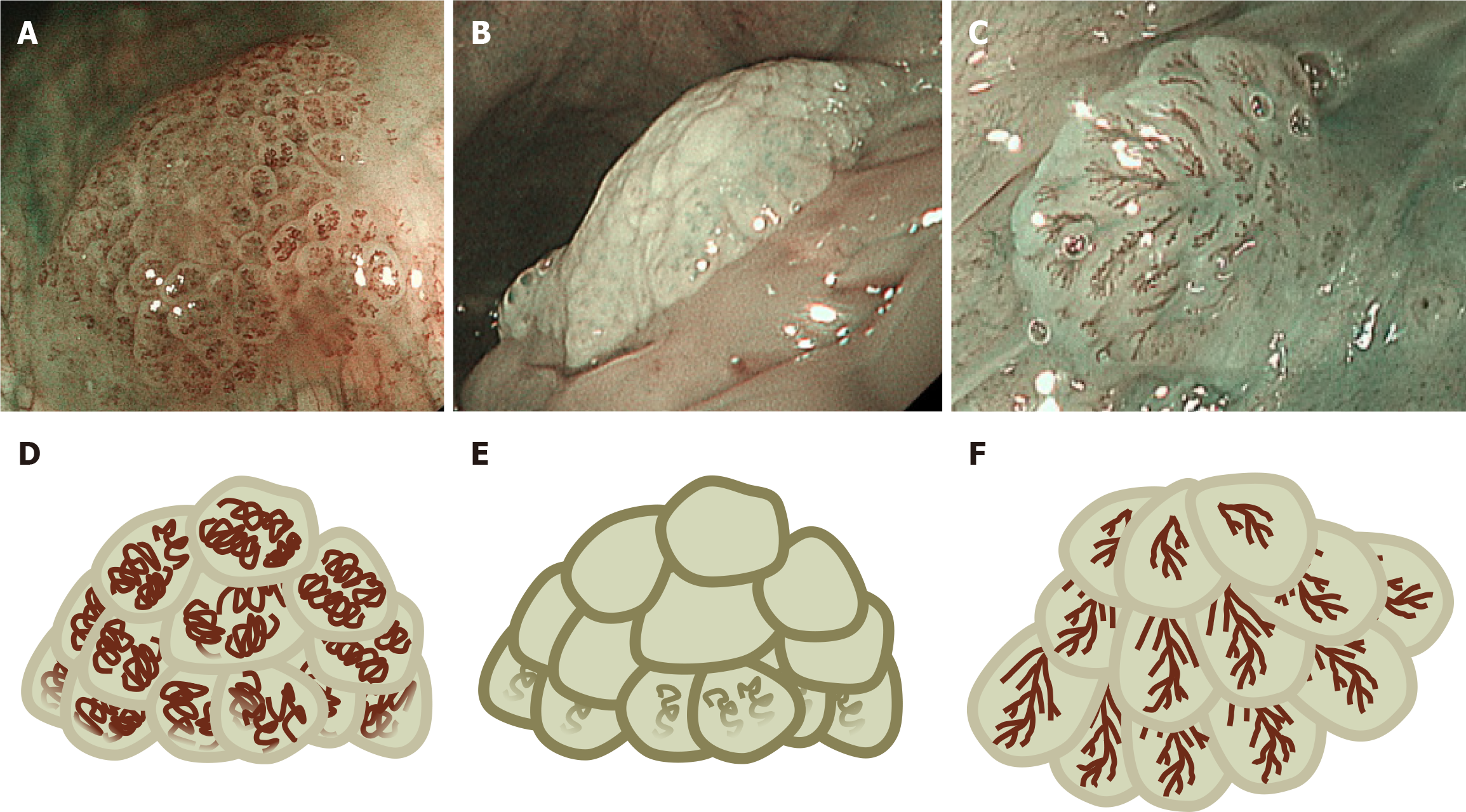
Figure 1 Classification of oral and pharyngolaryngeal papillomas on narrow band and blue laser imaging.
A-C: Typical endoscopic images of oral and pharyngolaryngeal papillomas; D-F: Their corresponding schema. We classified oral and pharyngolaryngeal papillomas into three distinct patterns based on endoscopic features. A and D: Salmon roe-like polyp is an elevated lesion with aggregation of multiple small nodules. Coil-shaped capillaries are internally visible in each nodule, resembling salmon roe or frog eggs; B and E: A polyp without capillary transparency is similar to the previous type of polyp and involves an elevated lesion with aggregation of multiple small nodules. However, there is no capillary transparency or only slightly visible capillaries; C and F: Pinecone-like polyp resembles a pinecone. This type of polyp consists of overlapping scale-like components, and capillaries resembling leaf veins are visible in each element.
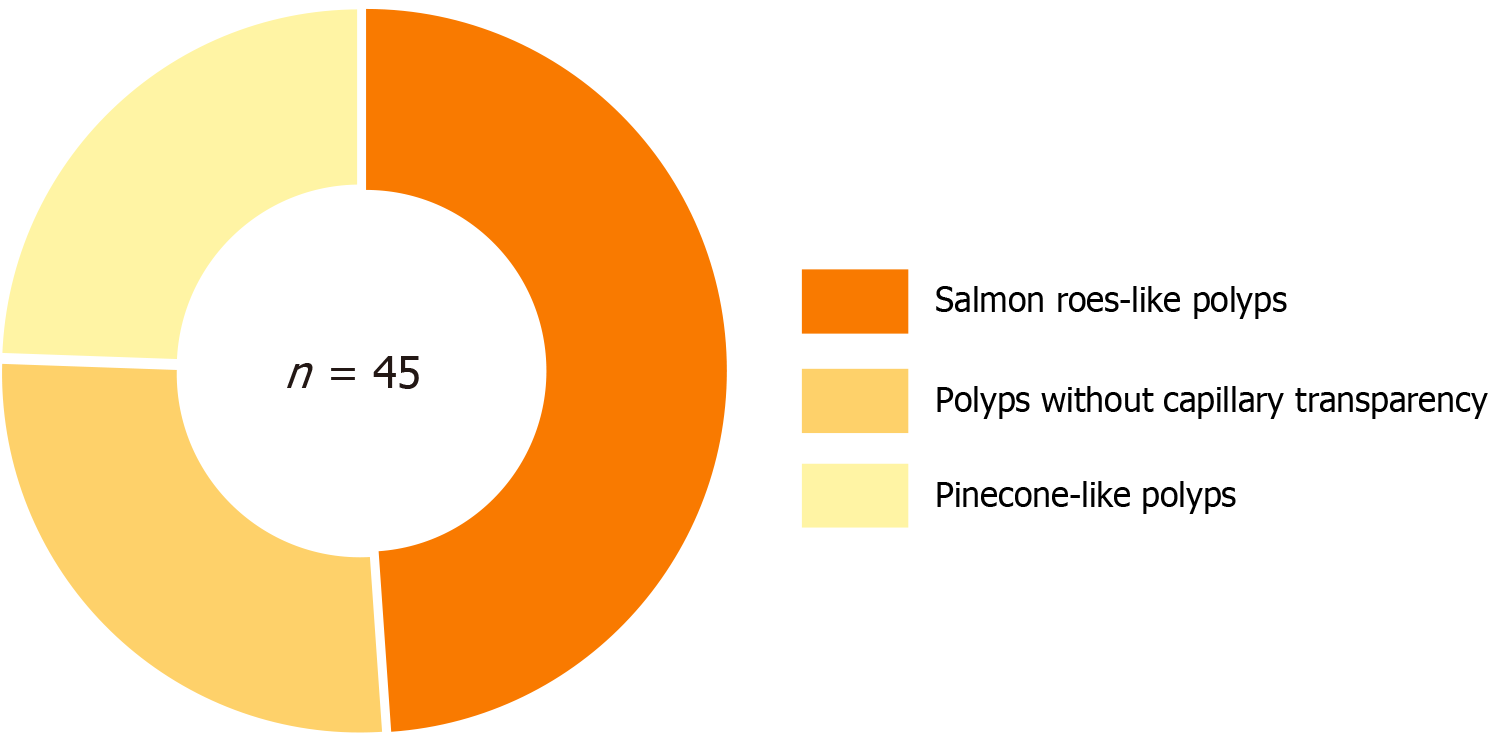
Figure 2 Frequency of macroscopic types of papillomas in donut plots.
The 45 papilloma lesions consisted of salmon roe-like polyps (n = 22), polyps without capillary transparency (n = 12), and pinecone-like polyps (n = 11).
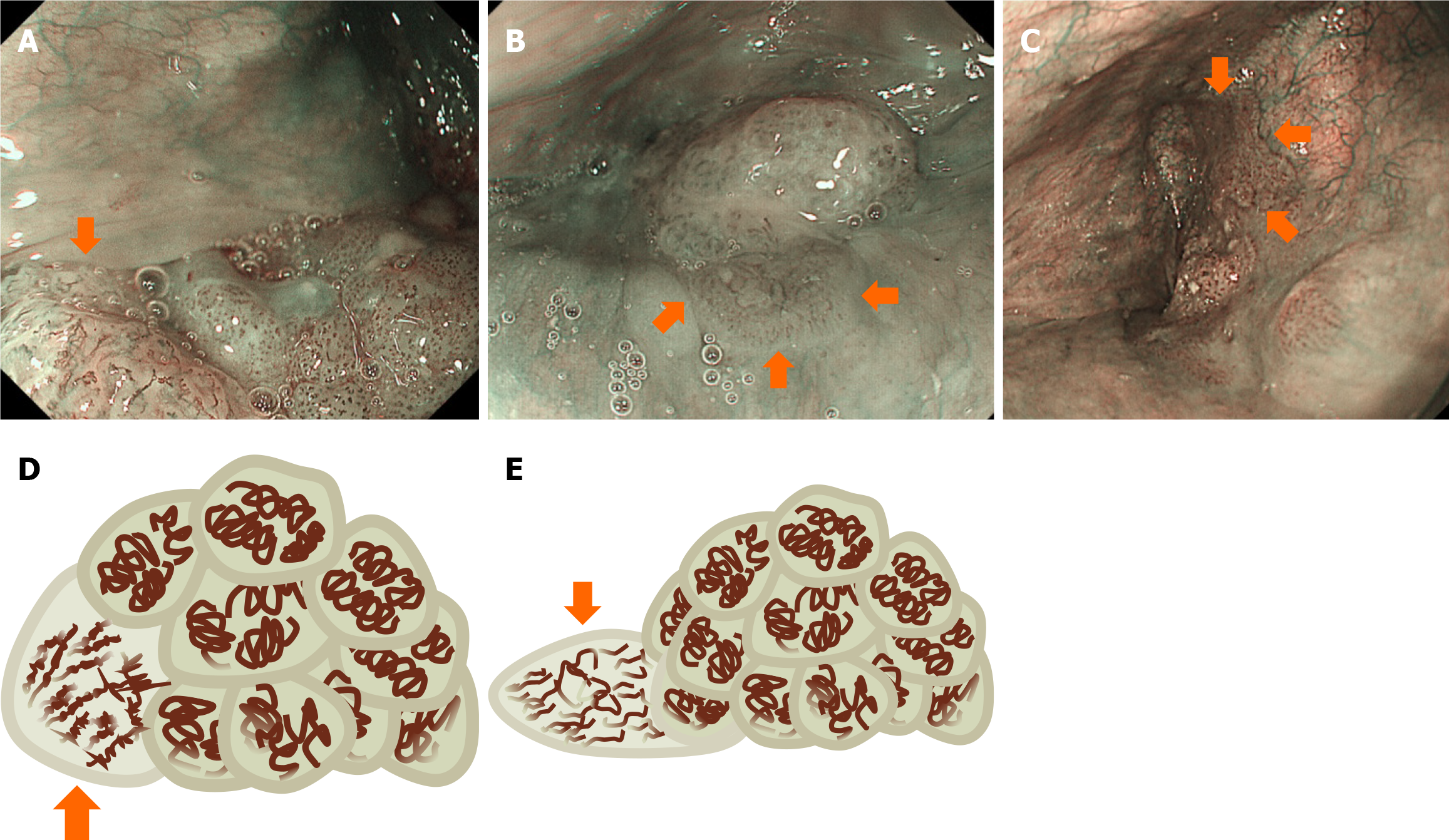
Figure 3 Typical endoscopic images of oral and pharyngolaryngeal squamous cell carcinomas with elevated morphology.
A-C: Typical endoscopic images; D and E: The schema. A and D: In a squamous cell carcinoma lesion, an uneven, lobulated structure and irregular morphology of capillaries are observed (arrow); B and E: Coexistence of a flat lesion is evident within a squamous cell carcinoma (arrows). The lobulated structure is absent, and the morphology of the capillaries is irregular in the flat lesion; C: Another squamous cell carcinoma accompanies a flat lesion without a lobulated structure (arrows).
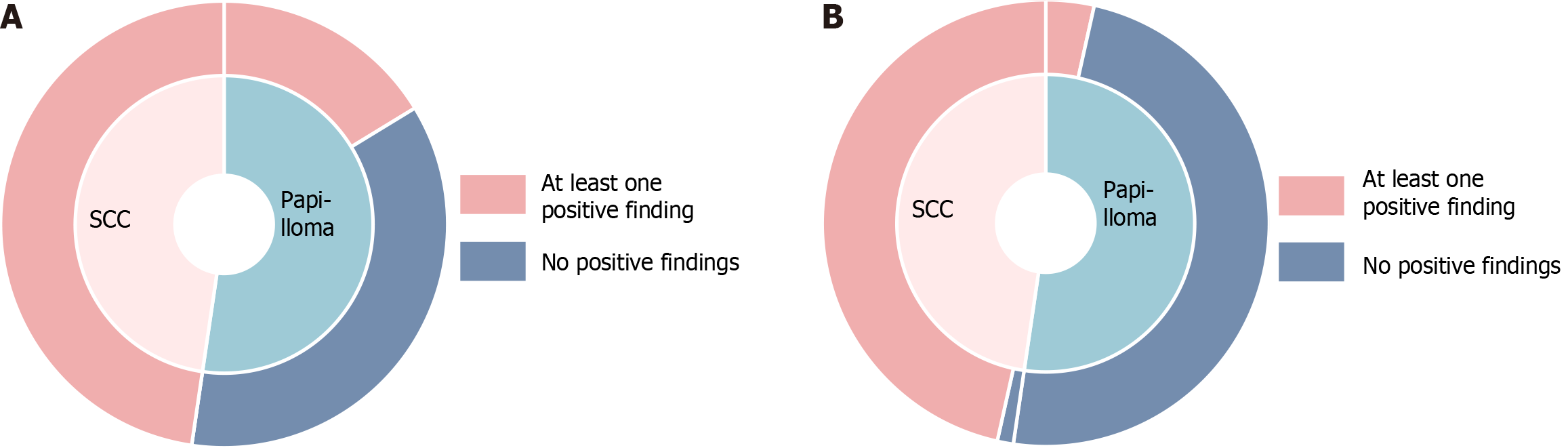
Figure 4 Positivity rates of findings for diagnosing squamous cell carcinoma and papillomas in donut plots.
A: Lesions were diagnosed as squamous cell carcinoma when at least one of the following three characteristics was present: (1) Uneven or absent lobulated structure; (2) Irregular morphology of capillaries; or (3) Coexistence of flat lesions. Lesions without any of these characteristics were diagnosed as papillomas. The sensitivity and specificity of squamous cell carcinoma diagnosis by evaluator Hamada K were 100% and 68.9%, respectively; B: For evaluator Kono Y, the sensitivity and specificity were 976% and 93.3%, respectively. SCC: Squamous cell carcinoma.
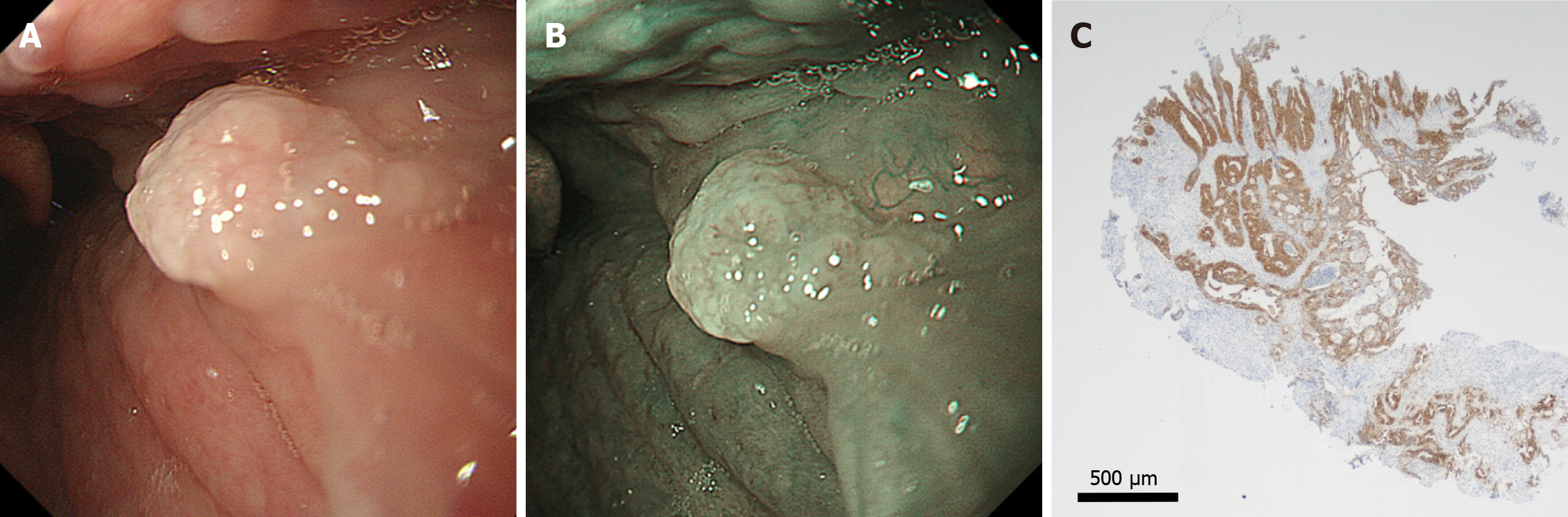
Figure 5 A papilloma positive for p16 staining.
A and B: Regarding immunostaining for p16, a pharyngeal papilloma in a 55-year-old male presents as a polyp without capillary transparency (A: White light; B: Narrow band imaging); C: This lesion exhibits positive p16 staining. The remaining 44 cases all tested negative for p16 staining.
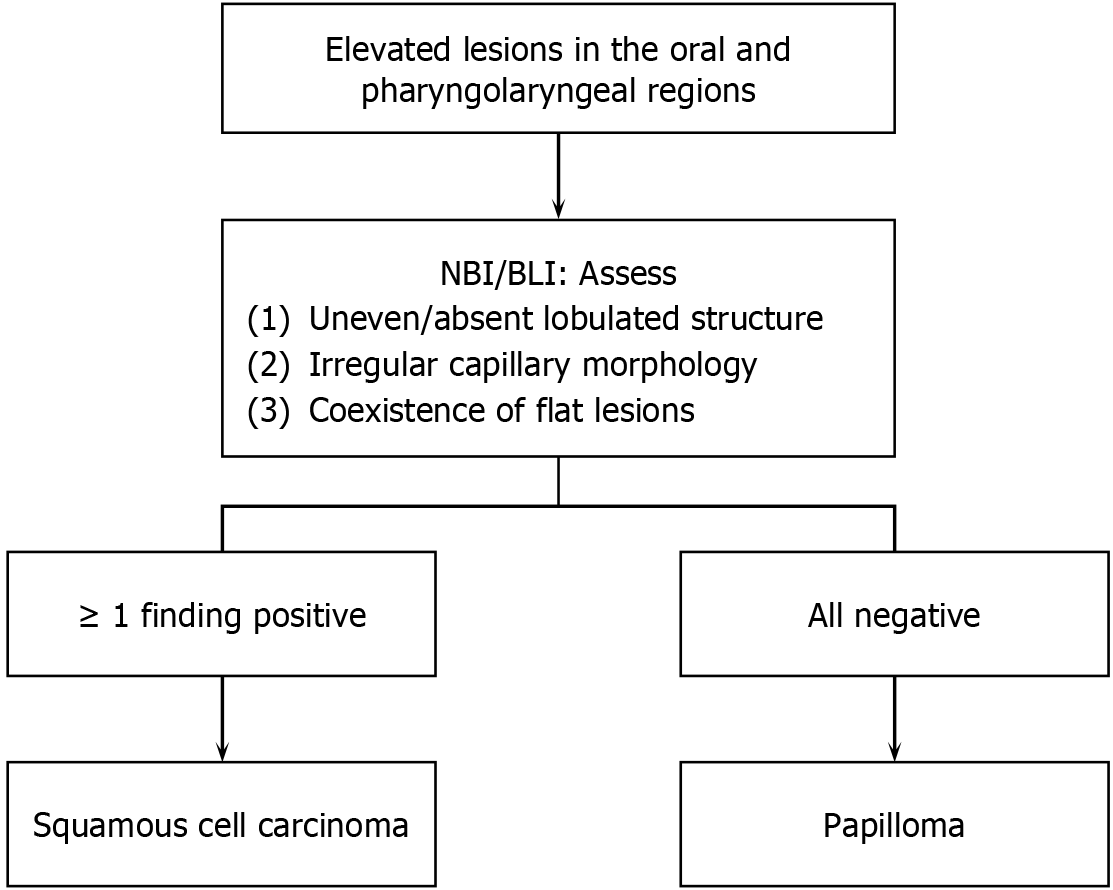
Figure 6 Flowchart for diagnosing squamous cell carcinoma and papilloma in oral and pharyngolaryngeal elevated lesions.
NBI: Narrow band imaging; BLI: Blue laser imaging.
- Citation: Iwamuro M, Tanaka T, Hamada K, Kono Y, Kawano S, Kawahara Y, Otsuka M. Endoscopic features of oral and pharyngolaryngeal papillomas and their role in distinguishing squamous cell carcinoma. World J Gastrointest Endosc 2025; 17(12): 110594
- URL: https://www.wjgnet.com/1948-5190/full/v17/i12/110594.htm
- DOI: https://dx.doi.org/10.4253/wjge.v17.i12.110594